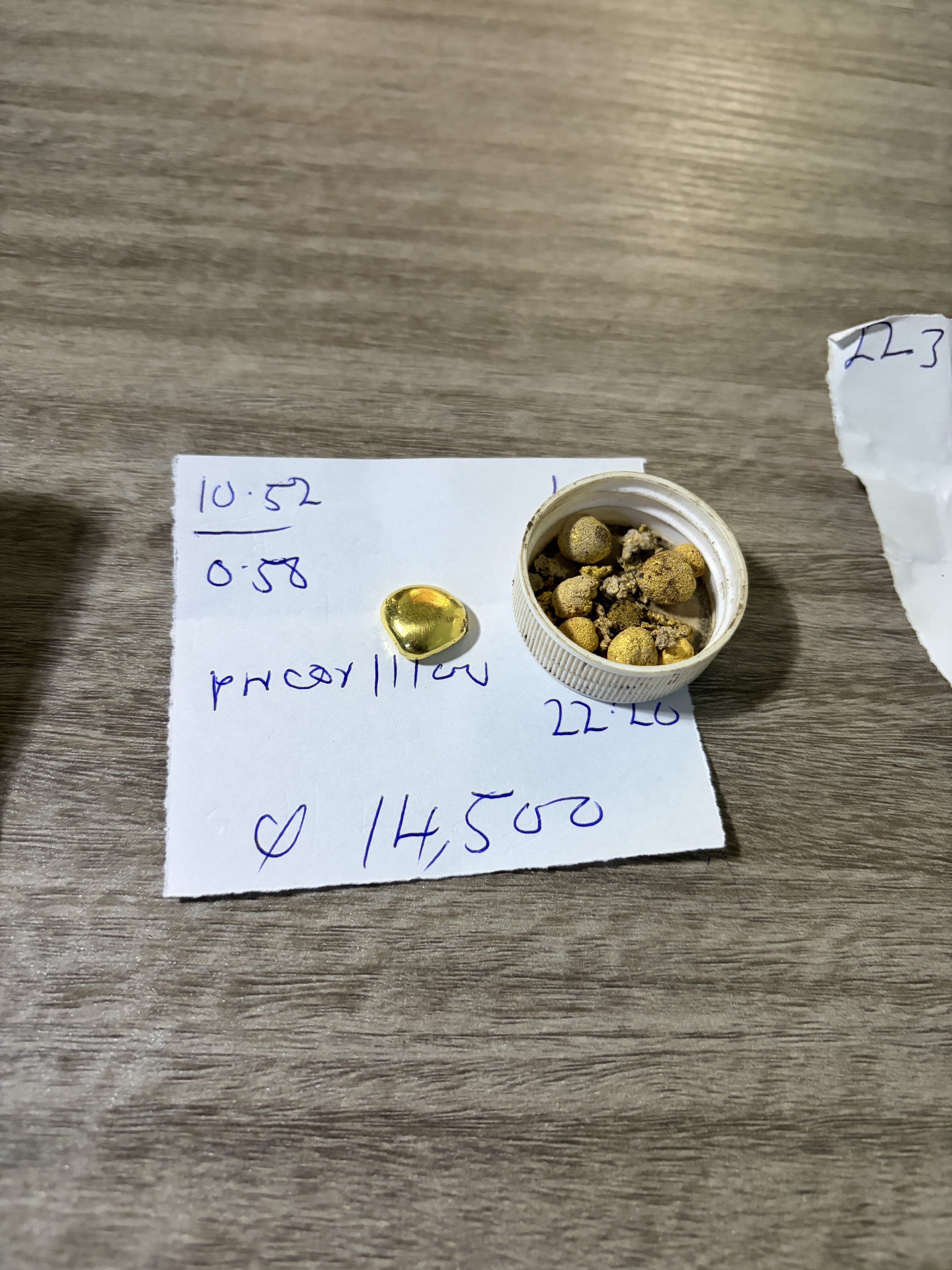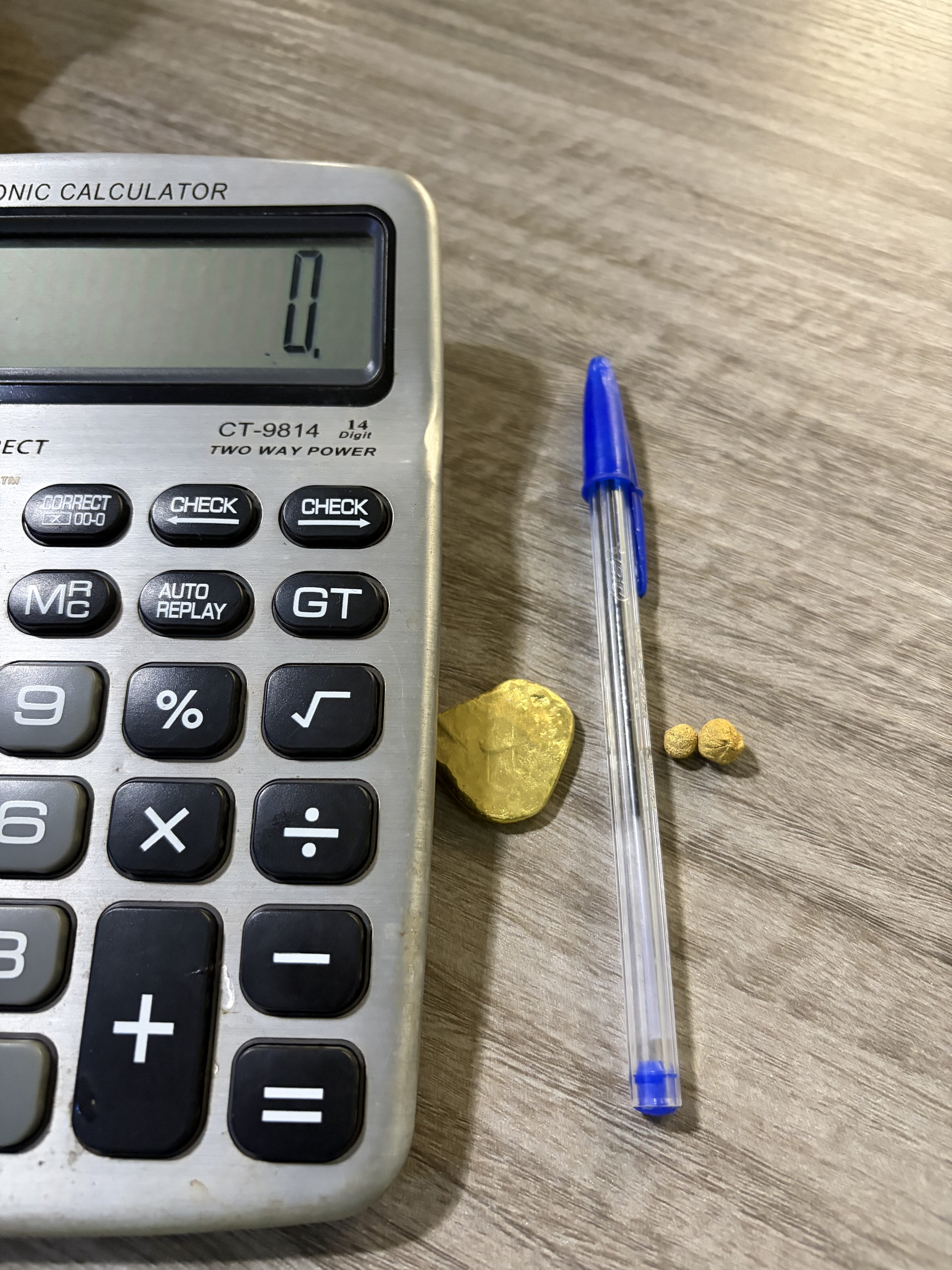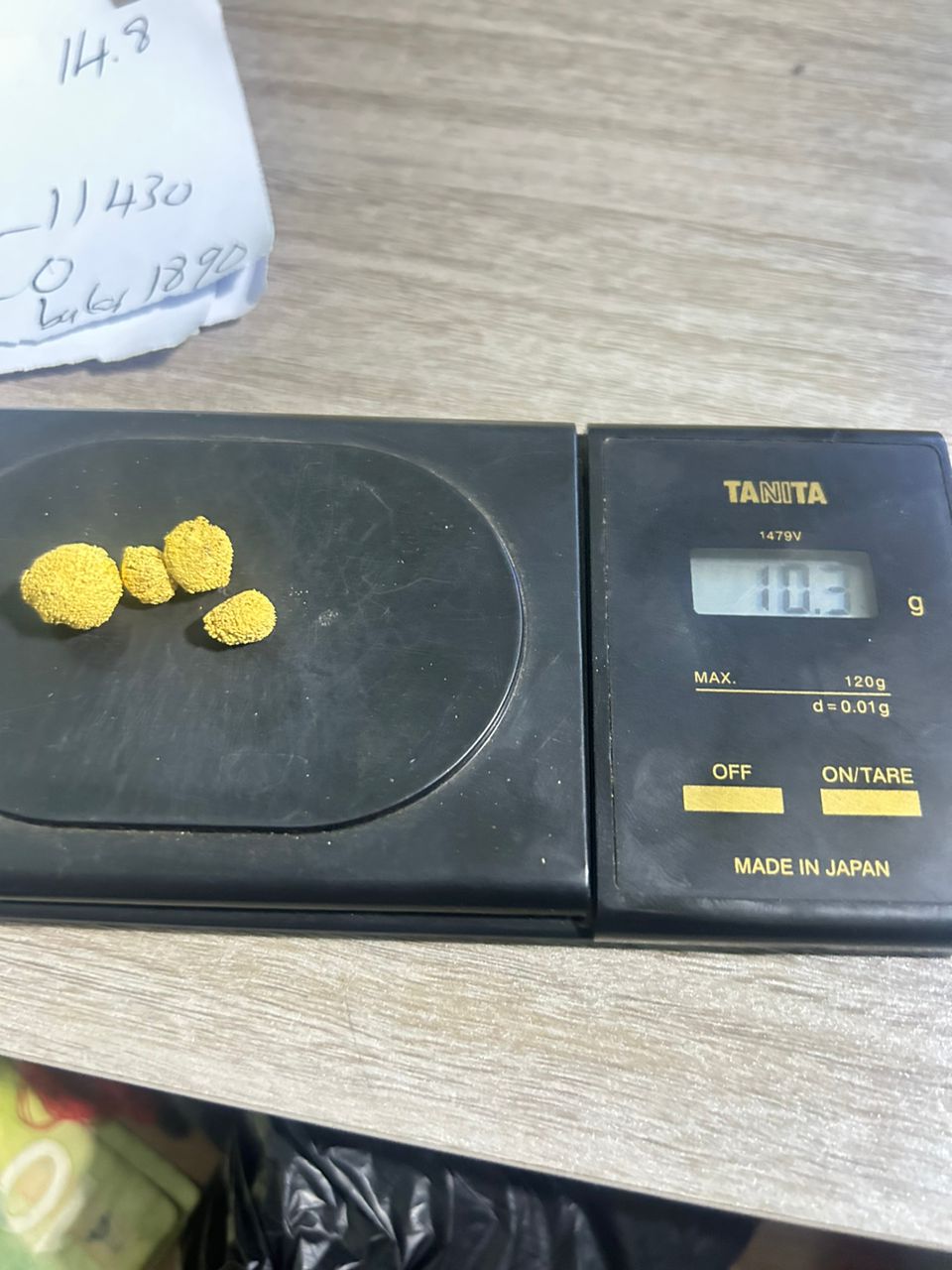
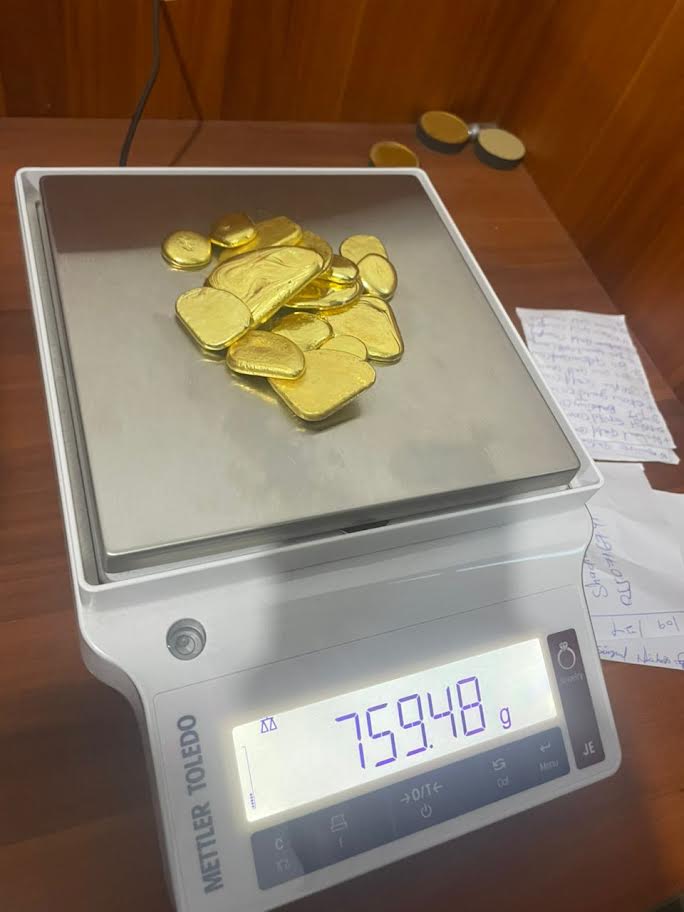

Former Vice President Mahamudu Bawumia has explained how Ghana’s Gold-for-Oil (G4O) programme emerged from the country’s severe foreign-exchange constraints during the economic crisis. Speaking to members of the Ghana National Association of Small-Scale Miners in Accra on August 28, 2026, Bawumia said two major problems prompted the policy: the drying up of external financing after COVID-19 and the Russia-Ukraine war, and restrictions under Ghana’s IMF programme that limited the Bank of Ghana’s ability to intervene in the foreign-exchange market. His argument was straightforward: Ghana produces gold but needed dollars to pay for imported fuel. Instead of using scarce dollars to purchase oil, the government could use gold as payment, reducing pressure on the cedi and helping maintain fuel supplies. Bawumia also linked G4O to the Domestic Gold Purchase Programme (DGP). He said the idea of using Ghana’s domestically produced gold to strengthen the country’s reserves came to him while exercising. The Bank of Ghana subsequently conducted due diligence before accepting the unconventional proposal. The connection to small-scale miners is particularly important. Ghana had already begun developing a state-backed programme to purchase gold directly from small-scale miners, with the stated objective of increasing national gold reserves. In 2021, Bawumia said small-scale mining accounted for roughly 35% of Ghana’s gold production. Why it matters The episode illustrates the broader policy idea behind Ghana’s gold strategy: Gold production → domestic purchasing → stronger reserves → reduced dollar dependence → potential support for fuel imports and the cedi. However, the Gold-for-Oil programme later became controversial over its financial and governance performance. A 2025 academic assessment argued that weaknesses in the implementation of the swaps contributed to significant losses, highlighting the difference between the underlying concept and the way the programme was executed. For Ghana’s small-scale mining sector, the bigger issue is therefore not simply Gold-for-Oil itself, but whether the country’s gold production can be captured through transparent domestic purchasing systems and converted into long-term national reserves, foreign-exchange strength and economic development.