
While the firm waits for clarification on the renewal of its Tarkwa mining leases, Gold Fields CEO Mike Fraser has harshly attacked Ghana’s current mining policy direction, claiming that the government is viewing the mining industry as a “easy target” for revenue.
Why is there a disagreement?
Ghana’s higher royalties and financial burden on mining are the primary problems. Fraser cautioned that unstable fiscal policies may deter businesses from investing in projects with 15–20 year investment horizons and said that the changes are making Ghana less competitive for foreign mining investment.
Gold Fields claims that it has previously argued against short-term fiscal policies that could jeopardize the long-term viability of the mining industry by actively interacting with the Ghanaian government through the Ghana Chamber of Mines and other mining businesses.
Renewing the Tarkwa lease is essential.
The present Tarkwa leases held by Gold Fields are set to expire in April 2027. The business sent the Ghanaian government a thorough commercial proposal in July 2026 after submitting its technical research and lease application in November 2025.
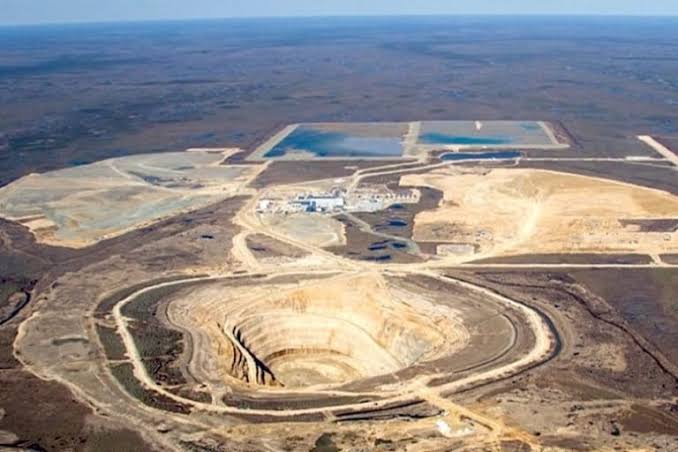

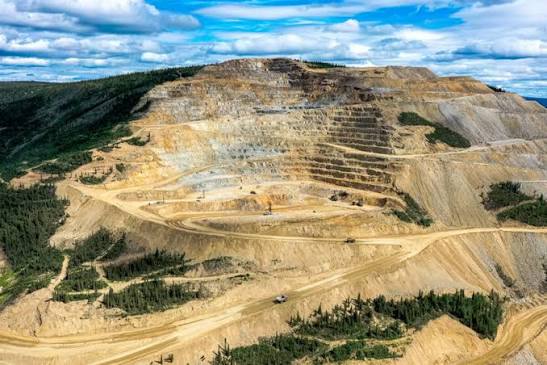
Gold Fields would be able to invest in Tarkwa for an additional 20 years under the proposed agreement, which would share value with the Ghanaian government, local people, and shareholders. The timing and conditions of the renewal are unclear, though, since the business claims it is still awaiting an official response.
Why Ghana should care about this
The disagreement brings to light a challenging balancing act:
Ghana demands a bigger portion of the extraordinarily high profits from the gold industry.
Before investing billions in long-term investments, mining corporations want stable and predictable taxes and royalties.
Increased government revenue can boost fiscal revenue in the short term, but if investors believe the jurisdiction is less competitive, it may discourage future exploration and mine investment.
In particular, Gold Fields contrasted Ghana with Western Australia, where it claims that despite significant fluctuations in gold prices, royalty rates have stayed rather steady.
It’s interesting to note that Gold Fields has long been concerned about this issue. For years, the firm has cautioned that during times of economic hardship, governments may see mining as an easy target for increased taxes and fiscal imposts.
The most significant investment query
There is more to this conflict than just Gold Fields and Tarkwa. In essence, it is an evaluation of Ghana’s mining investment strategy.
Ghana may be able to extract more value from its gold resources without significantly harming investment if it can raise its fiscal take without sacrificing competitive returns and policy stability. However, multinational miners may reroute exploration and development funds to rival jurisdictions if fiscal adjustments are seen as erratic or excessive.
Therefore, the crucial question for Ghana is not just “How much tax can mining pay?” However, “What fiscal regime keeps new capital coming in while maximizing the country’s long-term share of mining value?”
According to Gold Fields’ remarks, the question is becoming more crucial as the business gets closer to the 2027 Tarkwa lease expiration.