
According to a transactional lawyer, a new GoldBod rule that goes into effect on Monday may be the first true test of whether Ghana’s official gold market can outperform unofficial methods.Africans and the Diaspora

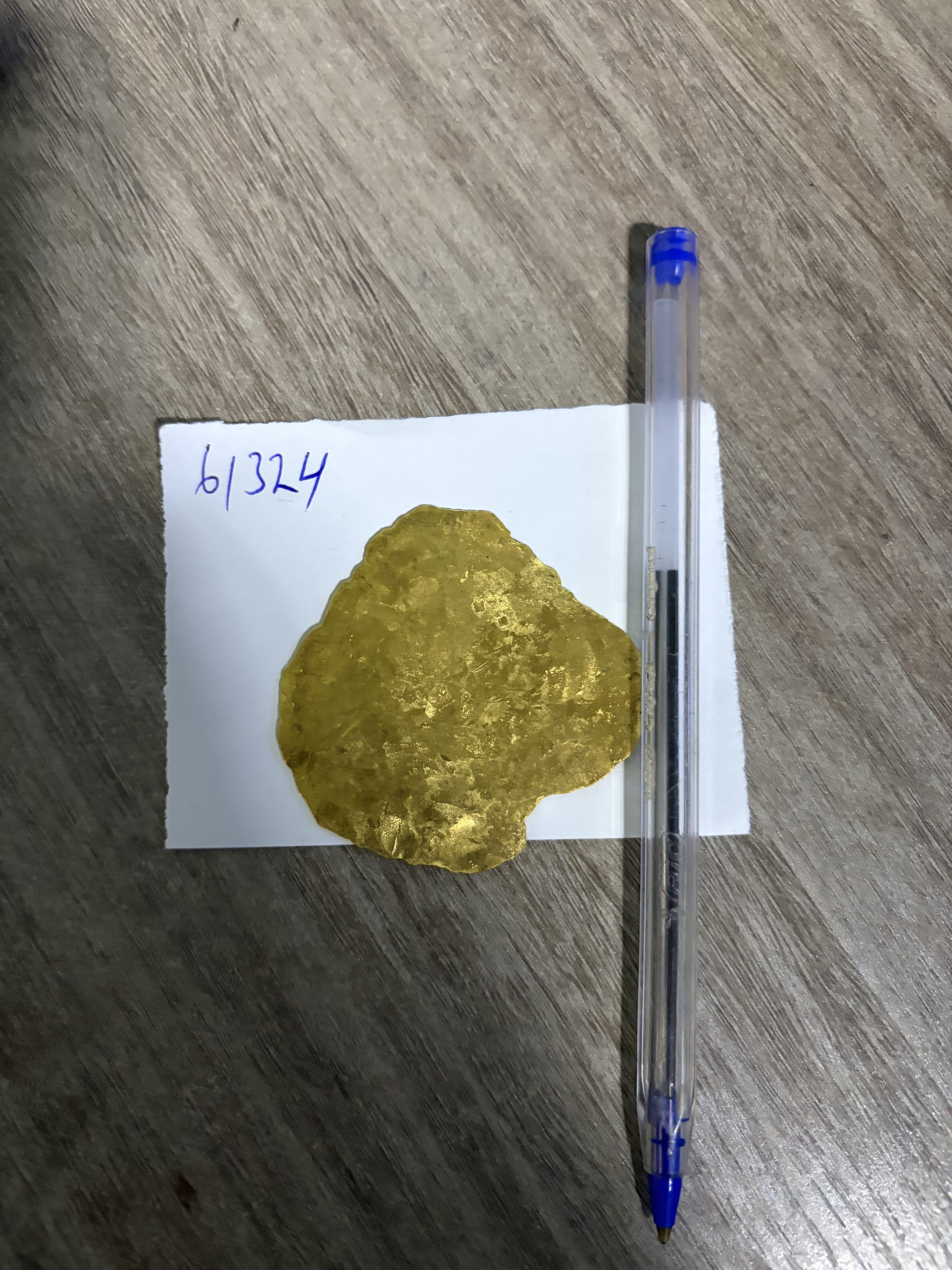


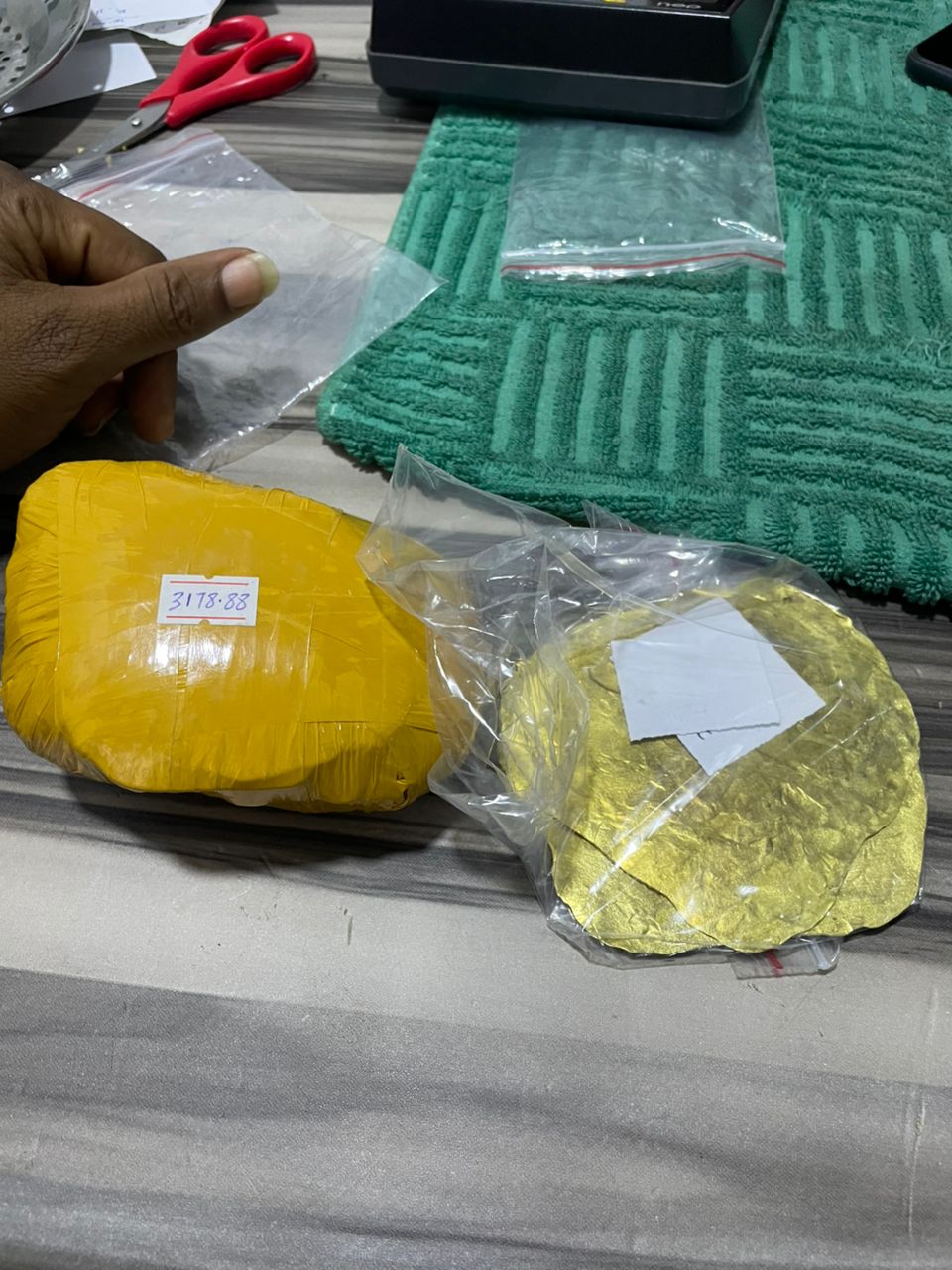
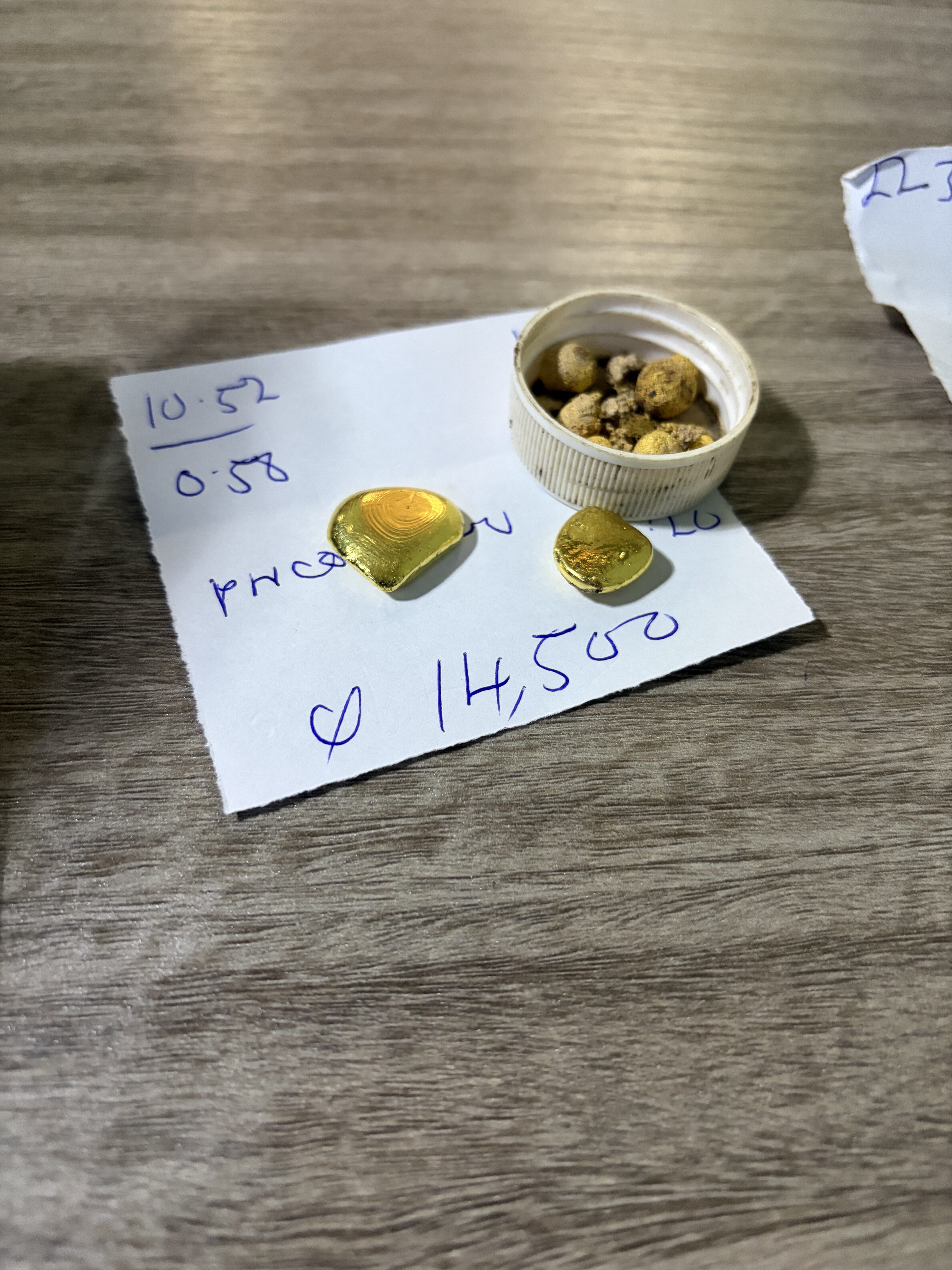
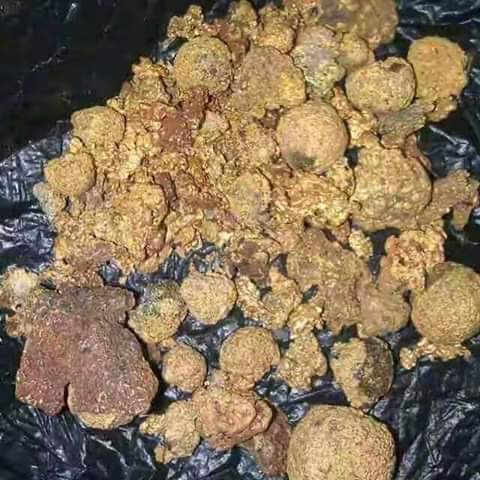
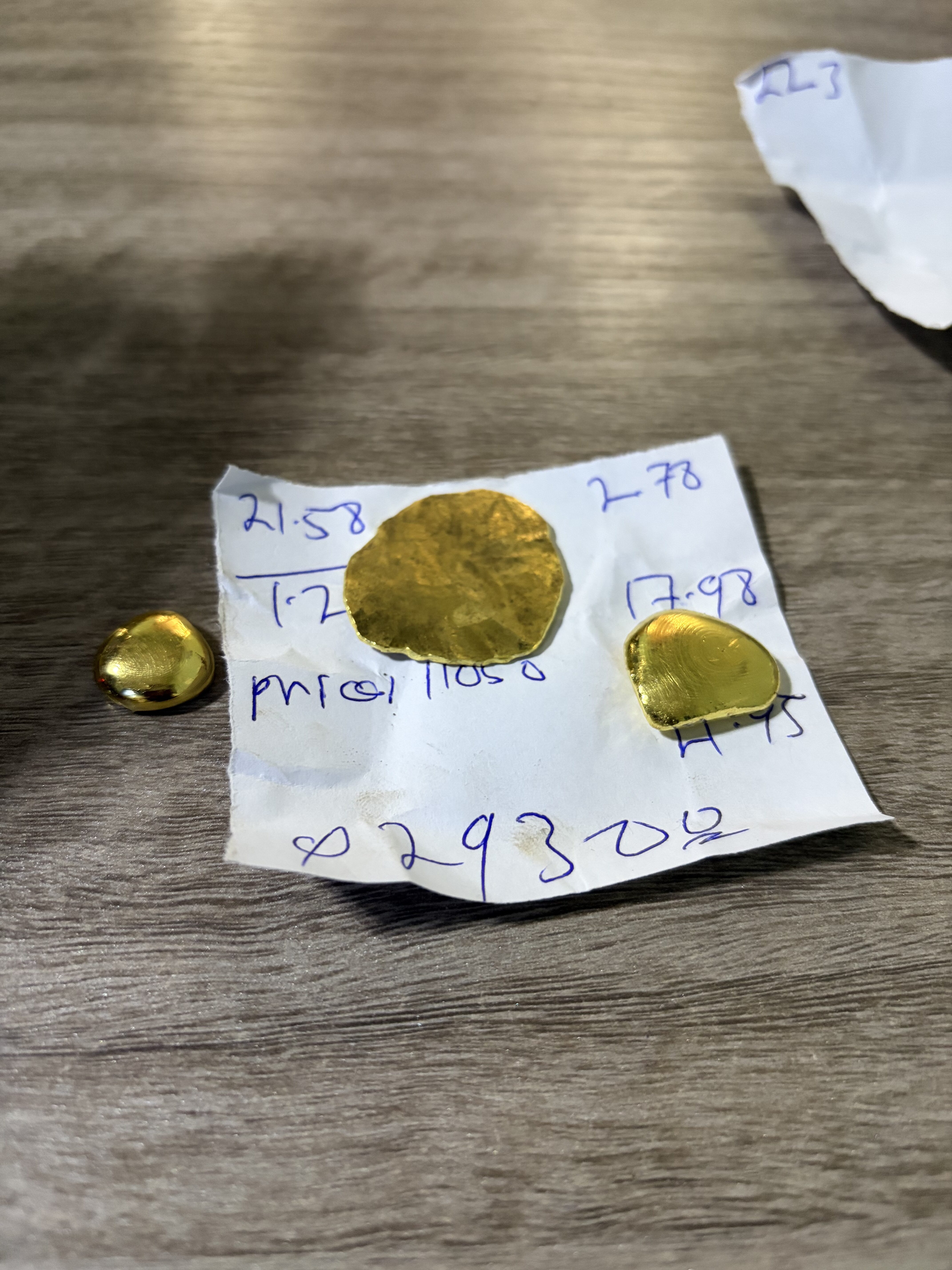
Self-financing aggregators are prohibited from exporting unrefined artisanal gold dore as of September 1. Aggregators have until August 31 to modify current off-take agreements to reflect GoldBod’s mandate, which was released this week, requiring the gold to be processed at a facility approved by the board before any export application is taken into consideration. The aggregator or its offtaker is responsible for negotiating refining charges, and GoldBod has cautioned that non-compliance may result in operators losing their licenses.
According to Amanda Akuokor Clinton, founding partner of Clinton Consultancy, Ghana’s formalization approach would either succeed or fail based on regulations like these. In a recent interview on the gold market, she expressed her opinion that miners and aggregators assess the formal system’s commercial terms against what they can obtain informally, and they tend to choose the more lucrative option regardless of its legality. She claims that adding a required refining phase increases the time and cost of getting gold to market through the official route, which is exactly the kind of friction that could drive supply back underground if it is not compensated for by quicker payments or higher margins elsewhere in the chain.
The stakes are real. Based on discrepancies between Ghana’s export numbers and partner nations’ import records, the IMF’s Selected Issues report, which was released this month, forecasts that between 2019 and 2024, Ghana lost almost 229 tons of gold worth $11.4 billion to smuggling. The situation has begun to change since GoldBod was established: registered artisanal and small-scale gold exports increased from 63.6 tons in 2024 to 103 tons in 2025. Researchers at the University of Ghana credit this increase primarily to gold that would have otherwise left the nation undetected. The proof that formalization can be effective is that gain. It is reversible, according to Clinton.
Her more comprehensive claim is that smuggling is more than just an enforcement issue that has to be resolved with stricter regulations and more severe punishments. Enforcement only prevails in a battle between two commercial bids if the formal one offers a higher salary. In her perspective, each additional compliance need is an expense that must be compared to what GoldBod is providing in exchange.
For the aggregators who supply the majority of Ghana’s gold, this puts pressure on GoldBod to make the refining requirement function both legally and commercially. Within weeks of the rule’s implementation, it will probably be evident whether it maintains the industry’s recent advances or tests how quickly supply can return to unofficial routes.