
Initiatives to recruit and train more women as heavy equipment mechanics are gaining traction in Canada’s French-speaking areas and other Francophone communities. The goal is to alleviate persistent skilled labor shortages while increasing gender diversity in industries like mining, construction, forestry, and transportation.
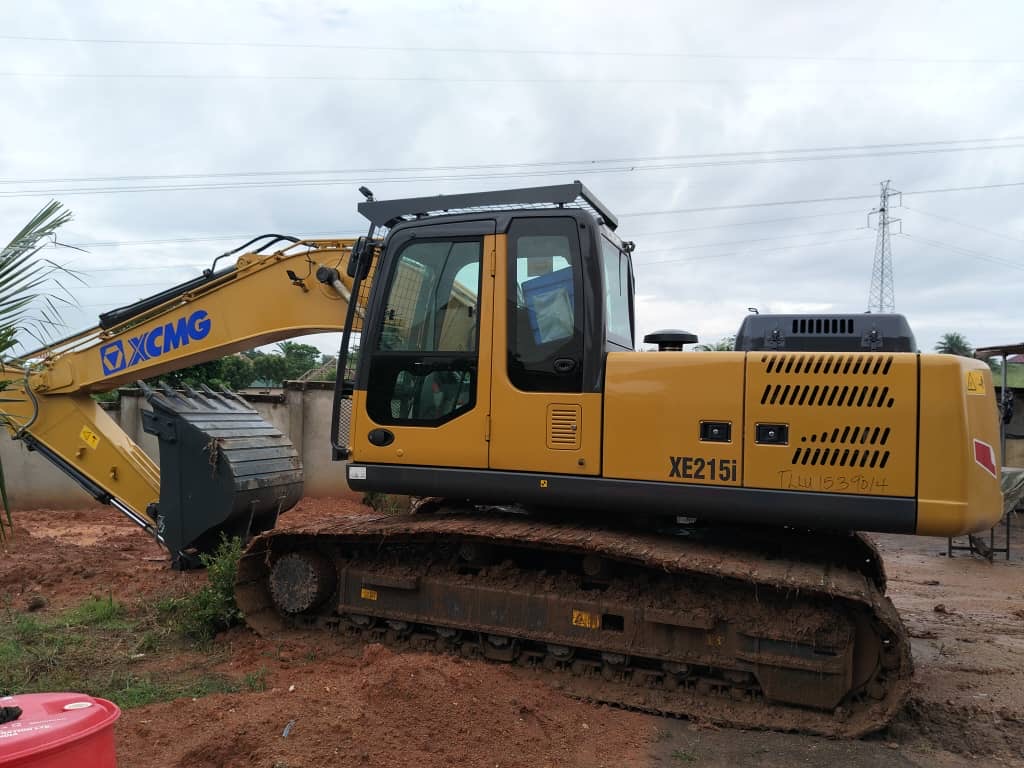
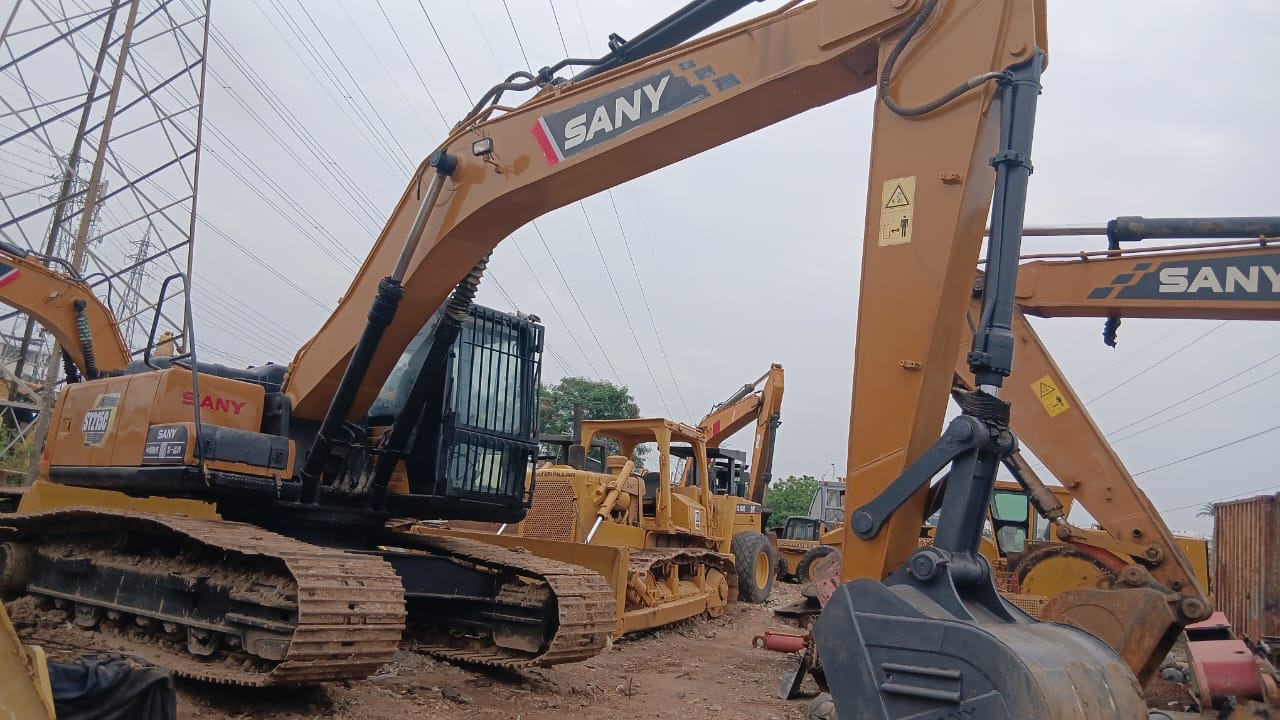
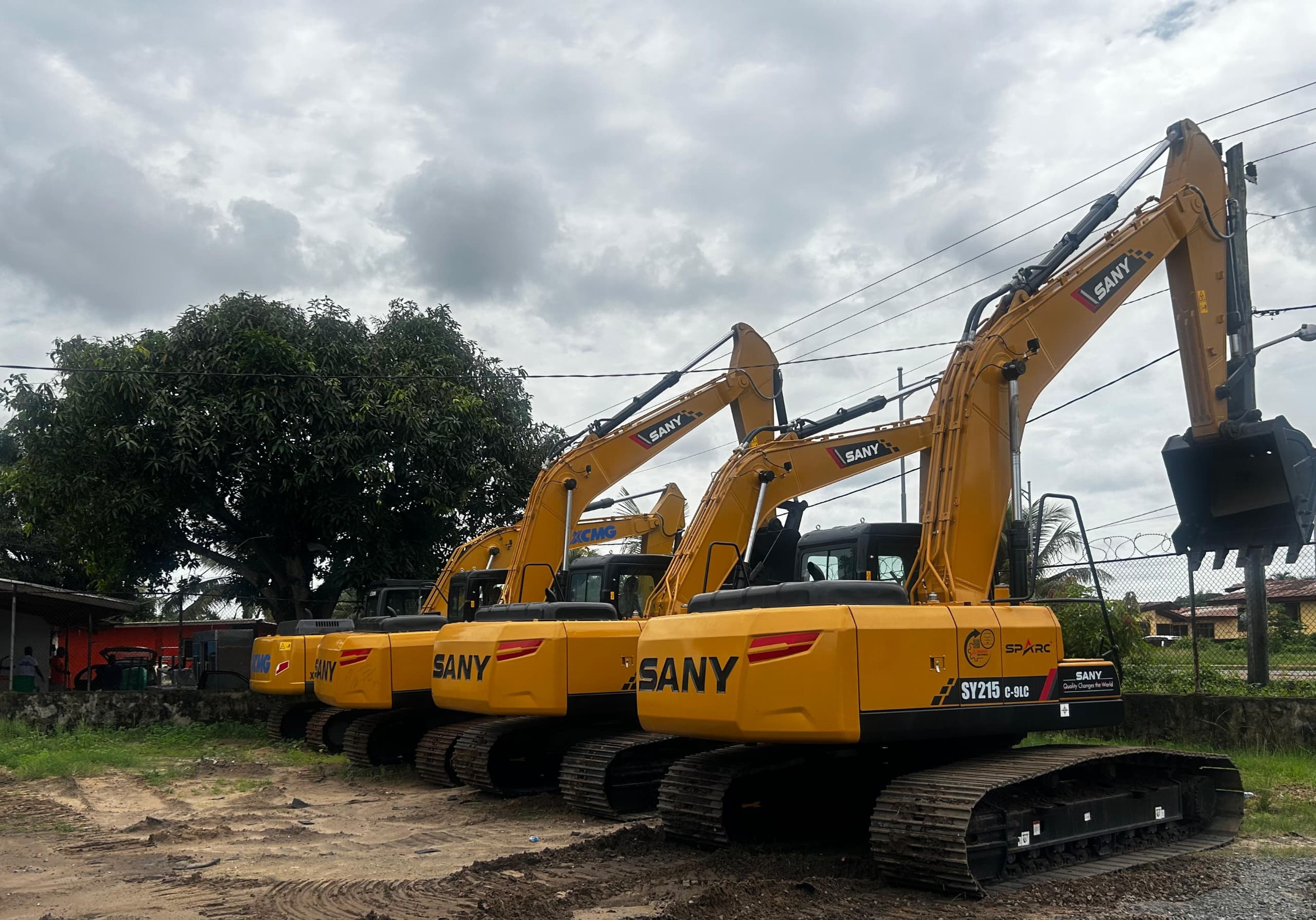
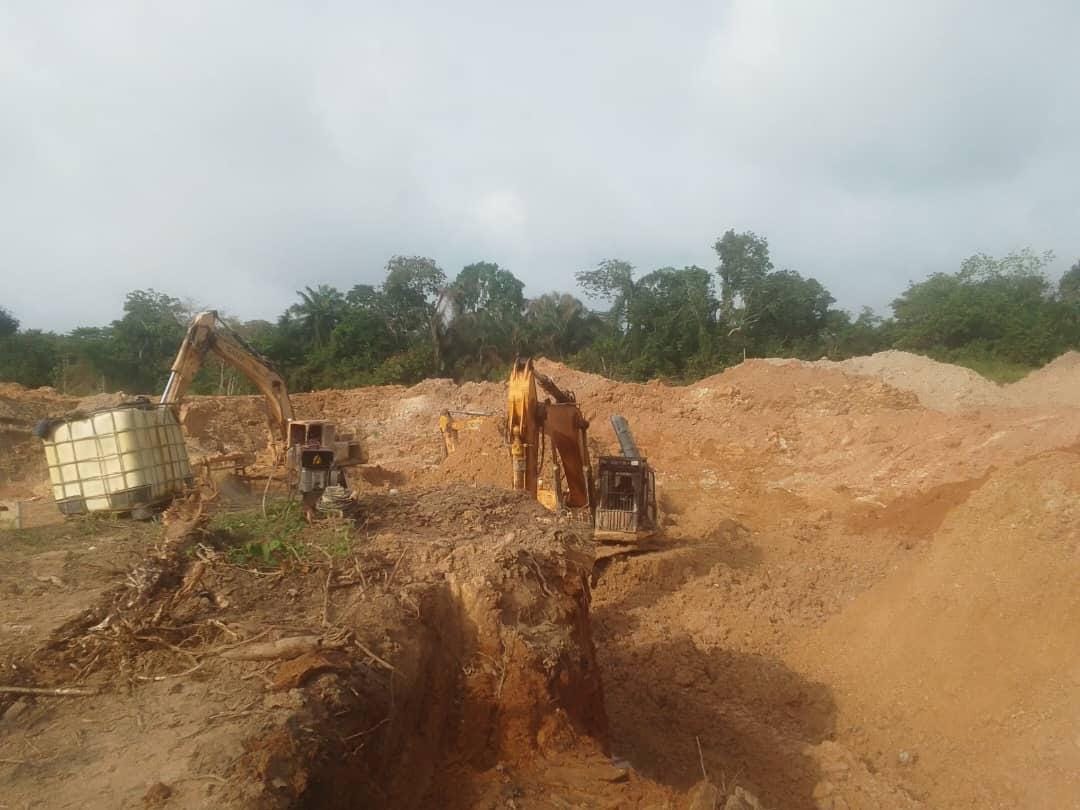
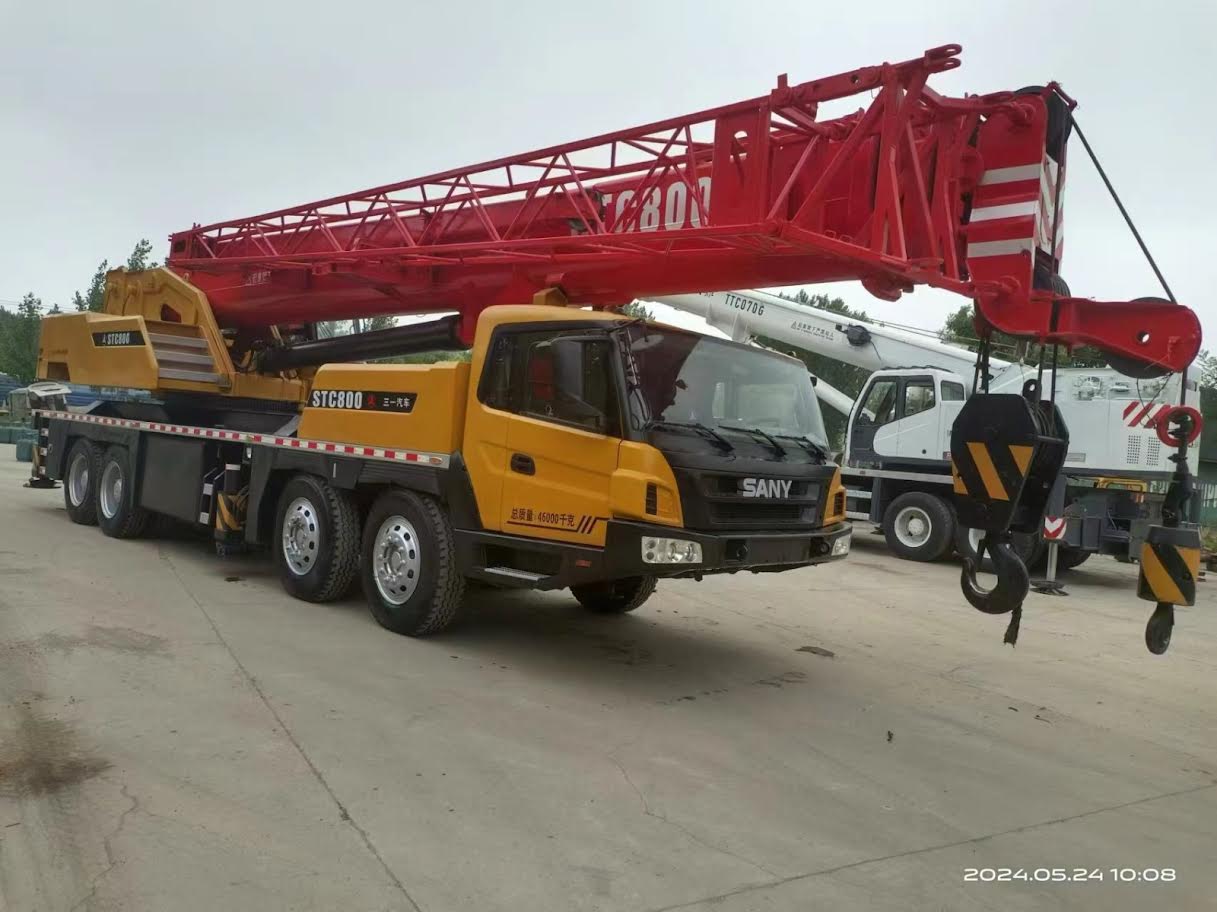
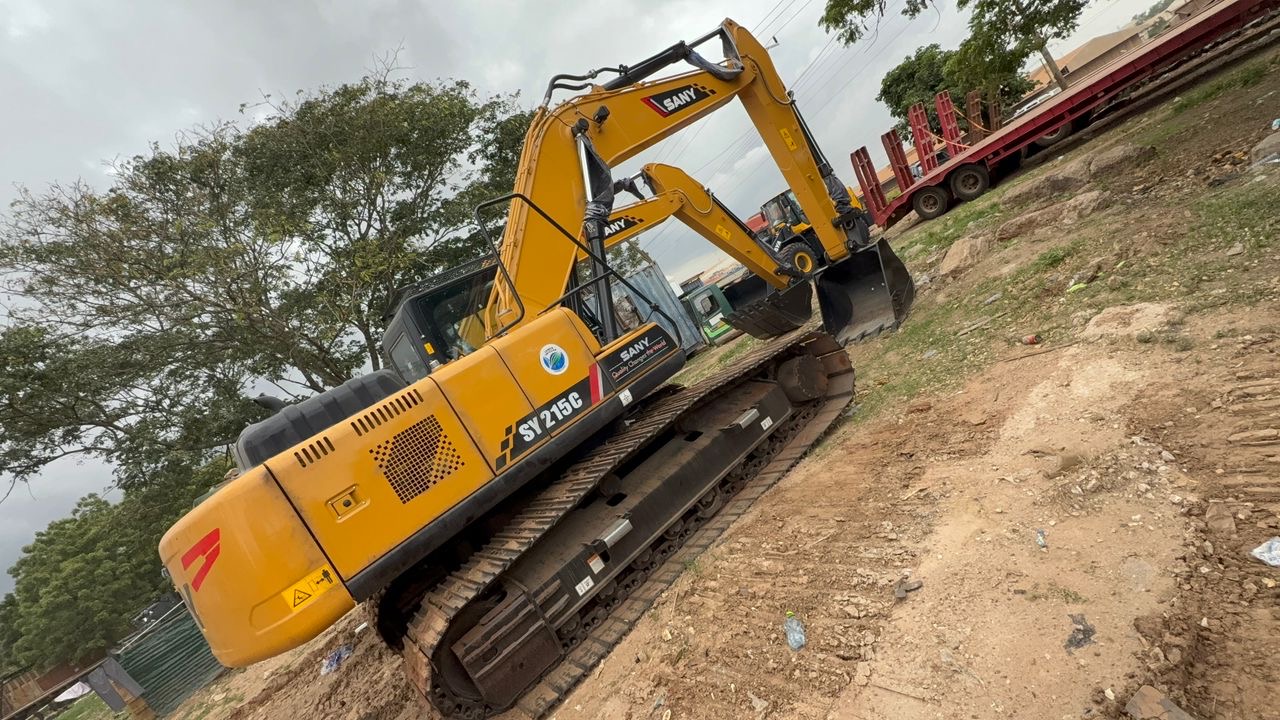
Heavy equipment technicians are responsible for the maintenance and repair of excavators, bulldozers, haul trucks, loaders, cranes, and other machinery used in infrastructure and resource development. As equipment becomes more computerized and electric, businesses are looking for technicians that are knowledgeable in electronics, diagnostics, hydraulics, automation, and software systems.
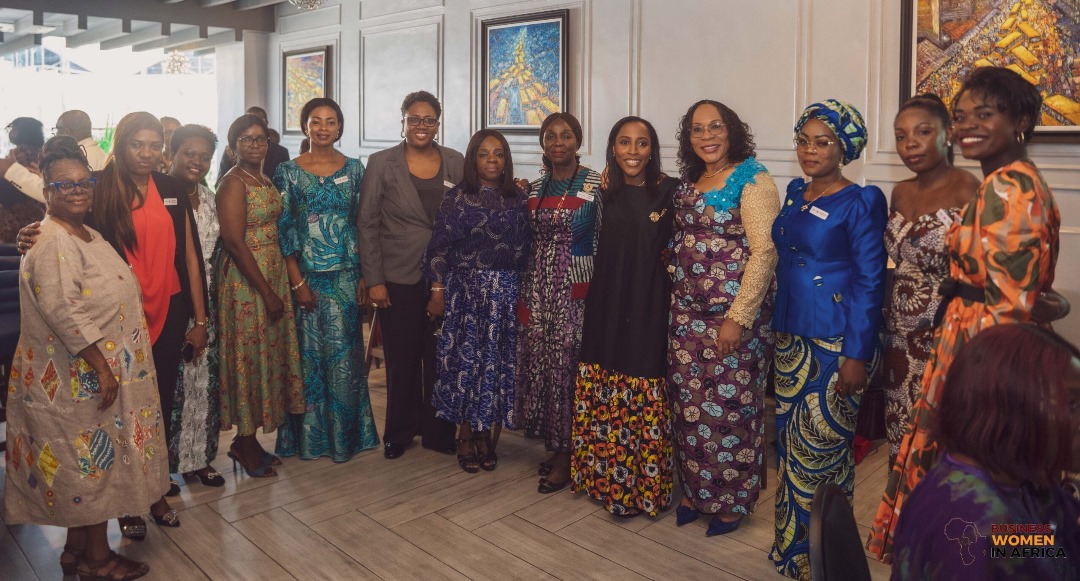
Training programs designed specifically for Francophone women are increasing access through bilingual instruction, apprenticeships, mentorship, and industry connections. Many technical institutions and workforce development groups are also offering financial assistance, childcare, and career mentoring to help women overcome the constraints that have traditionally limited their involvement in skilled trades.
Several reasons contribute to the increased demand for technicians:
The skilled crafts workforce is aging and approaching retirement.
Continued funding for mining, building, and infrastructure projects.
Increasing use of modern equipment that necessitates specialist upkeep.
Expansion of electric and self-driving heavy machinery.
Employers benefit from drawing more women to technician roles because it broadens the available talent pool and supports diversity and inclusion goals. Companies have also reported that diverse maintenance teams can boost workplace culture, problem-solving skills, and employee retention.
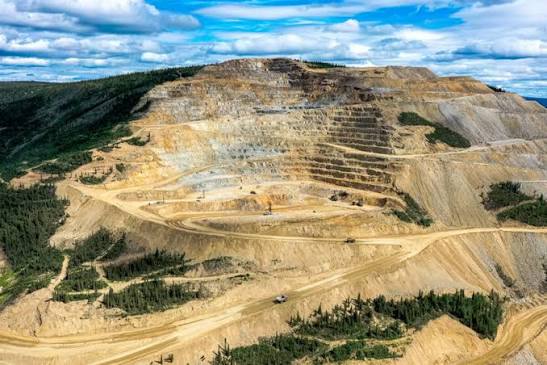
Technician shortages have emerged as a key operational concern, particularly in the mining industry. Equipment downtime can cost thousands of dollars per hour, making professional maintenance workers among the most valued staff on mine sites.
Looking ahead, continuing collaboration among governments, educational institutions, equipment makers, and businesses will be critical to maintaining a pipeline of competent technicians. As more Francophone women participate in apprenticeships and technical programs, the sector expects to gain from a larger, more diversified workforce capable of servicing the next generation of mining and construction equipment.
For investors, these workforce measures represent a good long-term trend. A stronger pipeline of skilled technicians can improve equipment reliability, reduce maintenance bottlenecks, support fleet modernization, and boost productivity in the mining, construction, and infrastructure sectors, ultimately leading to increased operational efficiency and industry competitiveness.