
.Ghana is Africa’s greatest gold producer and the world’s sixth-largest, thanks to a stable government, a well-established mining code, and geology that includes the rich Birimian and Tarkwaian gold belts. Opportunities abound throughout the value chain, ranging from direct mining ownership to technology, services, and financing. The following is a structured review of the terrain, opportunities, and how to enter the market.
- Legal & Regulatory Framework Primary Legislation
Minerals and Mining Act, 2006 (Act 703) as amended by Act 995 (2019) and Act 900.
Minerals Commission is the main regulatory body.
Types of Mineral Rights
Right Purpose Term Who Can Hold Reconnaissance Licence Regional data gathering Up to 12 months Ghanaian or foreign company Prospecting Licence Exploration (drilling, sampling) Up to 3 years, renewable Ghanaian or foreign company Mining Lease Large-scale extraction Up to 30 years, renewable Ghanaian or foreign company (must demonstrate financial and technical capability) Small-Scale Mining Licence Artisanal/small-scale (area ≤25 acres) Up to 5 years, renewable Exclusively for Ghanaian citizens (foreigners cannot hold a licence, but can provide services, finance, equipment, or buy gold from licensees) Key Ownership Rules
State free carried interest: 10% in all large-scale mining ventures.
Government option to acquire further 20%: on negotiated commercial terms.
Mandatory listing: Mining lease holders must list at least 20% of their equity on the Ghana Stock Exchange after commencement of production (implementation has been inconsistent; engage legal counsel early).
Local content: Mining (Local Content and Local Participation) Regulations, 2020 (L.I. 2431) require preference for Ghanaian goods, services, employment, and a local procurement plan.
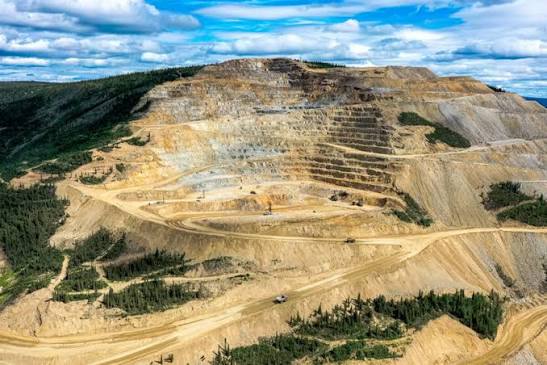
- Core Investment Opportunities A. Large-Scale Mining & Exploration Greenfield exploration: Junior companies often hold prospecting licences and seek farm-in partners or outright buyers.
Brownfield acquisitions: Buying distressed or under-capitalised projects (e.g., historic mines needing recapitalisation).
Joint ventures with established operators: Partnerships for near-mine exploration, tailings reprocessing, or satellite deposits.
Listing vehicles: Several Ghana-focused gold companies are listed on the TSX, ASX, AIM, and Johannesburg exchanges, offering equity investment routes.
B. Mine Support Services & Equipment The local content policy creates a captive market for service providers:
Drilling contractors (reverse circulation, diamond core)
Assay and geochemical laboratories
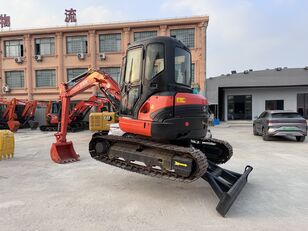
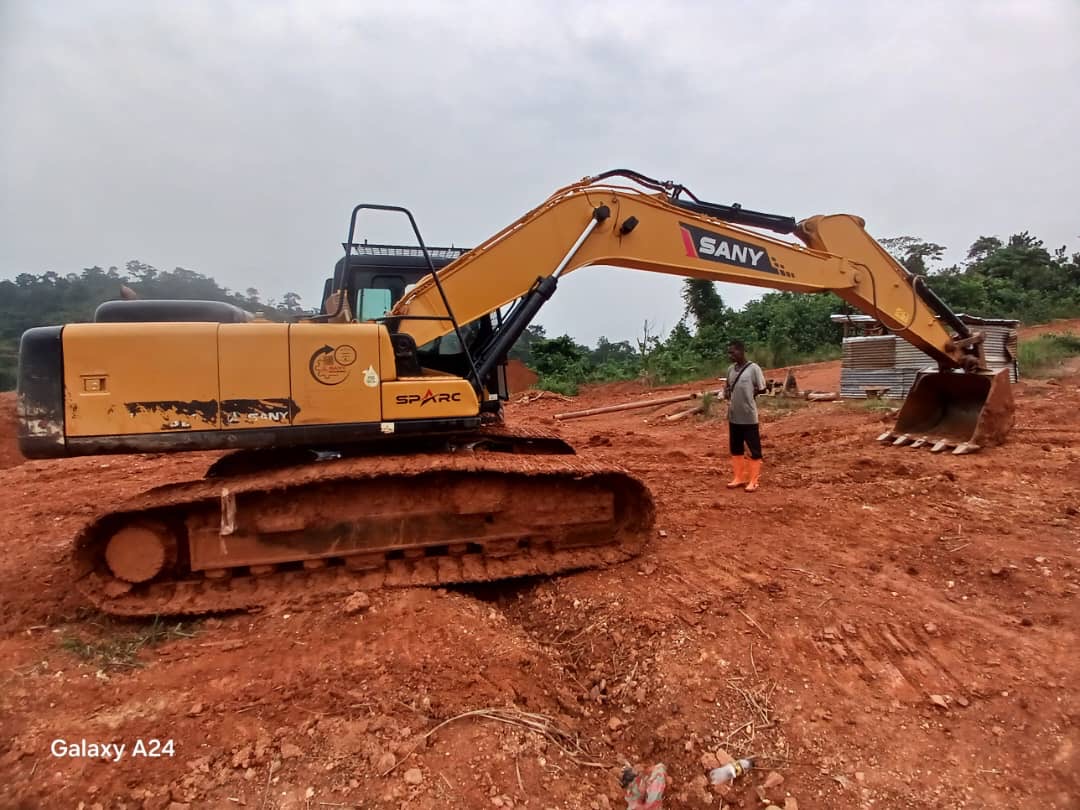
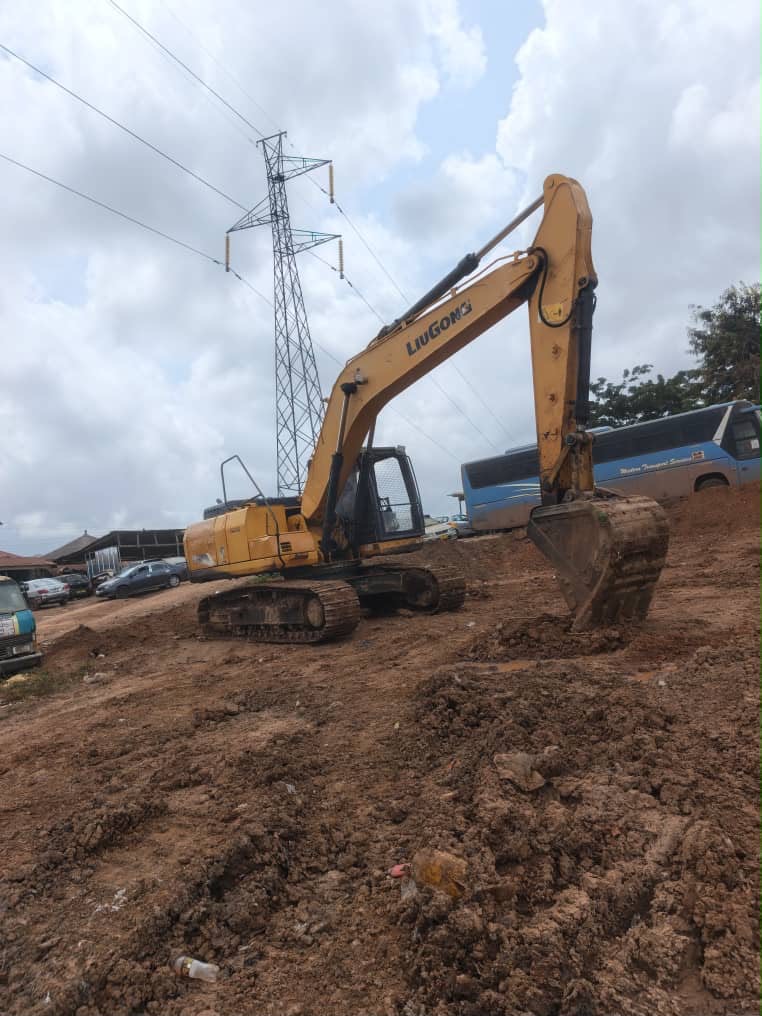
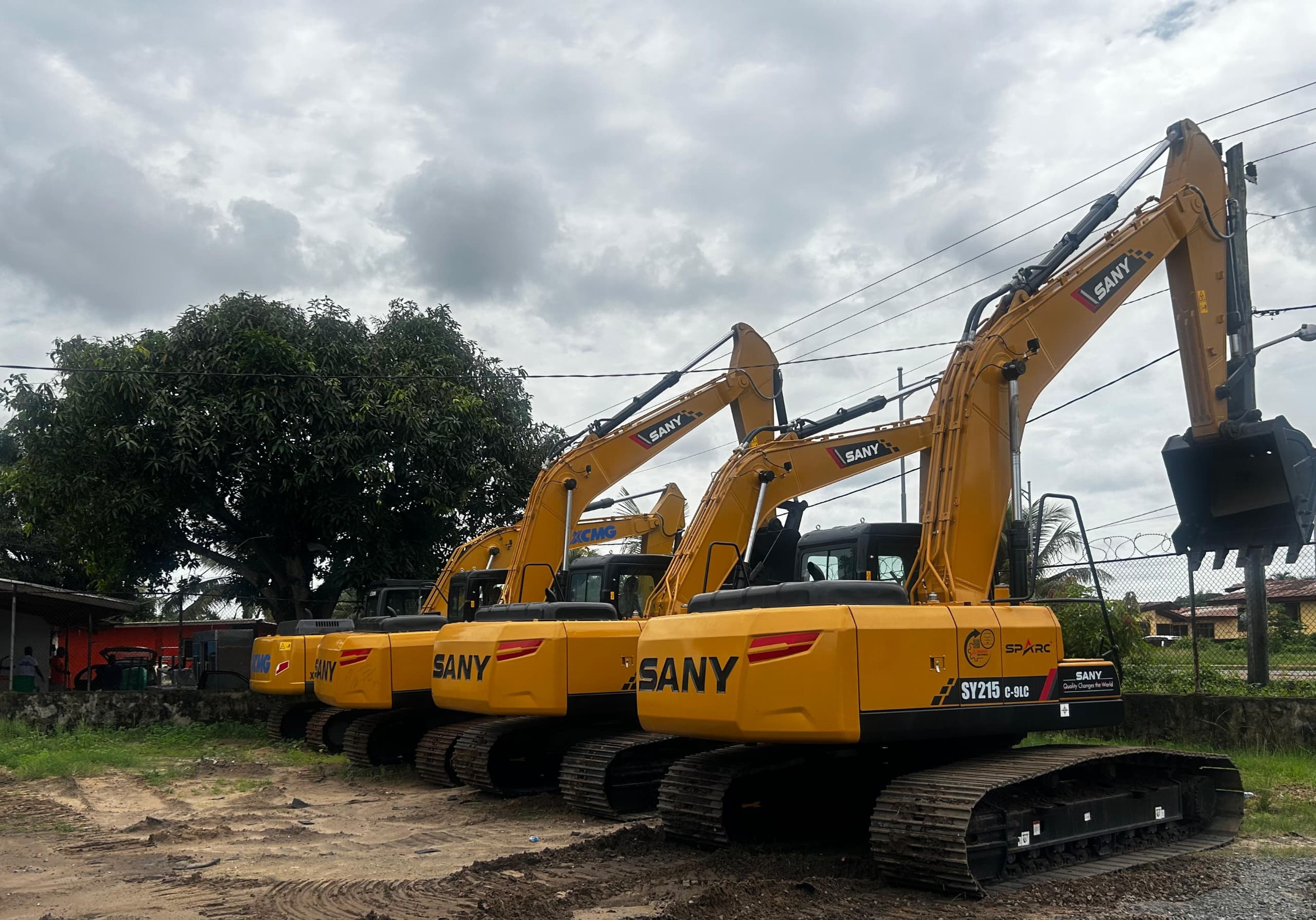
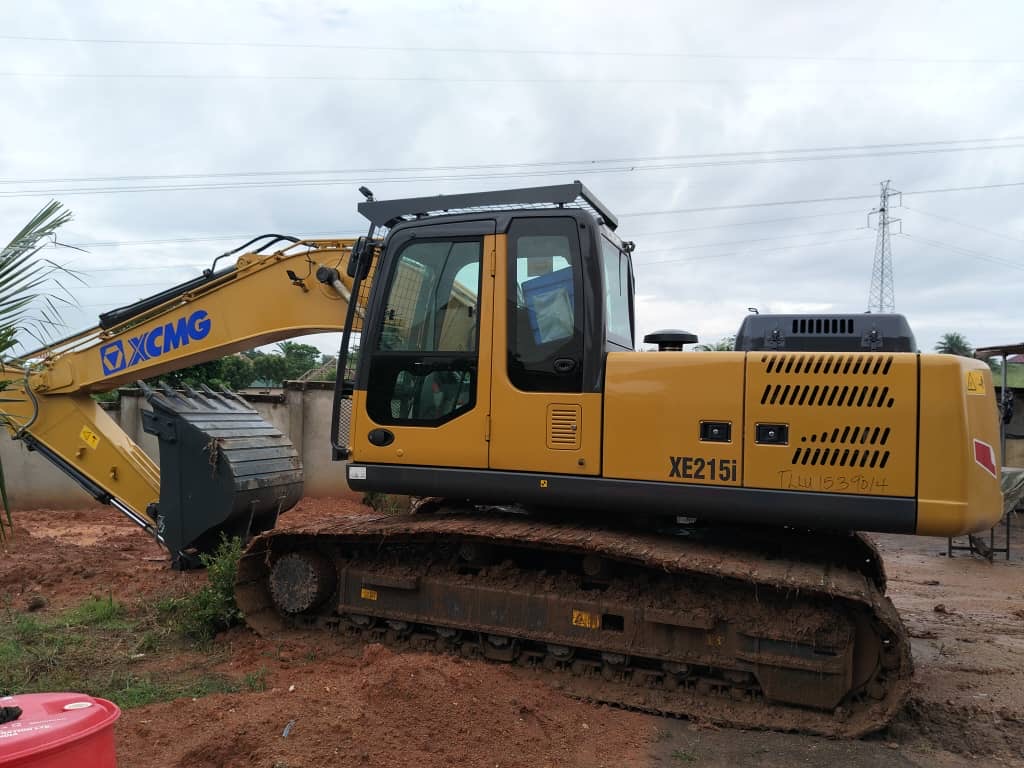
Heavy earth-moving equipment rental and maintenance
Haulage, catering, camp management, security
Explosives supply and management
Engineering, procurement, and construction (EPC) for processing plants and tailings storage facilities
Foreign-owned service companies are permitted, generally structured under the Ghana Investment Promotion Centre (GIPC) Act with minimum foreign capital requirements (typically US$50,000 for services, US$500,000 for trading). No mandatory local equity stake, but local partnerships ease market entry and compliance.
C. Technology, Innovation & Clean Processing Mercury-free gold extraction: Small-scale miners are under pressure to eliminate mercury; there is high demand for affordable centrifugal concentrators, shaking tables, and cyanidation-free systems.
Digital mining: Fleet management, remote sensing, drone surveying, and real-time production monitoring.
Renewable energy for mines: Mines face high electricity costs and unreliable grid supply. Solar hybrid and LNG-to-power solutions are growing.
Water treatment and recycling: Sustainable water management technologies for process and mine dewatering.
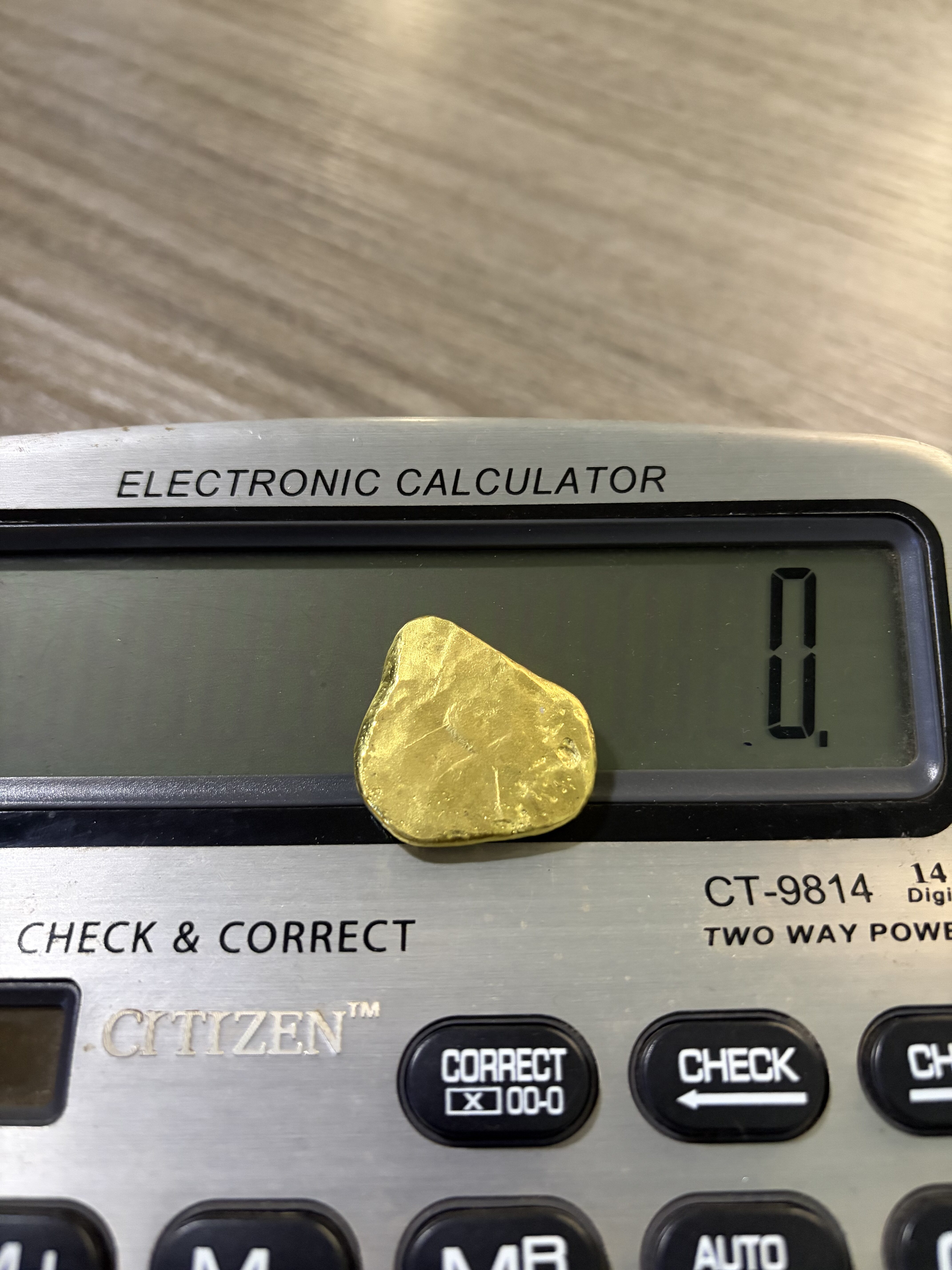
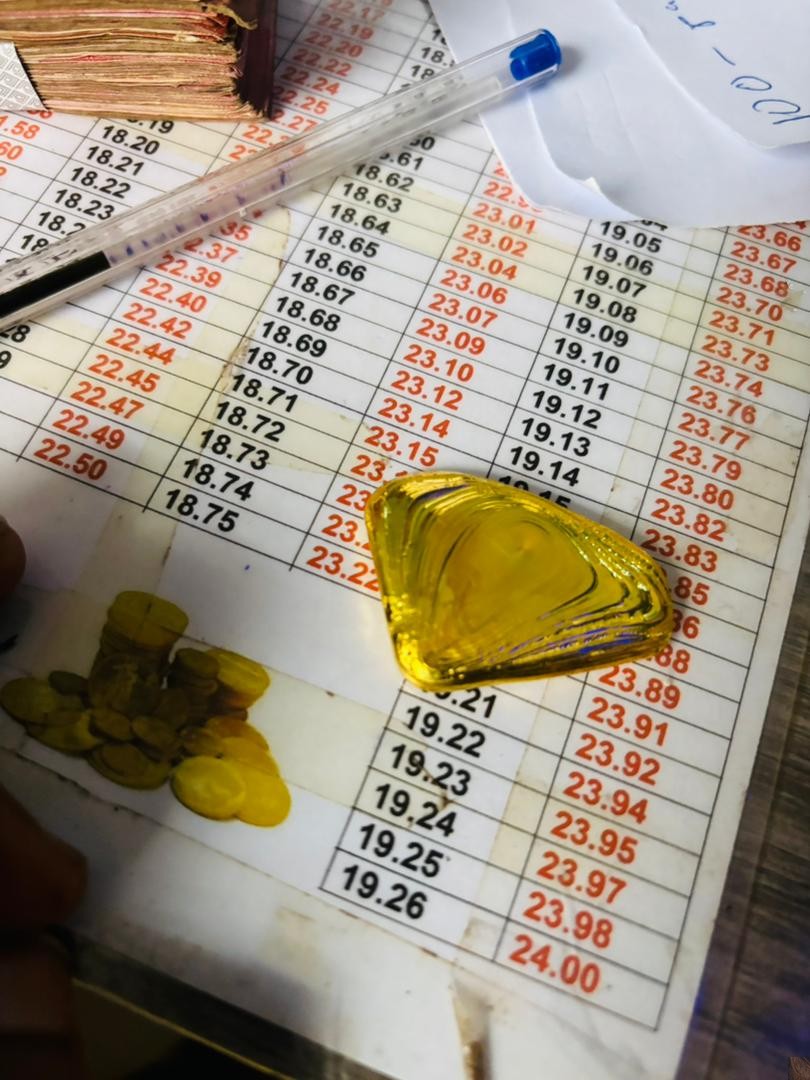
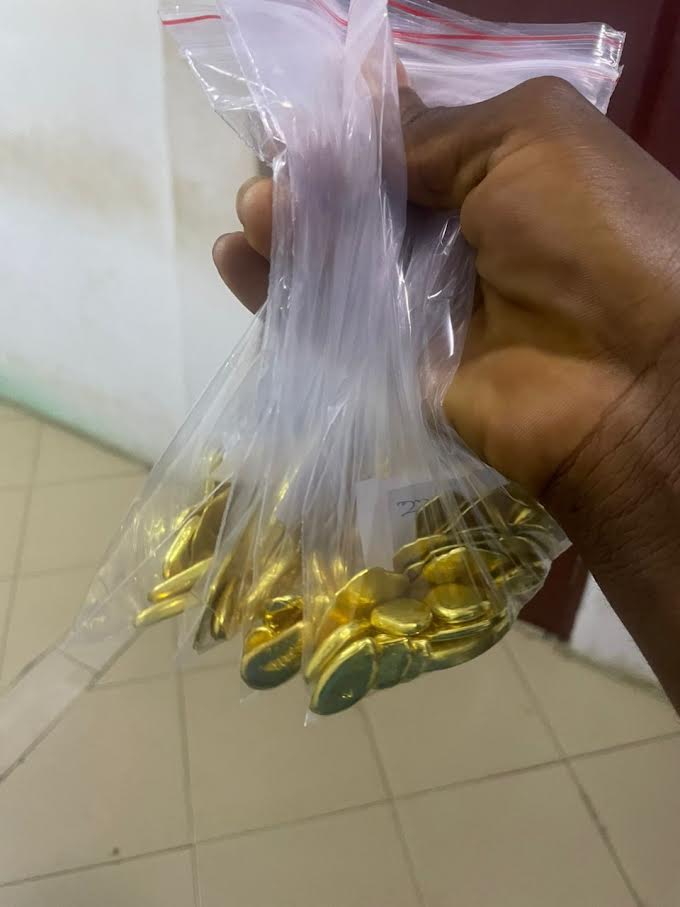
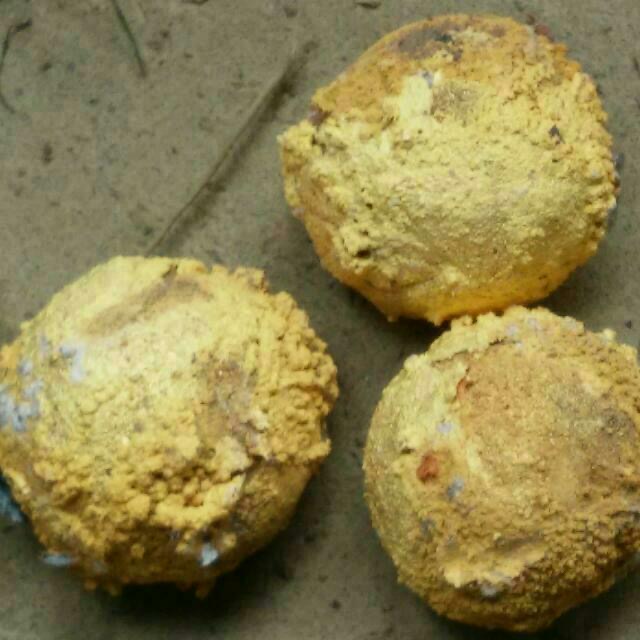
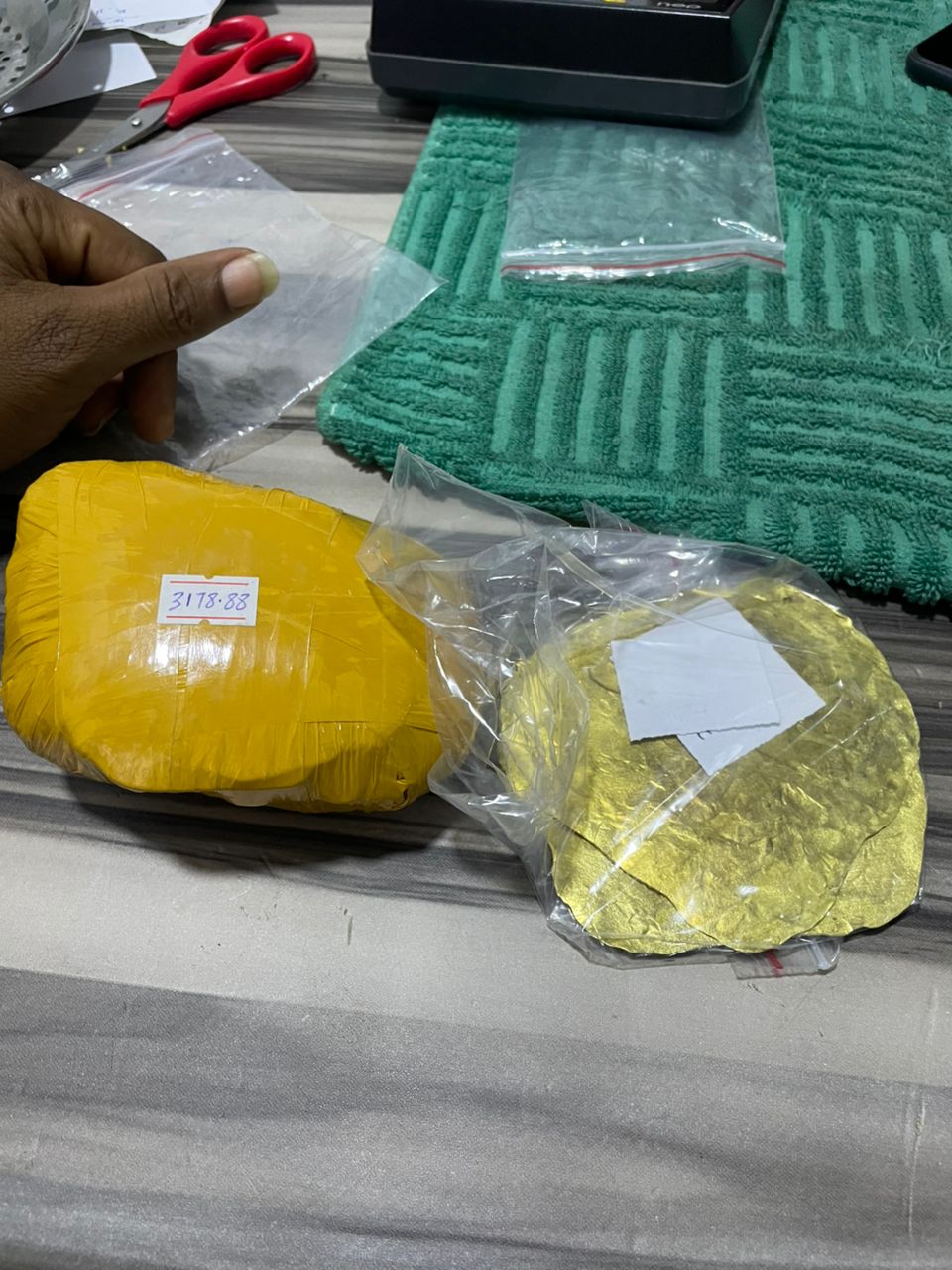
D. Gold Trading & Refining Licensed gold buying: A company can apply to the Minerals Commission for a Licence to Buy and Export Gold. Foreign entities can incorporate a local subsidiary, meet the requirements (office, security, police clearance), and buy gold directly from licensed small-scale miners or aggregators.
Gold refining: Ghana has limited domestic refining capacity. The government encourages private refinery projects; the recent Royal Gold Ghana refinery (a JV with India’s Rosy Royal Minerals) shows the model. Setting up a refinery requires significant capital, a zone-free permit, and EPA approvals.
E. Small-Scale Mining Sector (Indirect Entry) Foreigners cannot own a small-scale licence, but can:
Provide equipment leasing and financing to licensed groups.
Build and operate centralised processing plants (toll milling) that buy ore or process on a fee basis from registered small-scale miners.
Set up gold trading companies that source from small-scale producers.
Offer technical training, mine planning, and rehabilitation services as part of formalisation initiatives (often with donor or NGO partnerships).
F. Financial & Structured Products Streaming and royalty agreements: Advance capital to developers in exchange for a percentage of future gold production at a fixed price.
Off-take and pre-payment finance: Secure future gold supply while providing working capital to producers.
Private equity and debt funds: Several Africa-focused mining funds look for projects in the feasibility-to-construction stage.
- Fiscal Incentives Large-scale mining companies benefit from a relatively stable fiscal regime:
Corporate income tax: 35% (standard, but stability agreements can lock rates).
Capital allowances: 75% of capital expenditure in the first year, 50% declining balance thereafter.
Royalty: 5% of total revenue (payable to the state).
Customs import duty exemptions: For mining machinery, equipment, and spares.
VAT relief: For certain mining inputs and exploration services.
Loss carry forward: Indefinite.
Immigration quota: Generous work permit allocation for expatriate essential staff.
Stability agreements: For investments above a certain threshold (often US$250 million+), terms can be locked for up to 15 years.
- Key Challenges & Risks Illegal mining (galamsey): Encroachment on licensed concessions, environmental damage, community tension, and political sensitivity. A due diligence must assess this risk thoroughly.
Regulatory shifts: Frequent public debate around windfall taxes, renegotiation of stability agreements, and increased state participation. The 2020 amendment introduced a 3% withholding tax on unprocessed gold exports and increased Minerals Commission oversight.
Land and chieftaincy issues: Most minerals land falls under stool/skin or family ownership; crop compensation and resettlement negotiations can be protracted and legally complex.
Community relations: A Community Development Agreement is legally required for mining leases; mismanagement can halt operations.
Infrastructure gaps: In remote areas, roads, water, and grid power may be absent; self-generation and logistics add cost.
Gold smuggling: A significant portion of artisanal gold is smuggled out. Formal buying requires rigorous compliance under the anti-money laundering regime and the Bank of Ghana’s gold export documentation.
- How to Get Started – Practical Steps Incorporate a Ghanaian company (the only vehicle that can hold mineral rights).
Register with the Ghana Investment Promotion Centre (GIPC) if the company is foreign-owned (minimum capital requirements apply, though mining lease applicants may be exempted by the Minerals Commission’s own proof of financial capacity).
Apply to the Minerals Commission for the appropriate mineral right or obtain a licence to buy gold/support services.
Secure a Taxpayer Identification Number (TIN) and register with the Ghana Revenue Authority.
Obtain mandatory permits: Environmental Protection Agency (EPA) environmental permit, Water Use Permit, and, for mining leases, a ratified Community Development Agreement.
Engage experienced local legal, land, and mining consultants to navigate cadastral searches, land ownership verification, and regulatory applications.
Build government and community relationships early; transparent engagement with chiefs, district assemblies, and local stakeholders is often the single greatest determinant of project smoothness.
- Final Thought Ghana’s gold sector is mature but still offers ample entry points for investors who bring patient capital, technical expertise, or innovation—particularly in clean processing, renewable energy, and service provision. The country’s democratic stability and established mining framework reduce some political risks, but success hinges on deep local knowledge, strict compliance, and genuine community engagement. Carrying out a thorough title, cadastral, and social licence due diligence before committing capital is not optional—it is the absolute foundation of a viable investment.