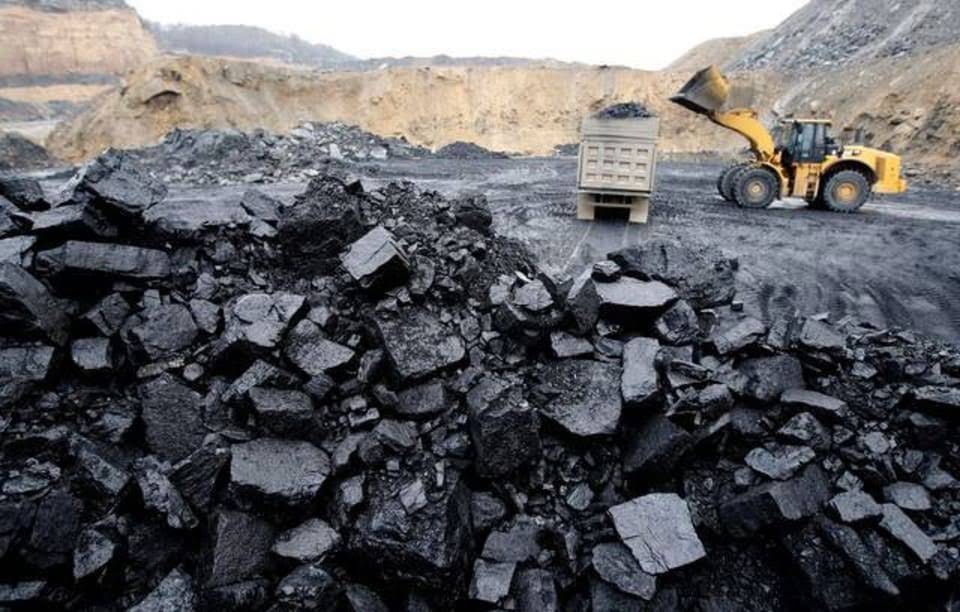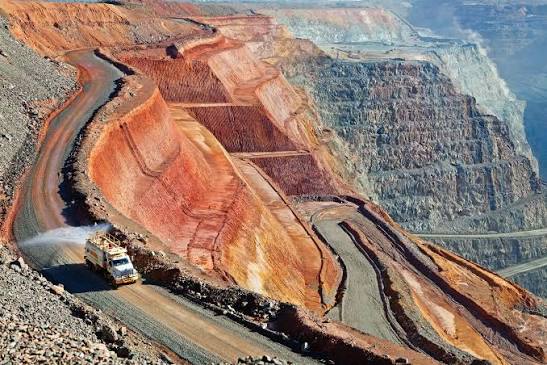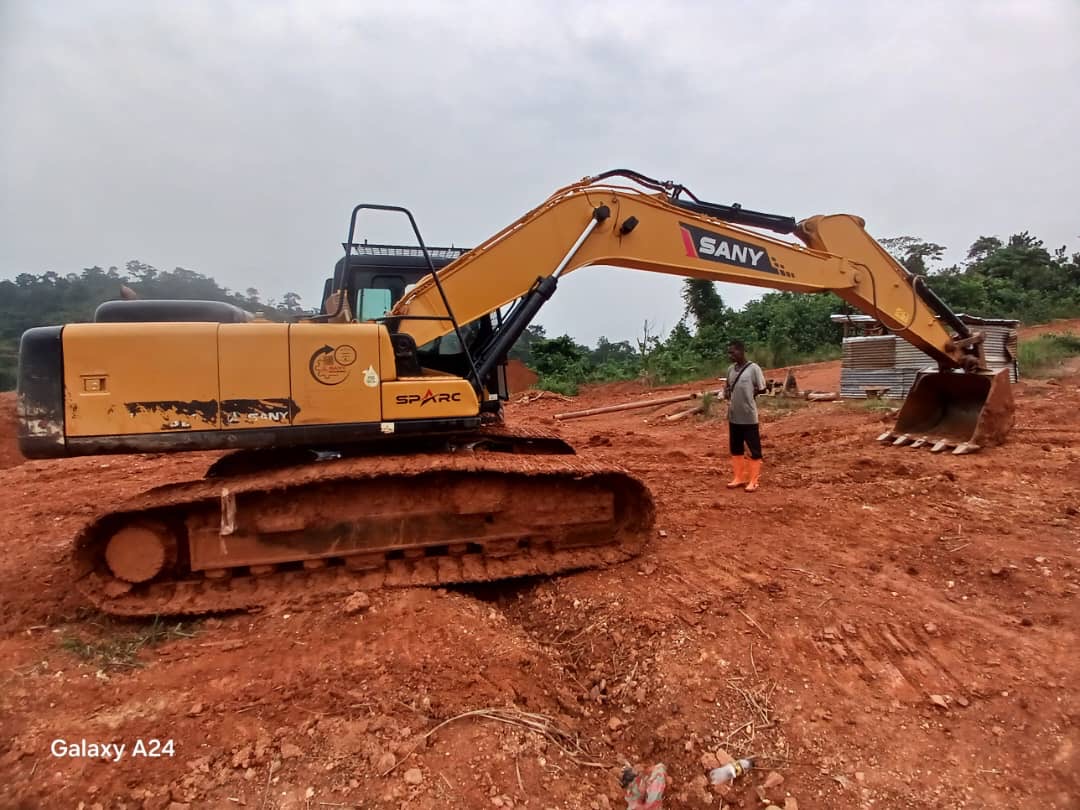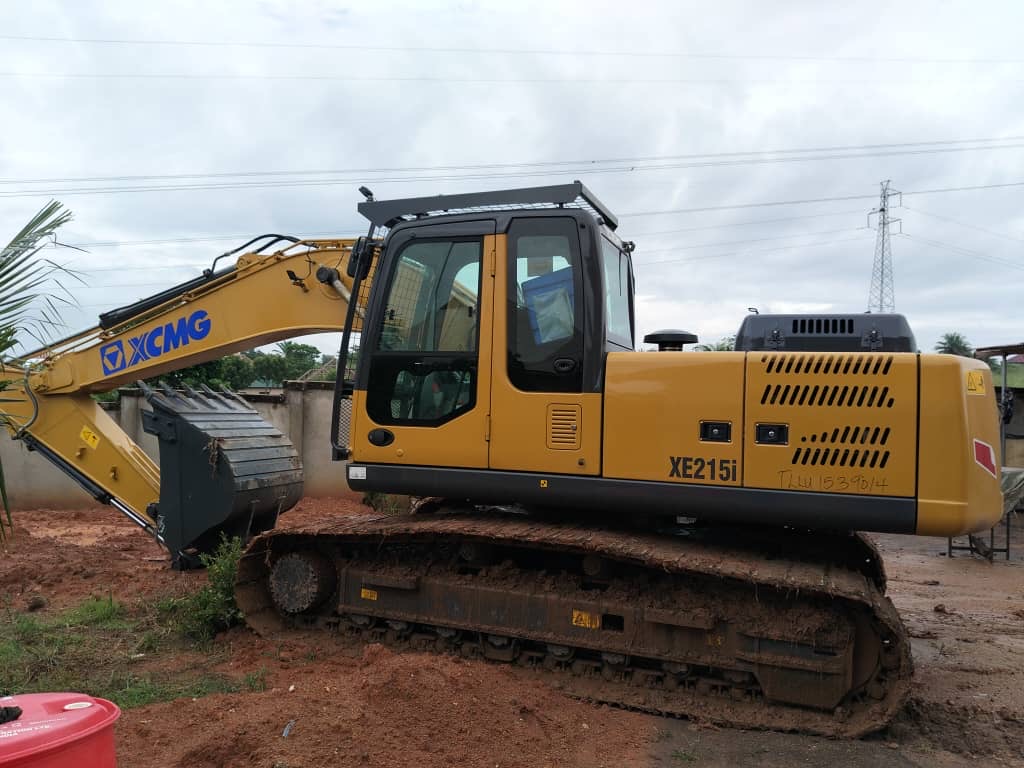

Critical mineral-rich nations want more sovereignty over their natural resources as the world moves faster toward clean energy. Global supply chains for minerals including lithium, copper, nickel, cobalt, graphite, and rare earth elements are being altered by this phenomenon, which is referred to as resource nationalism. Governments seek to bolster national interests and optimize economic gains, but mining businesses and investors must contend with growing political and regulatory unpredictability.
Resource Nationalism: What Is It?
Policies that give the state more authority over natural resources are referred to as resource nationalism. These actions could consist of:
raising taxes and royalties related to mining.
requiring more state equity or local ownership in mining projects.
limiting raw mineral exports.
requiring value addition and local processing.
renegotiating contracts for mining.
establishing mining companies under governmental ownership.
As key minerals become strategically important in sophisticated manufacturing, renewable energy, electric vehicles, and defense technology, these rules are becoming more prevalent.
Why Is Resource Nationalism Growing?
The trend is being driven by several factors:
- Increasing Demand Worldwide
Wind turbines, solar panels, electric cars, and battery storage are all contributing to the sharp increase in demand for essential minerals. A greater portion of the economic value produced by these industries is desired by resource-rich nations.
- Security of Energy
Governments understand that the strategic importance of controlling vital mineral supply has surpassed that of oil and gas.
- Development of the Economy
By establishing domestic manufacturing, processing, and refining sectors that boost employment and tax income, many producing nations aim to go beyond exporting raw ore.
- Pressure from politics
More and more people are expecting governments to make sure that local populations, not just foreign companies, profit from resource wealth.
Important Dangers for Investors and Mining Companies
Uncertainty in Regulation
Project economics and investment choices can be greatly impacted by abrupt changes to mining regulations, royalty rates, or licensing requirements.
Increased Operating Expenses
Export limitations, higher taxes, and local content regulations may lower profitability while raising compliance expenses.
Project Postponements
Project construction may be delayed by government approvals, contract renegotiations, and evolving social or environmental constraints.
Disruptions in the Supply Chain


Global supply chains may be disrupted by export restrictions or quotas, especially for battery producers and tech firms.
Financing Difficulties
Financing expenses are frequently increased by political risk because lenders require larger returns or more robust assurances.
Possibilities Produced by Resource Nationalism
Resource nationalism can lead to important opportunities despite its drawbacks.
Increased Domestic Processing
Investment opportunities in smelters, refineries, battery materials, and downstream manufacturing are created by nations that support domestic refining.
Development of Infrastructure
In order to assist native resource industries and promote wider economic development, governments frequently invest in ports, roads, railroads, and power infrastructure.
Strategic Alliances
To better align interests and increase project stability, mining companies are increasingly forming joint ventures with state-owned enterprises, local businesses, and municipalities.
Leadership in ESG
Strong environmental, social, and governance (ESG) performance puts businesses in a stronger position to negotiate long-term partnerships, maintain community support, and obtain licenses.
Nations at the forefront of resource nationalism
A number of resource-rich countries have implemented strategies to increase the value of vital minerals.
Country of Interest: IndonesiaZimbabwe’s internal processing and export limitations on nickelLimitations on the export of raw lithium
Increased state involvement in the development of lithium in Chile
Mexico’s government has more authority over its lithium resources.
Namibia’s policies that support regional mineral beneficiation
The Democratic Republic of the Congo’s initiatives to increase domestic copper and cobalt processing have implications for international supply chains.
In an effort to lower geopolitical risks, producers of batteries, electric cars, and renewable energy equipment are diversifying their sources of supply. Numerous businesses are:
making direct investments in mining operations.
obtaining long-term contracts for supplies.
increasing key mineral recycling.
investigating different battery chemistries that lessen reliance on rare materials.
spreading out the sourcing over several nations.
Outlook
Over the next ten years, resource nationalism is probably going to continue to be a distinguishing characteristic of the critical minerals industry. While investors will favor jurisdictions that provide a balance between stable regulation and favorable investment conditions, governments will continue to pursue higher economic returns and strategic control over mineral resources.
Businesses will be better equipped to handle this changing environment if they establish solid alliances with host governments, make investments in local value creation, uphold strict ESG standards, and diversify their supply chains.
In conclusion
Resource nationalism offers opportunities as well as difficulties. It promotes local industrialization, infrastructure development, and a more equitable distribution of mineral income, but it can also raise expenses, regulatory complexity, and political risk for mining firms. A safe, sustainable, and resilient global supply of the materials supporting the energy transition will depend on striking a balance between investor trust and national interests as the demand for vital minerals keeps rising.