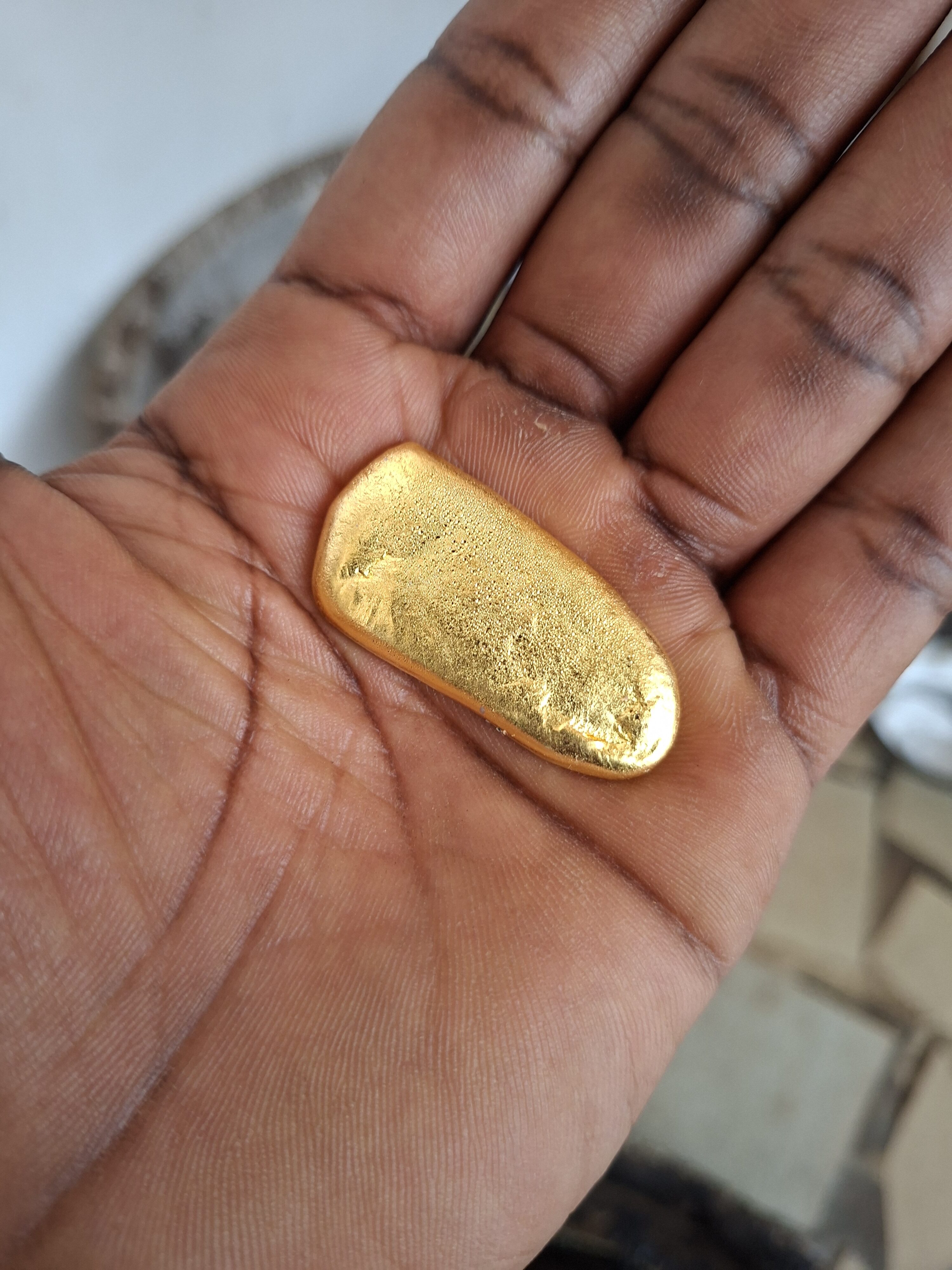

India’s connection with gold is undergoing tremendous changes. While gold is firmly ingrained in Indian culture and customs, changing consumer preferences, rising costs, digital innovation, and shifting investment possibilities are redefining how Indians acquire, own, and invest in it.
Gold remains a cultural cornerstone.
Weddings, celebrations like Diwali and Akshaya Tritiya, and the notion that gold represents prosperity, wealth, and financial stability all drive demand in India, making it one of the world’s major gold consumers. Families continue to regard gold as an heirloom passed down through generations.
Despite these long-standing traditions, today’s shoppers are making better informed judgments than in the past.
High prices are changing purchasing habits.
Record-high gold prices have prompted customers to reconsider their purchases.
Instead of purchasing big amounts of jewellery, many households are:
Purchasing lightweight jewelry with trendy designs.
Instead of purchasing new jewelry, exchange old pieces for new ones.
Delay non-essential gold purchases until prices settle.
Purchasing gold in smaller amounts using monthly savings plans.
This move enables customers to maintain cultural customs while also managing household expenses.
Investment is becoming just as important as ornamentation.
Historically, jewelry was responsible for the majority of India’s gold demand. Currently, investment demand is gradually expanding.
More investors are using gold as a portfolio diversifier to defend against
Inflation, currency depreciation
Stock market volatility
Global geopolitical uncertainty.
This trend has increased the demand for gold bars, coins, and financial gold products, in addition to conventional jewelry.
Younger Consumers are Redefining Gold Ownership.
Millennials and Generation Z are approaching gold differently than earlier generations.
Instead of purchasing heavy bridal jewelry, younger customers frequently prefer:
Minimalist jewelry that can be worn every day.
Certified gold items at transparent prices.
Digital gold investments.
Gold ETFs and mutual funds.
Flexible investing plans allow for small, frequent purchases.
Convenience, liquidity, and investment returns are becoming increasingly important in purchase decisions.


Organized Retail is gaining market share.
The Indian jewelry market is getting more organized as buyers seek:
Gold is hallmarked and certified to be pure.
Pricing is transparent.
Branded jewelry.
Improved resale and exchange policies.
Financing and installment payment options.
This transition benefits established jewelry retailers while decreasing reliance on disorganized local markets.
Technology Is Modernizing Gold Purchases.
Digital platforms have made it easier than ever to buy in gold.
Customers can now:
Purchase fractional amounts of gold online.
Monitor live prices.
Keep digital gold protected.
Convert your digital holdings into actual gold.
Invest in mobile applications with less capital.
Technology is enabling younger investors to view gold as a financial asset rather than just a physical possession.
Recycling is becoming a significant source of supply.
Higher prices have prompted consumers to monetize their existing gold holdings.
Jewelry recycling and exchange programs are becoming more popular among customers.
Sell vintage ornaments at attractive prices.
Upgrade your jewelry through exchange programs.
Unlock the value of idle gold assets.
Recycling also helps India minimize its reliance on imported gold.
Rural Demand Faces New Challenges
Rural India is still a primary driver of gold demand, but purchasing patterns are increasingly influenced by:
Agricultural income
Monsoon performance.
Government support schemes
Rural employment levels
When farm incomes rise, rural gold purchases often increase.
What Does This Mean for Investors?
India’s expanding gold market offers opportunities throughout the entire chain:
Jewelry businesses profit from formalization and branding.
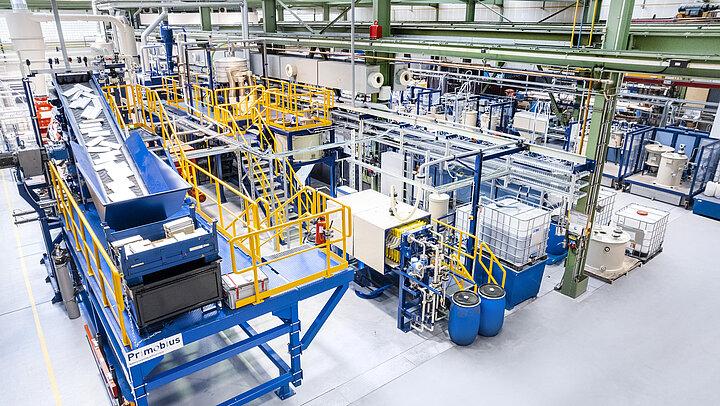
Gold refiners and recyclers benefit from increased recycling volumes.
Digital gold and fintech platforms can benefit from increased internet adoption.
Gold-backed investment products may attract more youthful investors.
While demand varies with prices and economic conditions, India’s long-term preference for gold remains high.
Outlook
The gold fever in India is not going away; rather, it is developing. Cultural traditions continue to drive long-term demand, but consumers are becoming more price-conscious, investment-minded, and digitally aware. As technology, organized retail, and financial goods transform the market, gold is increasingly regarded as both a prized possession and a strategic financial investment. This trend is expected to keep India as one of the world’s most prominent gold markets for the foreseeable future.