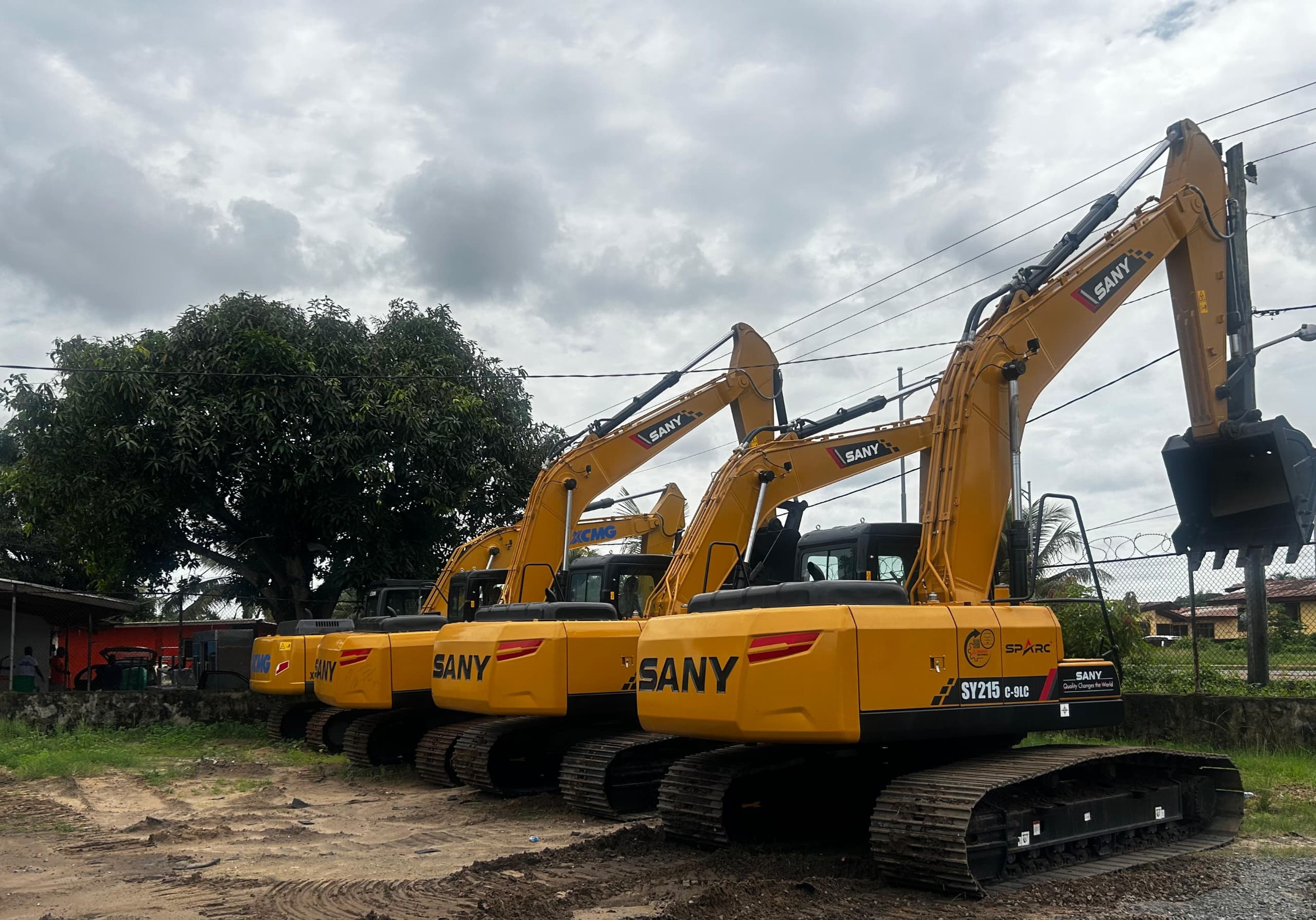

Investing in an excavator rental business in Ghana presents a big opportunity due to the country’s infrastructural and mining market expansion. However, it necessitates large capital and meticulous adherence to specific rules.
Here’s a complete guide to evaluating this investment.
- Market Overview: A Highly Demanded Sector The market for excavator rentals in Ghana is substantial and expanding, driven by two primary sectors:
Infrastructure and Construction: Ghana is rapidly urbanizing and developing, with major road, real estate, and commercial projects. This generates continual demand for heavy equipment such as excavators.
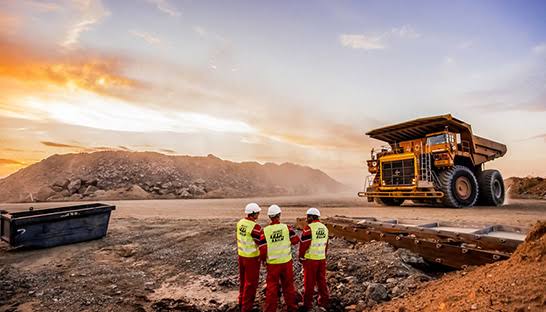
Mining: The mining industry is an important part of Ghana’s economy. While large-scale mines own its equipment, there is a sizable and expanding market for small and medium-sized mining enterprises. These operators sometimes suffer budgetary limits when purchasing expensive machinery, making them perfect candidates for rental services.
Key Demand Drivers:
Major Mining Projects: Companies such as Ghana Bauxite Company are spending substantially in new excavators and other machinery to increase production.
High Import Volume: Ghana has a large market for excavators. In 2023 alone, the country spent $205 million on excavator imports, demonstrating the market’s size.
- Investment Factors: Key to Success A. Capital Requirements and Cost This is a capital-intensive company. Here’s the breakdown of prospective costs:
Company Registration (For Foreigners): A totally foreign-owned company in Ghana requires a minimum capital of $500,000**. This capital could take the shape of cash, machines, or other assets. If you start a joint venture with a Ghanaian partner who owns at least 10% of the shares, the minimum capital is **$200,000.
Equipment Acquisition:
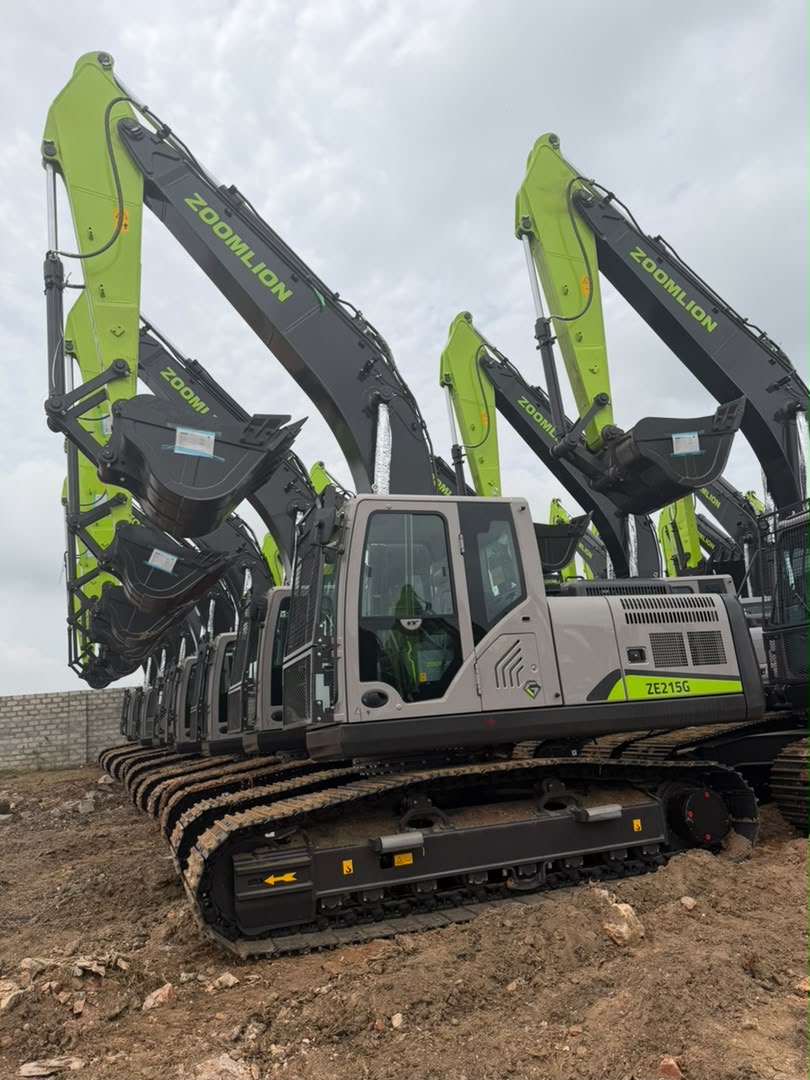
New excavators can cost anywhere from $100,000 to $200,000 or more, depending on model and size.
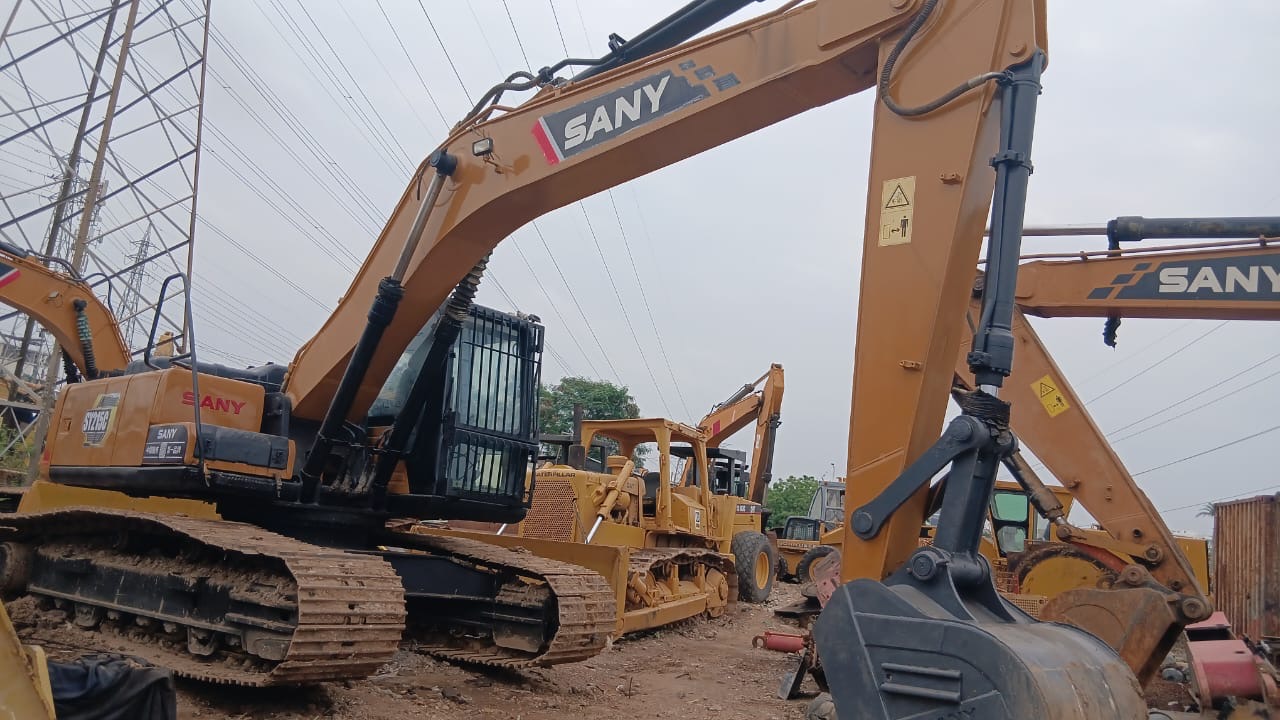
Used excavators provide a more cost-effective entrance point. A used Sany crawler excavator, for example, may be purchased for approximately $36,989. Used equipment is a common choice among Ghana’s SMEs.
A Sample Investment Breakdown: A private investment proposal seeking partners for an excavator rental business provides a reasonable benchmark for a fleet of 5-10 units.
Item: Estimated Cost (USD) Purchase of excavators (5-10 units): $400,000. Logistics & Import Duties: $50,000 Initial Maintenance and Spare Parts: $30,000 Operational setup costs $20,000. Total initial investment: $500,000. Source: DealStream Partnership Proposal.
B. Regulatory and Legal Framework. firm Registration: You must register your firm with both the Registrar-General’s Department and the Ghana Investment Promotion Centre. The process could take several weeks. It is strongly advised to contact a local lawyer to help with this process.
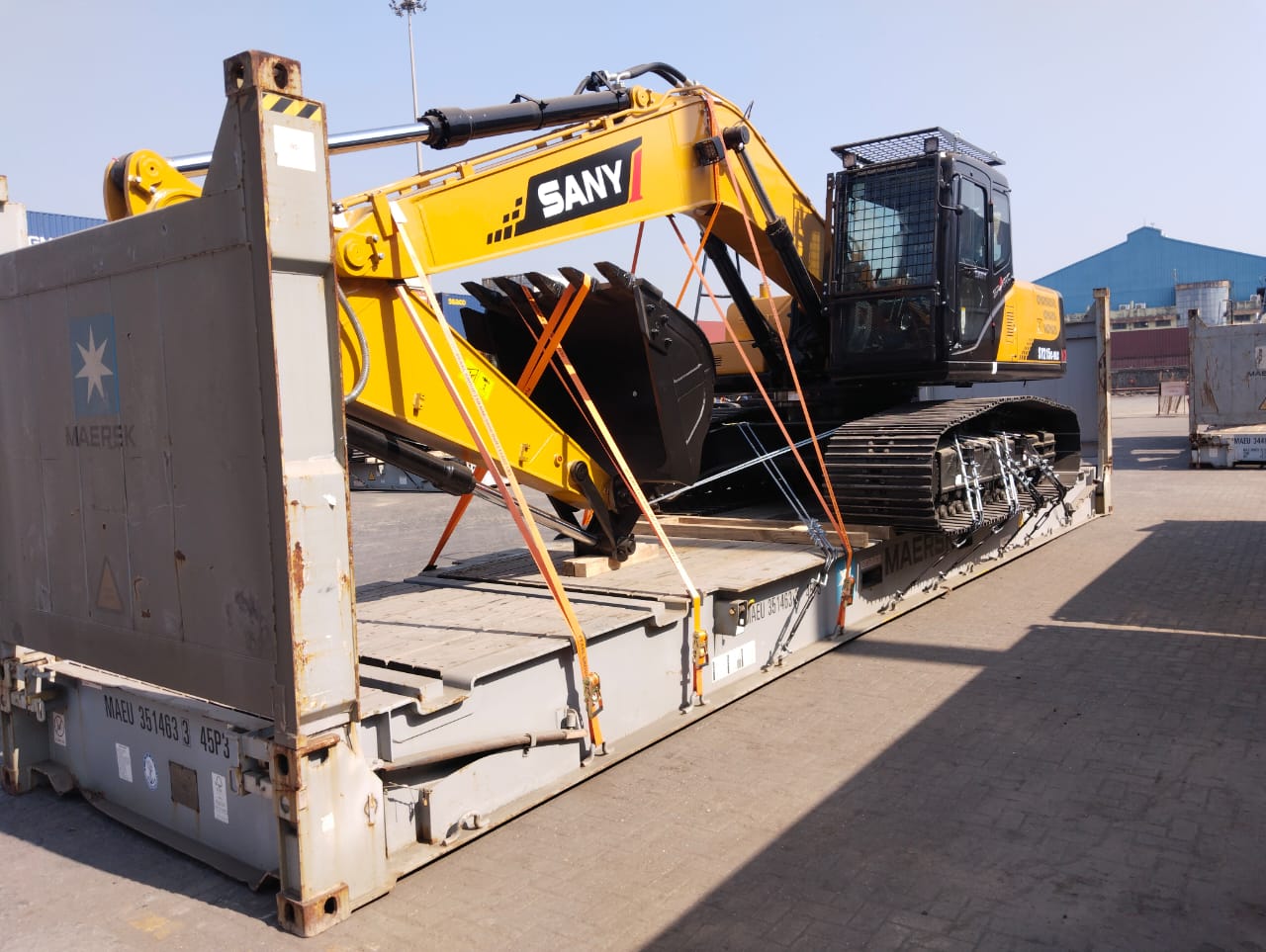
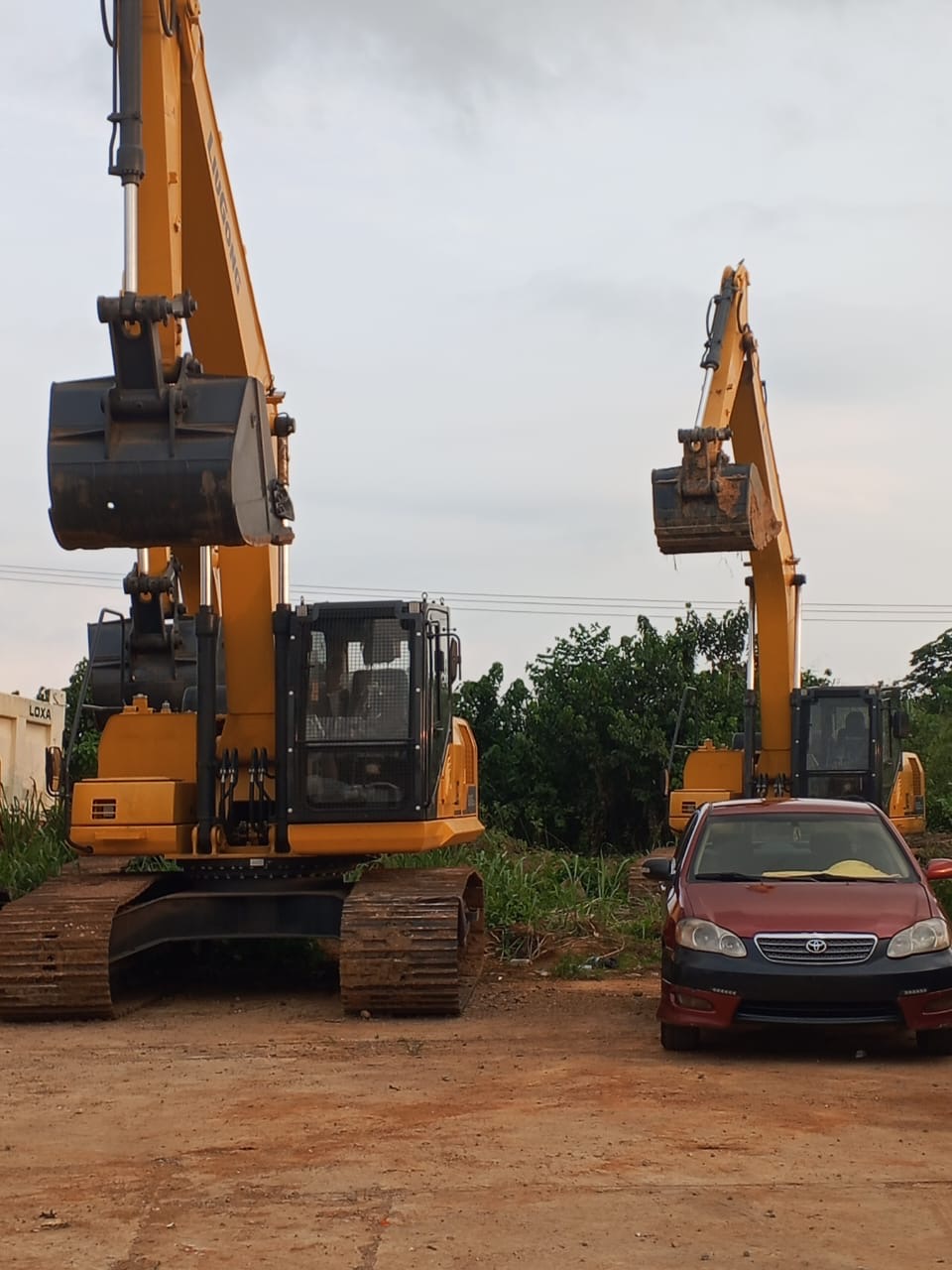
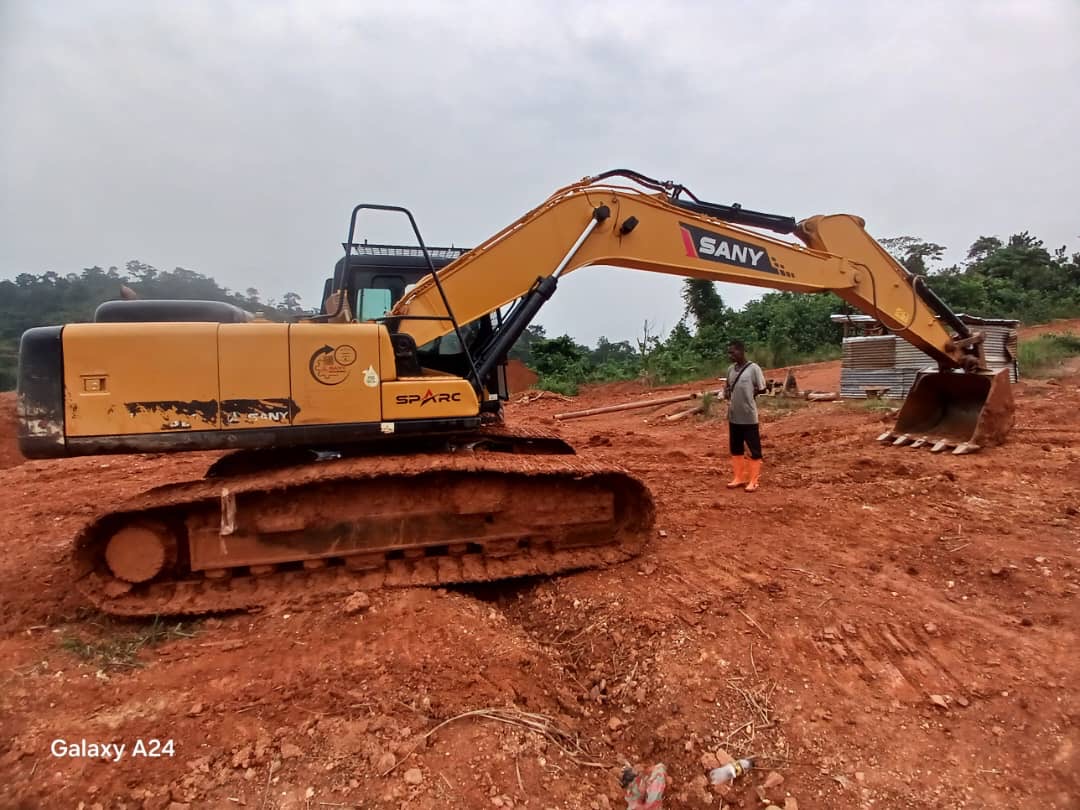
Excavators are subject to customs taxes when imported. Rates normally range from 5% to 20%, depending on the age, nature, and classification of the machinery.
Taxes: Prepare to pay a 12.5% VAT on imports and other economic activities.”No Permit, No Excavator” strategy: The Ghanaian government has developed a stringent strategy to prevent unlawful mining. All excavators imported into the nation must have a valid permission, and their operation is monitored. This regulation is important to understand because it might cause delays and demands careful adherence.
C. Financial projections and profitability. Rental rates:
An excavator’s daily rental charge might range from $400 to $600 or more.
Monthly rental revenue per excavator might range from $12,000 to $18,000.
Potential Returns: A 5-excavator fleet might generate between $60,000 and $90,000 in monthly revenue.
Profitability: While leasing rates are high, profitability is determined by utilization rate (keeping machinery operational). A proposal based on a 60% utilization rate predicted a $360,000 profit in the first year on $720,000 in revenue, implying a potential Return on Investment (ROI) of 18 months.
Hidden Costs: The full cost of a rental is more than simply the fee; it also includes downtime. A cheaper machine that frequently fails will cost you more in missed productivity, repairs, and penalties than a more expensive, dependable one. Maintenance quality is an important influence in your pricing and reputation.
- Key Risks and Challenges. High Initial Capital: The $500,000 investment required is a big barrier to entrance.
Regulatory Obstacles: Navigating import duties, the “No Permit, No Excavator” regulation, and GIPC registration can be difficult and time-consuming.
Currency Fluctuation: The devaluation of the Ghanaian Cedi versus major currencies (such as the USD) might raise your import and operational costs, reducing your profit margins.
Competition: The market is competitive, with both established local retailers such as Kanu Equipment and Mantrac Ghana and multinational companies.
Maintenance and Downtime: The costs of spare parts, experienced mechanics, and machine downtime are significant operational risks that can have a negative impact on profitability.
- How to Start Conduct In-Depth Market Research: Determine your target clients’ specialized needs (mining vs. building) and the regions with the highest demand.
Create a Solid Business Plan: Outline your financial predictions, target market, marketing strategy, and operational plan (maintenance and logistics).
Secure financing: Gather the necessary funds ($500,000 for a totally foreign-owned corporation).
Engage a Local Legal Expert: Hire a Ghanaian lawyer to assist you with company registration, GIPC compliance, and understanding all legal duties.
Source Reliable Equipment: Choose between new and secondhand equipment. If purchasing used, look for respected foreign vendors and undertake comprehensive inspections to avoid costly repairs.
Create a Strong Team: Hire experienced operators and mechanics. The dependability of your equipment and the expertise of your employees will be your primary competitive advantages.
To summarize, investing in the Ghanaian excavator rental sector has great potential profits, but it requires a considerable initial investment as well as a disciplined approach to regulatory compliance and operational management.