
China’s GDP grew 4.3% year on year in the second quarter (Q2), its slowest pace since late 2022. The weaker-than-expected performance underscores chronic issues in the world’s second-largest economy, such as slowing domestic demand, a prolonged downturn in the real estate industry, low consumer confidence, and continued trade disputes.



Key drivers of the slowdown Consumer spending is weak, despite government efforts to promote consumption. Property market crisis: Continued decreases in home sales and real estate investment are affecting overall economic activity. Soft manufacturing demand: Export-oriented manufacturers are experiencing lower foreign demand and tariff-related uncertainty. Private sector caution: Businesses are still hesitant to boost investment due to economic uncertainties. What Does It Mean for Global Markets
The decline has repercussions far beyond China.
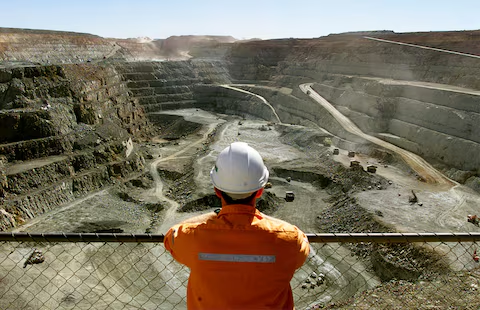
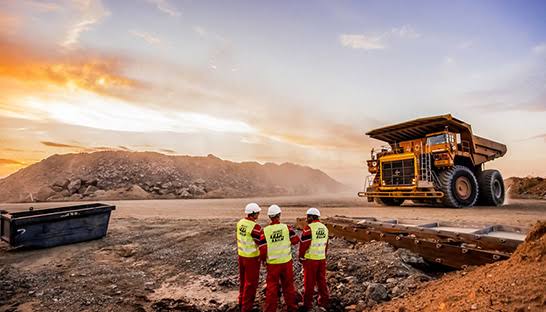
Commodity demand: China is the world’s top consumer of numerous industrial commodities. Slower growth might reduce demand for iron ore, copper, nickel, lithium, and coal, lowering prices. Gold: Economic weakness may increase demand for gold as a safe haven, but this effect may be negated if the US currency strengthens or interest rates rise. Mining companies: If Chinese demand slows more, global miners producing iron ore and base metals may see lower earnings. Energy markets: Lower industrial activity may reduce demand for oil and liquefied natural gas. Implications For Investors
Investors should watch:
Beijing has announced additional fiscal stimulus. Any softening efforts directed at the property industry. Infrastructure spending could increase demand for steel and industrial metals. Chinese consumer confidence and retail sales. Manufacturing and construction activity indices.
For mining and commodity investors, China’s economic trajectory remains one of the most important global demand drivers. A prolonged slowdown would likely favor defensive assets such as gold while generating challenges for industrial metals and mining businesses largely reliant on Chinese demand.