
Investing in small-scale mining in West Africa is a high-risk, high-reward endeavor that lies at the nexus of legal commerce, unofficial economies, and substantial geopolitical danger. This investment is not passive.
This is a summary of the environment, the dangers, the effective models, and the traps to stay away from.
- The Scene: Two Completely Different Worlds
First, although though the terms are sometimes used interchangeably, “small-scale mining” and “artisanal mining” have very different legal meanings.
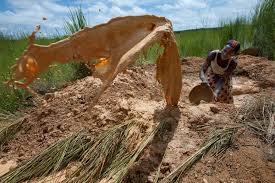
The large, labor-intensive, and frequently unofficial industry is known as artisanal and small-scale mining (ASM). It is the domain of individuals and small groups, often functioning without official titles or licenses. The great majority of locals work here. For a foreign company, investing here is quite dangerous and challenging.
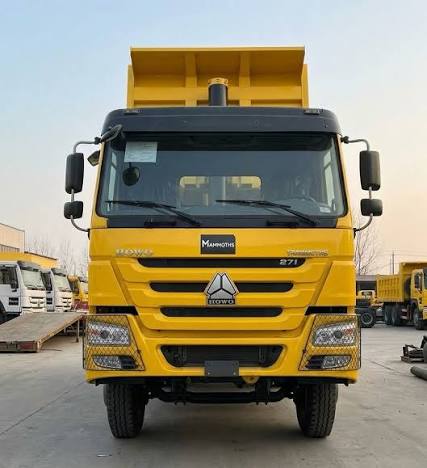
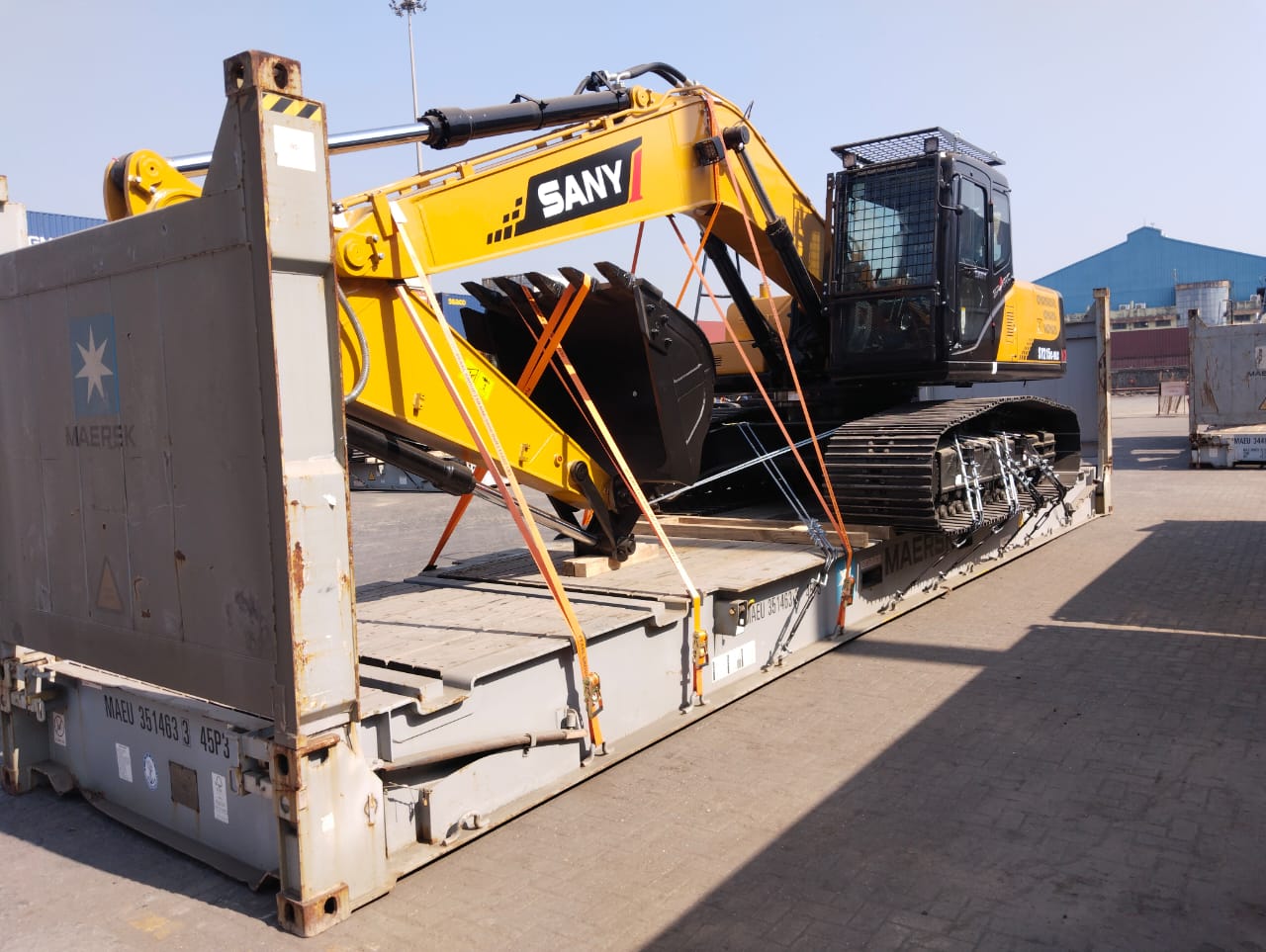
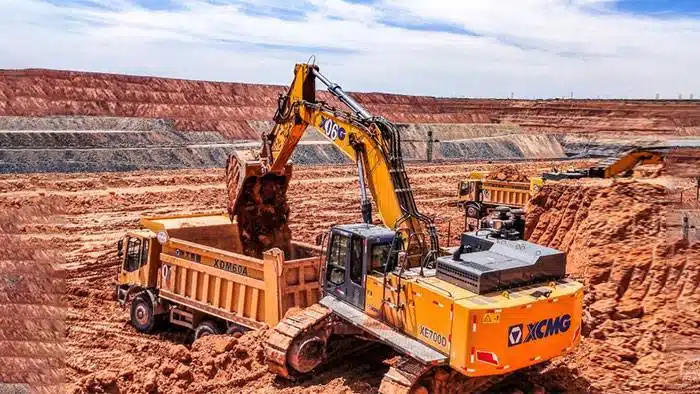
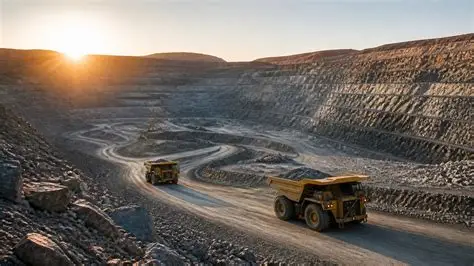
Junior/Exploration Small-Scale Industrial Mining: These are legally recognized businesses that hold exploration licenses (sometimes known as “reconnaissance” or “exploration permits”). They employ appropriate geological analysis and automated machinery, such as wash plants and excavators. For a serious investor, this is a good place to start.
Ghana (the most developed ASM framework), Mali (huge gold belt, high risk), Burkina Faso (fast-growing, now high security risk), Côte d’Ivoire (stable, growing), Guinea (bauxite, gold, iron ore), and Senegal (emerging, stable) are the main West African jurisdictions for gold and essential minerals.
- Models of Investment (From Least to Most Active)
Sending money to an alleged “mining company” in West Africa is not a good idea. You need to have a convincing model.
Model A: Direct Collaboration with a Small-Scale Miner with a License
How it operates: You provide a local concession holder money, tools, and technical know-how. They offer local connections and the license. Profits are divided, frequently after expenses.
Complete licensing verification is a crucial success aspect. The concession needs to be in good standing, with distinct boundaries and no artisanal encroachment. Just as crucial as the local partner’s legal license is their social permission to operate.
Active, on-the-ground management is your role. The supply chain, bookkeeping, and gold room must all be under your control.
Model B: Streaming/Royalty Financing
How it operates: You provide a small-scale industrial miner upfront funding for equipment or expansion. In exchange, you receive either the right to purchase a portion of their output at a much reduced fixed price (a stream) or a fixed percentage of their future production (the royalty).
Only producers that have a verified resource and are already authorized are eligible to use the critical success factor. Your royalties depends on production numbers, thus you need a reliable mechanism to independently verify them.
Your function is less operational, but it still calls for strong legal enforcement and third-party auditing skills.
Model C: Leasing and Service Provision of Equipment
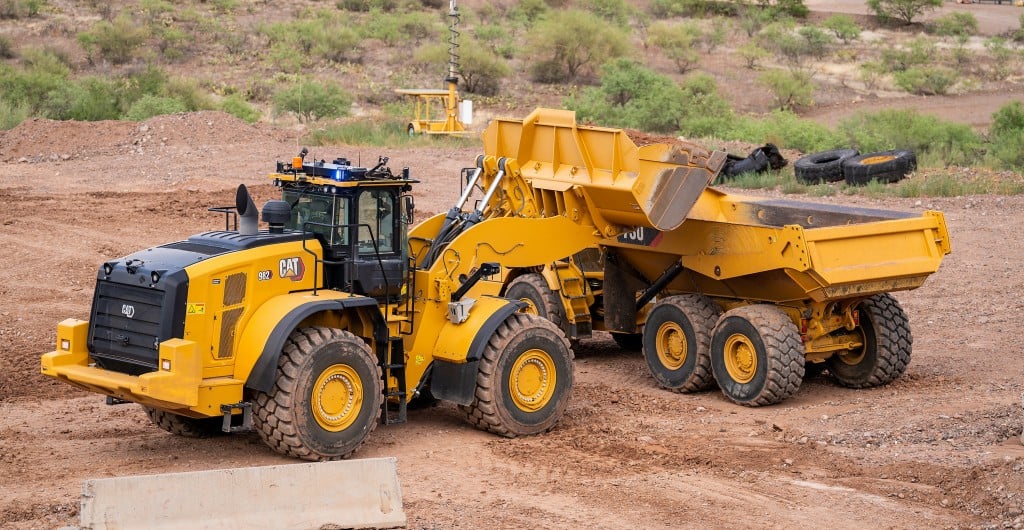
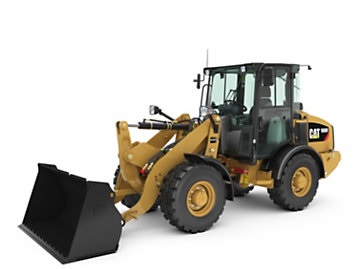
How it operates: You buy generators, wash plants, crushers, and excavators and lease them to mining companies, frequently with the opportunity to be paid in gold. The equipment is your security and you still have title to it.
A crucial component of success is that the contract needs to be legally binding and registered with local authorities. To reclaim equipment, you must be able to do it both legally and physically, which is complicated locally.
Your position is not so much in mining as it is in logistics and credit management. Exposure to counterparty default is greater than exposure to the price of gold.
Model D: Listed Junior Explorer with Pure Equity
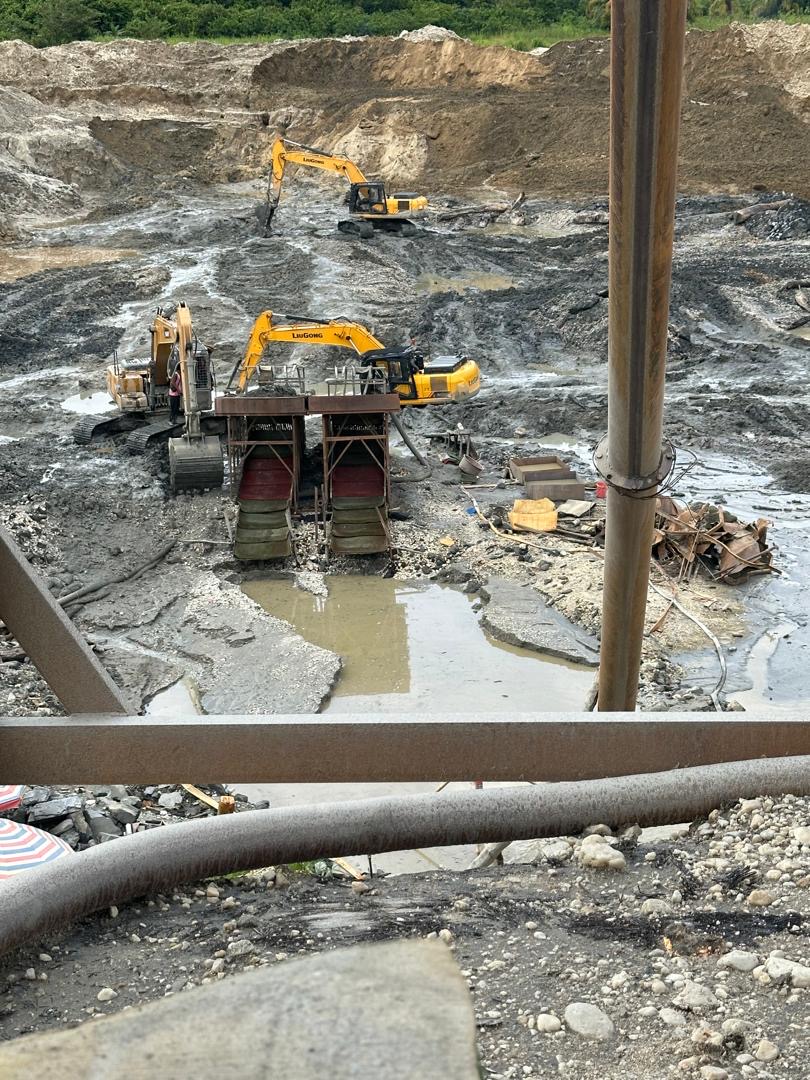
This is a drama on public markets. You put money into a junior with West African assets that is listed on the ASX or TSX-V. Ninety percent will fail because to limited liquidity. This is not an investment in actual mining operations that you can control; rather, it is pure conjecture.
- The Register of Unvarnished Risk
This is the actual situation on the ground; it is not an Excel danger matrix.
Title and License Fraud: Offering an investment based on a lapsed, fraudulent, or improperly mapped license is the most prevalent scam. In several nations, the cadastre (mine registry) is not a single, trustworthy database. To trace the entire title chain and verify it with the national mining ministry, you must hire independent attorneys. Never depend on a copy of a document.
Political and Sovereign Risk: According to Africa Corps, former Wagner, military juntas that are antagonistic to Western allies currently control the Sahel (Mali, Burkina Faso, Niger). Your current investment in Mali can be taken away from you tomorrow. Although mining rules are subject to change, Ghana, Senegal, and Côte d’Ivoire are stable democracies. For instance, Ghana has recently cracked down on both gold smuggling and ASM.
The Gold Smuggling Economy: A significant portion of artisanal gold is smuggled out of the nation in order to obtain better prices, evade taxes, or get around state-mandated gold purchasing initiatives. Your investment will practically disappear into someone’s pocket if you are unable to secure the product and manage the supply chain.
Security and Conflict: Conflict is frequently stoked and financed by artisanal mining. Heavily armed illegal miners might overnight attack a “small-scale” site with no effective governmental security reaction. The distinctions between ASM, banditry, and financing for jihad are entirely hazy in the Sahel. One potential target is a mining site.
Environmental and Social (ESG) Time Bombs: Artisanal miners’ misuse of cyanide and mercury is a disaster for both people and the environment. Even if it wasn’t your operation, you will be held legally and in public opinion accountable as a foreign investor. Community connections are crucial; a disagreement over water or land could quickly halt a $2 million venture. The “social license” cannot be compromised.
No Exit: Purchasing a rental property is not the same as this. There is no liquid market to sell your investment once you have invested in mine development and earth-moving machinery in a remote area of Burkina Faso. Repaying yourself from operating gains is your departure strategy. A minimum horizon of three to five years should be considered.
- A Non-Negotiable Due Diligence Checklist
You must finish this checklist on the ground, not from a desk, before a single dollar is moved.
Corporate and Legal Structure:
Hire a premier legal firm in the host nation (e.g., Fasken or a local equivalent in Francophone Africa, AB & David in Ghana). The price is a small portion of what a poor transaction will cost you.
Check the national business registry to confirm the corporate entity.
Check the National Mining Cadastre immediately to confirm the mining license. in a physical sense. Refuse to accept a PDF.
Verify that the business is in good standing, that all annual fees have been paid, and that all reports are current. Verify the beneficial ownership.
Operational and Geological:
Avoid depending on the “in-house geologist” of the local partner. Employ an impartial competent individual (such as an AusIMM member or a recognized equivalent) to examine the historical data and visit the location.
Is there a resource that complies with NI 43-101 or JORC (2012)? If not, you are not investing in a specific item; rather, you are speculating on geology.
Compare the business plan with the operational reality. What equipment is in fact present and operational?
The Critical Gold Test:
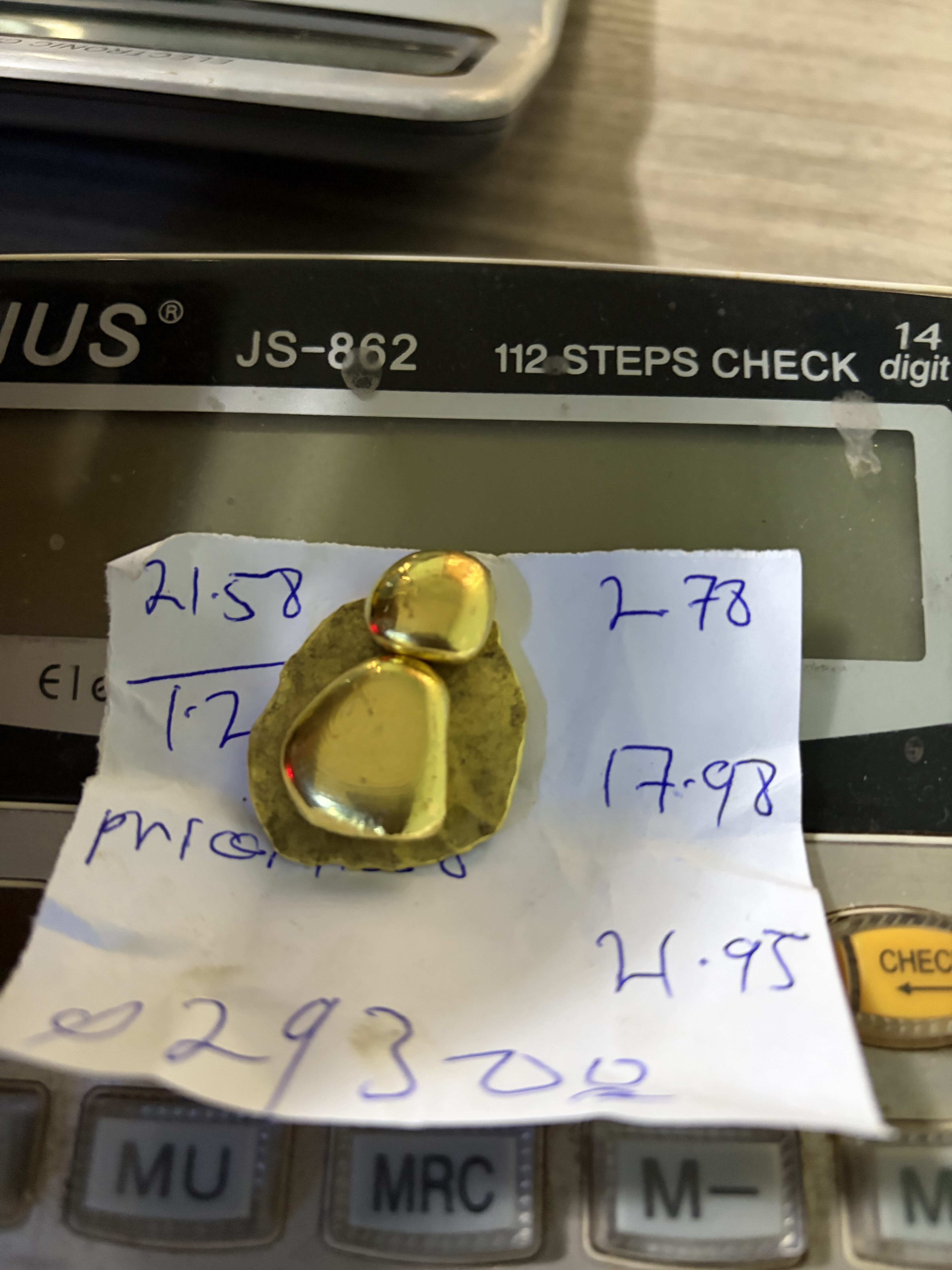
Observe the entire production process, from the finished smelted doré bar to the excavation. Determine the material balance. Demand the assay certificates and compare them to the books for each 100 grams that are poured. Inconsistencies are common. Your ability to close them is your margin of safety.
Social and Human:
Get to know the community leaders and the local chief. Avoid depending on your partner’s “fixer.” To comprehend the complaints and aspirations of the community, use an impartial translator. An inherited responsibility is an unsettled land issue.
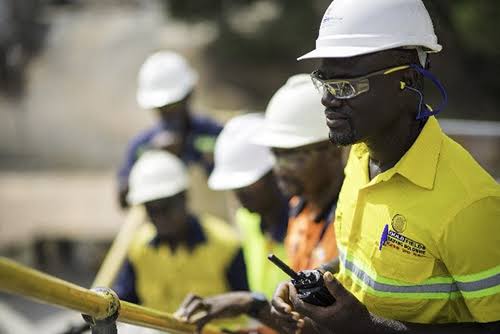
Recognize the workforce. Are workers formalized? What are the actual safety conditions—not just hypothetical ones?
Conclusion
A Model A or C partnership in a stable country like Ghana or Côte d’Ivoire, with 100% on-the-ground control over finances, the gold room, and community connections, supported by a strong balance sheet and a corresponding legal budget, is the only viable option for a serious foreign investor.
Investing in the Sahel necessitates a risk tolerance that can withstand total capital loss as well as any threats to personal safety. For the majority, purchasing shares in a senior gold producer is a considerably better option than the risk-adjusted return. If you do, enter with your hand firmly on the wallet and your eyes open.