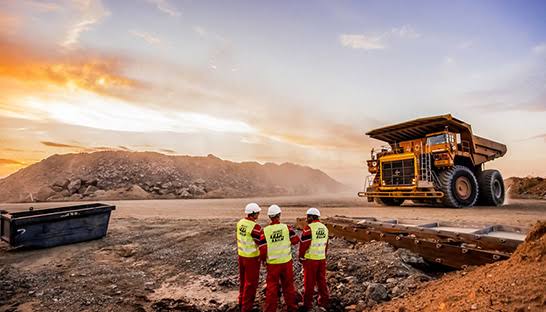

This report provides a glimpse of West Africa’s exploration scene for mid-2026, based on investment trends, license rounds, and project pipelines as of early 2025. Always double-check the most recent regulatory and security developments before committing funds.
1. Oil & Gas Exploration
West Africa’s offshore continues to open new basins and extend proven plays. The year 2026 is seeing active farm‑in opportunities, fresh bid rounds, and first‑mover openings in frontier acreage.
| Opportunity | Country | Status in 2026 |
|---|---|---|
| MSGBC Basin deep‑water blocks (ultra‑deep Creaceous turbidites) | Senegal, Mauritania, Gambia, Guinea‑Bissau | Mauritania launched a new licensing round for Blocks C8, C13, etc. in late 2025; awards expected mid‑2026. High‑impact prospects analogous to BirAllah and Orca. |
| Tano Basin step‑out exploration | Côte d’Ivoire | Eni’s Baleine Phase 3 and Calao‑1 discovery have derisked multiple neighbouring blocks. Direct negotiations available for blocks CI‑506, CI‑509. |
| Ghana’s first open licensing round | Ghana | Launched Q4 2025, closing Q2 2026. Six offshore blocks in the Western Basin (near Jubilee/TEN) and eastern Keta Basin. Fiscal terms revised under the new exploration bill. |
| Niger Delta marginal field program | Nigeria | 2024‑2025 marginal field round (57 fields) still yields opportunities in 2026 for companies seeking low‑cost entry near existing infrastructure. |
| Benin Tano Basin / Liberia Harper Basin | Benin, Liberia | Frontier seismic shoots completed 2024‑2025; farm‑in deals are being structured. Liberia’s 2026 round includes 13 offshore blocks. |
Key theme for 2026: “Short‑cycle” exploration—targets that can be tied back to existing FPSOs (e.g., Baleine, Jubilee) are in high demand. Farm‑in terms on deep‑water wildcats are becoming more attractive as majors rebalance portfolios.
2. Mining & Critical Minerals
The energy transition and supply‑chain diversification are driving unprecedented interest in West African lithium, nickel, cobalt, rare earths, and high‑grade iron ore, alongside traditional gold.
Lithium
- Ghana – Atlantic Lithium’s Ewoyaa project is under construction; nearby pegmatite licenses (e.g., Assin Fosu, Mankessim) are available for joint venture. A government “Lithium Triangle” initiative promotes new exploration.
- Mali – Goulamina (Ganfeng/Leo Lithium) is producing. Numerous artisanal zones are being formalised; greenfield exploration permits are offered via the 2026 cadastral round.
- Côte d’Ivoire – Bougouni region spodumene discoveries; new entrants can apply for permits in the Boundiali and Tengrela districts.
- Nigeria – The government is prioritising “solid minerals” and opened a digital mining cadastre in 2025. Untested pegmatite fields in Kwara, Nasarawa and Ekiti states are open for application.
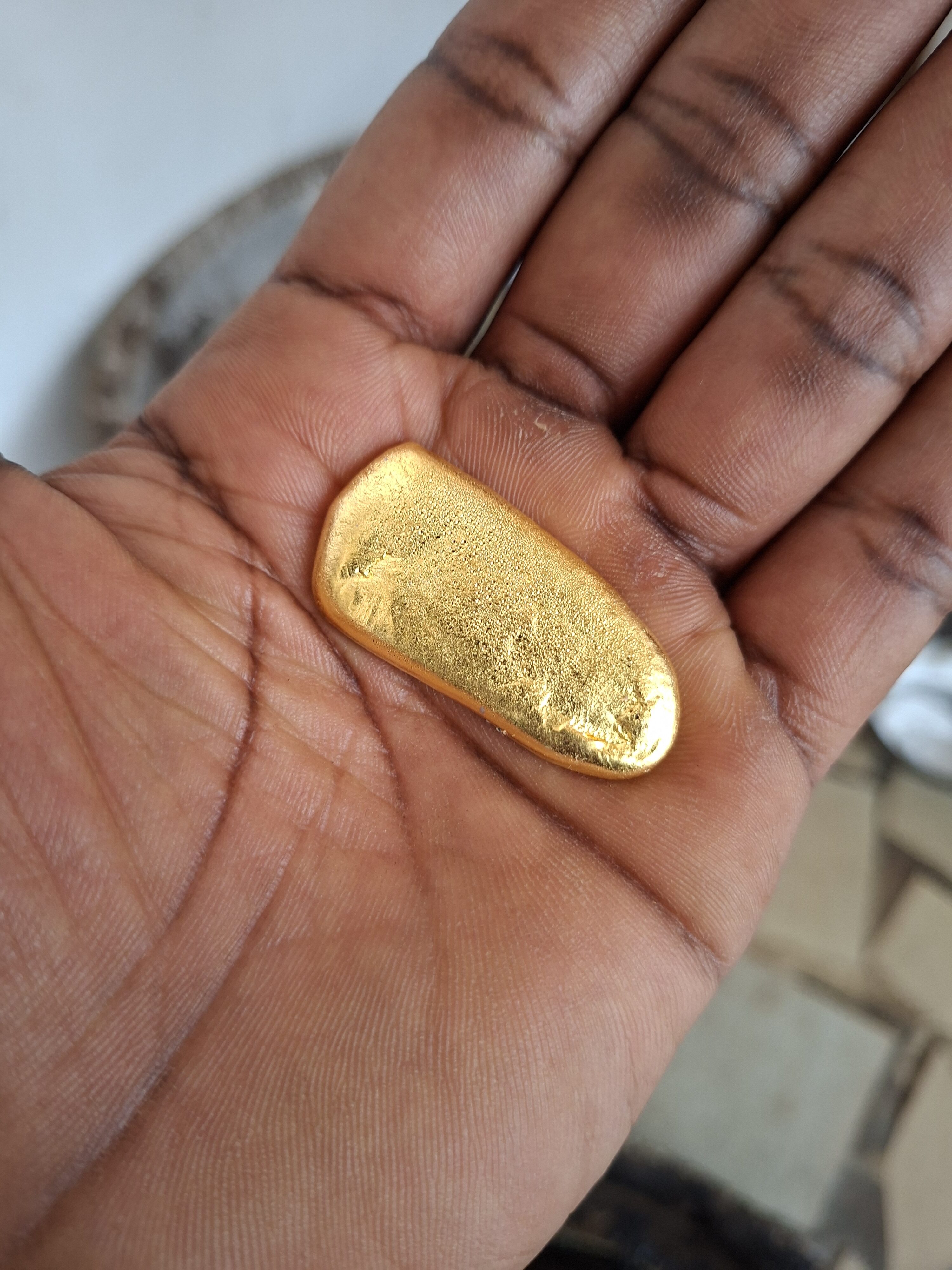
Gold (exploration and near‑term production)
- Burkina Faso – Still highly prospective despite security challenges. Opportunities exist in safer south‑western zones (Gaoua, Banfora belts) with government actively promoting investment.
- Côte d’Ivoire – Continuous Birimian greenstone belt expansions; many untested soil anomalies in the northern Denguélé and Bounkani regions.
- Senegal (Kédougou‑Kéniéba inlier) – High‑grade orogenic gold. Government encourages JVs in the Mako and Sabodala belts; several mid‑tier companies are seeking partners.
- Guinea – Upper Niger goldfields are attracting juniors. Siguiri basin (AngloGold Ashanti) extensions and artisanal‑mined areas are being formalised for exploration.
Iron Ore, Bauxite, Base Metals
- Guinea – Simandou blocks 1 & 2 infrastructure is advancing; critical minerals exploration for associated nickel‑cobalt laterites and base metals in the Nimba region is opening.
- Bauxite in Guinea, Ghana, Sierra Leone remains in demand, with downstream refining incentives.
3. Key Investment Themes for 2026
- New fiscal and regulatory frameworks
- Ghana’s new Exploration & Production Bill (enacted 2025) offers more favourable cost‑recovery terms.
- Nigeria’s Petroleum Industry Act is maturing; deeper fiscal incentives for deep‑water gas are being implemented.
- Mali and Burkina Faso are revising mining codes to increase state participation—investment structures must anticipate higher carried interests.
- Regional gas monetisation
- The West African Gas Pipeline expansion and floating LNG projects (Tortue FLNG phase 2, BirAllah LNG) create a market for stranded gas discoveries.
- Mauritania/Senegal gas hubs are looking for equity partners in mid‑stream infrastructure.
- Critical minerals mapping
- The African Union’s “African Green Minerals Strategy” and EU‑funded geological surveys (e.g., WAEMU‑PanAfGeo) are releasing new high‑resolution data in 2025‑2026, de‑risking greenfield exploration.
- Infrastructure‑linked exploration
- Corridors like the Abidjan‑Lagos highway, Dakar‑Bamako rail, and Simandou railway open previously logistically challenged areas to systematic exploration.
4. Country‑Specific Snapshots (mid‑2026)
| Country | Sector | Opportunity | Risk Level |
|---|---|---|---|
| Côte d’Ivoire | Oil & gas, gold, lithium | Baleine tie‑backs, northern greenstone belt, Boundiali lithium | Low‑moderate |
| Ghana | Oil & gas, lithium, gold | Offshore licensing round, Ewoyaa region, Ashanti‑Bibiani extensions | Moderate |
| Senegal | Oil & gas, gold | MSGBC farm‑ins, Kédougou belt JV | Low‑moderate |
| Mauritania | Gas, iron ore, gold | BirAllah development, new offshore blocks, Tasiast region | Moderate |
| Guinea | Iron ore, bauxite, gold | Simandou allied exploration, Siguiri gold | High (political) |
| Mali | Lithium, gold | Southern lithium fields, Loulo‑Gounkoto periphery | High (security) |
| Burkina Faso | Gold | South‑western belts | High (security) |
| Liberia | Iron ore, oil | Offshore Harper Basin round, western cluster iron ore | Moderate |
| Nigeria | Marginal oil fields, lithium, gold | Niger Delta shallow water, pegmatite belts | High (operational) |
| Sierra Leone | Iron ore, diamonds, gold | Tonkolili extensions, greenstone gold | Moderate |
5. Risks and Mitigation
- Political & security risk – The Sahelian belt (Mali, Burkina Faso, Niger) faces governance transitions and insurgent activity. In these jurisdictions, concentrate on the south and south‑west zones, and partner with juniors that have strong community relations.
- Regulatory volatility – Resource nationalism is rising (higher royalties, mandatory state equity). Investors should lock in stability clauses via bilateral investment treaties where possible (e.g., Ghana, Senegal, Côte d’Ivoire have robust treaties).
- Infrastructure gaps – Early‑stage projects in landlocked areas (e.g., northern Côte d’Ivoire, Guinea) need integrated logistics plans. Shared‑use rail and port agreements are increasingly common.
- ESG & community expectations – Strict adherence to IFC Performance Standards is non‑negotiable. Community development agreements are now formalised in several mining codes.
6. How to Access Opportunities in 2026
- Government cadastre portals – Many countries (Ghana, Liberia, Côte d’Ivoire, Nigeria) maintain online mining and petroleum cadastres listing open blocks.
- Industry events – PDAC 2026 (Toronto), Mining Indaba (Cape Town), African Energy Week (Cape Town), MSGBC Oil, Gas & Power (Dakar) all feature government roadshows and deal rooms.
- Direct negotiations – In Côte d’Ivoire, Senegal and Ghana, unsolicited bids for open blocks are actively encouraged with clearly defined processes.
- Farm‑in & joint ventures – A number of junior explorers holding large land packages in Ghana, Côte d’Ivoire, and Senegal are actively seeking funding partners to drill defined targets in 2026.
West Africa in 2026 offers a unique convergence of underexplored geology, energy‑transition mineral demand, and newly open hydrocarbon acreage. Success will favour well‑capitalised, patient investors who build strong local partnerships and structure deals that align with governments’ emphasis on local value addition.