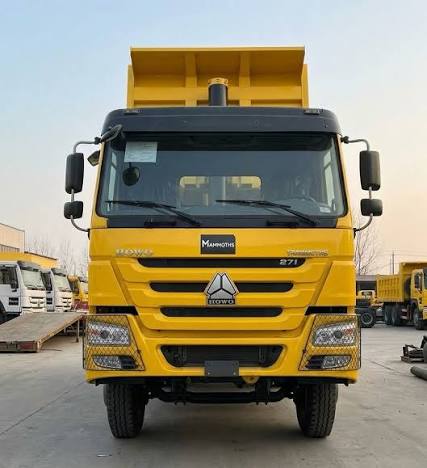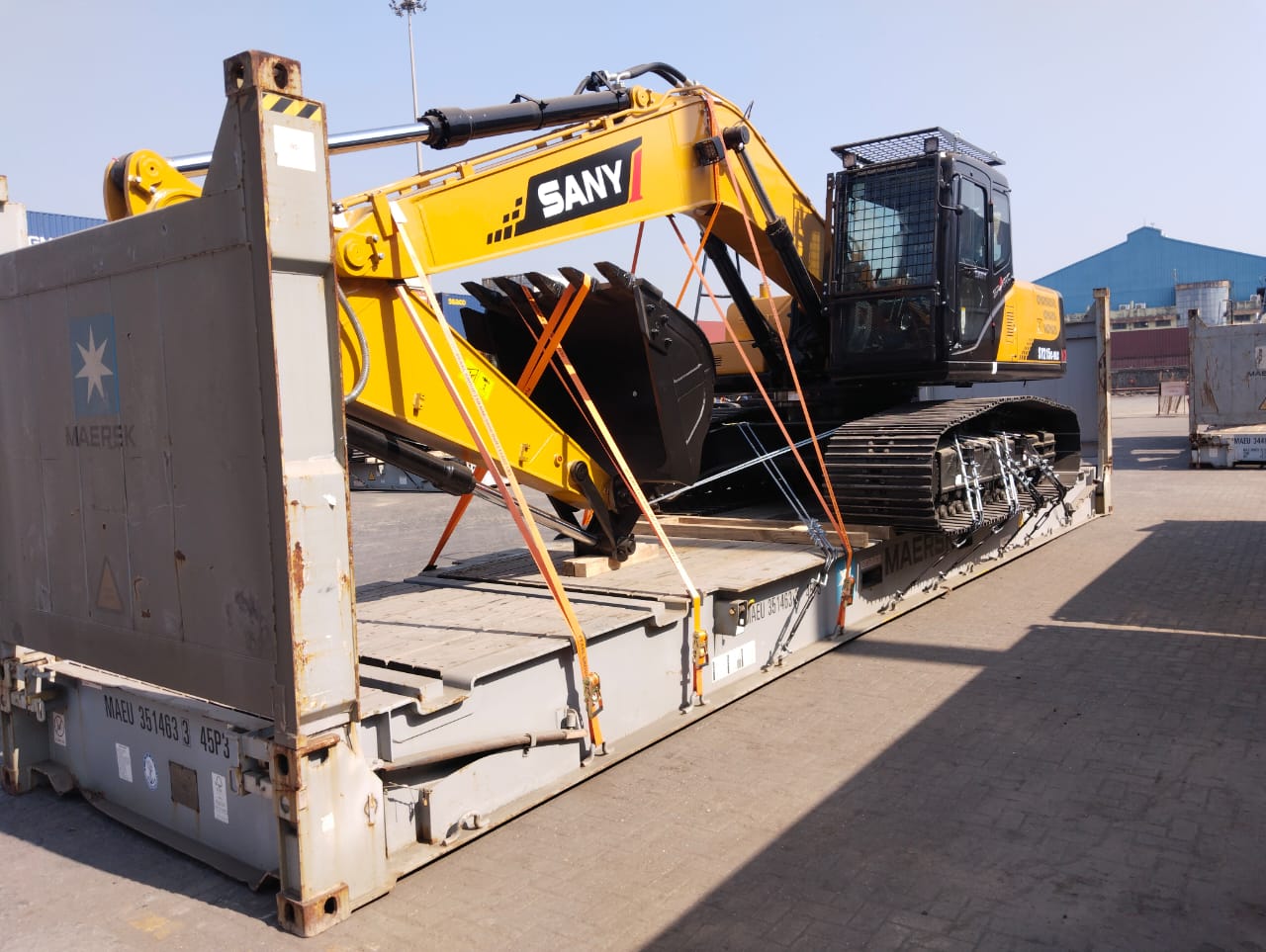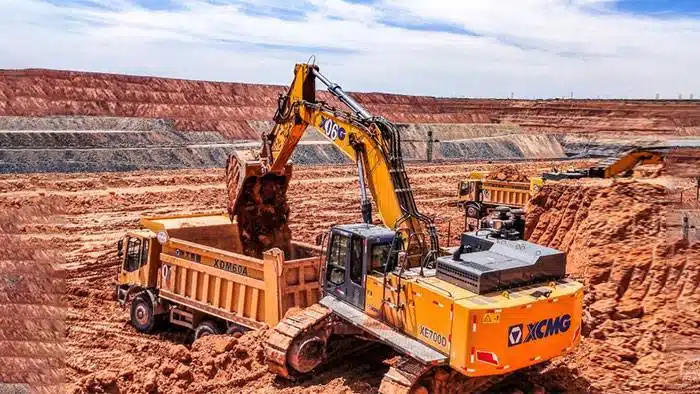

Fake websites are becoming a bigger problem when purchasing cars, trucks, heavy gear, or other items online. In order to obtain deposits or complete payments, scammers frequently build websites that appear official and promote cars or equipment at remarkably low costs.
Important Indicators of a Fraudulent Website
- Too Good to Be True Prices
Be wary if an excavator or car is priced 20–50% below market value. Unrealistically low pricing are used by scammers to generate a sense of urgency and swiftly draw in customers.
- A Newly Developed Website
Use a WHOIS lookup service to find out how old the website is. A serious warning sign is a website that claims to have years of experience but was just registered a few weeks or months ago.
- Absence of Physical Presence
Reputable vendors typically offer:
A company address that can be verified Phone numbers that are functional Details about the company’s registration Images of their location
Verify the address using business registers and online maps.
- Inadequate Contact Details
Among the warning indicators are:
Just a form for contact No direct phone number Generic email addresses, such as Yahoo and Gmail Calls that consistently end up in voicemail 5. Reused or Stolen Images
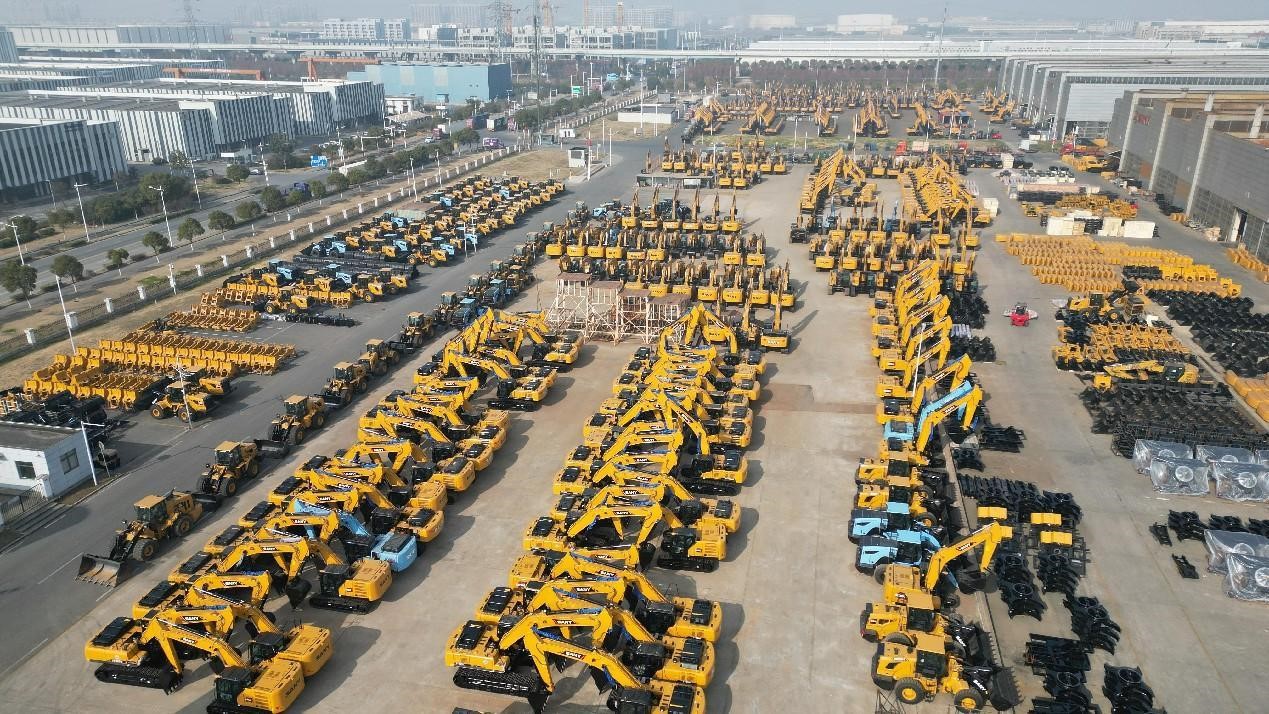
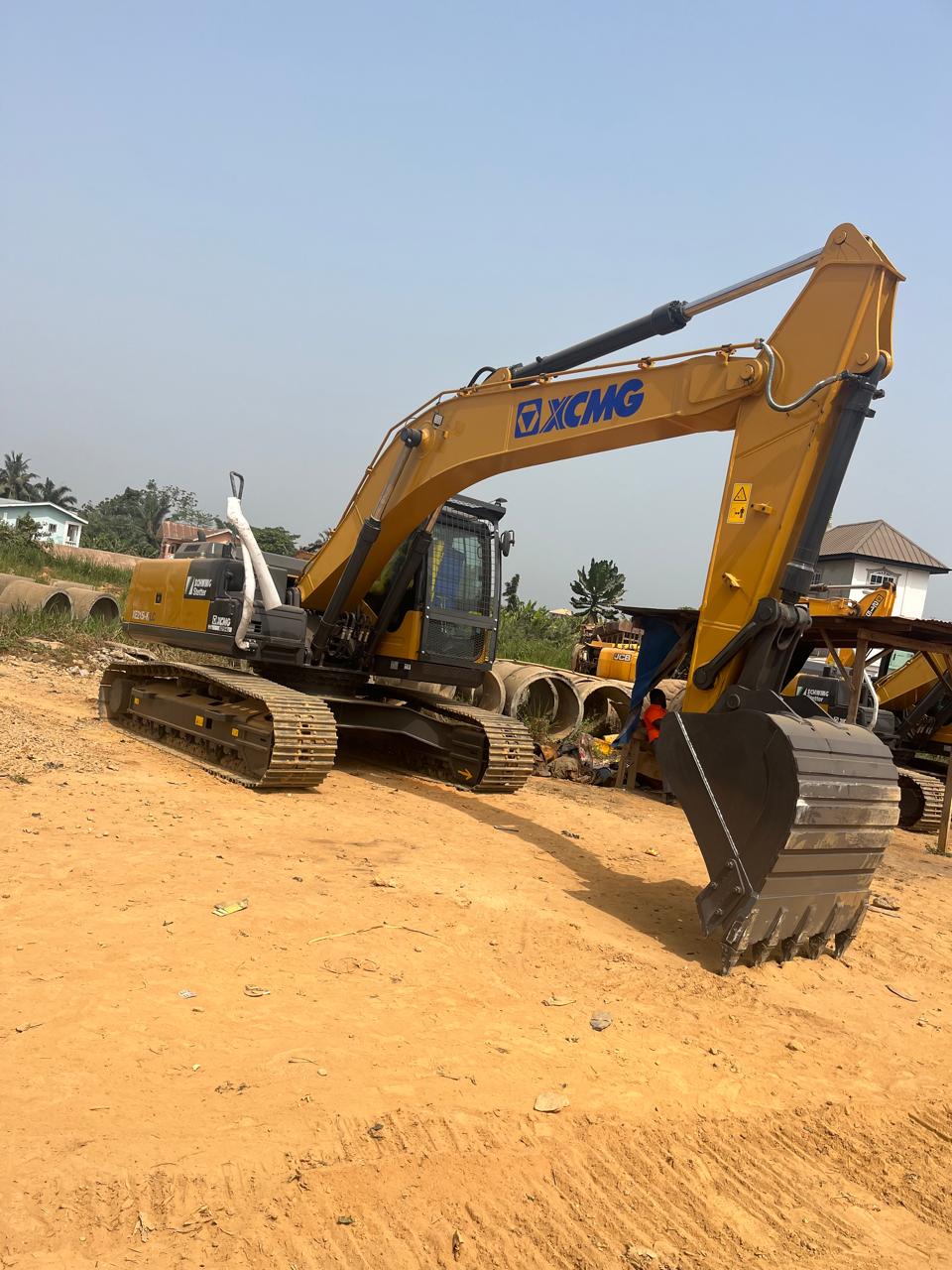
Conduct a reverse image search on pictures of vehicles or equipment. The seller might not be the owner of the asset if the same pictures can be found on other unrelated websites.
- The Need to Pay Right Away
Scammers frequently assert: “Multiple buyers are interested.” “The deal expires today.” “Send a deposit immediately.”


Reputable vendors typically permit appropriate scrutiny and due diligence.
- Limited Methods of Payment
If the vendor is adamant about:
Cryptocurrency and wire transfers Present cards Payments sent to individual accounts
Whenever possible, make use of safe payment options.
- No Permission for Inspection
For expensive purchases, a vendor declining to:
Inspections by third parties Walkarounds for videos Verification of serial numbers or VINs Site visitors
is a grave red flag.
- Low-quality websites
Search for:
Broken connections Spelling and grammar mistakes Absence of policies Content that was copied Unreliable branding
A lot of phony websites are swiftly put together using content that has been stolen.
- False Evaluations
Examine reviews on several separate websites. Be wary if:
Every review is incredibly positive. Reviews were published quickly. Extra Due Diligence for Equipment Buyers: Reviewer profiles seem phony
Prior to acquiring heavy machinery:
Check the serial number of the machine. Make a maintenance record request. Verify ownership records. Make use of a third-party examination service. Verify if there are any liens or finance claims on the equipment. A Basic Checklist for Verification
Prior to transferring funds: Check the company’s registration; verify the age of the website; and give the seller a call. ✅ Check the physical address ✅ Reverse-search pictures ✅ Request VINs and serial numbers ✅ Set up an inspection ✅ Make use of safe payment options ✅ Don’t make snap decisions
Never rely just on a website while making costly purchases like vehicles, trucks, construction equipment, or mining equipment. Before sending money, confirm the seller using independent sources and have the asset inspected, or have a reliable third party do so.