
The government’s major infrastructure push, a reviving mining industry, and consistent demand for real estate have all contributed to the ongoing upcycle of the Indian construction equipment (CE) market. With a move toward further indigenization, tighter emission regulations, and technology adoption, the future is still favorable.
This is a well-organized forecast that addresses market size, growth factors, important market segments, trends, difficulties, and the competitive environment.
- Market Size and Growth Projection Record Volumes: According to ICEMA (Indian Construction Equipment Manufacturers Association), the sector reached new highs in FY2023 (~1.2 lakh units) and FY2024 (~1.35 lakh units) after first surpassing the 1,00,000-unit annual sales threshold in FY2022.
Market Value: Projected at $7–8 billion** (FY2024) and expected to rise at a compound annual growth rate (CAGR) of 8–10% to reach over **$12–15 billion by 2030.
Export Potential: With exports rising at a rate of 15–20% each year, especially to the Middle East, Africa, and Southeast Asia, India is becoming more and more recognized as a manufacturing center for CE.
- Important Growth Factors Roads, railroads, urban infrastructure, and energy are all included in the $1.4 trillion National Infrastructure Pipeline (NIP), which has since been enlarged. Under the Bharatmala Pariyojana, road development alone aims for 40–45 km/day.
Infrastructure capital expenditures increased to a record ₹11.11 lakh crore (~$133 billion) in the Union Budget FY2025, maintaining the increasing demand for material-handling, road, and earthmoving equipment.
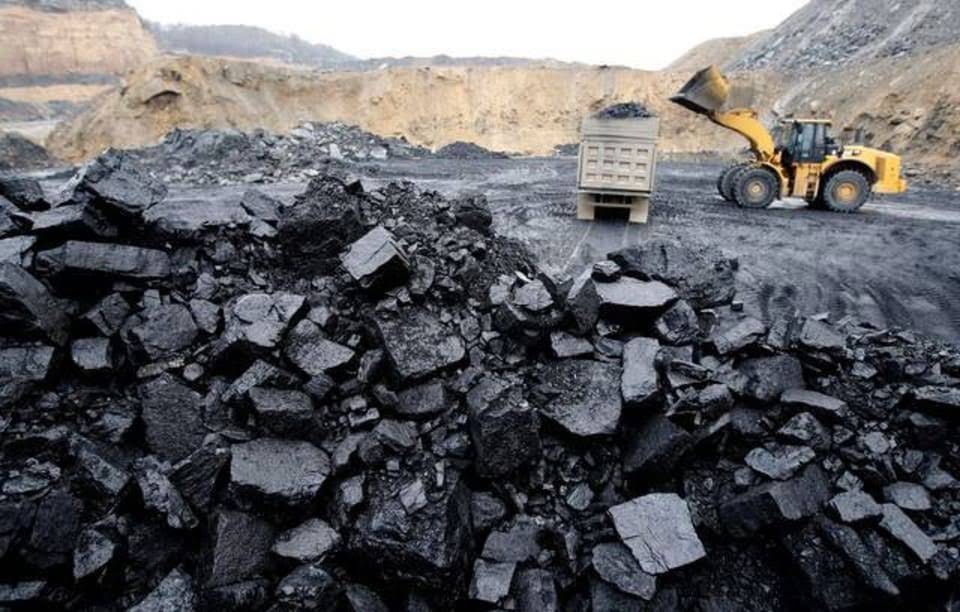
Mining Boom: Sales of huge excavators, dumpers, and dozers are being driven by increased coal output targets (1 billion tonnes+), iron ore, limestone, and bauxite mining.
Real Estate & Housing: The demand for backhoe loaders, concrete pumps, and tower cranes is being driven by urbanization and government initiatives like PM Awas Yojana.


PLI plan & Make in India: Localization of hydraulic parts, engines, and electronics, along with the Production-Linked Incentive plan for CE, are increasing domestic production and decreasing imports.
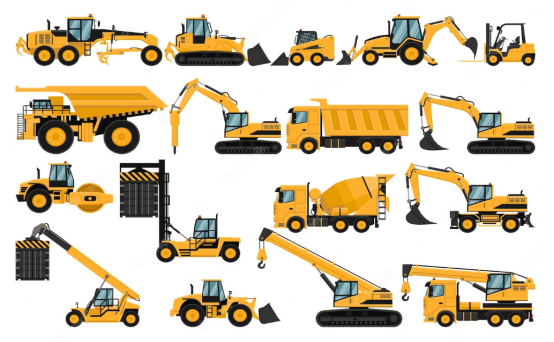
- Outlook by segment Segment Share (approximate)Outlook for Key Equipment 60–65% earthmovingExcavators, dozers, motor graders, and backhoe loadersAlthough demand is migrating toward higher-capacity (20T+) excavators for mining and infrastructure, backhoe loaders continue to be the volume driver. Planers, asphalt pavers, and compactors make up about 10–12% of road construction.strongest growth corridor, closely associated with the expansion of the highway. 12–15% CAGR is anticipated. Material Handling: 12–15%Forklifts, telehandlers, and pick-and-carry craneshigh demand from steel mills, logistics, warehousing, and renewable energy (wind and solar). Concrete Equipment: 8–10% Batching plants, concrete pumps, and transit mixersConsistent demand is being driven by high-rise building and urban metro projects. Mining & Aggregate 5–7% Rigid dump trucks, filters, and crushersgrowing quickly as a result of quarrying and commercial coal auctions.
- Trends Reshaping the Market Emission Transition (CEV Stage V): In April 2024, India advanced to CEV Stage V standards (equivalent to Euro V/VI) for off-road engines. This requires cleaner fuels, improved engine technology, and after-treatment systems. In addition to driving out obsolete machinery and raising the price of new equipment by 5–10%, it will also start a cycle of replacement demand.
Alternative Fuels & Electrification: There are ongoing pilot programs for electric backhoe loaders, compact wheel loaders, and micro excavators. Pick-and-carry cranes and small commercial vehicles are increasingly using compressed natural gas (CNG). After 2027, there will probably be a significant change (5–10% of new sales) as Total Cost of Ownership (TCO) declines.
Telematics & Industry 4.0: Machine tracking, fuel monitoring, and predictive maintenance are standard features offered by OEMs such as JCB (Livelink), Tata Hitachi (InSite), and Volvo (ActiveCare). This will be accelerated by government mandates for productivity-linked road contracts and GPS-based tolling.
Rental & Leasing: Due to contractors’ preference for OPEX models over costly CAPEX, the organized equipment rental market is expanding at a rate of 15–20%. OEMs are starting specialized rental divisions, and fintech and NBFCs are making asset financing simple.
Consolidation and Premiumization: Consumers are shifting from making purchases only based on price to considering productivity and lifecycle costs. Excavators with larger capacities and more advanced technology are becoming more popular than simpler types.
- Principal Difficulties Financing & Liquidity: MSME contractors are still at risk from interest rate fluctuations and working capital shortages.
Supply Chain Volatility: The industry is vulnerable to geopolitical shocks because to its reliance on imported hydraulics, proprietary electronics, and certain steel grades.
The lack of skilled operators is a major bottleneck that restricts the use of machines; OEMs are making significant investments in operator training facilities.
Seasonality: Demand and site activity still see a periodic decline throughout the monsoon season (July–September).
- The Competitive Environment Dominant Player: With a volume share of roughly 35–40%, JCB India dominates both the backhoe and the market as a whole.
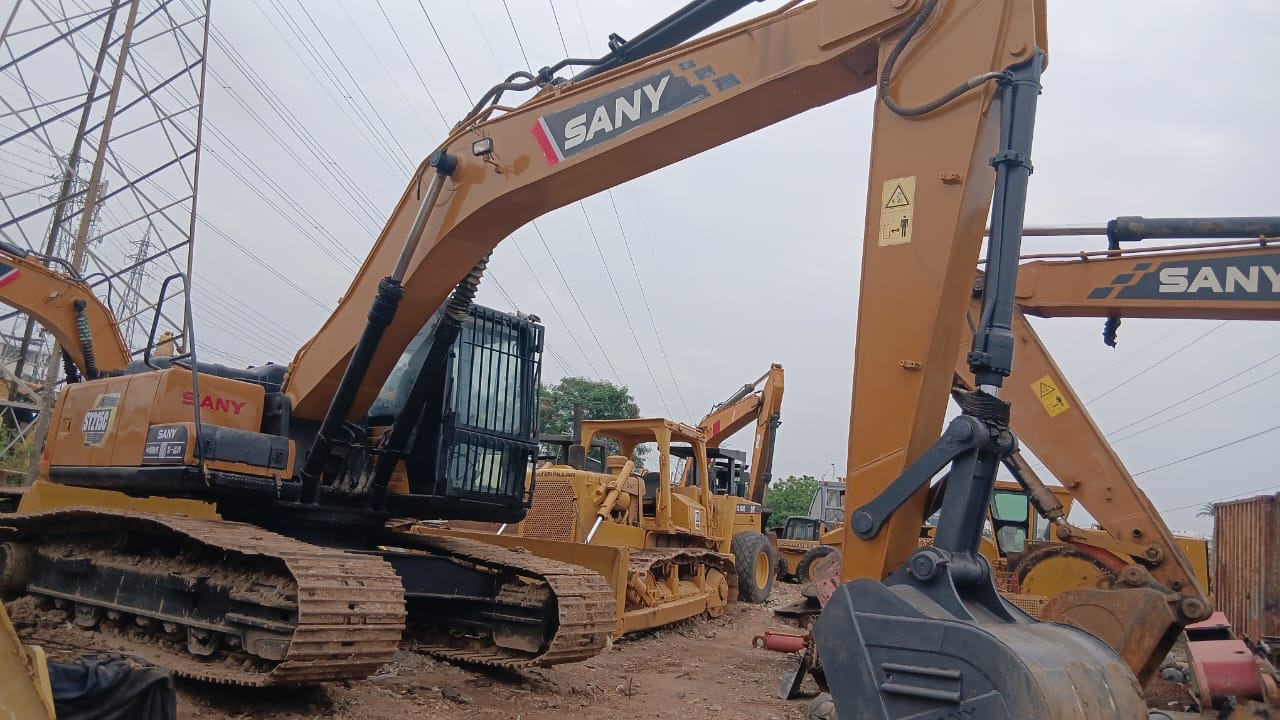
Tata Hitachi, Mahindra CE, L&T Construction & Mining Equipment, Volvo CE, SANY India, Kobelco, Komatsu, ACE, and Caterpillar are formidable rivals.
New Dynamics: Chinese OEMs (SANY, XCMG, LiuGong) currently possess a combined ~15–20% market share after quickly expanding from price-competitive mining trucks to excavators and road equipment. Majors from Korea and Japan are expanding their production base in India. Indian home-grown players (ACE, Bull Machines) are also gaining ground with value-focused items.
Overview of the Prospects (2024–2030) The Indian construction equipment industry will remain on a high-growth trajectory, substantially protected from short-term global headwinds due to the domestic nature of demand. The convergence of record infrastructure spending, technology advancements (CEV Stage V), and fleet replacement demands will ensure a 10%+ unit volume CAGR through 2030. OEMs, component suppliers, and fleet financiers will all benefit greatly from the market’s increased organization, cleanliness, and digitalization.