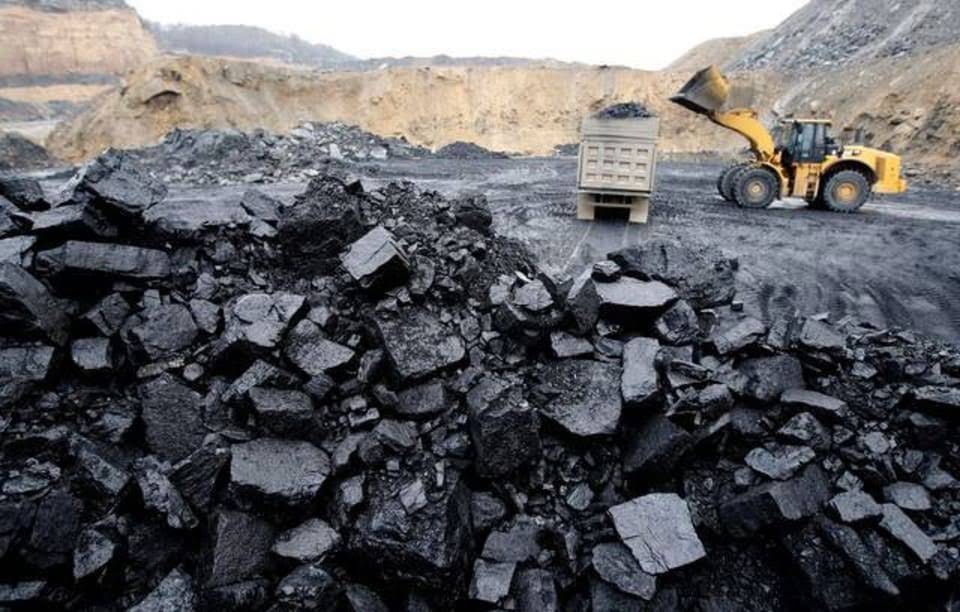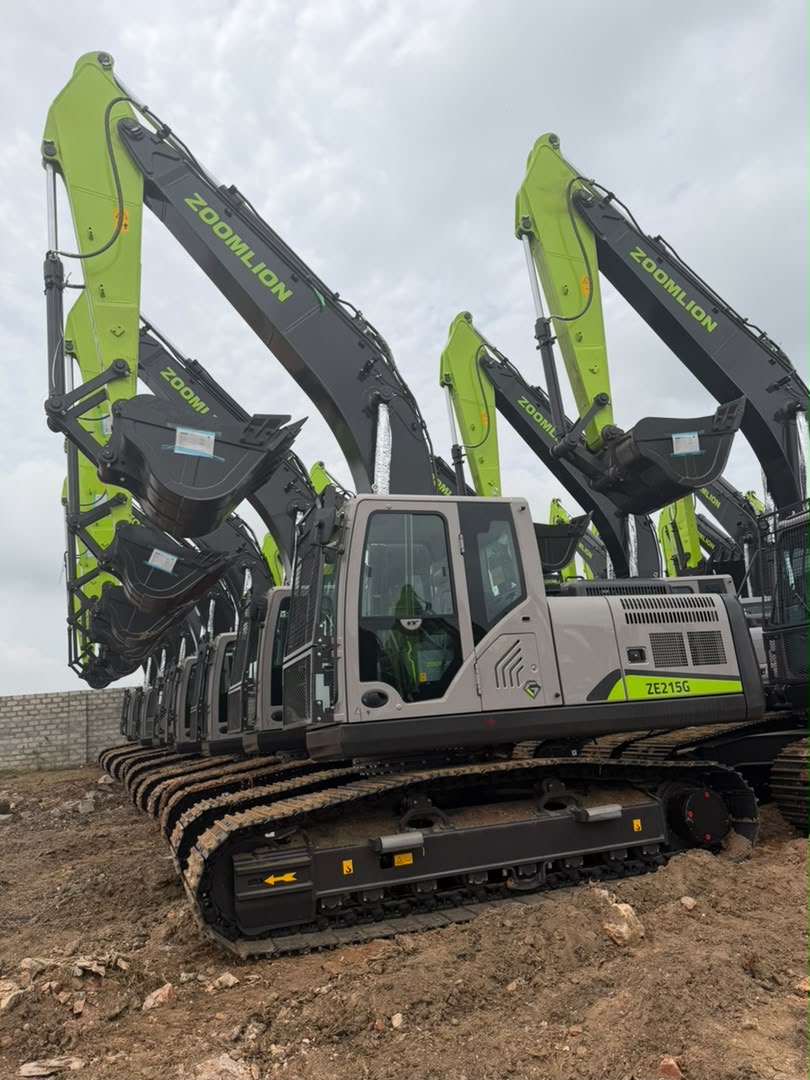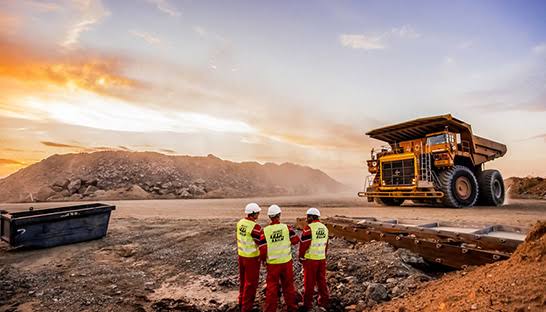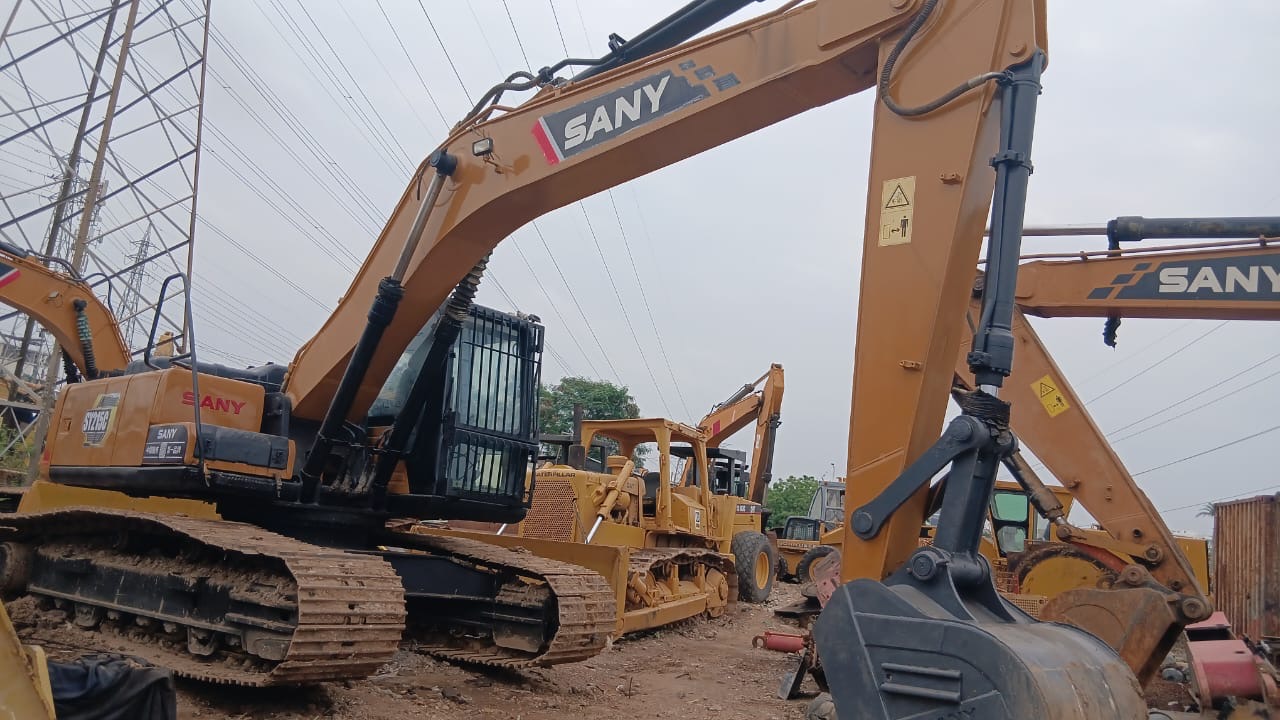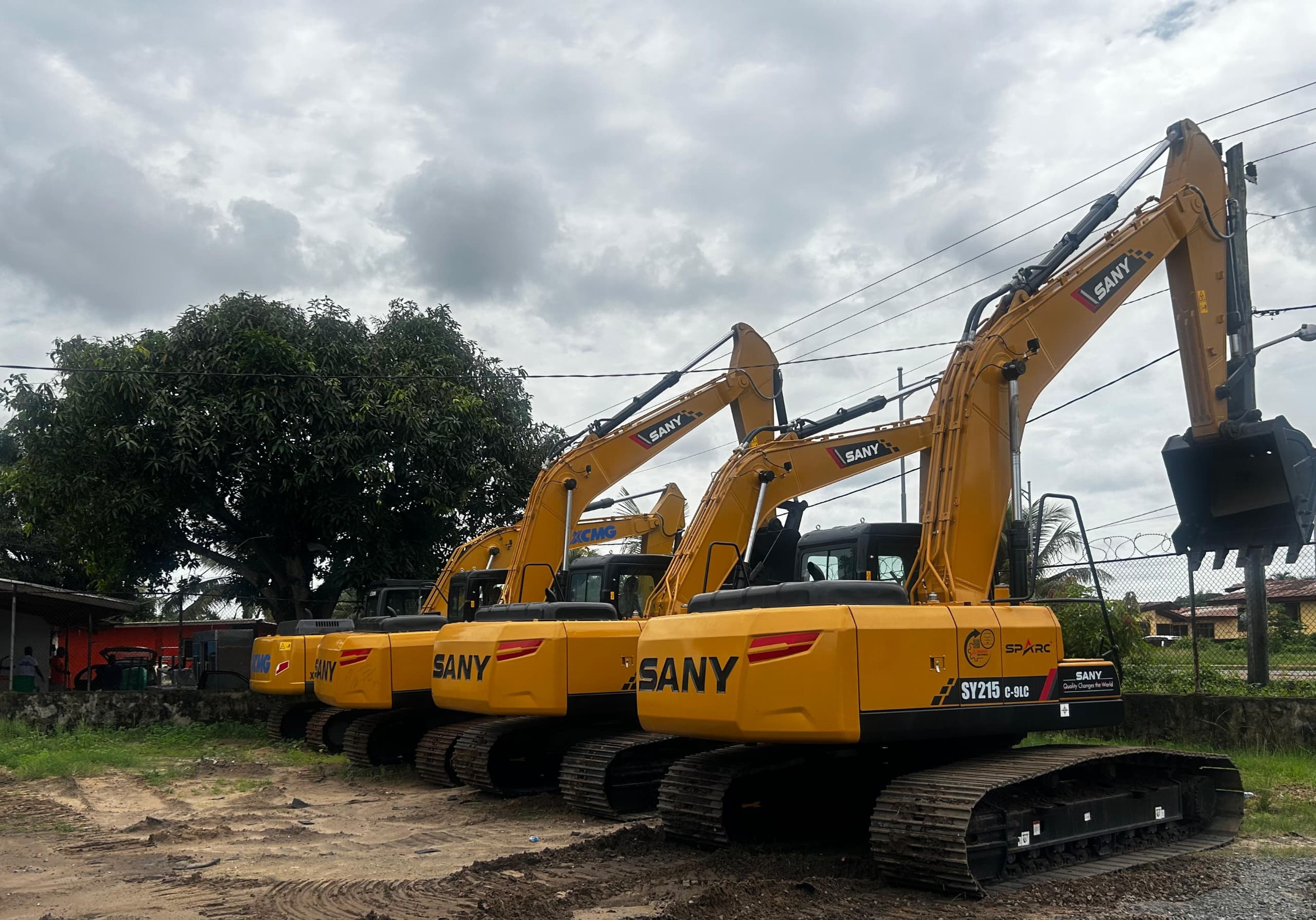

The global heavy construction machinery rental market is firmly in a high-growth phase. This asset-light model is being propelled by robust global infrastructure spending and a fundamental shift among contractors to preserve capital.
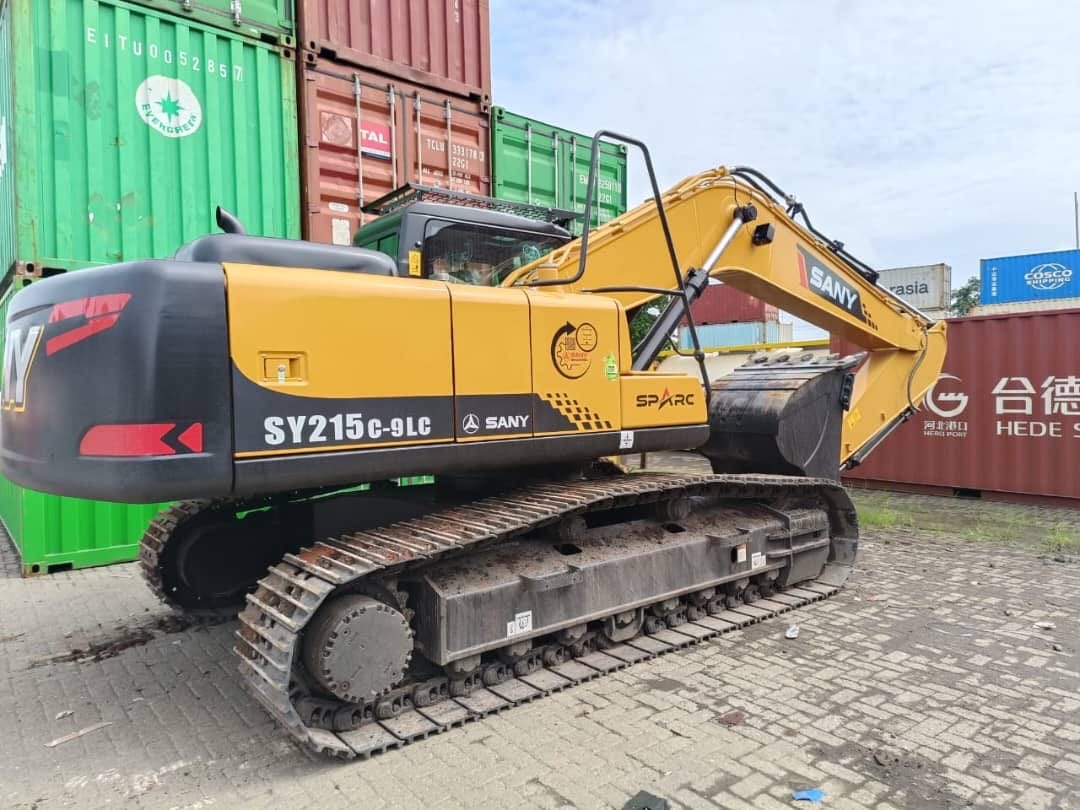
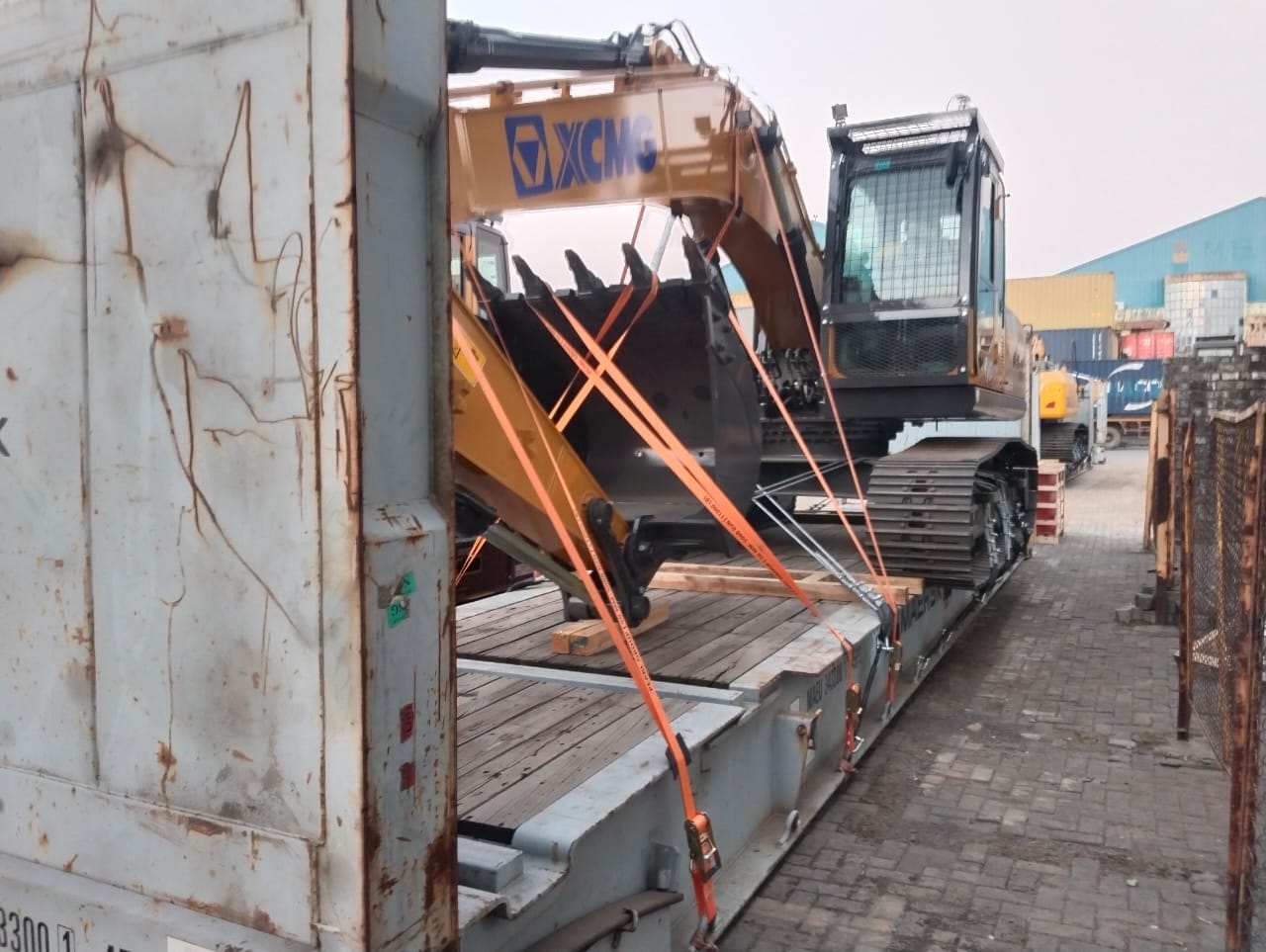

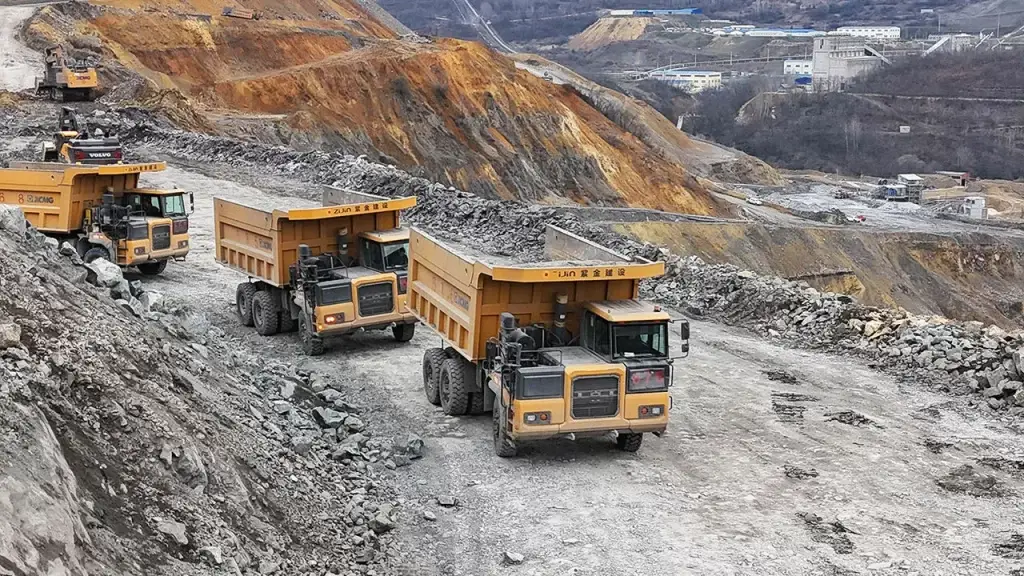
For a quick snapshot, here are key market figures from leading research firms.
📊 Executive Summary: Market at a Glance
📈 Market Drivers: What’s Fueling the Boom?
The strong growth forecast is driven by a combination of economic and technological factors:
- Global Infrastructure Investment: Massive government spending on transportation, energy, and urban development projects is a primary catalyst. For instance, the UK saw new construction orders surge by 15.9% in early 2024.
- The “Asset-Light” Shift: Contractors are increasingly choosing to rent equipment to avoid high capital expenditures, maintenance, storage, and depreciation costs. This is especially beneficial for small to mid-sized firms.
- Project Flexibility: Renting provides the agility to secure specialized machinery for specific project phases without long-term commitment.
- Technological Advancements: Digital tools are key. Telematics, AI, IoT sensors, and cloud platforms enable real-time tracking, predictive maintenance, and streamlined booking—enhancing efficiency and uptime for both rental companies and contractors.
- Sustainability Push: Increasing environmental regulations and corporate ESG goals are driving demand for low-emission and electric machinery, which many rental companies are adding to their fleets.
🔮 Key Trends: The Future of Construction Rentals
Several major trends are shaping the market’s evolution:
- Fleet Electrification: The shift toward electric and hybrid machinery is accelerating. Rental companies are strategically investing in these greener fleets to meet customer demand and comply with tightening emissions standards. The European Rental Association (ERA) has actively identified and sought solutions for barriers to electrification.
- Strategic Partnerships: Closer collaboration between rental firms and Original Equipment Manufacturers (OEMs) is emerging. These alliances ensure timely equipment availability and often include integrated maintenance packages to improve machinery lifecycle management.
- Adoption of New Business Models: The market is seeing innovation in its offerings. Beyond traditional rental, subscription-based models are gaining traction. In November 2024, United Rentals launched a subscription service offering simplified billing and guaranteed equipment availability for contractors with predictable needs.
- Digitalization & AI: The integration of digital platforms is now a standard, moving from convenience to core operational strategy. Telematics and data analytics are no longer optional but are critical for optimizing asset utilization and reducing idle time.
🌍 Regional Dynamics: A Tale of Growth
The market’s growth is not uniform, with distinct dynamics across different regions:
- North America (Largest Market: ~40% share): Dominates the global market, supported by a mature rental ecosystem, consistent infrastructure spending, and widespread adoption of the rental model across both large and small contractors.
- Asia-Pacific (Fastest Growing): Projected as the fastest-growing region. Rapid urbanization, mega-infrastructure projects (especially in Southeast Asia), and increasing foreign investment are the primary drivers. While highly fragmented, the region holds immense growth potential.
- Europe & Japan: These mature markets each hold a significant share, collectively accounting for about 45% of the global market alongside North America. Japan’s specific market was valued at $12.1 billion in 2025.
🏗️ Competitive Landscape: A Fragmented Field
The competitive environment is dominated by a few global giants, but the rest of the market remains highly fragmented.
- Market Leaders: United Rentals was the clear leader in 2025 with a market share exceeding 10%. It is followed by other major players like Ashtead (Sunbelt Rentals), H&E Equipment Services, Herc Rentals, and Loxam. In 2025, the top five players collectively held approximately 22% of the market.
- A Fragmented Market: The remaining 78% of the market consists of numerous regional and local players. For instance, in the Southeast Asian market, the top five players account for only about 5% of the total market share, indicating significant opportunities for both local and international expansion.
📝 Conclusion
The global heavy construction machinery rental market is on a strong growth trajectory. It is being reshaped by digitalization, a global push for sustainability, and a strategic preference for flexible, asset-light operations. While North America remains the largest market, Asia-Pacific is the key region to watch for high growth. The market is a dynamic mix of established leaders and a long tail of smaller players, offering opportunities for both.