
The rigid loader market in West Africa is a unique section of the region’s larger construction and mining equipment industry. Rigid-frame loaders (compact rear-wheel-steer machines with a fixed chassis) are preferred over articulated wheel loaders due to their simplicity, low purchase cost, and easy maintenance. This report focuses on the market’s size, drivers, competitive landscape, country-level dynamics, challenges, and outlook.
- Market Definition & Product Scope Rigid loader refers to a compact wheel loader with a rigid chassis (no articulation joint). Typical features:
Operating weight: 2–8 tonnes
Bucket capacity: 0.4–1.5 m³
Rear‑wheel steering, simple hydraulic system
Often powered by 30–75 kW diesel engines Popular in West Africa for light construction, agriculture, block‑making, and small‑scale mining support.
This category includes Chinese‑brand machines (e.g., ZL08, ZL10, ZL12, ZL18 series) and a few legacy models from global OEMs, though the latter have mostly moved to articulated loaders. For the purpose of this analysis, used articulated compact loaders are sometimes sold into the same small‑scale applications, but the true rigid‑frame loader remains a cost‑leader.
- Market Size & Growth Estimates Precise trade data on rigid loaders is sparse because they are bundled in customs codes for “front‑end shovel loaders.” However, industry estimates and dealer interviews suggest:
2023 value: Roughly $45–60 million (new machine sales, ex‑works) across the ECOWAS bloc.
Volume: 3,500–5,000 units per year, with a strong bias towards sub‑$20,000 machines.
Growth rate: ~6–8% CAGR in unit terms over the last three years, driven by infrastructure spending and agricultural mechanisation.
Used equipment influx: An additional 1,500–2,500 second‑hand rigid loaders enter the region annually, largely via the Port of Lomé (Togo) and Cotonou (Benin), then redistributed to landlocked neighbours.
- Key Demand Drivers Small‑scale construction & rural road works Governments and donor agencies (World Bank, AfDB, EU) fund feeder road programmes. A basic rigid loader is the entry‑level machine for gravel hauling, culvert installation, and site preparation.
Agricultural mechanisation Rice, maize, and cashew value chains are modernising. Loaders handle grain movement, compost turning, and loading of produce onto trucks. Nigeria’s Anchor Borrowers’ Programme and Côte d’Ivoire’s 2PAI‑Côte d’Ivoire (agro‑industrial poles) are notable examples.
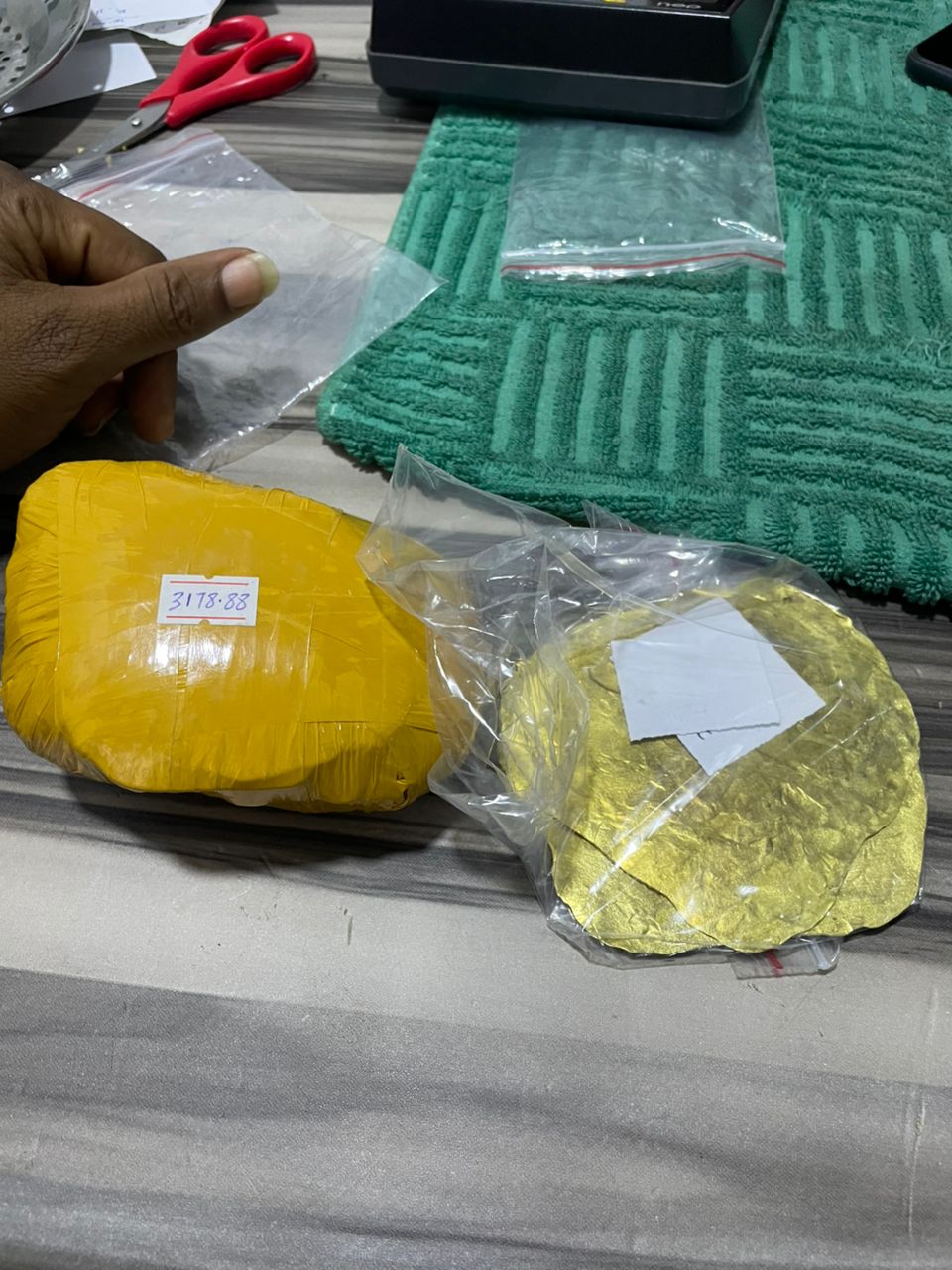
Artisanal and small‑scale mining (ASM) In gold‑rich areas of Ghana, Mali, Burkina Faso, and Guinea, rigid loaders feed washing plants and move ore. Their low cost and repairability suit informal operators who cannot finance larger articulated loaders.
Block‑making and quarry support Concrete block manufacturers and small quarries (granite, sand) use rigid loaders to charge hoppers and load trucks. The construction boom in cities like Lagos, Abidjan, Accra, and Dakar sustains this demand.
Price sensitivity and financing constraints A new Chinese 1.2‑tonne ZL12 rigid loader costs $11,000–$14,000 CIF West Africa, whereas the smallest articulated loader (e.g., a 3‑tonne SDLG LG933L) starts at $25,000–$30,000. The upfront saving makes rigid loaders the only viable option for many SMEs.
- Country‑Level Analysis Country Market Characteristic Estimated Annual Sales (Units) Nigeria Largest market; demand from construction, agriculture, and block factories. High preference for 1.2–1.8‑tonne ZL12/16. 1,200–1,800 Ghana Mature small‑scale mining sector pushes sales; also road contracts under the District Road Improvement Programme. 500–700 Côte d’Ivoire Fast‑growing; agri‑loading and Abidjan infrastructure projects. Government importing Chinese machinery under bilateral agreements. 400–550 Mali / Burkina Faso / Niger Landlocked, served via Lomé/Cotonou corridors. Mining and cotton‑zone logistics underpin demand. 300–450 (combined) Senegal Emerging hub; agricultural modernisation (rice, groundnuts) and the Plan Sénégal Émergent invest in rural equipment. 200–300 Guinea Bauxite and gold mining support demand for small loaders in camp services and support roles. 150–250 Benin / Togo Key re‑export hubs; many machines are trans‑shipped here and then sold into Nigeria, Niger, Burkina Faso. High transit, modest local use
- Competitive Landscape Dominant Brands (New Equipment) SDLG (Shandong Lingong, Volvo Group subsidiary) – Market leader in sub‑25 kW rigid loaders. Models LG910, LG916, LG918 are ubiquitous.
LiuGong – Strong in Nigeria and Ghana with the CLG816 and CLG818 series.
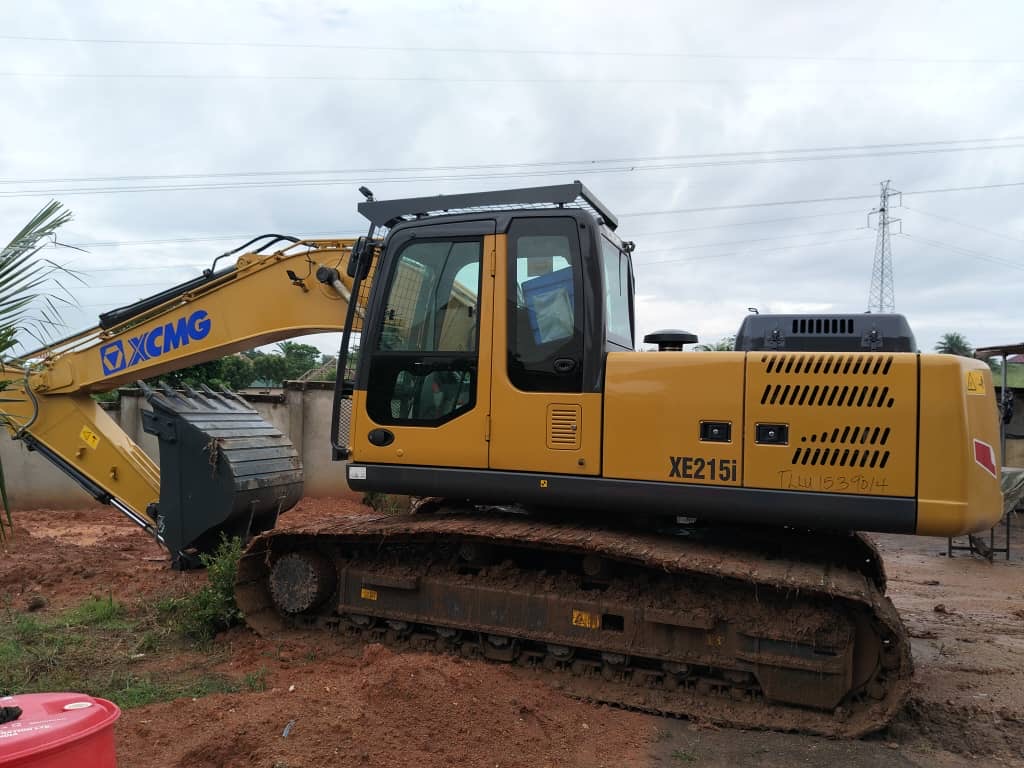
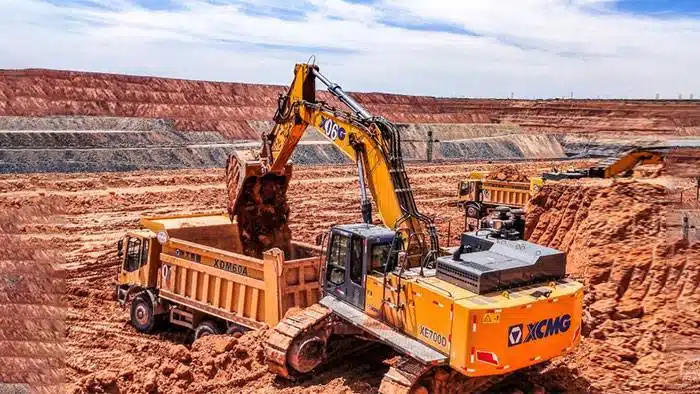
XCMG – Aggressive pricing and state‑backed credit lines; models LW180KV, ZL12.
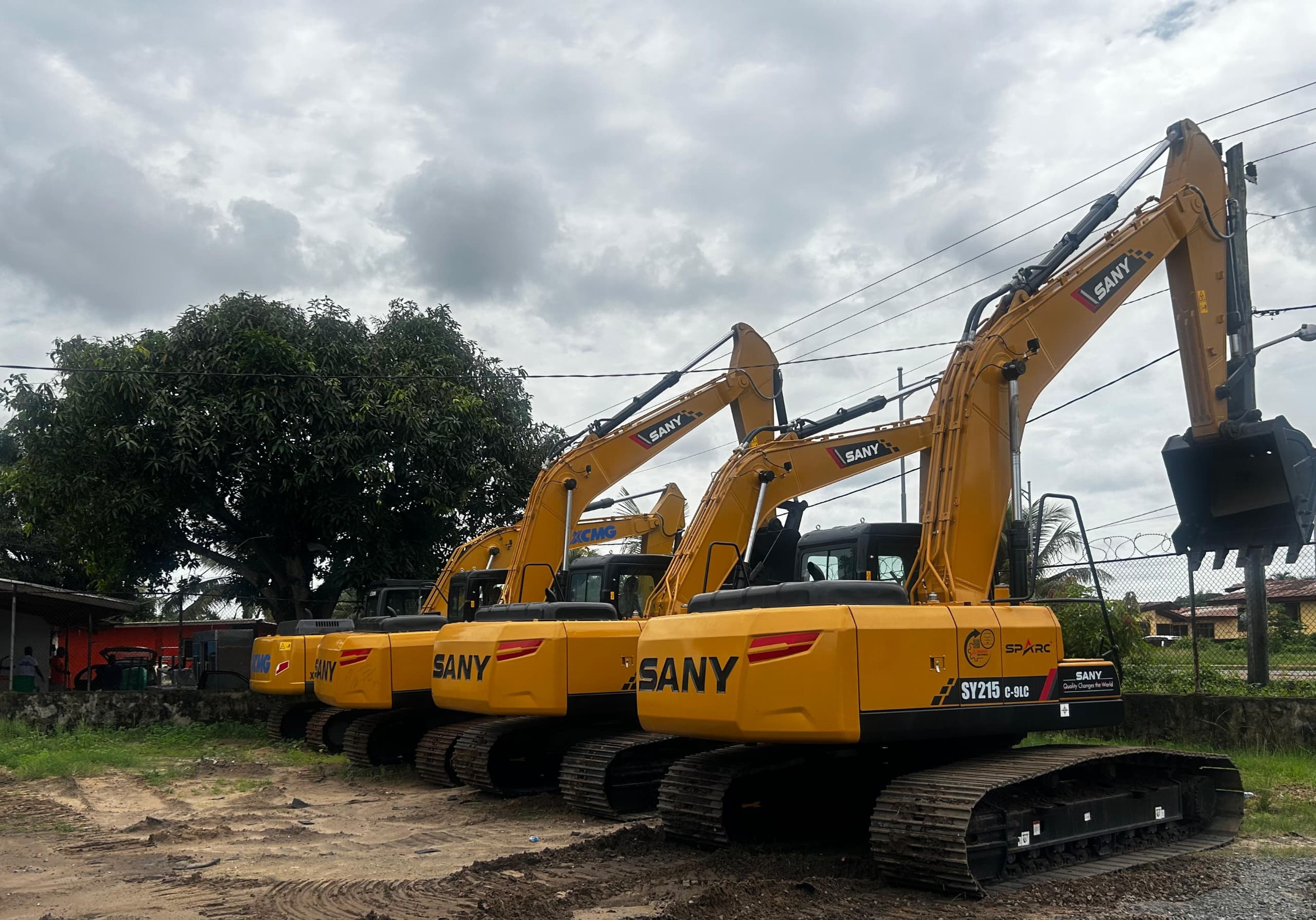
SANY – Growing presence via heavy‑duty rigid loaders and a robust distributor network in Lagos and Abidjan.
Lonking – CDM series loaders popular in Francophone West Africa through Lebanese trading groups.
Other Chinese brands (Wecan, Foton Lovol, SEM) – selling through local partners, often bundled with tractors and graders.
Global OEMs Caterpillar and Komatsu no longer produce new rigid‑frame loaders; their smallest articulated loaders (e.g., Cat 903) compete at a much higher price point and capture only niche municipal contracts.
JCB and Case offer compact articulated loaders but have limited rigid‑loader presence.
Used Equipment Traders European (particularly Dutch and Belgian) exporters ship low‑hour ex‑rental rigid loaders to Cotonou and Lomé. Japanese used ZL‑series units arrive via Dubai. These command a 20–30% discount over new Chinese machines.
Distribution & Aftermarket Sales are dominated by Lebanese, Indian, and local West African merchant families that control import, financing, and spare parts.
Chinese OEMs are increasingly establishing assembly plants and parts warehouses in Lagos (Nigeria), Tema (Ghana), and San Pedro (Côte d’Ivoire) to reduce delivery times and benefit from ECOWAS tariff advantages.
- Challenges Forex volatility & import restrictions Fluctuations in the Nigerian Naira and Ghanaian Cedi can abruptly lift landed costs. Nigeria’s central bank has restricted forex for certain machinery imports, spurring a parallel market premium.
Logistics bottlenecks Port congestion in Lagos and Tema adds 3–5 weeks to delivery schedules. Land transport to Sahelian markets is costly and exposed to insecurity (e.g., parts of Burkina Faso, Mali).
Skill gaps Operators often lack formal training, leading to high wear, breakdowns, and safety incidents. This depresses the lifetime of machines and raises the total cost of ownership.
After‑sales service fragmentation Outside major cities, genuine spare parts are scarce. Inferior counterfeit parts degrade machine performance, which undermines brand reputation.
Competition from articulated loader rentals For slightly larger jobs, contractors increasingly rent 3‑tonne articulated loaders from fleet owners, a practice that could cap rigid loader market share in peri‑urban areas.
- Trends & Market Evolution Move to higher‑spec rigid loaders: Buyers are shifting from basic ZL10 to ZL18/ZL20 models with enclosed cabs, better hydraulics, and optional air conditioning. This raises average transaction values.
Emergence of financing schemes: Chinese EXIM Bank and local banks (Ecobank, UBA) are piloting equipment leasing facilities. If successful, they could double the addressable market for SMEs.
Digital platforms for used equipment: Start‑ups like Tizeti (Nigeria) and Agri‑shop in Côte d’Ivoire are listing pre‑inspected rigid loaders, improving price transparency and trust.
Local assembly: SDLG’s Nigerian assembly partner (SCOA Motors) and LiuGong’s plant in Lagos signal a shift toward semi‑knocked‑down kits. This reduces costs and import duties under the ECOWAS Common External Tariff (CET).
Sustainability and emissions: Though Euro II–III engines dominate, regulatory discussion on cleaner engines (Euro IV) is starting in Ghana and Senegal. This will increase costs but eventually filter down to the rigid loader segment.
- Outlook (2024–2028) The rigid loader market in West Africa is expected to grow at a CAGR of 5–7% in unit terms, driven by:
Continued implementation of National Development Plans (e.g., Nigeria’s infrastructure fund, Côte d’Ivoire’s 2025 vision).
Rising gold prices incentivising ASM mechanisation.
Expansion of donor‑funded agricultural programmes (World Bank, IFAD).
Gradual formalisation of the equipment rental market.
Market value could surpass $70 million by 2028 if the average price increases through model upgrades and if financing penetration deepens.
For equipment manufacturers and distributors, success hinges on local parts inventory, flexible (naira/CFA‑denominated) pricing, and training programmes that build operator competence. Companies that pair rigid loaders with tractors, trailers, and after‑sales service packages will capture a larger share of this resilient and cost‑conscious market.