
The UAE’s accelerated mining investments in Africa represent one of the most significant—and underappreciated—shifts in global resource geopolitics. Far from being a passive rentier state, the Emirates is using its sovereign wealth, logistics hubs, and strategic neutrality to position itself as a key intermediary between African resource extraction and global supply chains. The end consequence is a subtle reordering of who owns the metals that will power the energy revolution.
Strategic drivers range from oil wealth to mineral security. The UAE’s push into African mining is not opportunistic; it is systemic. Three imperatives coincide:
Industrial diversification and “Operation 300bn”: The national industrial strategy intends to increase the manufacturing GDP to AED 300 billion by 2031. This necessitates reliable, long-term access to aluminum, copper, cobalt, rare earths, and lithium—inputs for everything from electric automobiles to aerospace. Emirates Global Aluminium (EGA), already one of the world’s largest manufacturers, requires bauxite, and its affiliate Guinea Alumina Corporation operates a huge mine in Guinea. Downstream, ADQ-owned companies are developing EV and battery value chains based on African cobalt and lithium.
Food and energy security nexus: Africa’s phosphate (Morocco, Togo, Senegal) is essential for fertilizer production, grounding the UAE’s food-security plan. This blurs the distinction between mining and agricultural resilience, requiring integrated logistical investments.
Financial and geopolitical hedge: As hydrocarbons continue to fall, the UAE is turning petrodollars into hard mineral assets. These are not merely inflation hedges, but also instruments of influence: if the UAE controls copper shipments from Zambia or tantalum from the Democratic Republic of the Congo, it gets leverage with both Western and Asian industrial countries.
Key investments reshape the terrain. Since 2022, the frequency and size of UAE-backed mining agreements in Africa have increased dramatically. Several landmark transactions serve as illustrations for the model.
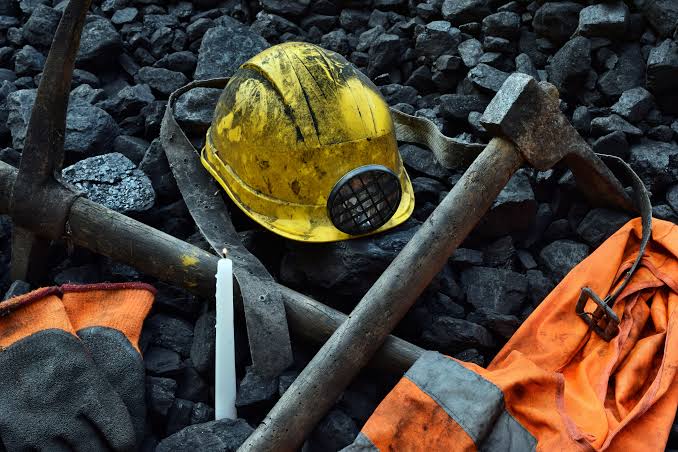
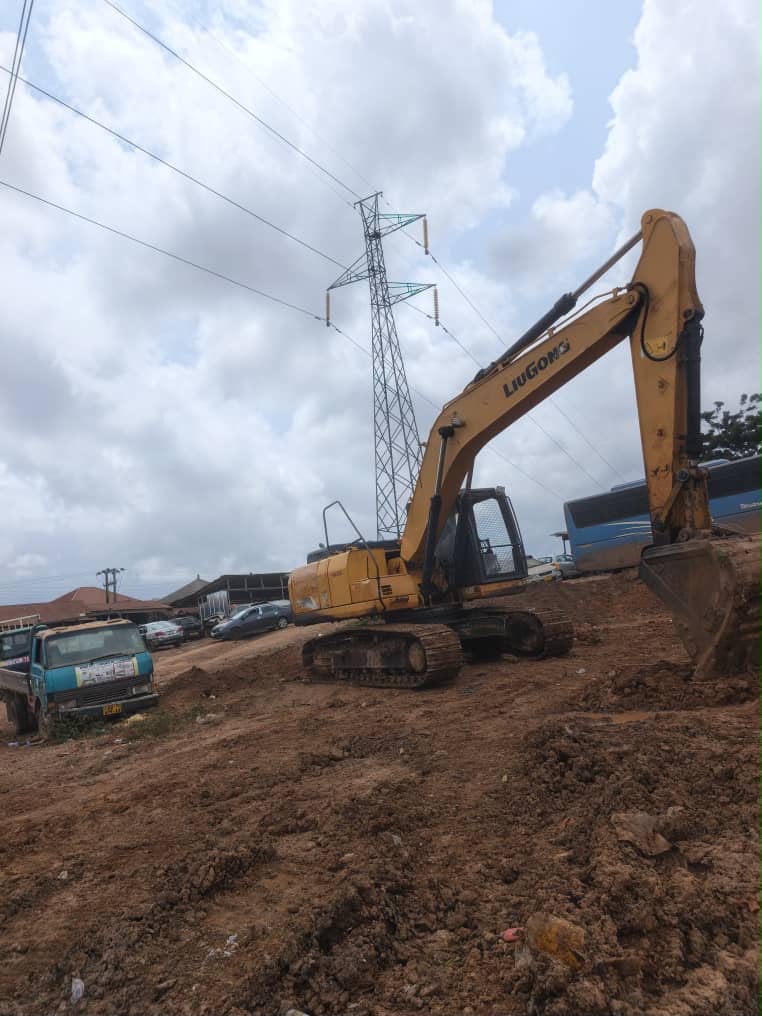
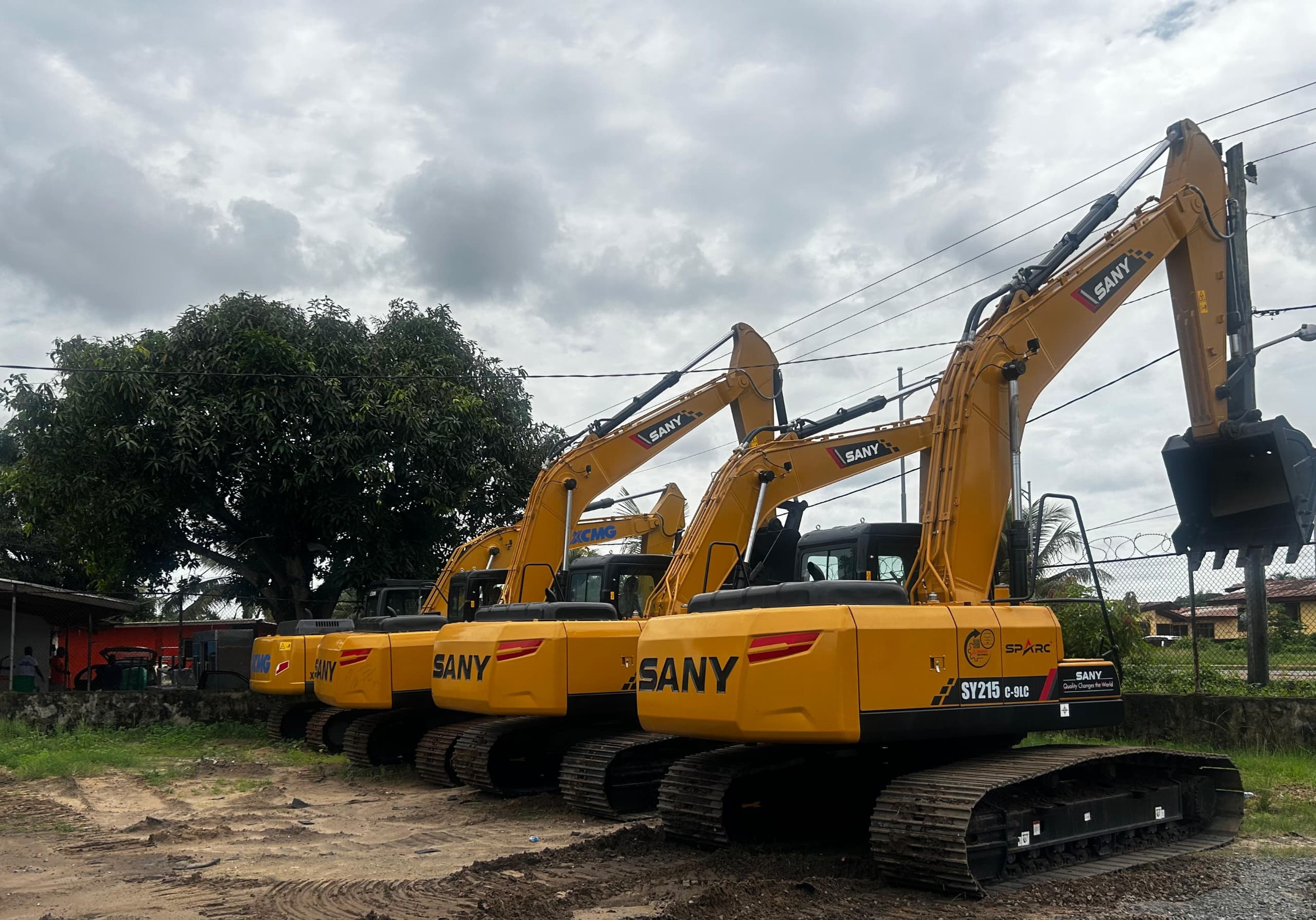
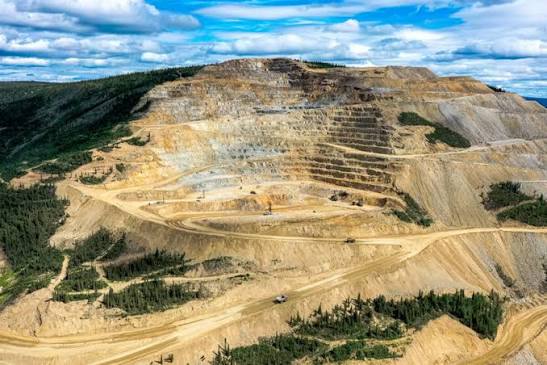
Zambia’s Mopani Copper Mines is the flagship. In late 2023, International Resources Holding (IRH), a subsidiary of Abu Dhabi conglomerate IHC, agreed to pay $1.1 billion for a 51% share in Mopani from state-owned ZCCM-IH. The transaction included a $300 million capital investment to revitalize the huge complex, which contains more than 4 million tonnes of copper reserves. By early 2025, IRH had restarted idled shafts and was exploring further growth, establishing itself as Zambia’s second-largest copper producer. This immediately established the UAE as a credible player in the global copper market, which was starving for fresh supplies.
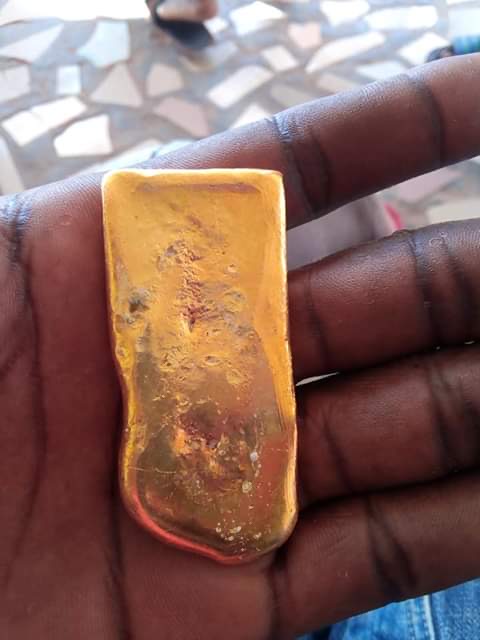
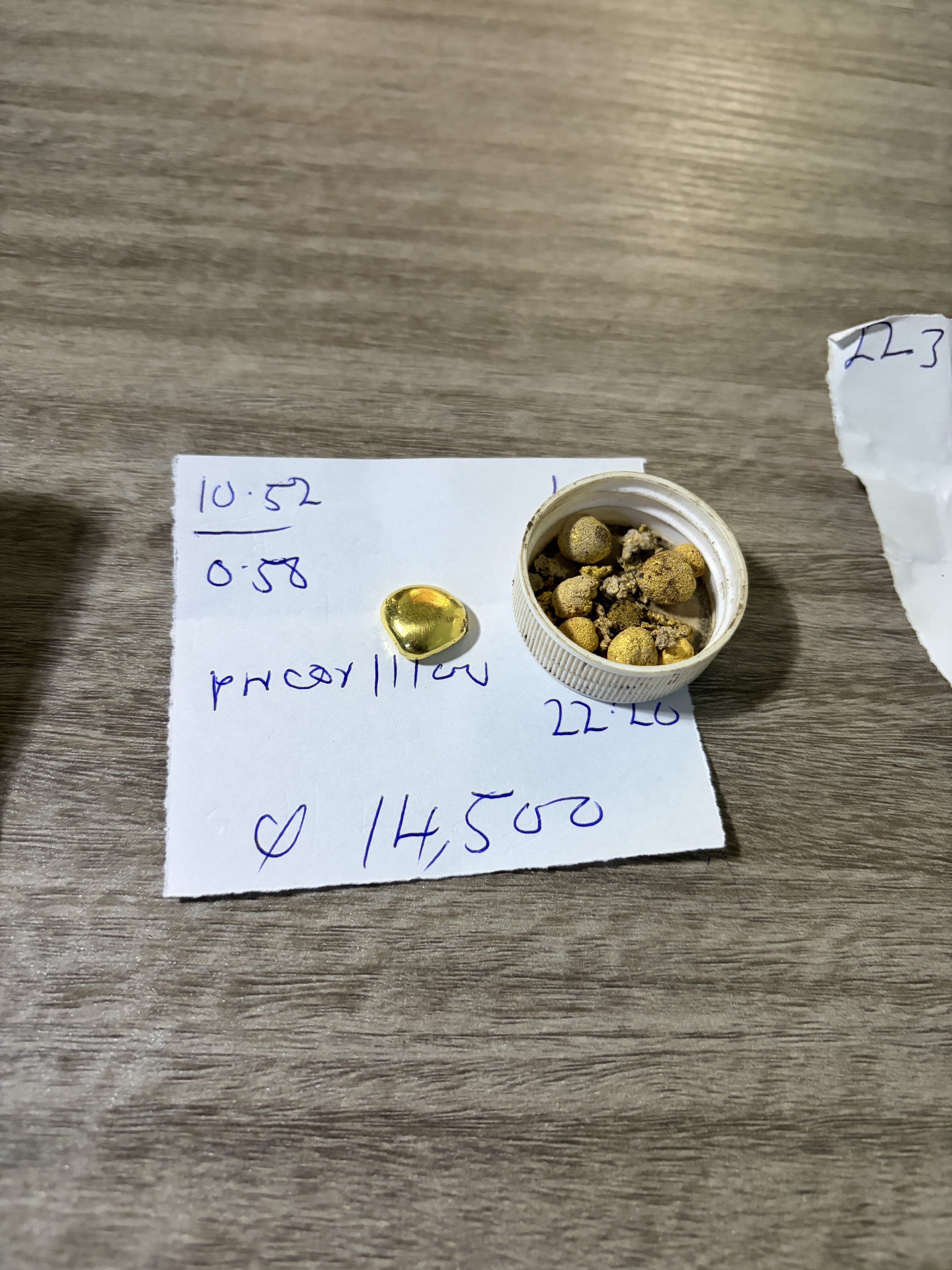
Tanzania’s gold and rare earth deposits followed. In 2024-2025, IRH and ADQ looked into acquiring large holdings in Tanzanian gold mines, including negotiations over Barrick’s Bulyanhulu and North Mara assets, though some discussions turned into offtake and streaming agreements rather than outright ownership. More quietly, UAE firms began sponsoring rare-earth and graphite exploration in Tanzania and Mozambique, frequently through joint ventures that combine infrastructure (ports, roads) and mineral rights.
The Democratic Republic of the Congo (DRC) remains a strategic treasure. Although Chinese companies dominate cobalt and copper concessions, the UAE has carved out a niche in the high-value midstream. In 2023, the UAE announced a $1.9 billion contract with the DRC for artisanal gold and battery materials, which will route production through a new UAE-backed trading hub. While critiqued for secrecy and artisanal mining concerns, the agreement provided the Emirates with direct access to cobalt and tantalum, which had previously flowed almost exclusively to China. By 2025, UAE logistics giant DP World planned to build the port of Banana on the DRC’s Atlantic coast, opening up an alternate export corridor that might reduce Kinshasa’s reliance on Chinese-owned routes through Tanzania and South Africa.
Bauxite in Guinea is a long-standing but growing relationship. EGA’s Guinea Alumina Corporation operates a mine with 1 billion tonnes of reserves and a dedicated export terminal. By 2025, the UAE was considering establishing an integrated alumina refinery in Guinea, potentially moving beyond raw ore exports—a move that might upset the current China-dominated processing chain.
Phosphate and fertilisers have prompted the UAE to invest billions of dollars in Morocco, Egypt and Togo. ADQ’s collaboration with Morocco’s OCP Group entails the collaborative development of phosphate hubs, fertiliser plants, and ammonia production, bolstering the UAE’s position as a global food security actor.
Infrastructure advantages include ports, power, and corridors. What distinguishes the UAE from typical miners is that it arrives with a complete logistical stack. DP World runs or owns ports in Berbera (Somaliland), Luanda (Angola), Maputo (Mozambique), and Dakar (Senegal). These nodes will be linked to mining hinterlands via new rail and road linkages, which are frequently sponsored by the Abu Dhabi Fund for Development or through barter-style resource-backed loans. This “port-to-pit” concept lowers transportation costs and boosts exports, offering UAE-linked projects a competitive advantage over competitors who rely on crowded colonial-era rail connections.
Energy is the second enabling. Masdar, the UAE’s renewable energy conglomerate, has signed agreements to build solar and green hydrogen plants around Africa. Mining operations, which are notoriously dependent on diesel, are increasingly being linked with Masdar-backed solar farms, decreasing operational costs and boosting ESG credentials. In Zambia, for example, the Mopani rebirth included a solar hybrid power scheme that was supported by UAE renewables expertise.
Changing global resource power dynamics The UAE’s African mining effort is changing the landscape of global resource power in three basic ways.
- Ending China’s near-monopoly in vital mineral processing. China refines around 90% of rare earths and more than 70% of cobalt. The UAE is establishing itself as a neutral, non-aligned processing and trading hub. The Khalifa Industrial Zone Abu Dhabi (KIZAD) and Ras Al Khaimah free zones are touted as refining and metal-smelting facilities for African ores. Chinese firms are being persuaded to establish processing units in the UAE through joint ventures incorporating African raw materials, resulting in a triangular partnership in which the UAE grabs the midstream. This suits Western governments that want to diversify away from China but are hesitant to fund mining in hazardous regimes directly; instead, they can buy refined metals from a “friendly” UAE.
- Innovative funding arrangements that bypass the West and China. UAE resource-backed financing is supplementing traditional mining funding, which includes equity markets in Toronto, London, and Sydney, as well as Chinese state bank loans. The Emirates provides upfront cash, infrastructure-for-mineral swaps, and offtake arrangements with Emirati trading houses. This appeals to African governments frustrated by IMF conditions or opaque Chinese loan terms. However, it reduces transparency because many UAE vehicles are sovereign-linked but do not have the same disclosure requirements as Western-listed miners.
- A geopolitical hotspot for Africa. The UAE’s non-ideological, transaction-focused approach enables it to operate in countries where Western miners have fled owing to sanctions, governance concerns, or security risks—Sudan, areas of the Sahel, and the eastern DRC. The UAE earns diplomatic heft by establishing itself as a reliable customer and infrastructure partner. It mediated in the Sudan crisis while also negotiating gold transactions; in the Horn of Africa, port diplomacy is inextricably linked with mineral access. This makes the Emirates an inevitable interlocutor in any global discussion about African resources, ranging from important mineral agreements (such as the US-led Minerals Security Partnership) to EU supply-chain due diligence.
Risks and Contradictions The strategy is not without flaws. Governance risks in Africa remain high—resource nationalism, political instability, and a backlash against “foreign exploitation” may harm UAE assets as much as Western ones. In Zambia, there is already concern about the Mopani agreement terms and if national interests were protected. Human-rights groups have criticized the DRC’s opaque gold and cobalt deals with the UAE, citing links to artisanal mining and smuggling. The UAE will face pressure to comply with OECD due diligence norms, particularly if it wishes to sell refined metals into the EU and US markets under new battery laws.
Chinese competition is increasing rather than decreasing. Chinese state businesses continue to own the best DRC copper-cobalt assets, and Belt and Road finance binds African governments to Beijing in ways that the UAE cannot readily mimic. The danger of a Middle Eastern capital cold war—Saudi Arabia has comparable mining ambitions and is battling for African access—could cause asset prices to rise and prompt reactive measures.
Finally, the UAE’s strategy is primarily reliant on oil-based state capital. A sustained drop in oil prices or a local financial shock might halt investment, leaving half-completed infrastructure projects and unfulfilled mineral pledges.
Conclusion: A new resource broker is born. The UAE’s African mining ventures are more than just a financial diversification strategy; they are part of a purposeful, state-sponsored push to establish the country as a vital middle power in the global resource market. By controlling significant copper, cobalt, bauxite, and gold flows and wrapping them in ports, renewable energy, and processing hubs, Abu Dhabi is establishing a parallel mineral supply chain that competes with both Chinese domination and Western-led extractive methods. This restructuring of resource power is already affecting trade routes, investment patterns, and diplomatic alliances in Africa and beyond. The next chapter of the global race for key minerals will be determined by whether the UAE can maintain its current pace in the face of rising governance demands and geopolitical obstacles.