
This is a thorough, organized summary of the size, growth factors, major players, trends, and future prospects of the construction equipment rental market in India.
- Snapshot of the Executive
The rental market for construction equipment in India is evolving from a disorganized, fragmented sector to one that is becoming more organized and technologically advanced. Renting is increasingly the favored approach for many contractors, lowering capital expenditure and increasing fleet utilization due to significant infrastructure investment, growing equipment costs, and GST benefits. - Market Size and Growth Forecasts
Estimated for 2024: USD 1.2–1.3 billion (organized plus unorganized).
Forecast for 2029–2030: USD 1.9–2.3 billion
CAGR: 7.5% to 9.5% for the following five to seven years (sources: industry estimates, 6Wresearch, Mordor Intelligence, and Ken Research)
Although it is still far below established markets (50–70%), the rental penetration rate (percentage of equipment acquired via rental) has increased from about 7–8% ten years ago to about 15–20% now, showing significant headroom.
- The Main Causes of the Growth in Renting
Push for Government Infrastructure
Excavators, backhoes, cranes, concrete pumps, and road machinery are in constant demand due to the National Infrastructure Pipeline (NIP), PM Gati Shakti, Bharatmala, Sagarmala, affordable housing, and smart cities.
Efficiency of Cost and Cash Flow
Outright purchases are unappealing due to high borrowing rates, inflation, and limited working capital. Rental helps contractors quote more competitively by turning a significant capital expenditure into a predictable operating expense.
Input Tax Credit and GST
A registered lessee may receive a full input tax credit under GST (18% on equipment rental), making rentals tax-neutral and encouraging the transition from unofficial cash rentals to structured, invoiced transactions.
Fleet management and technology
Real-time monitoring, predictive maintenance, and utilization reports are made possible by telematics, GPS tracking, and IoT—creating confidence and cutting down on downtime.
Needs for Short-Term Projects
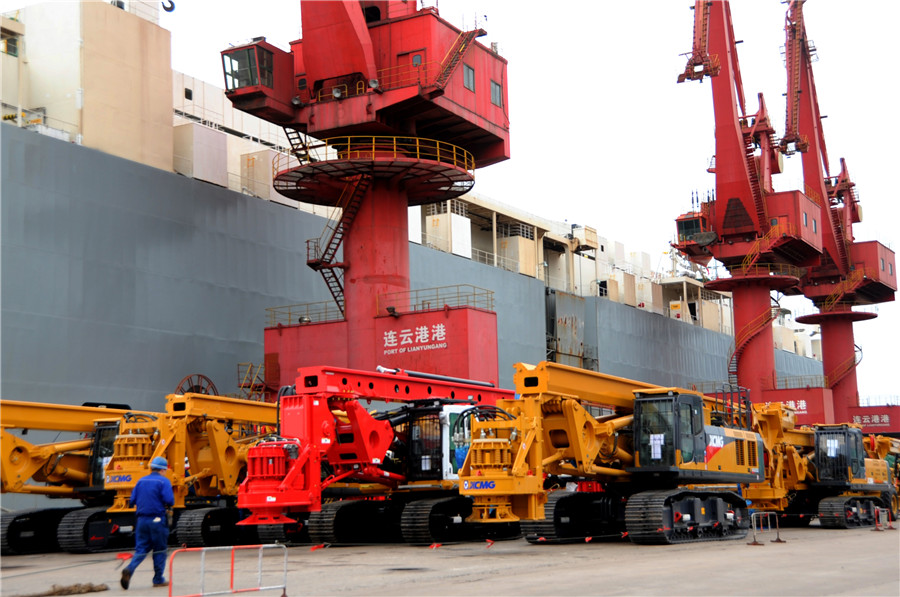
Large projects frequently call for specialized equipment (such as tunnel boring equipment and piling rigs) for brief periods of time, making renting the only practical choice.
Growth of Online Rental Platforms
By bridging the gap between small owners and contractors, aggregators and equipment-sharing apps are enhancing booking simplicity and transparency.
- Important Equipment Segments (by volume of demand)
Typical Machines for Segment Share
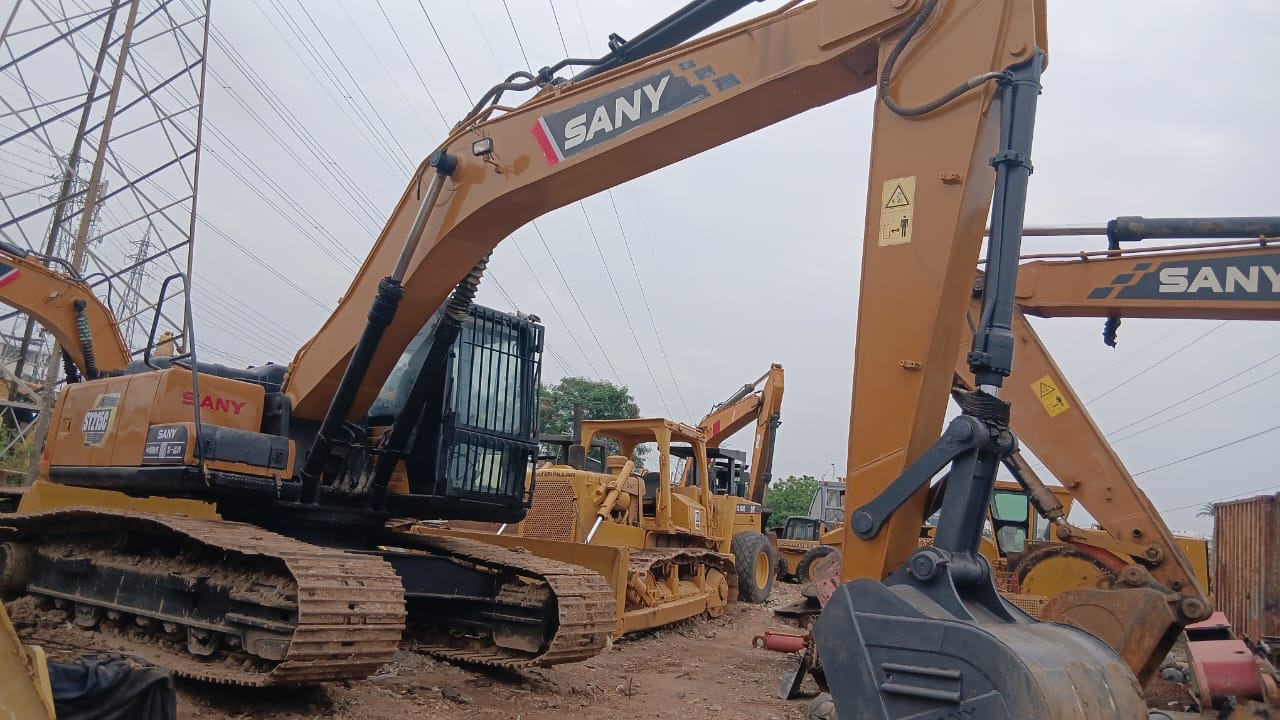
55% of earthmoving equipment is made up of backhoe loaders, skid-steer loaders, motor graders, and excavators (the 20T class being the most common).
Material Handling & Cranes ~20% Telehandlers, forklifts, and mobile cranes (hydra, crawler, tower)
Concrete Equipment: 12% Batching plants, concrete pumps, and transit mixers
Milling machines, asphalt pavers, and vibratory rollers make up around 8% of road construction.
Aerial Work Platforms & Others ~5% Lighting towers, generators, boom lifts, and scissor lifts
The mainstay of the rental business continues to be backhoe loaders and mid-size excavators (12–22 T). Infrastructure safety standards have led to a rapidly expanding market for aerial work platforms (AWPs). - Trends Changing the Market
OEM-Backed Rental & Organized Fleets
To provide “pay-per-use” models and guaranteed machine availability, major OEMs (JCB, Tata Hitachi, Volvo CE, and Caterpillar dealers) are growing their own rental divisions or collaborating with rental firms.
Digital aggregators and startups
Apps are used by platforms such as Infra.Market (the vertical for equipment rentals), Equipment Rentals India, Rentickle, Dooz, and Bhoomi to match idle devices with demand, frequently providing maintenance and insurance packages.
Leasing of Green Equipment
Although they are still in their infancy, interest in electric mini-excavators, electric loaders, and hybrid cranes is growing. The rental fleet may be forced to switch to more environmentally friendly options by future emission standards (CEV-V).
Distress and Consolidation
There was a brief disturbance in 2021 when the Srei group, which had previously owned Quippo, the biggest equipment rental company in India, declared bankruptcy. Well-funded companies like L&T, Action Construction Equipment (ACE), and local fleet owners are filling the need.


Change to “Contract Rental” or Long-Term Lease
For high-utilization fleets, three to five-year full-maintenance leases are becoming more popular as an alternative to daily or monthly hire.
- The Competitive Environment
There are three layers to the market:
Examples of Categories
Big National Rental CompaniesL&T Construction Equipment Rental, Gemini Equipment & Rentals, Quippo (reorganized under new management), Sanghvi Movers (crane expert), and Aerial Access (AWP leader)
JCB Rental, Tata Hitachi Rental, Volvo CE Rental (via dealers), Schwing Stetter, CASE Construction, and ACE Rentals are examples of OEM-Linked/Dealer Rentals.
Infrastructure Rentals India, Dooz, digital aggregators and SMEs, and local fleet owners with five to fifty machines
The market for big crane rentals (50T–800T crawler cranes, telescopic cranes) is dominated by Sanghvi Movers. Serving both its own projects and third parties, L&T’s internal rental division is one of the biggest in terms of fleet size. Action Construction Equipment, or ACE, has been rapidly growing its rental business, especially for telehandlers, mobile cranes, and backhoes.
- Hotspots for Regional Demand
North: Rajasthan (industrial corridors), NCR, and UP (expressways, metro)
West: Gujarat (Dholera SIR, bullet train), Maharashtra (Mumbai metro, coastline road)
South: Tamil Nadu, Telangana, Karnataka (Bengaluru metro, road projects)
East: West Bengal, Assam (bridges, roads), Odisha (mines, industrial infrastructure)
Smaller concrete and earthmoving machinery for road and hydropower projects in the northeastern and hilly states.
- Significant Obstacles
Low Renting Culture: A lot of small contractors still favor purchasing or owning used equipment.
Fragmented, Unorganized Sector: Rentals that are cash-based and do not comply with GST are still common, which lowers prices for organized companies.
Credit Risk & Late Payments: Long payment cycles and lax contract enforcement put a burden on rental cash flows.
Maintenance & Logistics Costs: Return on assets is negatively impacted by idle time between contracts, and moving large equipment between job sites is costly.
Lack of Skilled Operators: Rental companies are compelled to package operator services since the availability of skilled operators frequently determines whether an equipment is hired.
- Prospects for the Future (2026–2030)
By 2029–2030, the market is expected to surpass $2 billion because to ongoing government capital expenditures and increasingly complex infrastructure projects.
As organized players and fintech-backed leasing models make renting simpler and more transparent, rental penetration may reach 25–30%.
The distinction between rental, leasing, and new sales will become less clear as OEMs expand pay-per-use and subscription models.
AI and telematics will become commonplace in asset management, allowing for more fleet utilization and dynamic pricing.
Renting out electric and hybrid equipment will become a specialty, first in urban projects with emission limitations.
As well-capitalized companies buy distressed or smaller fleets, M&A activity is anticipated, consolidating the organized segment.
In summary, infrastructure spending, favorable tax laws, and a slow change in contractor attitudes are driving India’s construction equipment rental market’s structural growth phase. The best-positioned companies to take advantage of the upcoming expansion wave are those with solid balance sheets, digital platforms, and OEM support.