
Purchasing heavy equipment in India involves a series of strategic decisions, from choosing the right machine and financing method to selecting a trustworthy seller. This guide combines information on financing, online marketplaces, and authorized dealerships to help you make an informed purchase.
🗺️ Overview of Buying Options
Here is a quick comparison of the most common ways to buy heavy equipment in India:
📝 A Step-by-Step Guide to Buying
1. Assess Your Needs and Budget

Before you start, clearly define your project requirements.
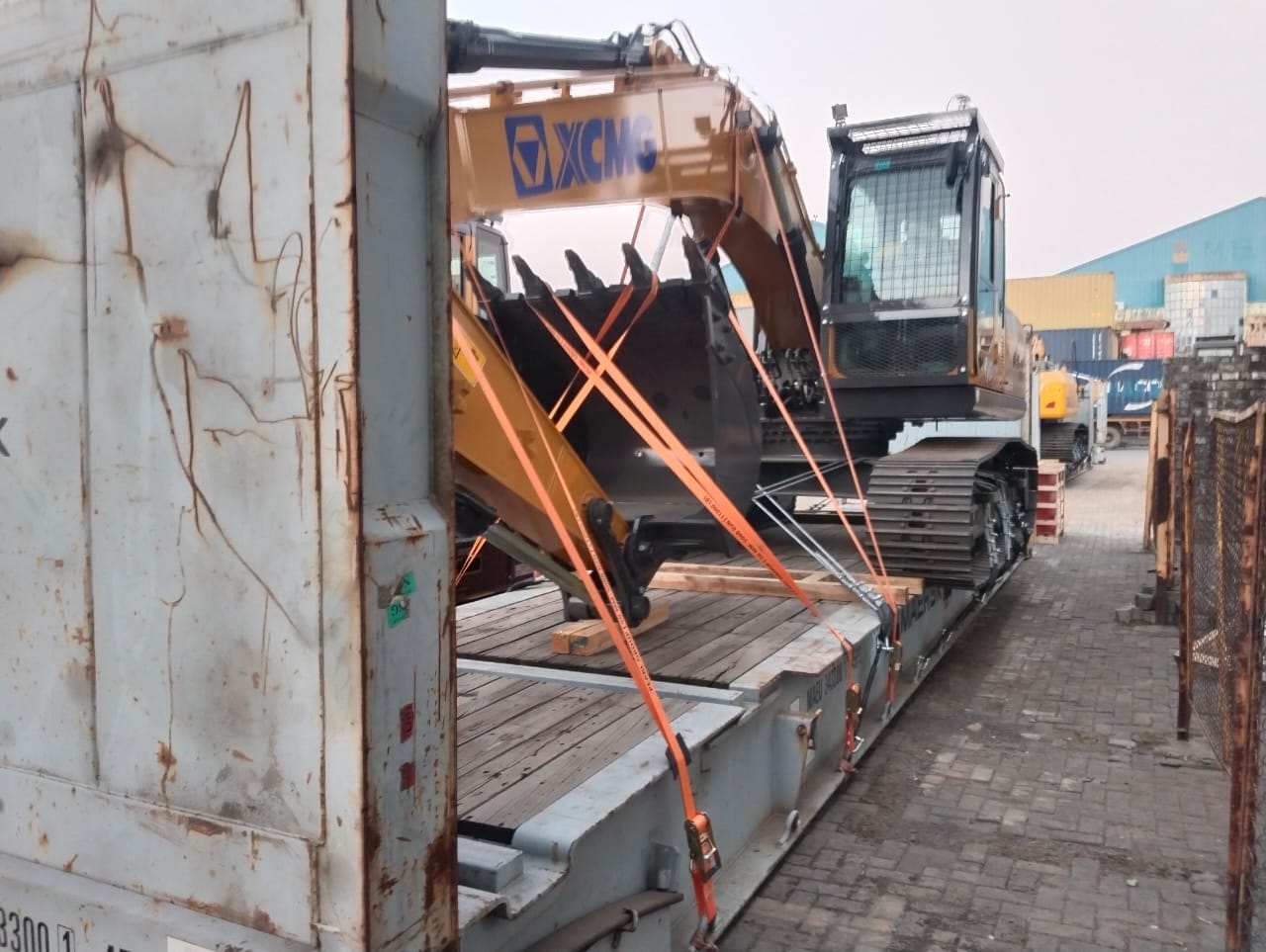
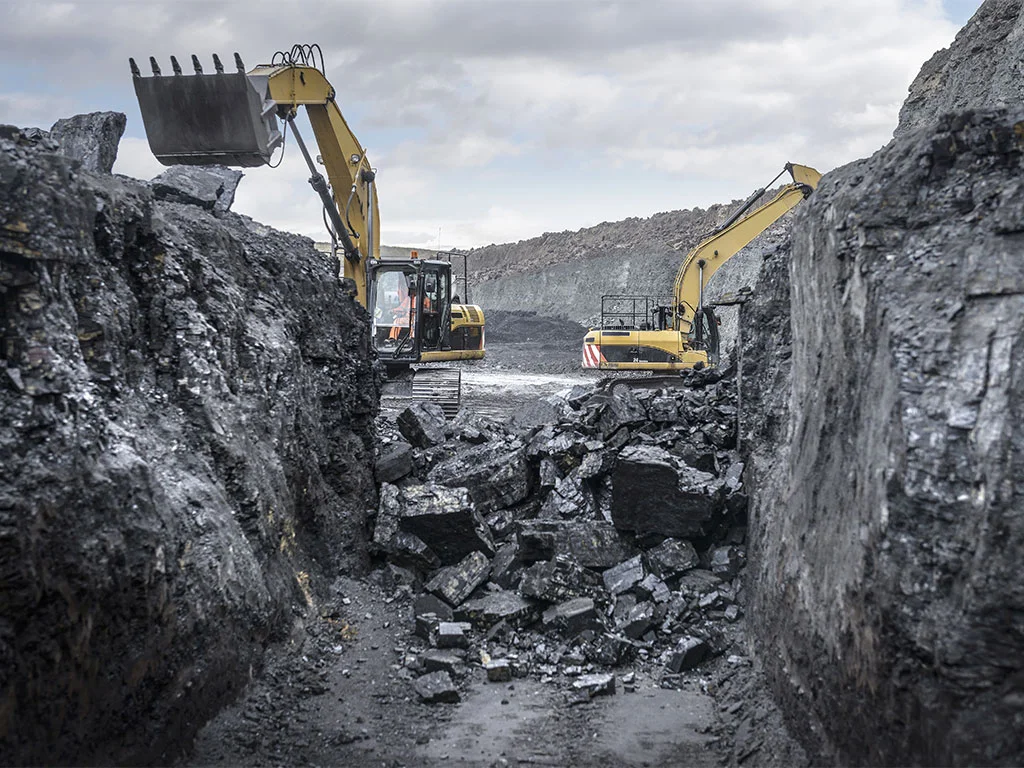
- Machine Type: Determine the specific equipment you need, such as an excavator, backhoe loader, or crane. Consider the scale of your project and the terrain where it will operate.
- New vs. Used: Evaluate your budget and timeline. New machines offer the latest technology and full service support but come at a higher cost. Used machines are more budget-friendly and depreciate less, but require a more careful inspection.
- Total Cost of Ownership: Don’t just focus on the purchase price. Factor in fuel efficiency, maintenance costs, spare parts availability, and potential downtime.
2. Explore Your Financing Options
If you are not paying in cash, securing financing is a critical next step. Several options are available:
- Equipment Loans: This is a common route. You can approach public sector banks like the State Bank of India (SBI), which offers specialized loans for construction equipment with interest rates around 10-11%. Private banks like HDFC and Axis Bank, as well as Non-Banking Financial Companies (NBFCs) like Shriram Finance, also offer competitive loan products with faster processing times.
- Leasing: This is a smart alternative, especially for short-term projects or if you prefer to use the latest equipment models. You pay a fixed monthly rental and return the machine at the end of the term, avoiding maintenance and obsolescence risks.
3. Find a Reputable Seller
You can purchase equipment through two main channels:
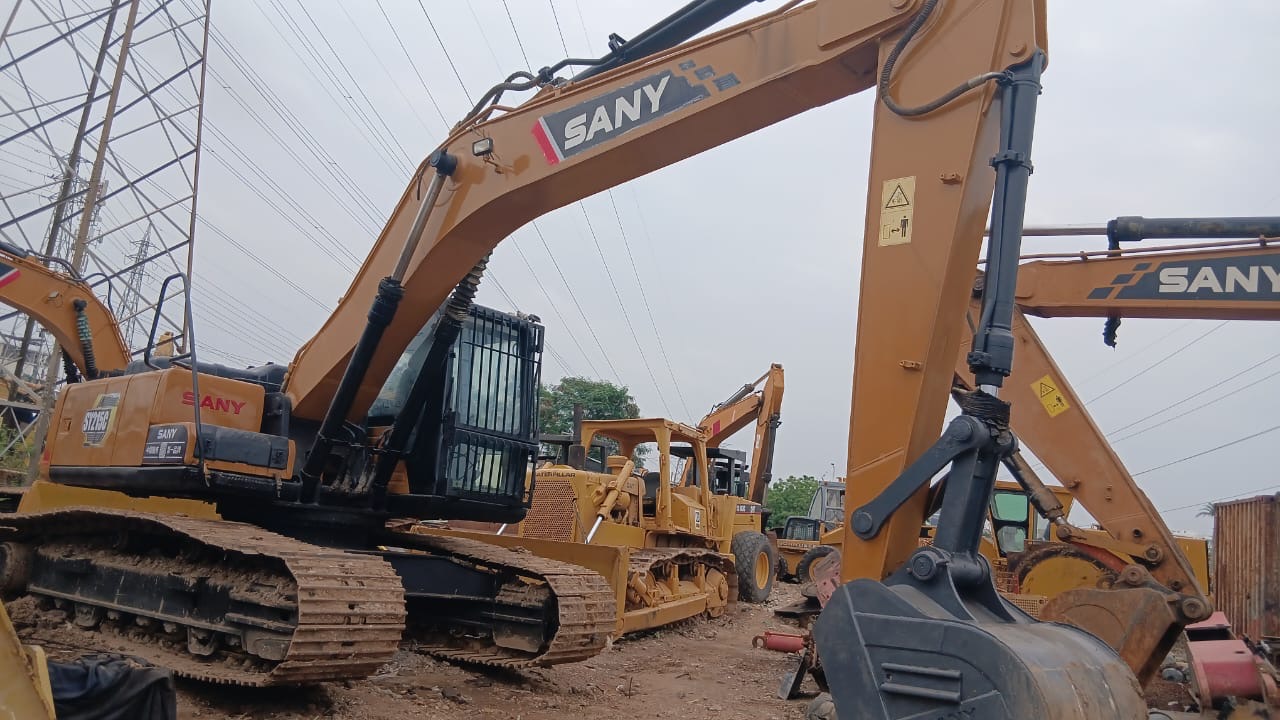
- Authorized Dealerships (3S Facilities): Major manufacturers like CASE, SANY, and JCB have a vast network of dealerships across India. Many offer “3S” facilities that provide Sales, Service, and Spare Parts under one roof. This is the most reliable option for buying new equipment and ensuring strong after-sales support.
- Digital Marketplaces: For new and used equipment, online platforms are becoming increasingly popular.
- Desi Machines: A neutral platform designed to help buyers, especially in smaller towns, compare machines, evaluate buying vs. renting, and access financing.
- Heavy Machinery Care (HMC): A comprehensive app where you can find listings for new and used equipment from brands like JCB, Tata Hitachi, and Volvo. It also connects you with finance experts and service providers.
- Shriram Automall & CarTrade Exchange: These are trusted platforms specifically for used equipment. They offer verified listings, detailed inspection reports, and can assist with financing and paperwork.
4. Conduct a Thorough Inspection (Crucial for Used Equipment)
If you are buying a used machine, a physical inspection is non-negotiable.
- Perform a Checklist: Examine the engine for performance and noise, the hydraulic system for leaks, and the undercarriage/tyres for wear. Check the hour meter reading and look for any cracks in the chassis or signs of rust.
- Review Service Records: Ask for maintenance logs and repair history. A machine with a documented service record is a much safer investment.
- Take a Test Run: If possible, operate the machine to check for unusual vibrations, smoothness of controls, and proper functioning of all components like the bucket, boom, and brakes.
5. Verify Documentation
Ensuring all paperwork is in order is essential to avoid legal issues later.
- Ownership: Verify that the seller is the legal owner. If the machine was financed, ensure a No Objection Certificate (NOC) is obtained from the previous financier.
- Registration and Insurance: Check the Registration Certificate (RC) and ensure the road tax is paid. Verify that the insurance is valid and transfer it to your name after purchase.
6. Finalize the Purchase
Once you are satisfied with the machine and its documentation, it’s time to close the deal.
- Negotiate: Use your research on market rates, the machine’s condition, and its usage hours to negotiate the final price.
- Secure Payment: Avoid paying in cash. Use a digital payment, demand draft, or a platform that offers secure payment gateways. Always obtain a signed invoice and payment receipt.
💡 Final Tips for a Smart Purchase
- For First-Time Buyers: Consider starting with a used machine from a reputable platform like Shriram Automall to lower your initial investment risk. You can also use a neutral platform like Desi Machines to compare options without pressure.
- For Securing Better Financing: Maintain a good CIBIL score and have all your financial documents (IT returns, bank statements) ready. A down payment of 25-30% can significantly improve your loan terms.
- Prioritize After-Sales Support: For new equipment, a dealer with a strong local presence for service and spare parts is as important as the machine itself. For used machines, factor in the availability of spare parts for that particular brand and model before buying.
I hope this detailed guide helps you navigate the process of buying heavy equipment in India. If you have a specific type of machinery or budget in mind, feel free to ask, and I can try to provide more targeted information.