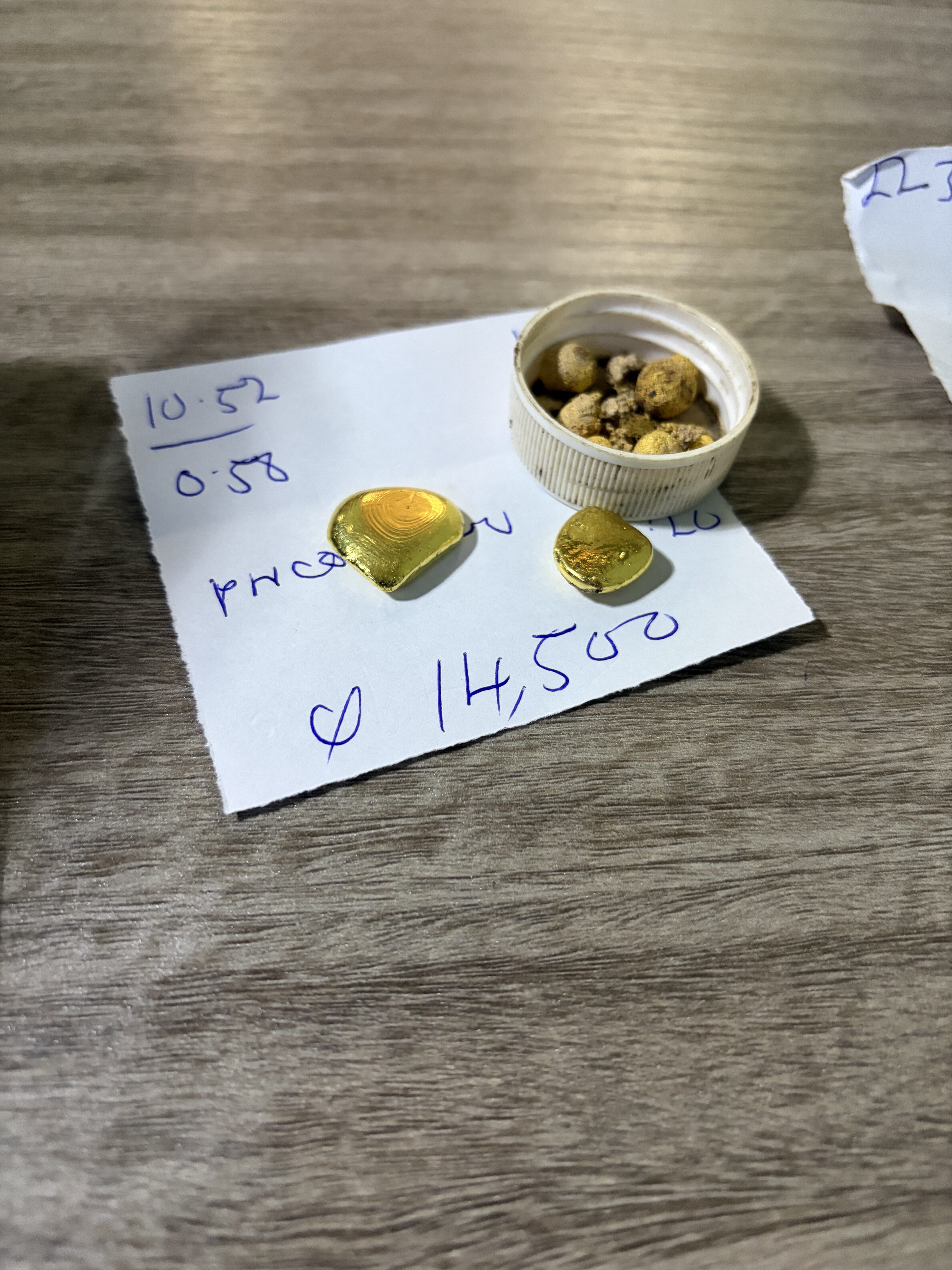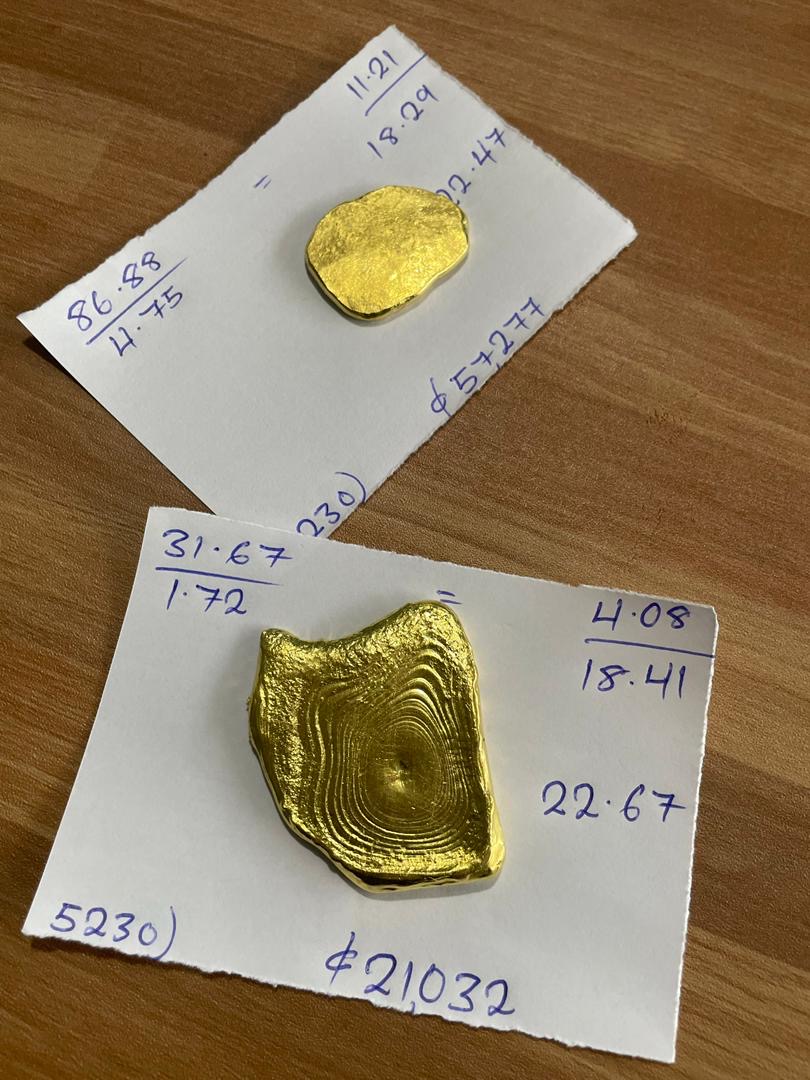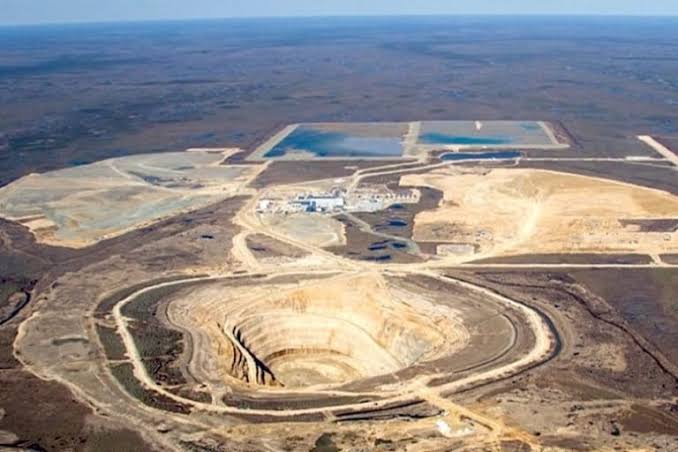

Africa is a dominant force in global gold production, accounting for nearly a quarter of the world’s supply, yet this wealth is often not reflected in national reserves. Here is a breakdown of the key data, trends, and challenges for the gold mining industry in Africa as of early 2026.
Top Gold Producers in Africa (2024-2025 Data) The table below presents the most recent production data from authoritative sources like the World Gold Council. While 2024 data provides a solid baseline for comparison, it’s important to note the significant shifts that occurred in 2025.
Rank (2024) Country 2024 Production (Tonnes) 2025 Production / Key Notes 1 Ghana ~140 Topped 187 tonnes (est.). Topped 6M oz (~186.6 tonnes). Earned ~$20.9B from exports. 2 Mali ~100 Declined due to disputes; totalled ~48.2 tonnes in 2025. 3 South Africa ~99 ~98.1 tonnes. Once >600 tonnes (1990s). 4 Burkina Faso ~94 Reached a record ~94 tonnes in 2025. 5 Sudan ~74 ~70 tonnes, generating ~$1.8B in public revenue. 6 Guinea ~68 ~63 tonnes in 2024, but production is growing. 7 Côte d’Ivoire ~58 Sector is expanding rapidly due to its stable investment climate. 8-10 Tanzania, DRC, Zimbabwe Variable Significant producers, with Zimbabwe seeing a ~46% increase in gold deliveries in H1 2025. Leading Mines on the Continent (2025) The shift in production also caused a change in the ranking of the continent’s largest individual mines, driven by operational challenges in previously top-ranked sites.
The Top 5 Gold Mines in Africa (2025)
Kibali (DRC) – 674,000 ounces – Barrick / AngloGold Ashanti
Ahafo South (Ghana) – 664,000 ounces – Newmont
Fekola (Mali) – 530,769 ounces – B2Gold
Tasiast (Mauritania) – 503,429 ounces – Kinross Gold
Sukari (Egypt) – 500,000 ounces – AngloGold Ashanti
Collectively, these five mines produced 2.87 million ounces of gold in 2025.
Economic Impact of the Gold Sector Gold is a critical economic driver for many African nations, contributing significantly to government revenues and foreign exchange earnings. The recent surge in gold prices to over $5,000 an ounce has further amplified its importance.
Ghana’s windfall: In the first half of 2025 alone, Ghana’s artisanal and small-scale mining (ASM) sector produced 81,719 kg of gold, generating a massive 8.06 𝑏 𝑖 𝑙 𝑙 𝑖 𝑜 𝑛 ∗ ∗ 𝑖 𝑛 𝑒 𝑥 𝑝 𝑜 𝑟 𝑡 𝑟 𝑒 𝑣 𝑒 𝑛 𝑢 𝑒 [ 𝑟 𝑒 𝑓 𝑒 𝑟 𝑒 𝑛 𝑐 𝑒 : 26 ] . 𝑇 𝑜 𝑡 𝑎 𝑙 𝑔 𝑜 𝑙 𝑑 𝑒 𝑥 𝑝 𝑜 𝑟 𝑡 𝑒 𝑎 𝑟 𝑛 𝑖 𝑛 𝑔 𝑠 𝑓 𝑜 𝑟 𝑡 ℎ 𝑒 𝑐 𝑜 𝑢 𝑛 𝑡 𝑟 𝑦 𝑖 𝑛 2025 𝑟 𝑒 𝑎 𝑐 ℎ 𝑒 𝑑 𝑎 𝑝 𝑝 𝑟 𝑜 𝑥 𝑖 𝑚 𝑎 𝑡 𝑒 𝑙 𝑦 ∗ ∗ 8.06billion∗∗inexportrevenue[reference:26].Totalgoldexportearningsforthecountryin2025reachedapproximately∗∗20.9 billion.
Export projections: Driven by rising production and high prices, gold exports from Africa are projected to exceed $45 billion by the end of 2025.
Gold Reserves vs. Production: A Stark Imbalance Despite producing more than a quarter of the world’s gold, African central banks collectively hold only about 2% of global gold reserves. This is because most of the gold mined is exported, often in unrefined form. The total central bank reserves in Africa reached 530 𝑏 𝑖 𝑙 𝑙 𝑖 𝑜 𝑛 𝑖 𝑛 2025 , 𝑢 𝑝 𝑓 𝑟 𝑜 𝑚 530billionin2025,upfrom480 billion in 2024. The table below shows the continent’s largest gold holders.
Rank Country Gold Reserves (Tonnes) 1 Algeria 173.6 2 Libya 146.7 3 Egypt 126.8 4 South Africa 125.4 5 Morocco 22.1 The value of Africa’s gold reserves has surged to $91.7 billion due to the sharp rise in gold prices.
Key Trends and Challenges Contrasting Reserve Strategies: Some countries are building reserves (Kenya, Egypt), while others are selling to manage risk (Ghana cut holdings by 51%).
Local Value Addition: Building refineries (Ghana, Burkina Faso) and gold-backed currency (Zimbabwe) to capture more value.
Regulatory Changes: Risk of new royalties (Ghana sliding scale of 5-12%) and disputes (Barrick/Mali) affecting investment.
The Outlook to 2030 In West Africa, gold production is expected to see marginal growth of 0.9% annually to 11.4 million ounces by 2030, driven by new projects. However, the sector’s ability to navigate political instability, security risks, and regulatory changes will be crucial in determining whether Africa can turn its mineral wealth into lasting prosperity.