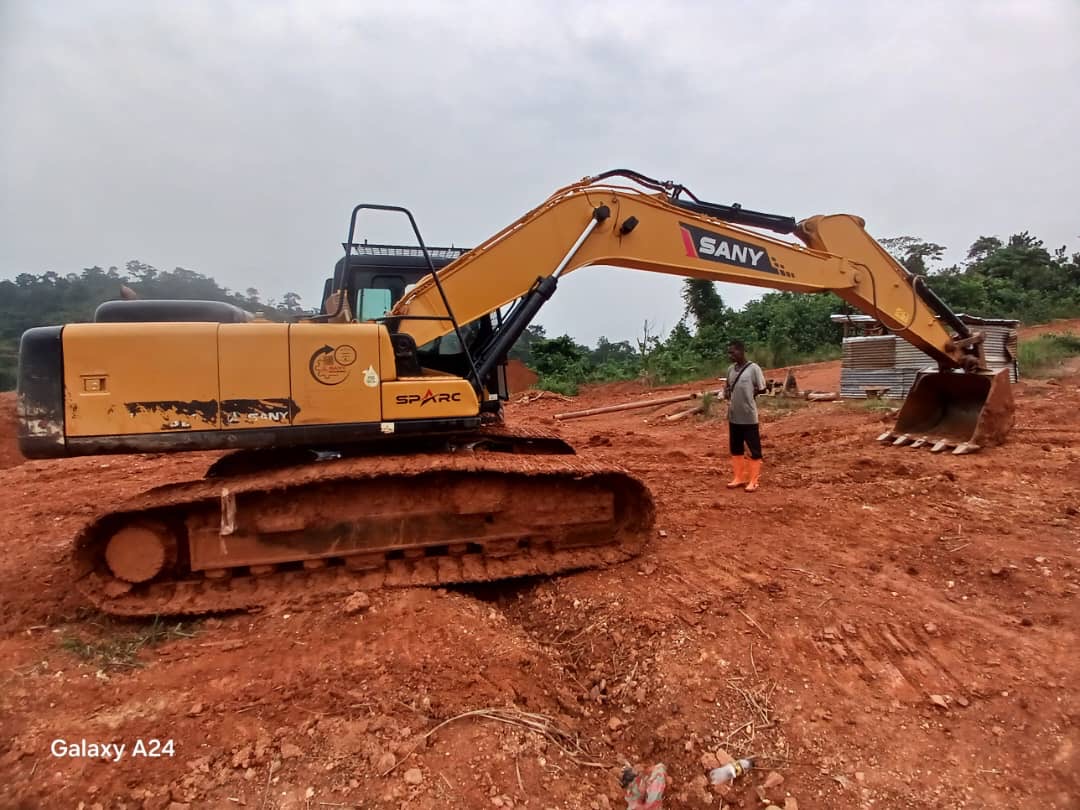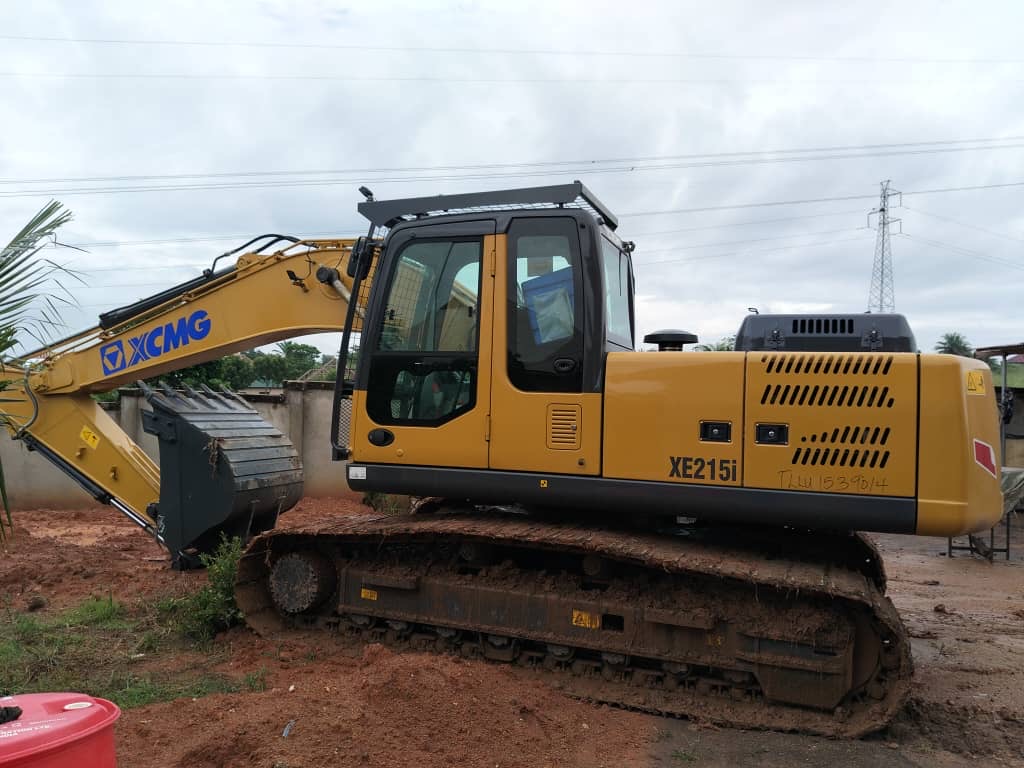

Foreign Direct Investment (FDI) remains a driving force in African gold mining, with billions of dollars flowing into the sector. While the investment landscape offers vast opportunities, it is increasingly shaped by complex regulatory shifts, the growing influence of new international partners, and a persistent focus on ensuring that host nations benefit more from their natural resources.
💰 Major Investors and Investment Trends
In 2024, gold was a primary driver of mergers and acquisitions in Africa, with large deals boosting overall transaction values. France, the US, and China were the top inbound acquirers, with investments of 2.8billion,2.4 billion, and over $2 billion, respectively.
While traditional Western powers, led by the UK (home to giants like Anglo American and Glencore), remain key players, new sources of capital are rapidly emerging:
- 🇨🇳 China: Chinese firms are aggressively expanding their footprint. In 2024 alone, Chinese companies invested over 2billionacrossmorethan10deals[reference:13].Thisincludes∗∗ZijinMining′s∗∗streaminginitiativetoraiseupto400 million for African gold projects and Shandong Gold’s investment in Ghana’s large-scale Cardinal Namdini mine.
- 🇦🇪 United Arab Emirates: The UAE is establishing itself as a top capital investor, with firms like Ambrosia Investment Holding investing $375 million in Allied Gold’s expansion in Ethiopia and Mali.
- 🇨🇦 Canada: Canadian companies remain at the forefront of the industry. Barrick Gold, a global giant, operates extensively across the continent, while mid-tier producer Endeavour Mining (now London-based but with Canadian heritage) produced 1.10 million ounces of gold in West Africa in 2024.
- 🇦🇺 Australia: Australian firms like Perseus Mining are making significant commitments, approving a 124.6millioninvestmentfortheYaoureˊmineinCo^ted′Ivoireandcommitting523 million to the Nyanzaga project in Tanzania.
🌍 Regional Landscape: Key Host Countries
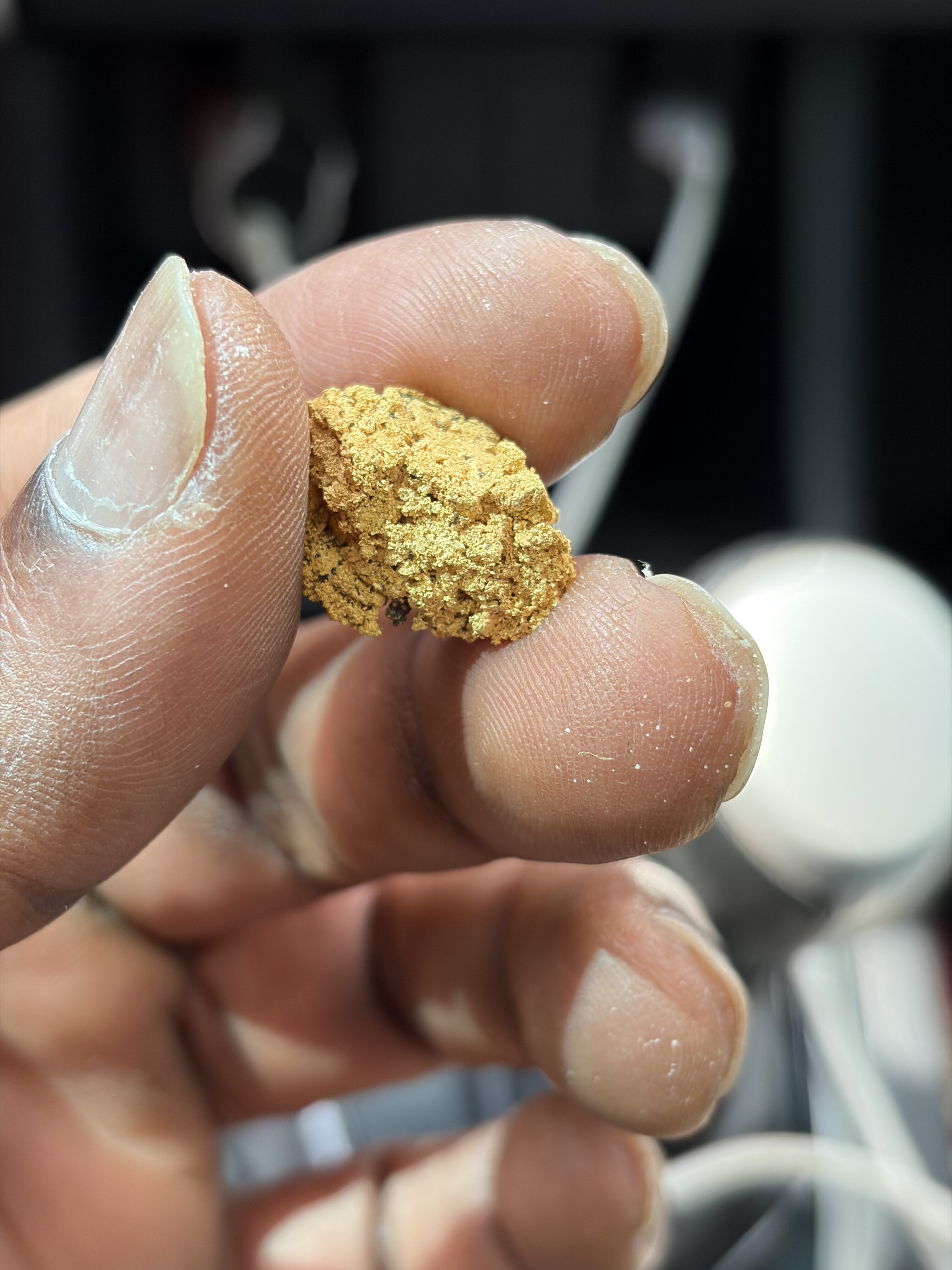
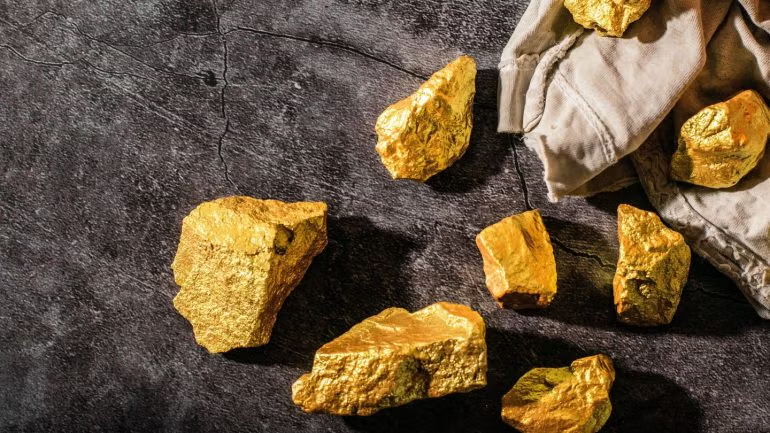

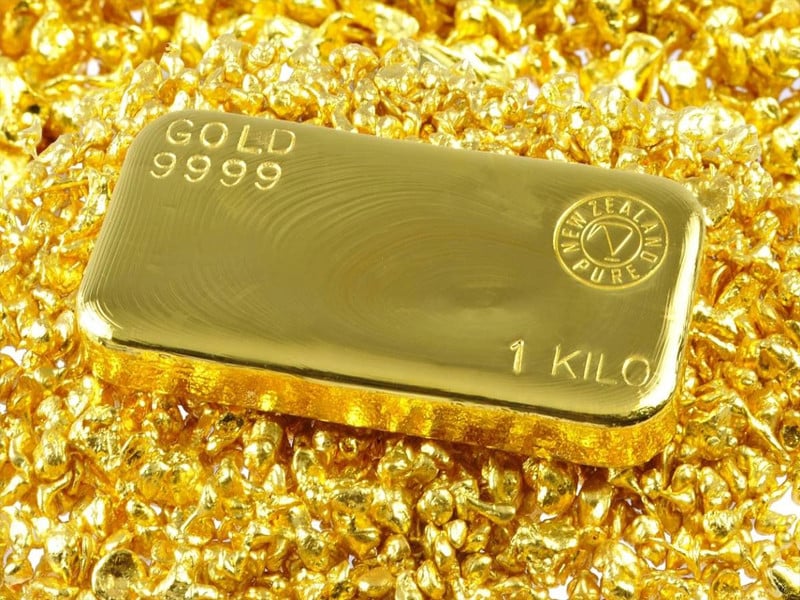
FDI in African gold is concentrated in several key nations, each with its own unique profile:
- 🇬🇭 Ghana: The top gold producer in Africa, overtaking South Africa in 2024. It is considered a relatively stable jurisdiction, attracting major investment, such as Newmont’s $900 million Ahafo North project. Ghana’s stability is a key draw for investors.
- 🇿🇦 South Africa: Still a major producer, it has seen significant Chinese interest, such as Pengxin International Mining’s investment to reopen the Orkney gold mine, creating nearly 4,000 jobs.
- 🇧🇫 Burkina Faso & 🇲🇱 Mali: These are historically significant producers in the Sahel region. However, they are now at the center of a wave of regulatory changes and present a higher-risk, higher-reward environment for investors.
- 🇨🇮 Côte d’Ivoire: An emerging hub, attracting major capital from global players like Zijin and Endeavour Mining, which is the largest gold producer in West Africa.
- 🇹🇿 Tanzania: A host to major projects like the Barrick-operated North Mara mine, which contributed $888 million to the national economy in 2024.
- 🇨🇩 Democratic Republic of Congo: Home to the Kibali gold mine, one of Africa’s largest, operated by Barrick and its joint venture partners.
⚖️ The Shifting Regulatory Landscape: Resource Nationalism
Many African nations are revising their mining regulations to capture a larger share of the benefits from their mineral wealth. This trend, often called resource nationalism, is fundamentally redefining the terms of engagement for foreign investors.
Recent changes include:
- 🇲🇱 Mali (2023 Mining Code):
- 🇧🇫 Burkina Faso (2024 Mining Code):
- State Ownership: Increased the state’s free carried interest from 10% to 15%, with an option for an additional 15% stake.
- Local Processing: Mandates that at least 50% of production be processed within the country.
- Stricter Oversight: Empowers mining administration agents to act as judicial police officers for enhanced enforcement.
⚠️ Risks and Challenges
Despite the promise of high gold prices, investing in African mining carries significant risks that require careful navigation:
- Resource Nationalism: The shift toward greater state control, seen in new mining codes, can lead to contract renegotiations, disputes, and legal uncertainty. The conflict between Barrick Gold and Mali’s government, which involved a $5.5 billion back-tax claim before being resolved, is a prime example of these tensions.
- Political Instability & Security: Political uncertainty and security risks remain major deterrents. The Fraser Institute’s 2024 survey ranked Ethiopia as the world’s least attractive mining investment jurisdiction due to its challenging policy environment. The Sahel’s “coup belt” (Mali, Burkina Faso, Niger) is viewed as particularly high-risk for Western investors.
- Infrastructure & Operational Gaps: Inadequate infrastructure, including unreliable electricity, poor roads, and a lack of downstream processing facilities, increases costs and operational complexity.
- Illegal and Artisanal Mining: Widespread illegal mining activities can disrupt formal operations, threaten social stability, and raise significant environmental concerns, including pollution and deforestation.
🔮 Outlook and Strategic Considerations
The future of FDI in African gold mining will be shaped by several key trends:
- From Extraction to Beneficiation: A key theme at major industry events like African Mining Week is the push for local value addition. Future investment will likely focus on building refineries, improving local processing capabilities, and creating integrated supply chains, not just extracting raw ore.
- Continued Chinese Expansion: Chinese investment is expected to move into a “1-to-10” growth phase. Having navigated the initial challenges, Chinese firms may accelerate expansion by leveraging their operational experience in Africa.
- Sustainability and Local Content: Environmental, Social, and Governance (ESG) criteria are becoming a primary concern for global investors. Companies that demonstrate sustainable practices, strong community relations, and tangible economic benefits for host nations will be best positioned to secure funding and maintain their social license to operate.
In summary, Africa’s gold mining sector presents a landscape of high potential and significant complexity. For investors, success will increasingly depend on strategic partnerships, deep understanding of local regulatory and political contexts, and a long-term commitment to sustainable and mutually beneficial development.
If you have further questions on this topic, please feel free to ask.