
Based on current Indian policy, exporting most heavy equipment is not subject to export customs duties, and the GST is effectively zero-rated. Instead, the focus is on proper licensing, compliance with product-specific policies, and leveraging available incentive schemes.
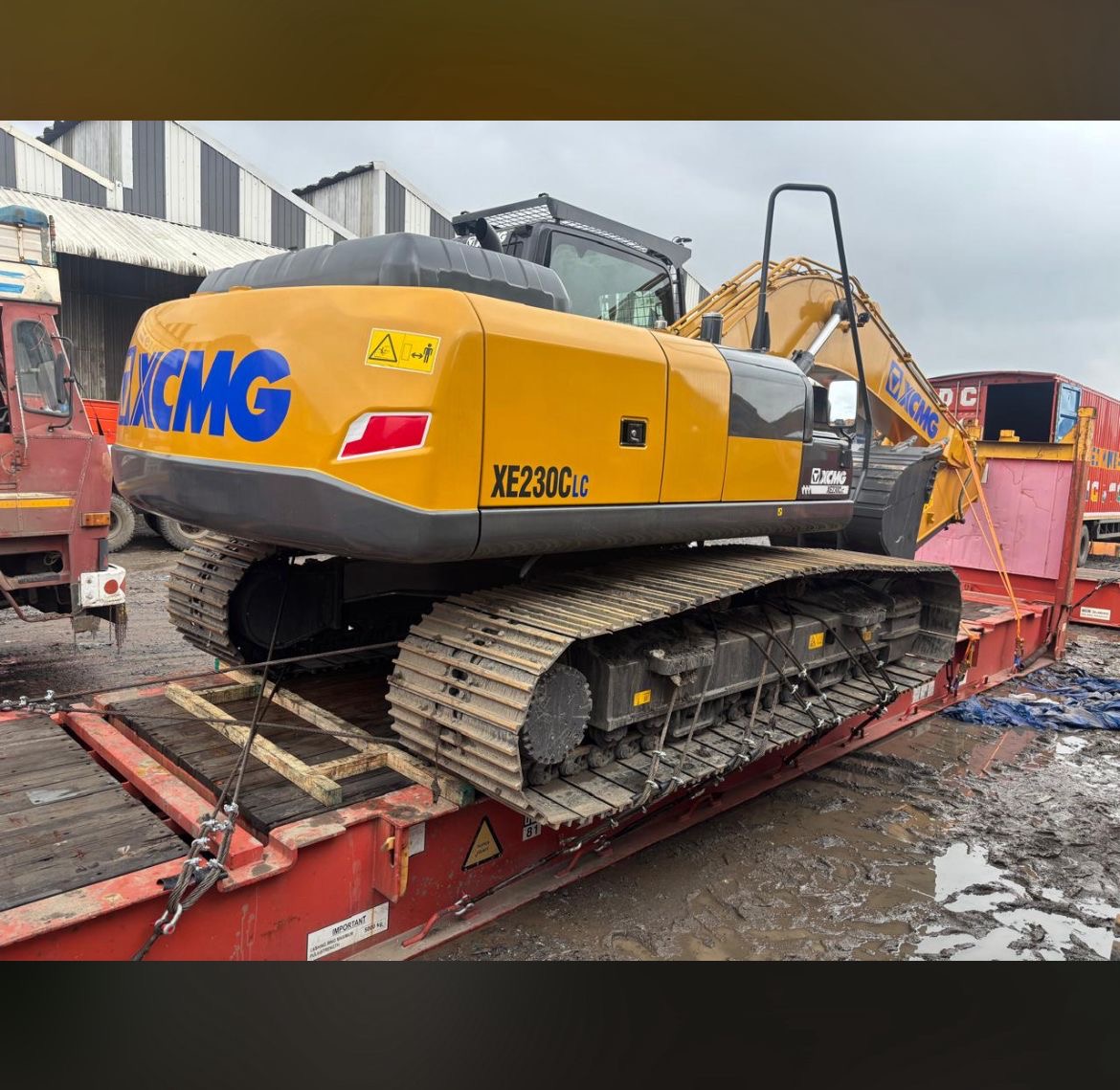
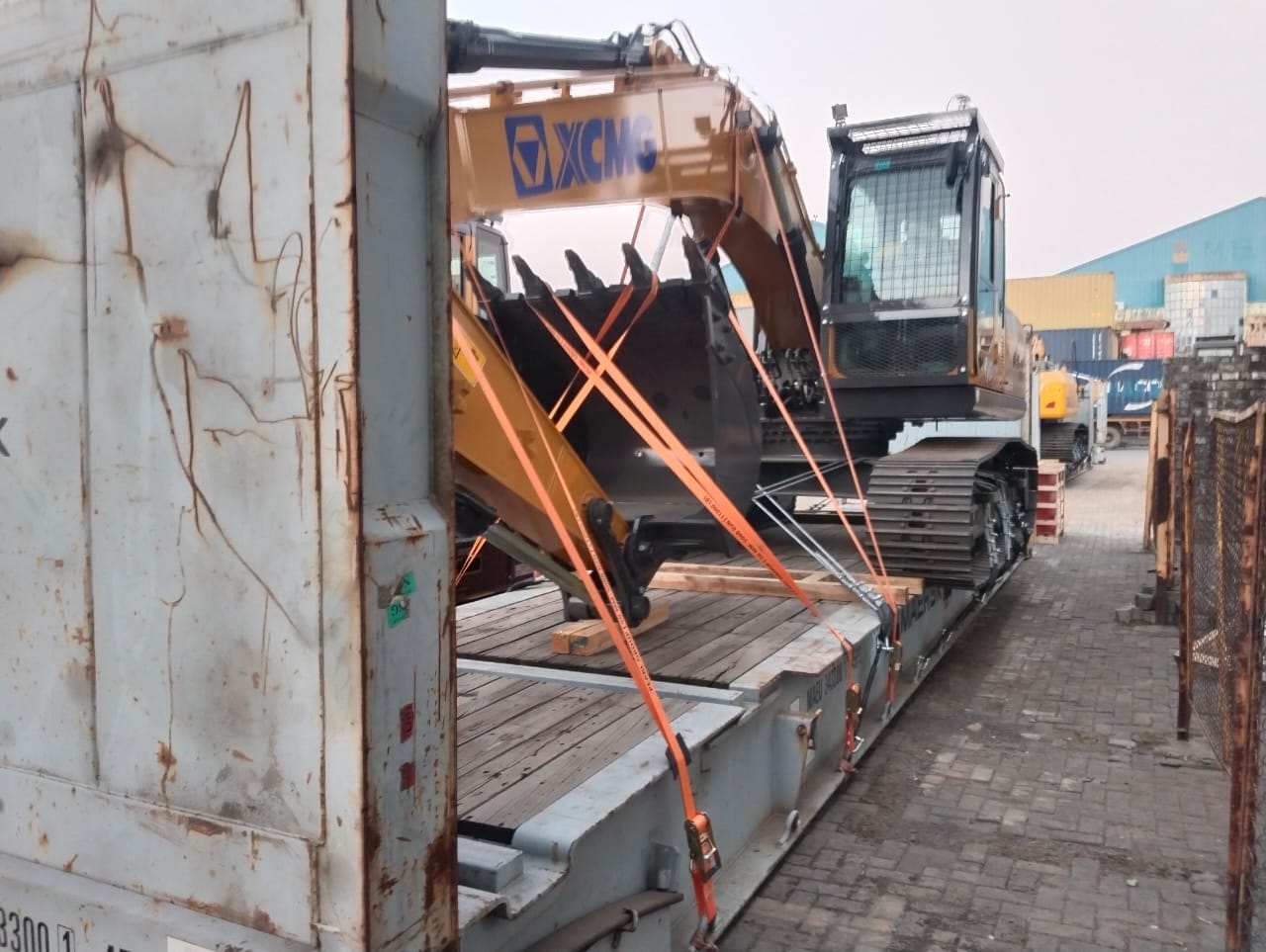
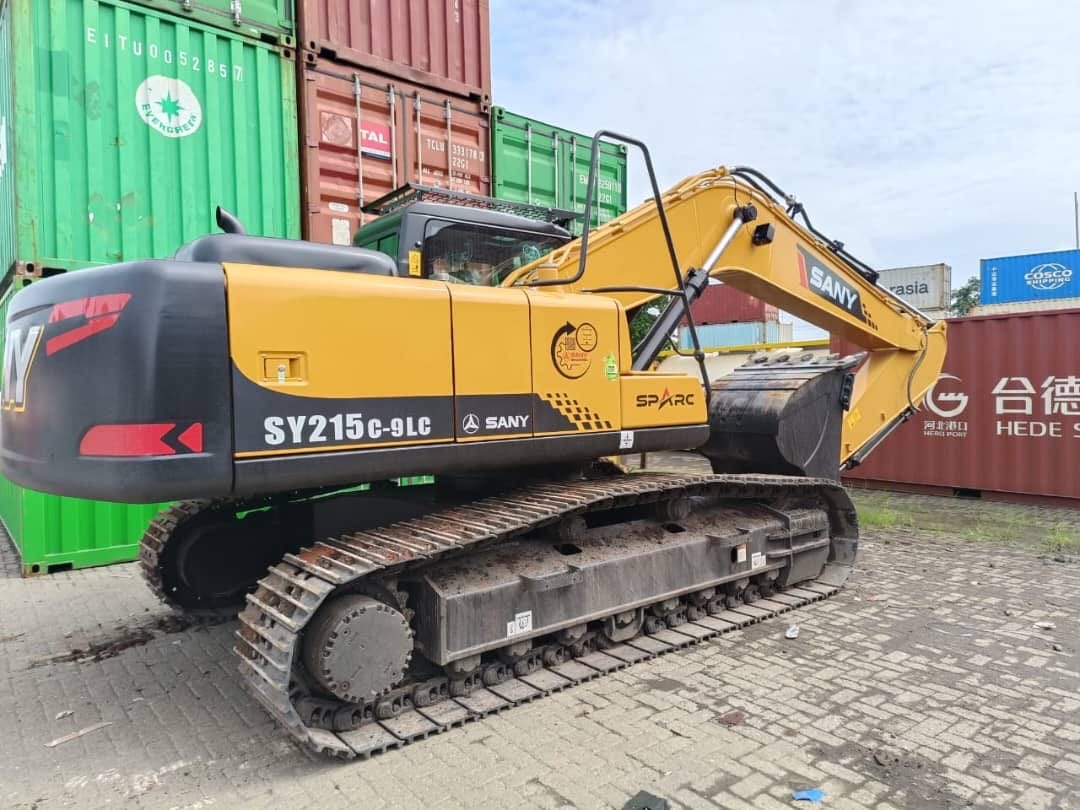
Here is a detailed guide on what you need to know before your first shipment.
✅ Checklist for Exporting Heavy Equipment from India
Before you begin, ensure you’ve checked the following boxes:
- Obtain Importer Exporter Code (IEC): Secure your IEC from the Directorate General of Foreign Trade (DGFT)—this is mandatory.
- Locate Correct ITC(HS) Code: Find the 8-digit code for your machinery; accuracy is critical for policy, duty, and incentives.
- Check Export Policy: Verify your item’s status: Free (no license), Restricted (needs authorization), or Prohibited.
- Prepare Key Documents: Assemble commercial invoice, packing list, shipping bill, and Letter of Credit (LC) if used.
- Clarify INCOTERMS: Define responsibilities and costs (e.g., CIF, FOB) with your buyer in the contract.
- Select Freight Forwarder: Partner with a forwarder experienced in heavy machinery for complex logistics.
- Prepare for Temporary Export: If re-importing, use an ATA Carnet or bond/undertaking for duty-free re-entry.
- File for Export Incentives: Submit claims for refunds like RoDTEP or duty-free imports under EPCG Scheme.
❓ Key Concepts Explained: Duties, Taxes, and Incentives
Q1: Is there an export customs duty on heavy equipment from India?
In most cases, no. The Government of India levies export duties only on a small number of items under the Second Schedule of the Customs Tariff Act. Heavy industrial machinery is not typically listed, meaning you will likely pay 0% customs duty at the time of export. However, always verify your specific ITC(HS) code to be certain.
Q2: What about Goods and Services Tax (GST) on exports?
Exports are treated as “Zero-Rated Supplies”, which means you do not charge GST to your foreign customer. More importantly, you can still claim a refund for the Input Tax Credit (ITC)—the GST you paid on inputs, services, and raw materials used to manufacture or acquire the equipment. You can export without paying GST by filing a Letter of Undertaking (LUT) and then claim your refund of accumulated ITC.
Q3: What’s all this about recent policy changes?
Indian trade regulations are dynamic. Exporters should be aware of:
- Export Classification Reform (2025): The DGFT has introduced an 8-digit ITC(HS) classification system, which means licensing and compliance are now tied to highly specific product categories.
- Comprehensive Customs Notification (May 1, 2026): The government issued a major notification (No. 14/2026-Customs) to align exemption and duty schedules. This affects many sectors, including machinery parts and air-conditioning equipment.
Q4: How can I benefit from export incentives?
Even with low export duties, the government offers schemes to help your cash flow and competitiveness:
- Remission of Duties and Taxes on Exported Products (RoDTEP): This scheme refunds the embedded, non-GST taxes (e.g., VAT on fuel, electricity duty) incurred during manufacturing, with rates ranging from 0.5% to 4.3% of the FOB value. As of March 2026, the government has restored full rates under this scheme.
- Export Promotion Capital Goods (EPCG) Scheme: If you are a manufacturer, you can import machinery for your factory at zero customs duty if you commit to exporting goods worth six times the duty saved.
- Advance Authorisation Scheme: Allows duty-free import of raw materials and inputs that will be physically incorporated into goods meant for export.
💎 Key Takeaways Summary
- Duty-Free Exports: No export customs duty is payable on heavy equipment, though confirming your specific ITC(HS) code is always a prudent step.
- Zero-Rated GST: Exports are zero-rated, meaning no GST is charged, but you can claim refunds for the tax paid on your inputs (ITC).
- Stay Compliant: Understand your item’s classification and policy status (Free/Restricted/Prohibited) under the DGFT’s new framework.
- Leverage Incentives: Actively claim duty refunds (RoDTEP) and utilize duty-free import schemes (EPCG/Advance Authorisation) to significantly improve your bottom line.
- Recent Changes: Be aware of major updates, including the 8-digit HS code classification (2025) and a comprehensive customs notification (effective May 1, 2026).