
Starting a gold business in India is a promising but complex and highly regulated venture. Given the country’s deep cultural connection to gold and its status as one of the world’s largest markets, a strategic, well-planned approach is essential for success. This guide provides a detailed overview of the key steps, from choosing a business model to navigating legal requirements and managing finances.
🤔 Choose Your Gold Business Model
India’s gold market offers several distinct business models, each with different investment levels, risk profiles, and legal requirements. Your choice here will shape all subsequent steps.
- Jewellery Retail (Brick-and-Mortar / Franchise): Opening a traditional jewellery store is a popular model requiring significant capital for inventory, a prime location, and a strong brand presence. Franchising with established brands like Tanishq, Kalyan, or Senco offers brand recognition but comes with franchise fees and specific operating terms.
- Online Jewellery Retail: An e-commerce model with lower overhead than physical stores, it requires a tech-driven platform and a strong digital marketing strategy to compete with established players.
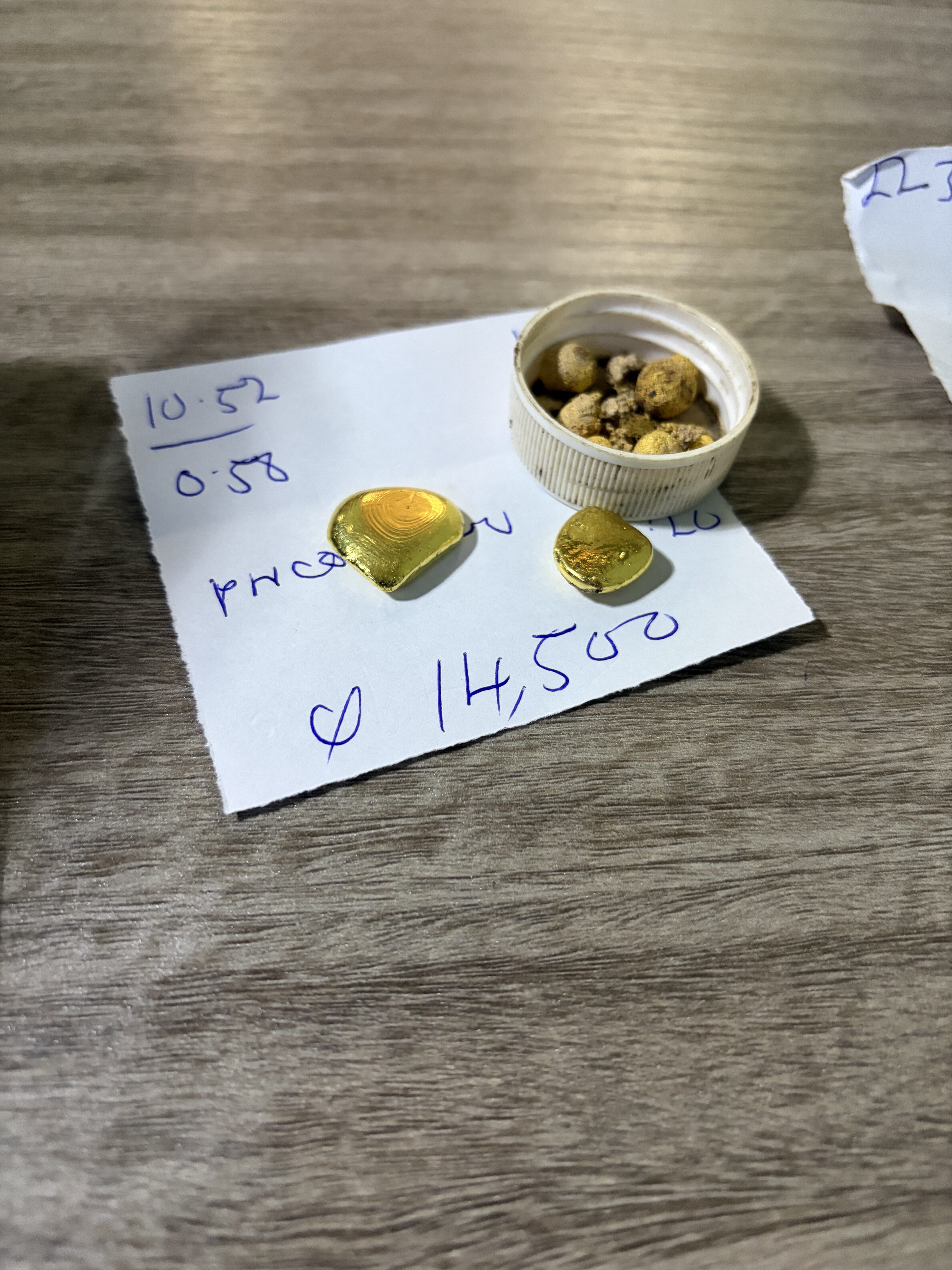
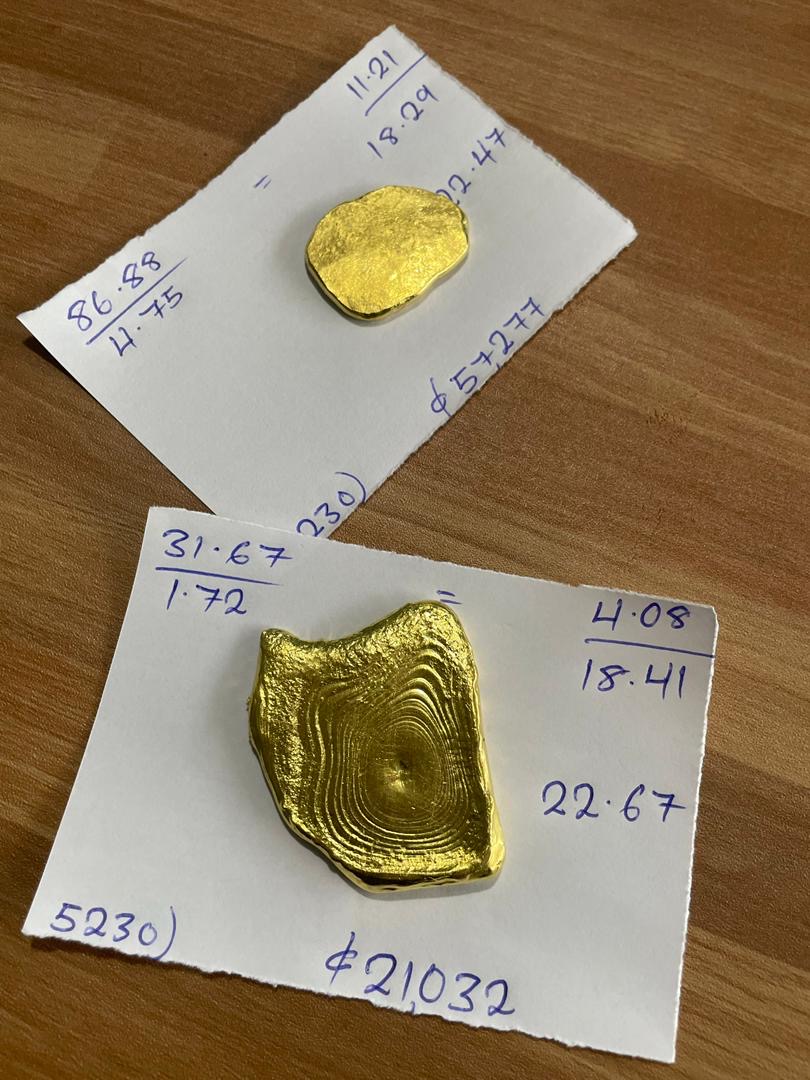
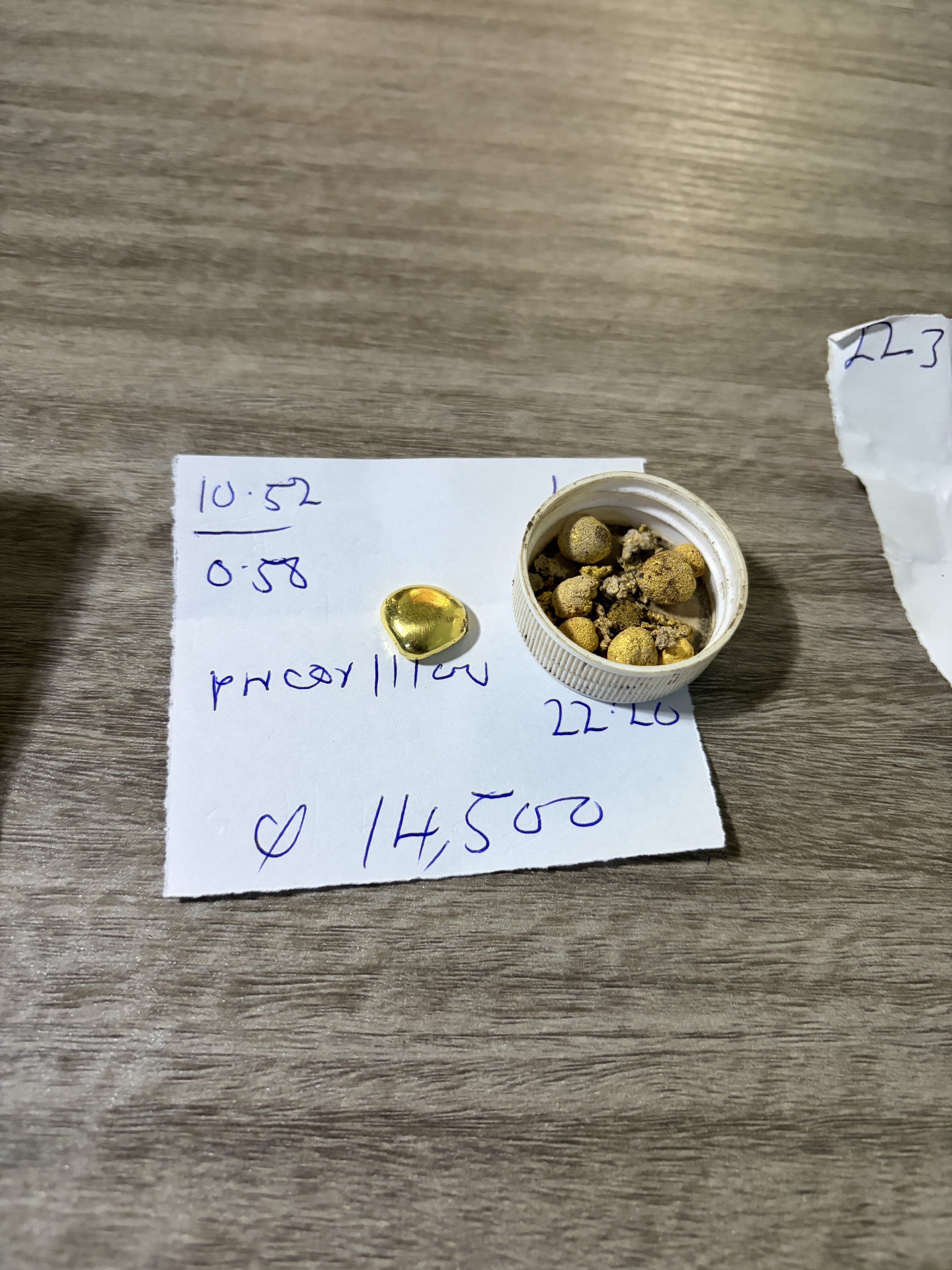
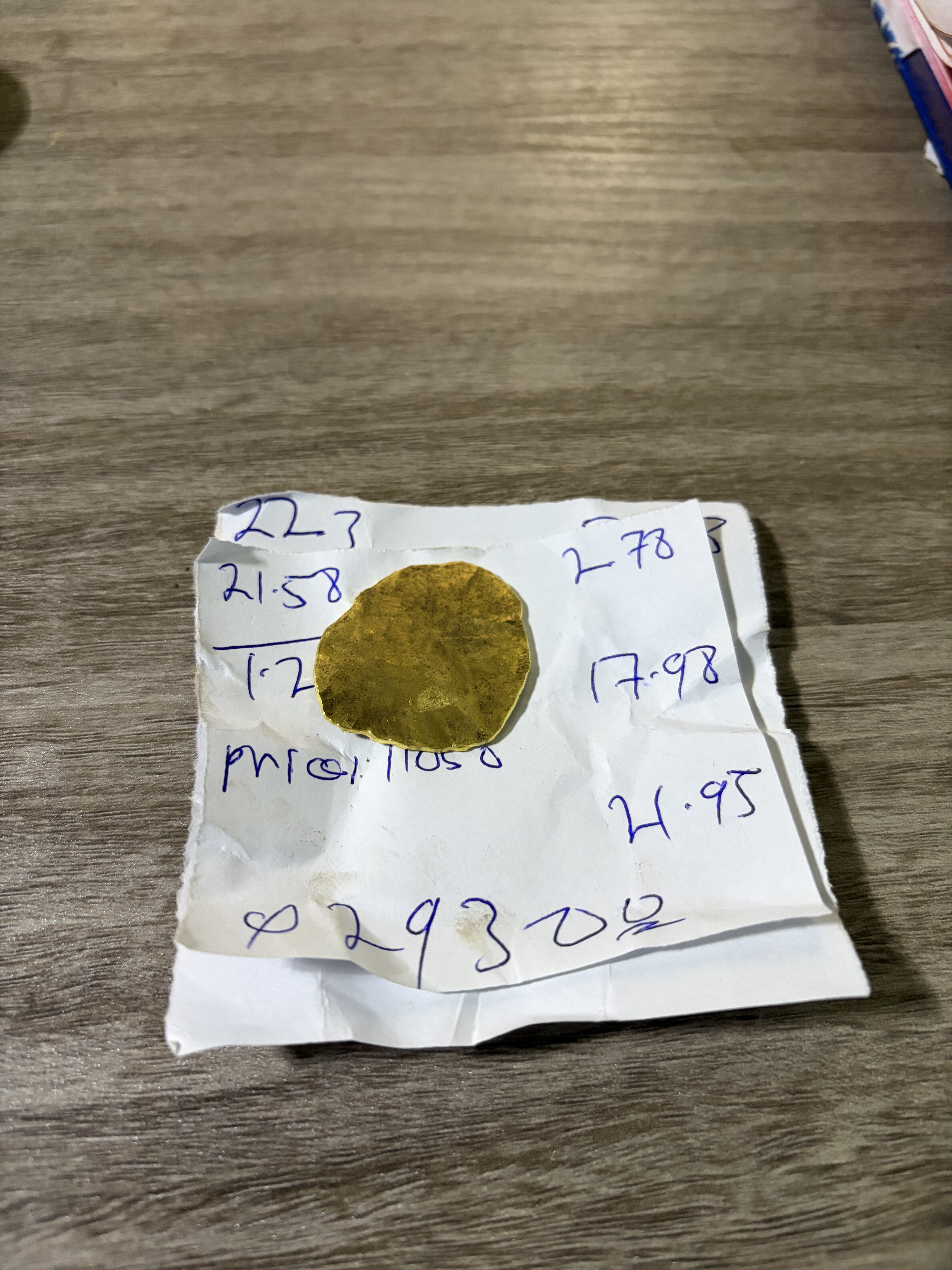
- Gold Bullion Trading: Involves buying and selling gold bars, coins, and dore bars, usually on a B2B (business-to-business) basis. This highly capital-intensive model typically operates on very thin margins, often between 1-1.5%, and success depends on a deep understanding of market prices.
- Jewellery Manufacturing: A capital-intensive business focused on design and production. It requires large investments in machinery, skilled artisans, and raw materials. A small-scale operation’s initial investment is estimated at around ₹1 crore.
- Gold Refining & Recycling: This niche is profitable but requires advanced technology and strict environmental and legal compliance. It involves collecting old gold, extracting pure gold, and reintroducing it into the supply chain.
- Digital Gold Platform: This online-only model lets customers buy and sell small amounts of digital gold. It is currently an unregulated space, posing significant legal and reputational risks for new entrants. This is generally not recommended for entrepreneurs without expert legal counsel due to the uncertain regulatory environment.
- Gold Loan Business: A regulated non-banking financial company (NBFC) model that provides loans against gold collateral. It requires specific RBI licensing and carries high startup costs and ongoing compliance requirements.
⚖️ Legal & Regulatory Checklist: Getting the Green Light


Compliance is non-negotiable in the gold business. Failure to secure the correct licenses can result in severe penalties, including fines and imprisonment.
- Business Registration: You must first register your business as a legal entity (e.g., Sole Proprietorship, Partnership, LLP, or Private Limited Company) and obtain a Permanent Account Number (PAN) and Tax Deduction and Collection Account Number (TAN) from the Income Tax Department.
- GST Registration: Goods and Services Tax (GST) registration is mandatory for all businesses whose annual turnover exceeds a certain threshold. Without it, you cannot legally collect tax from your customers.
- BIS Hallmarking Registration (Mandatory for Retailers/Manufacturers): This is a legal requirement for anyone selling or manufacturing gold jewellery or artifacts in India. Registration is typically done online via the BIS portal,
manakonline.in. - BIS Hallmarking for Refineries (Voluntary): For those in bullion or refining, a separate BIS license to hallmark gold bars/coins is currently a voluntary certification.
- Shop and Establishment Act License: This mandatory state-level license is required to operate any commercial establishment, such as a retail store or office.
- Trade License: Issued by the local municipal authority, this license certifies that your business complies with all local safety and zoning regulations.
- Import Export Code (IEC): This code from the Directorate General of Foreign Trade (DGFT) is necessary for any business looking to import gold or export jewellery.
- Anti-Money Laundering (AML) Compliance: Any business engaged in significant financial transactions, including gold dealing, must adhere to AML norms and Know Your Customer (KYC) guidelines, including reporting high-value transactions in Form 61A.
⚠️ A Critical Note on Digital Gold
Digital gold operates in a regulatory grey area, as it is neither a recognized security nor a regulated commodity derivative. Industry bodies are working on self-regulatory frameworks, but there is no formal government structure yet. Starting such a platform without legal safeguards is highly risky.
💰 Taxation in the Gold Business
Understanding your tax obligations is critical for financial planning and legal compliance.
- Goods and Services Tax (GST):
- Income Tax & TDS:
- Capital Gains Tax: Gold is considered a capital asset. If you sell it after holding for more than three years, the profit is considered Long-Term Capital Gain (LTCG), currently taxed at 20% with indexation benefits.
💵 Investment, Funding & Profitability
The gold business is inherently capital-intensive. Your costs and margins will vary significantly based on your chosen business model.
- Key Costs:
- Funding Sources: Capital can be raised through personal savings, business loans from NBFCs (Non-Banking Financial Companies), angel investors, or government schemes like MUDRA loans for MSMEs.
🛡️ Risk Management: Operations, Security & Insurance
Given the high value of gold, security is paramount, and a robust risk management strategy is essential.
- Operations & Sourcing:
- Security Measures: Install high-quality surveillance systems and secure vaults. These can also make you eligible for insurance premium discounts.
- Insurance: A Jewellers Block Insurance Policy is a comprehensive package that covers loss or damage to your stock from perils like fire, theft, burglary, and robbery, both on-premises and in transit.
💎 Common Challenges & The Path Forward
- Gold Price Volatility: High price fluctuations can squeeze working capital and reduce consumer demand, especially for discretionary jewellery purchases.
- Regulatory Compliance: The gold sector is subject to frequent changes in regulations, such as mandatory hallmarking and updated KYC/AML norms. Staying compliant is an ongoing task.
- Intense Competition: The market is a mix of large, organised players (e.g., Titan, Kalyan, Senco) and millions of family-run local jewellers, making it fiercely competitive.
Building a successful gold business in India is a marathon, not a sprint. It demands careful planning, a strong understanding of regulations, and meticulous financial and operational management. Due to the complex regulatory environment, it is highly recommended to consult with a local chartered accountant or a company secretary who specialises in business compliance for the jewellery trade before making any significant investments.