
High-net-worth individuals looking for appealing investment prospects and an opulent lifestyle in the UAE have been greatly influenced by the country’s better economic conditions and increasing per capita income.
According to experts, wealthy families in the United Arab Emirates are deliberately reevaluating their portfolios and raising liquidity during times of crisis, preferring global diversification and gold over a hasty exit. Where do millionaires go when calamity strikes? When a calamity comes, high-net-worth individuals are known to be the first to flee, but experts claim that the UAE’s millionaires did not flee quickly. Rather, wealth managers claim that many wealthy families kept the UAE at the center of their financial plans while reevaluating portfolios, increasing liquidity, and searching for tactical possibilities.
Geopolitical shocks are increasingly forcing wealthy investors to diversify across countries, fortify wealth structures, and rebalance into assets that provide security and flexibility, industry experts told Khaleej Times.”Sophisticated clients rarely react impulsively, but geopolitical uncertainty does influence investor behavior,” stated Shivkumar Rohira, CEO of Europe, Middle East, and Africa at Klay Group. “We usually observe a strategic reevaluation of geographic diversification, liquidity positioning, and portfolio resilience.”While keeping a strong presence in the Middle East, many globally active families are expanding their exposure throughout Asia and Europe, according to Rohira. He emphasized that long-term resilience, not temporary displacement, is the strategy’s primary objective.
A more responsible approach
During times of instability, Dubai’s status as a major international financial center has also assisted in reducing investor anxiety. According to wealth advisors, compared to earlier market cycles, UAE-based investors are now approaching crises with more maturity.
“Compared to earlier cycles, high-net-worth families in the UAE are approaching the current environment with a far more measured and institutional mindset,” Rohira continued. “It’s not a race to the exits, but a reevaluation.”
According to executives, repositioning rather than liquidation is typically the initial response during volatile times. Before making more significant structural changes, investors typically boost liquidity, reevaluate leverage, and lower concentration risk.
Identifying opportunities during times of crisis



Instead of only taking defensive positions, wealthy investors are increasingly searching for possibilities provided by volatility, according to Madhur Kakkar, founder and CEO of Elevate Financial Services.
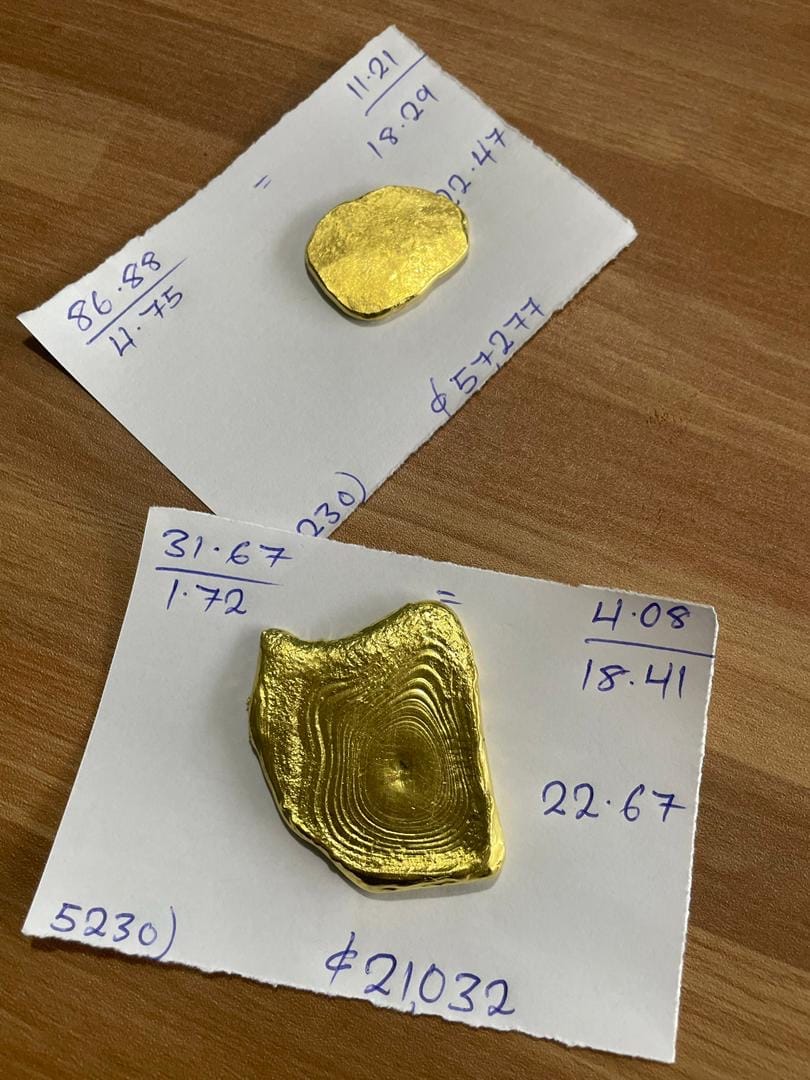
“Where is the opportunity?” is typically the first question that HNWIs and UHNWIs ask. According to Kakkar, investors are establishing strategic positions in discounted stocks and energy-related opportunities, adding short-term fixed income instruments, and judiciously expanding exposure to commodities like gold and oil.
“Highly alluring short-term pricing inefficiencies are frequently created during periods of uncertainty,” he stated.
Kakkar continued, “Wealthy investors now have access to real-time execution platforms, AI-assisted analytics, and global markets directly through digital platforms, which has significantly accelerated reaction times.”
However, significant long-term assets like private companies, real estate, and strategic interests are typically not being sold rapidly.
Executives also mentioned growing interest in UAE stocks, especially in industries like banking, utilities, telecoms, infrastructure, and logistics that are connected to the domestic economy.
While fixed income instruments are becoming more popular as investors prioritize capital preservation and predictable returns, gold is still a preferred hedge during crises.
However, flexibility is becoming more important to many wealthy families than just financial performance.
As part of broader risk management strategy, wealthy investors are increasingly examining residence alternatives, succession plans, and foreign access, according to Alexander Varghese, sales director of alternate channels at Continental Group.
According to Varghese, “residency, citizenship, and holding structures are now part of the larger risk-management discussions.” “Families want to know how succession will work, where they can live, where their assets are held, and how easily the next generation can operate across borders.”
Wealth managers maintain that the UAE is still at the center of the majority of family offices and investment structures, despite growing diversification into Europe and Asia.
The UAE is an operational and financial basis from which worldwide allocations are made, according to Kakkar, the founder of Elevate. Long-term visas, fintech expansion, corporate reforms, and increasing capital market depth all play a significant role in this.
According to Rohira, many globally active families already use financial centers like Singapore, Hong Kong, and Switzerland for investment and custody purposes, but the current actions are more about recalibration than relocation.