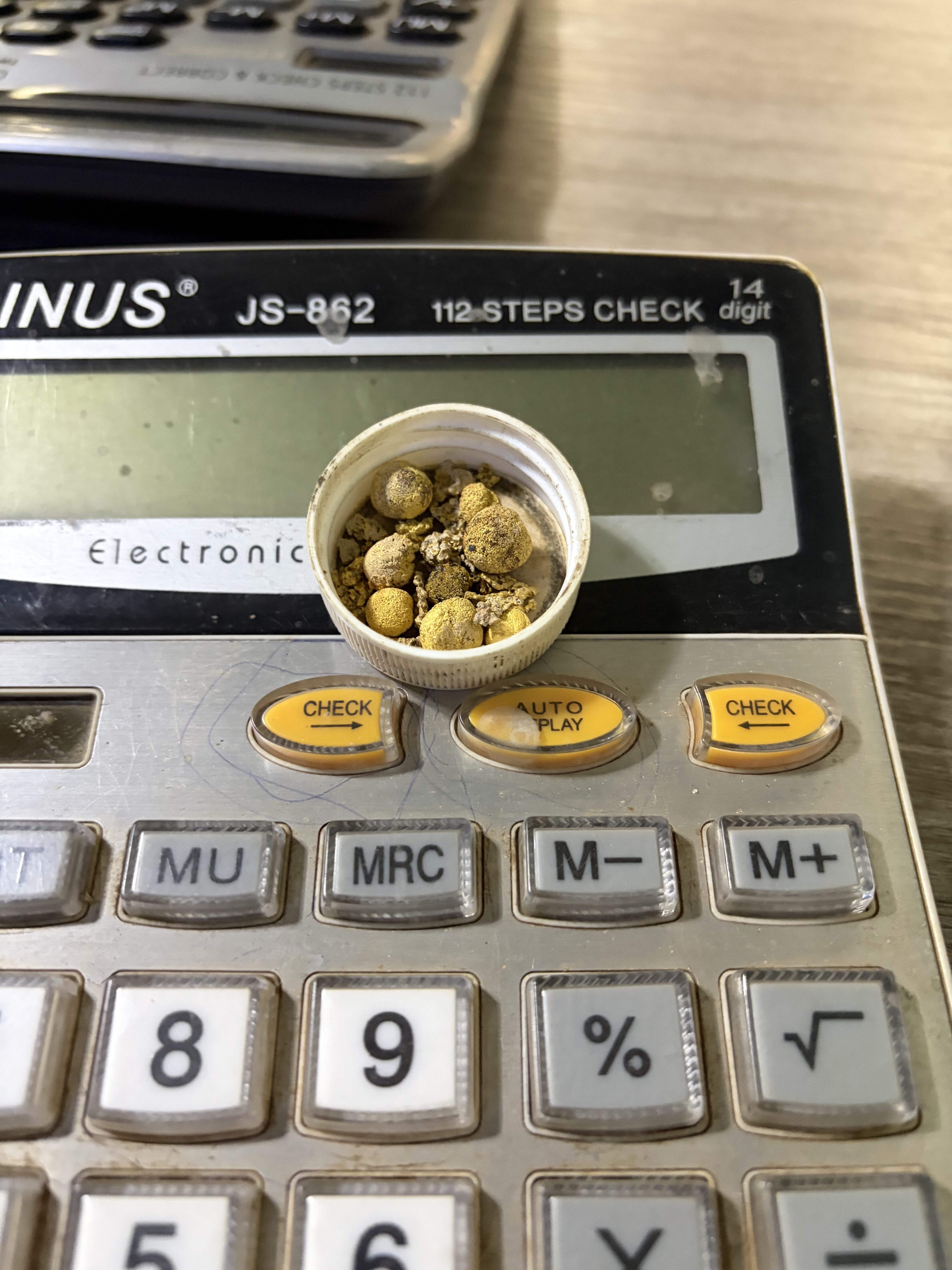

Here’s an organized summary of the worldwide gold trading market, including its structure, important participants, instruments, and price factors.
- Market Structure and Key Centres. Gold is traded around the clock in key centers, including both OTC and exchange-traded markets.
London (OTC) is the largest wholesale physical market. The London Bullion Market Association (LBMA) establishes specifications for bars, including the 400-oz “Good Delivery” bar, and operates the LBMA Gold Price auction twice daily.
New York (COMEX) is the primary futures and options market. Although most contracts are cash-settled, deliverable metal plays an important role in price discovery.
Shanghai (SGE) is the physical exchange of China, the world’s largest gold consumer. The Shanghai Gold Benchmark Price is becoming more prominent.
Other exchanges, including Tokyo (TOCOM), Dubai (DGCX), Istanbul, and India’s MCX, fulfill regional demand.
- Who trades gold? Central banks are major holders and growing net buyers of gold (record purchases in 2022-2025), utilizing it to diversify their reserves.
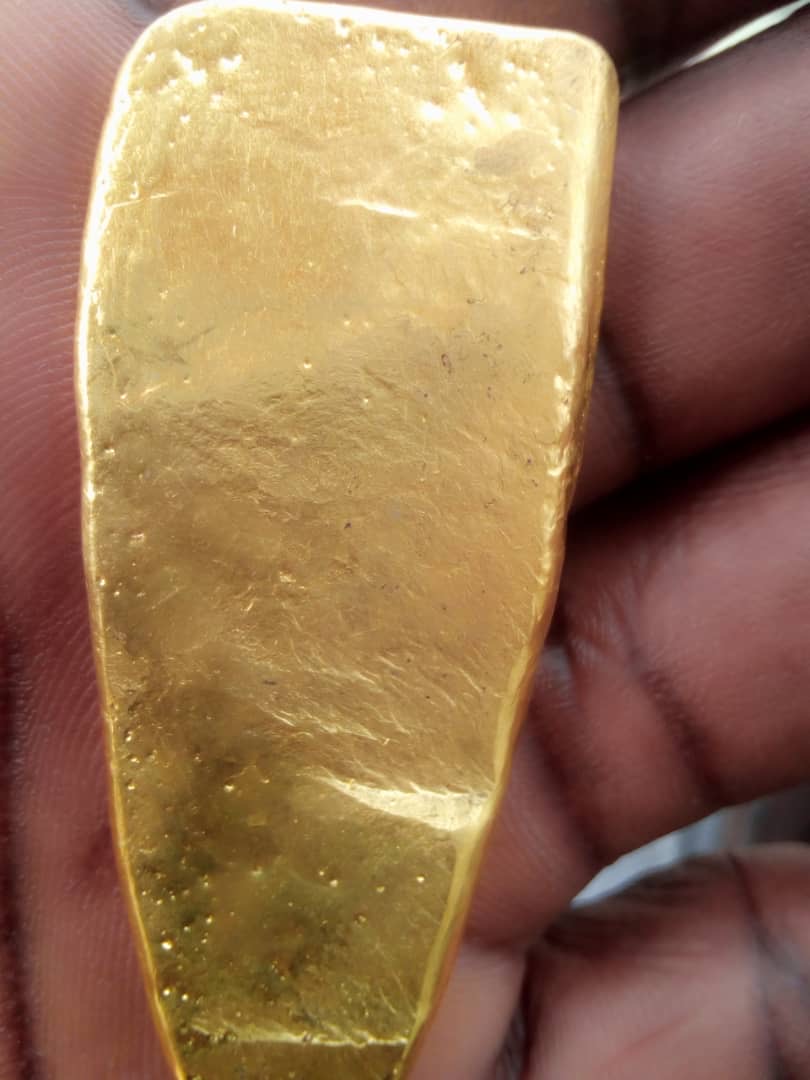
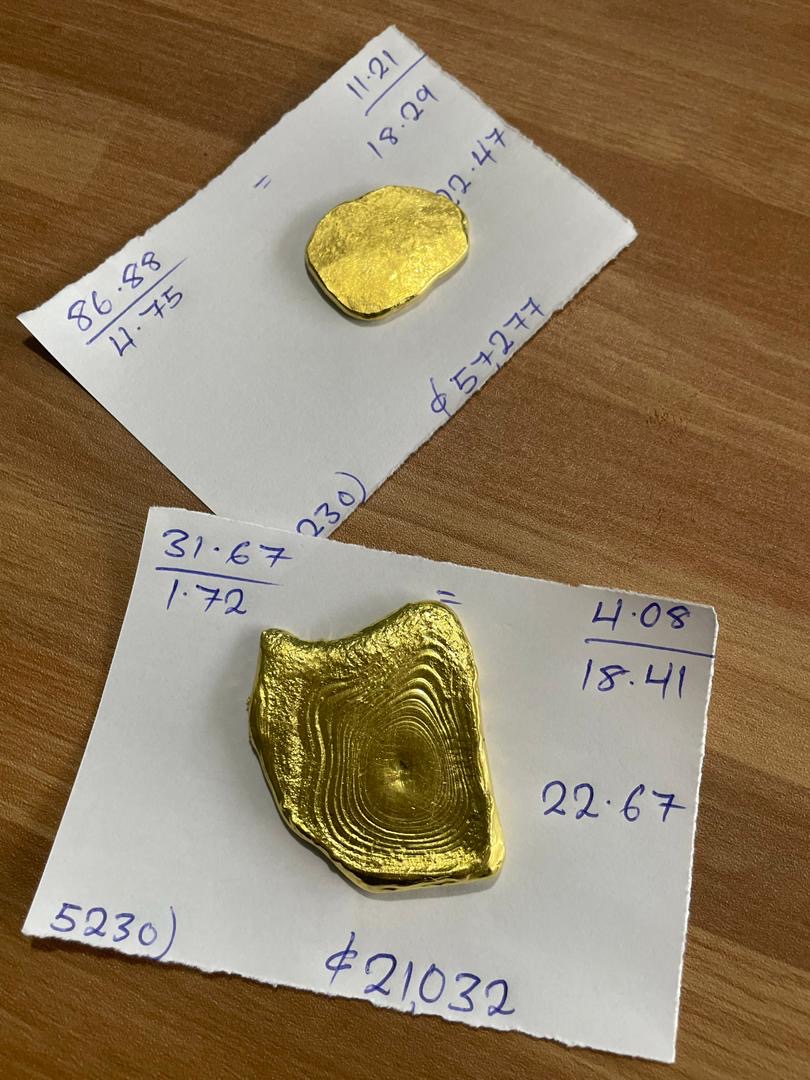
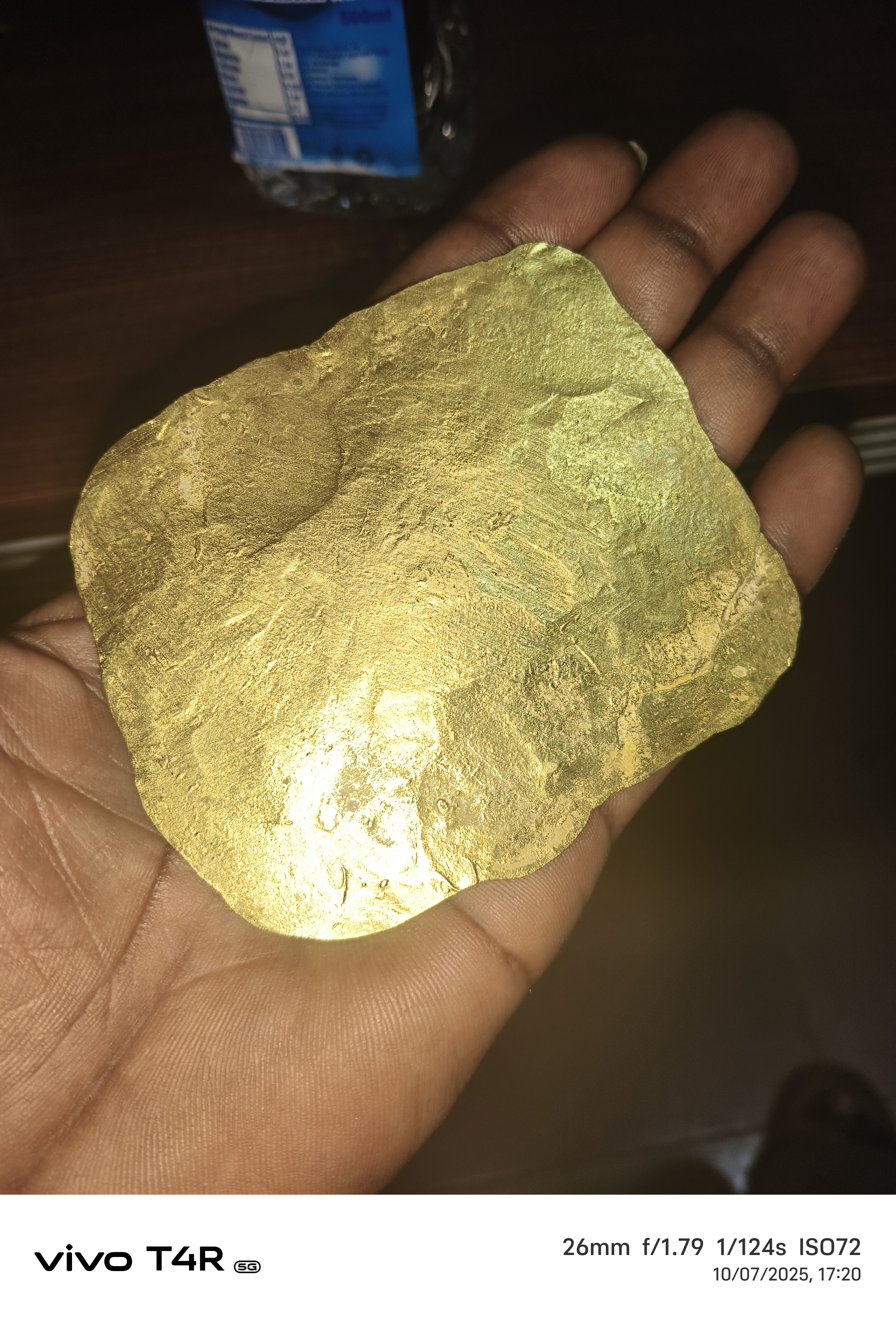
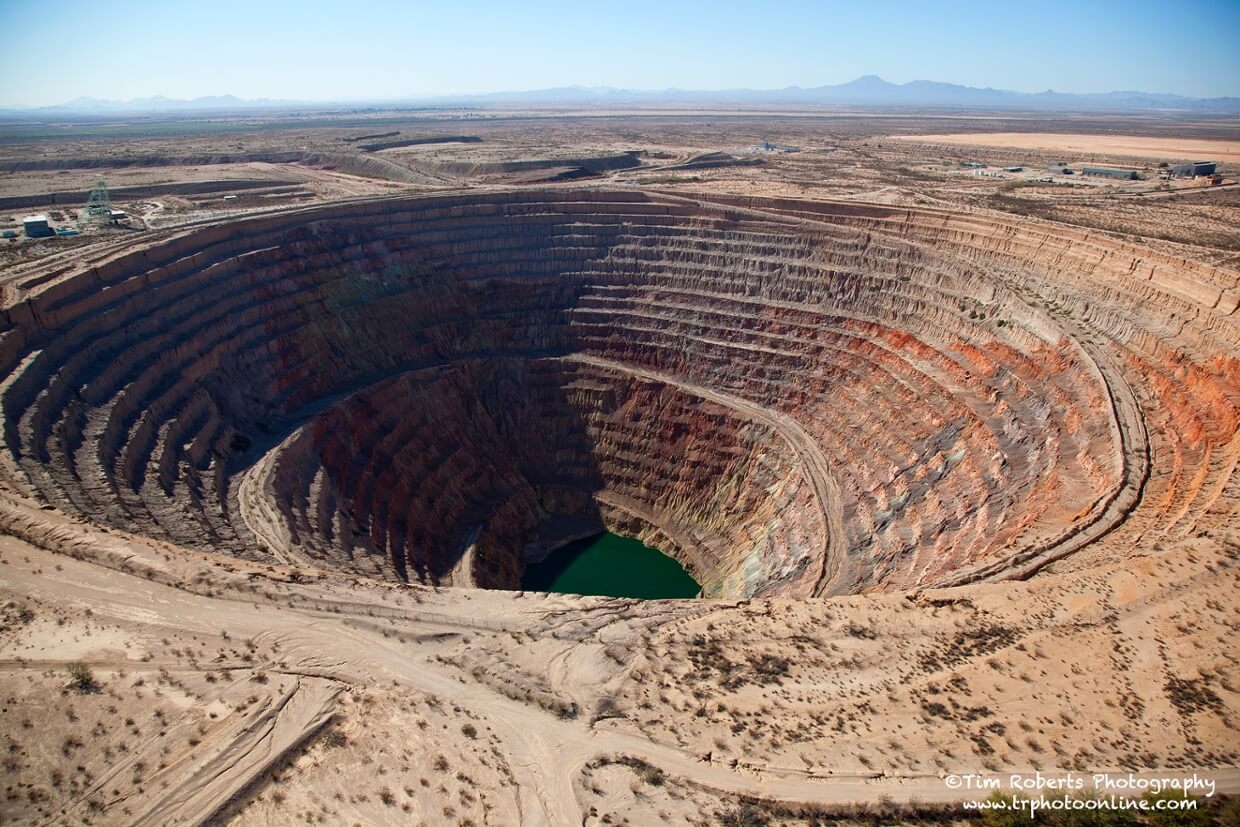
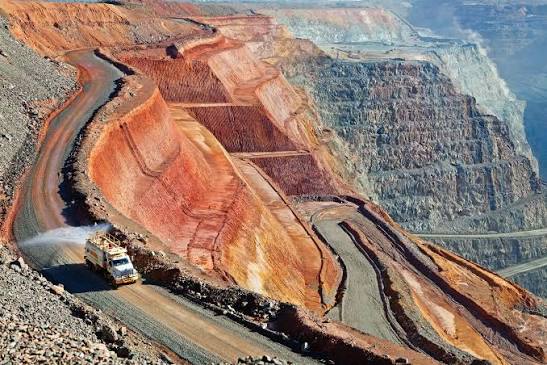
Miners and refiners are producers who hedge their future output or sell it on the spot.
Jewellery and industry consume approximately 40-50% of the annual demand, whereas electronics and dentistry use less.
Investors and ETFs use physically-backed funds (e.g., GLD, IAU) or futures.
Speculators and HFTs offer liquidity, but can accentuate short-term price fluctuations.
- Main Gold Trading Methods and Instrument Characteristics. Physical bars or coinsOwn the metal outright, including storage and insurance charges. Spot & forwards (OTC) are large interbank trades between unallocated or allocated accounts. Futures and Options (COMEX/SGE): Standardized contracts, leverage, and margin requirements. ETFs are backed by physical metal and traded similarly to equities, with significant liquidity. CFDs/Spread BetsLeveraged derivatives are popular among retail traders. Mining shares provide indirect exposure that can be enhanced through operational leverage.
- What Drives the Gold Price? Gold, as a non-yielding asset, tends to gain when real interest rates decrease or the USD falls.
Inflation and inflation forecasts are seen as a long-term store of value.
During times of geopolitical risk and financial instability, demand for “safe-haven” assets increases.
Central bank buying and selling – Strategic reserve changes (e.g., rapid accumulation by China, Poland, and India) have established a significant price floor.
Supply dynamics – Mine output is relatively inelastic, but scrap recycling increases with increasing prices.
- Market Size and Liquidity. The average daily trading volume across all venues is projected to be more above US $150 billion.
Above-ground stockpiles are roughly 210,000-220,000 tonnes, whereas yearly mine output is only ~3,500-3,600 tonnes, making prices susceptible to investment demand flows.
- Current context (until mid-2026) In the 2020s, gold reached all-time highs due to pandemic-era stimulus, inflation fears, banking concerns, and de-dollarization trends. Central bank buying remained historically high, while retail demand increased in China and India. While the metal remains volatile in the short term, its importance as a portfolio diversifier and geopolitical hedge has kept it on the radar of both institutional and private investors.