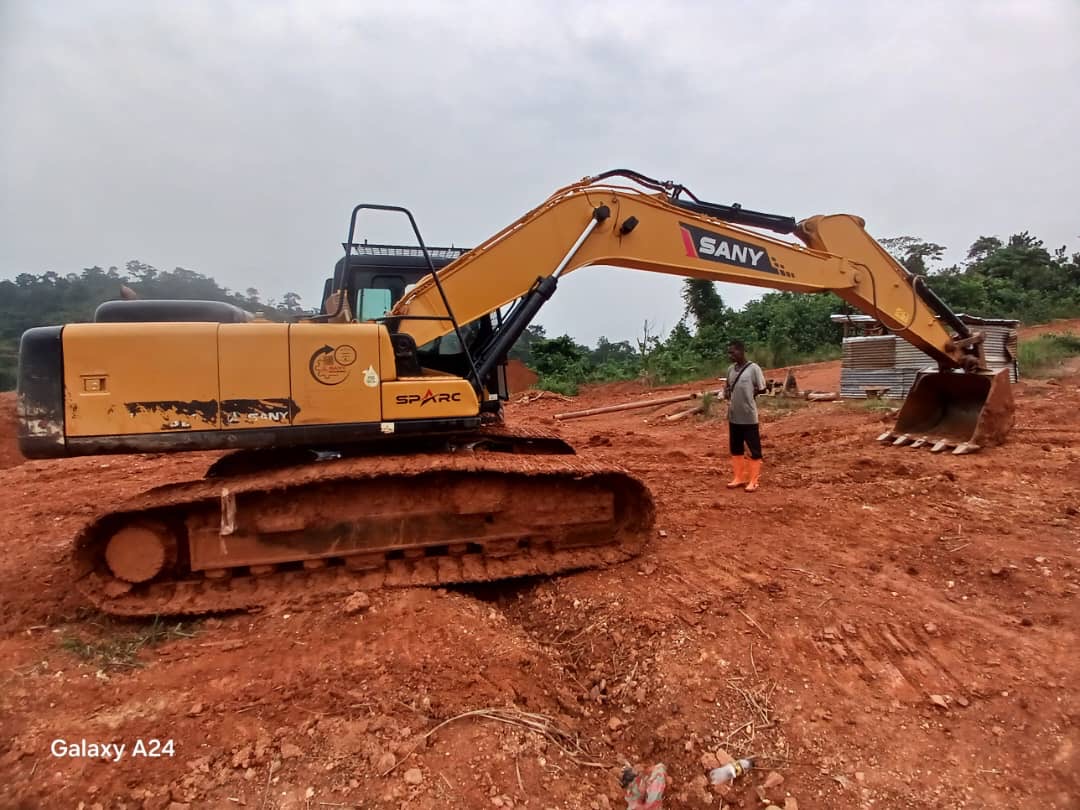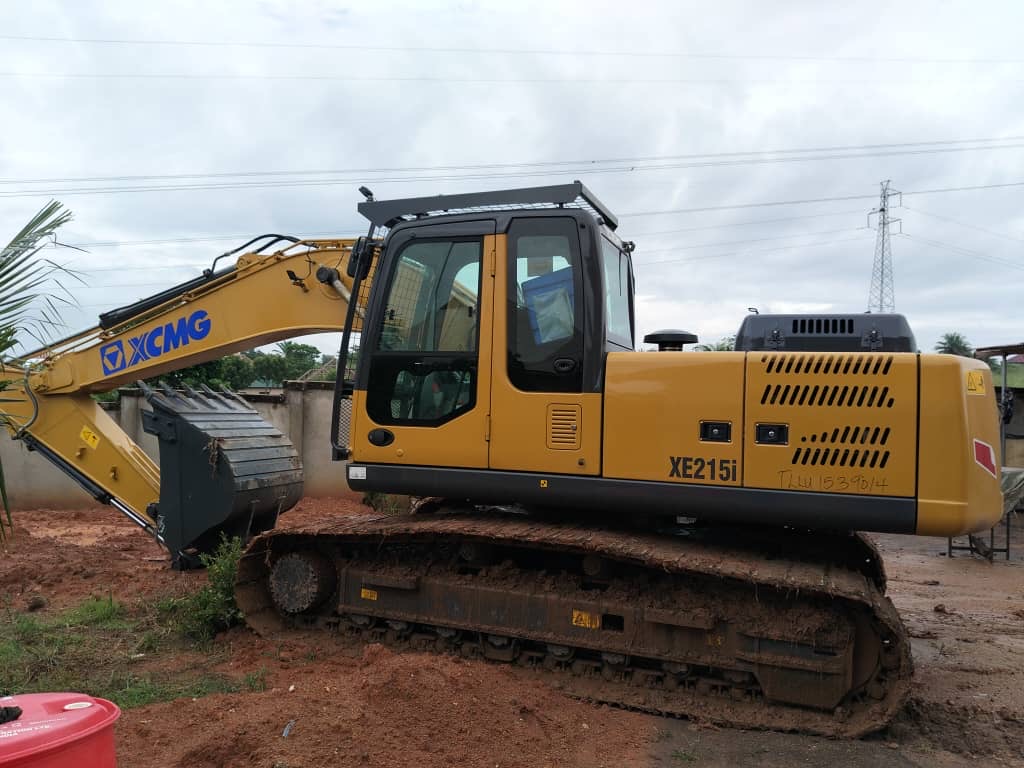

Ferdinand Marcos Jr. has increased attempts to lure Canadian investment in the Philippines’ mining and key minerals sectors, establishing the country as a dependable source of minerals crucial to the global energy transition.
Why Canada?
Many of the world’s largest mining businesses, exploration firms, and mining financiers operate in Canada. By attracting Canadian investors, the Philippine government intends to:
Increase FDI in mining. Accelerate the exploration and development of unexplored mineral reserves. Increase processing and value-added mineral industries. Create jobs and increase export revenue. Critical minerals are in focus.
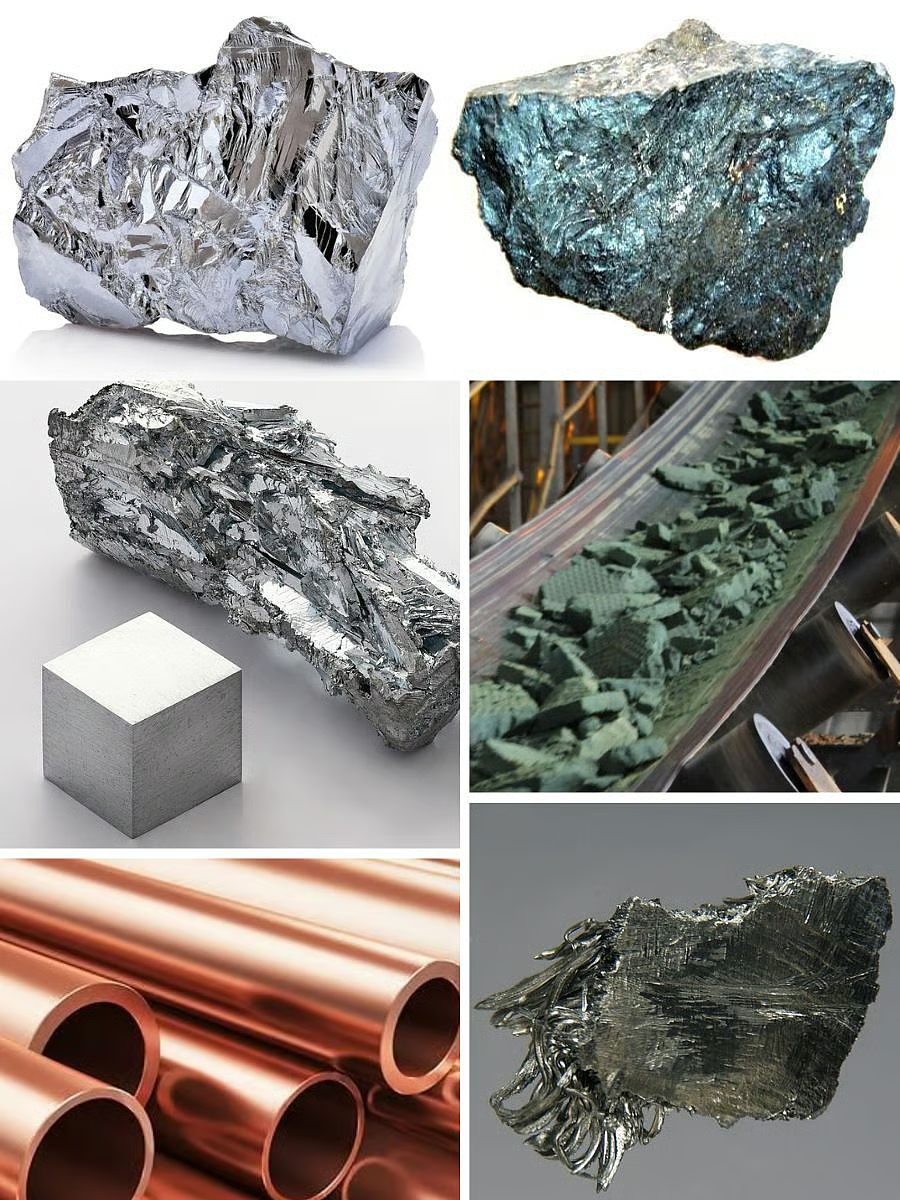
The Philippines has considerable quantities of minerals that are increasingly crucial for sustainable energy technology, such as:
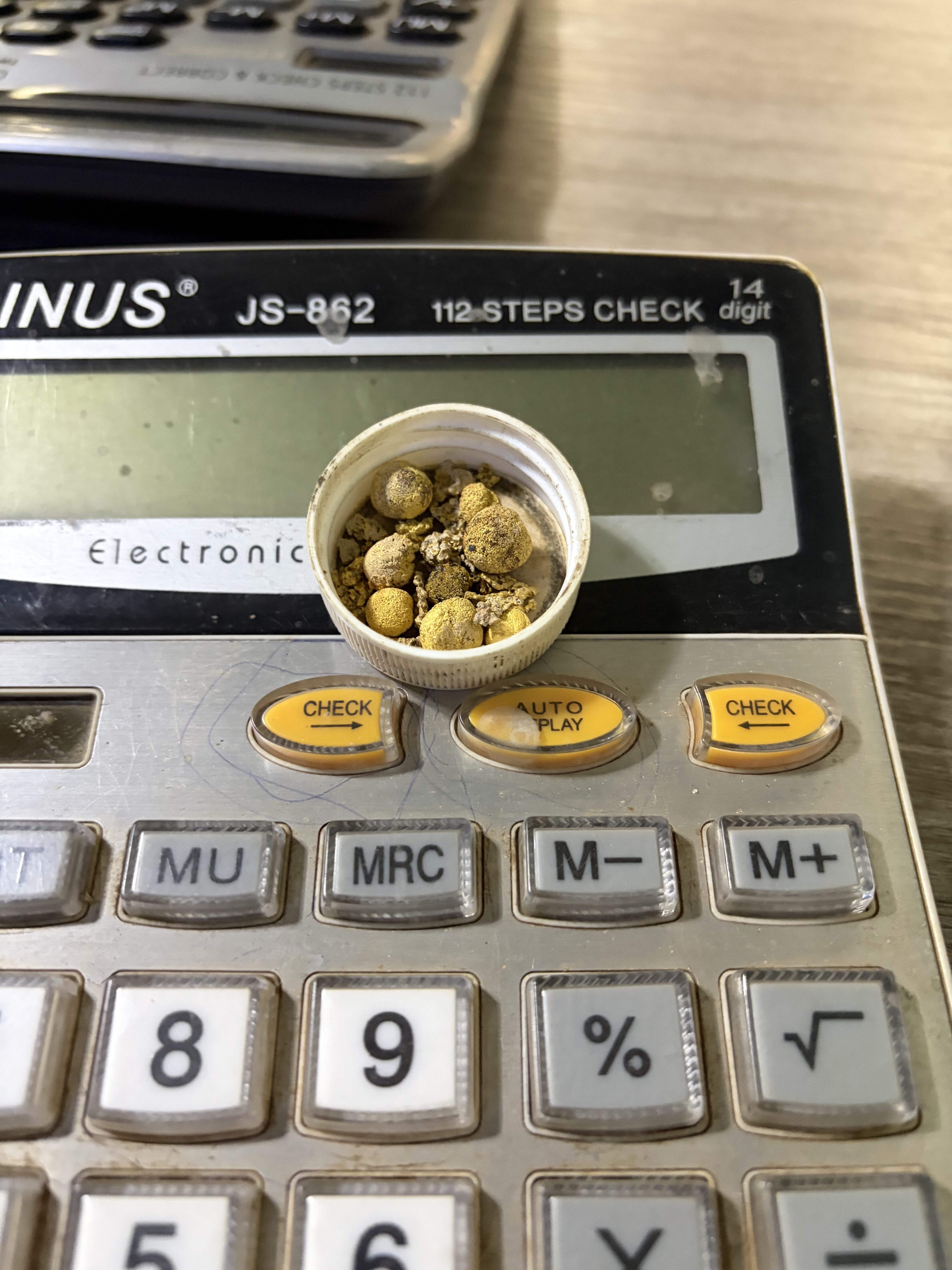
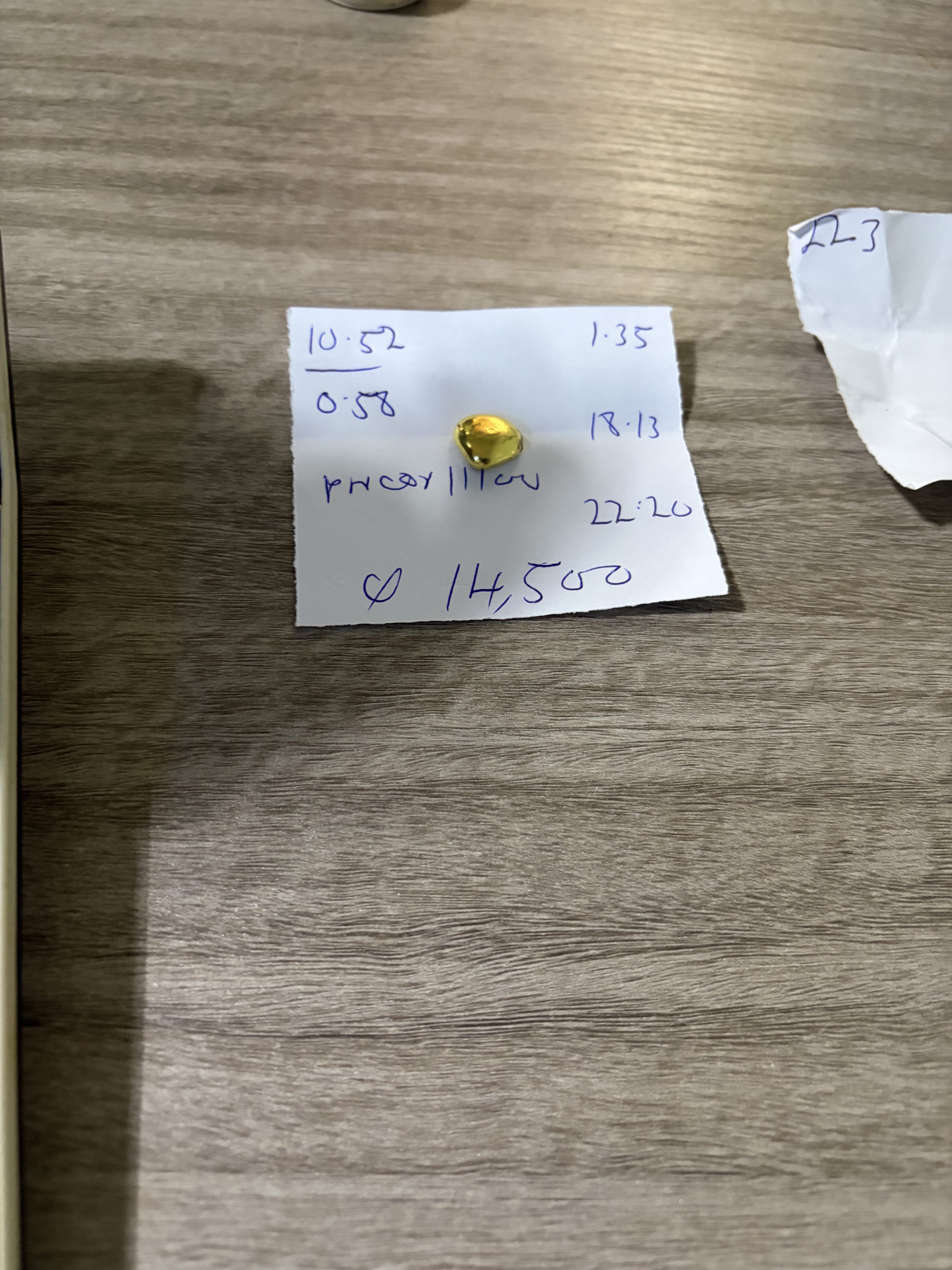
Nickel is a vital element in electric vehicle batteries. Copper is crucial for power systems, renewable energy, and electric vehicles. Cobalt is utilized in battery chemistry. Chromite is essential for stainless steel and specialty alloys. Gold is a major export commodity and investment asset.
The Philippines is already one of the world’s major nickel producers, offering it a competitive advantage as demand for battery metals increases.
What Marcos gave investors:
During discussions with Canadian mining executives and investors, President Marcos emphasized:
A more consistent and predictable investing environment. The government supports responsible and sustainable mining. Opportunities for exploration, mine development, and mineral processing. The country’s contribution to enhancing global key mineral supply chains.
The administration has also stressed achieving a balance between economic development, environmental conservation, and community engagement.
Why does this matter?
Global demand for essential minerals is likely to rise significantly in the next decades as countries ramp up electric vehicle production, renewable energy, and energy storage systems. The competition to acquire reliable supplies has increased, favoring mineral-rich countries like the Philippines.


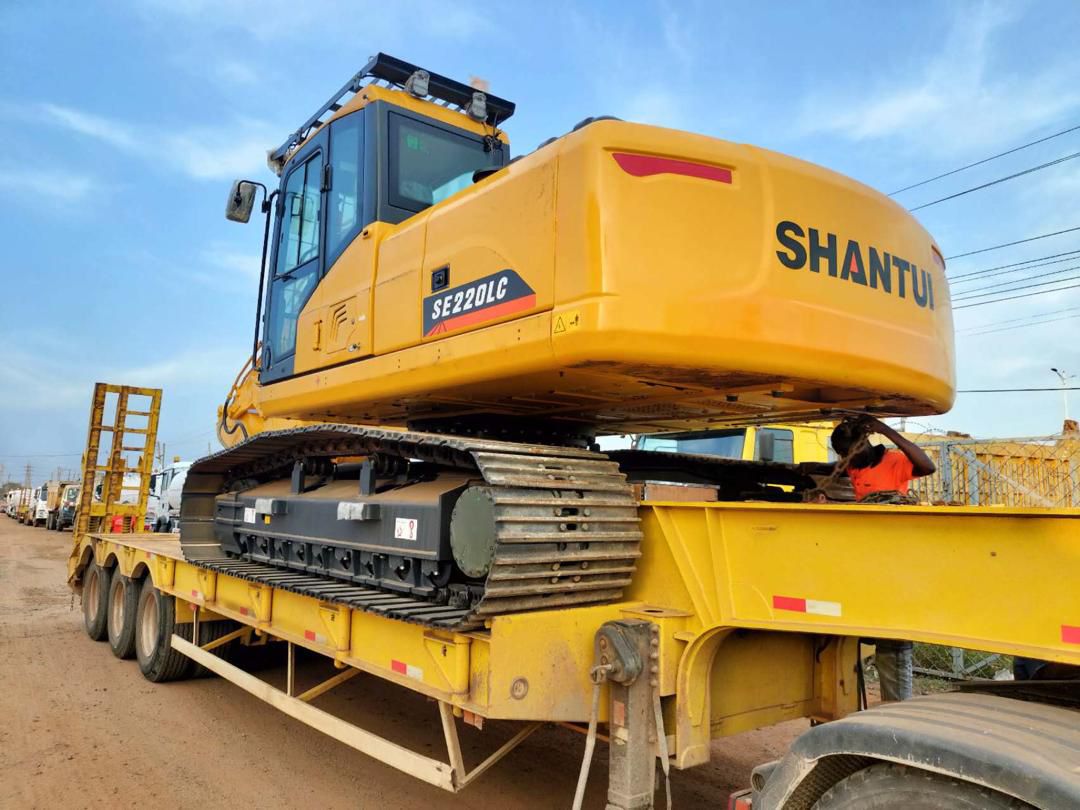
For Canadian mining businesses, the Philippines provides:
There are huge undeveloped mineral resources. Long-term exploring opportunities. The government is increasing its support for mining investments. Potential collaborations with local businesses and government entities.
For the Philippines, obtaining Canadian finance and mining knowledge might help modernize the sector, boost exports, and strengthen its position in global essential mineral markets.Ferdinand Marcos Jr. has increased attempts to lure Canadian investment in the Philippines’ mining and key minerals sectors, establishing the country as a dependable source of minerals crucial to the global energy transition.
Why Canada?
Many of the world’s largest mining businesses, exploration firms, and mining financiers operate in Canada. By attracting Canadian investors, the Philippine government intends to:
Increase FDI in mining. Accelerate the exploration and development of unexplored mineral reserves. Increase processing and value-added mineral industries. Create jobs and increase export revenue. Critical minerals are in focus.
The Philippines has considerable quantities of minerals that are increasingly crucial for sustainable energy technology, such as:
Nickel is a vital element in electric vehicle batteries. Copper is crucial for power systems, renewable energy, and electric vehicles. Cobalt is utilized in battery chemistry. Chromite is essential for stainless steel and specialty alloys. Gold is a major export commodity and investment asset.
The Philippines is already one of the world’s major nickel producers, offering it a competitive advantage as demand for battery metals increases.
What Marcos gave investors:
During discussions with Canadian mining executives and investors, President Marcos emphasized:
A more consistent and predictable investing environment. The government supports responsible and sustainable mining. Opportunities for exploration, mine development, and mineral processing. The country’s contribution to enhancing global key mineral supply chains.
The administration has also stressed achieving a balance between economic development, environmental conservation, and community engagement.
Why does this matter?
Global demand for essential minerals is likely to rise significantly in the next decades as countries ramp up electric vehicle production, renewable energy, and energy storage systems. The competition to acquire reliable supplies has increased, favoring mineral-rich countries like the Philippines.
For Canadian mining businesses, the Philippines provides:
There are huge undeveloped mineral resources. Long-term exploring opportunities. The government is increasing its support for mining investments. Potential collaborations with local businesses and government entities.
For the Philippines, obtaining Canadian finance and mining knowledge might help modernize the sector, boost exports, and strengthen its position in global essential mineral markets.