
Investing in construction equipment in Ghana can be highly lucrative, driven by rapid urbanization, major infrastructure projects, and a growing mining sector. However, it also comes with unique challenges like currency volatility, high import costs, and the need for reliable local partnerships.
Here’s a structured guide covering the market drivers, key equipment in demand, entry strategies, regulations, and risks.
- Why Ghana? Market Drivers Government Infrastructure Push: The government’s “Agenda 111” (building 111 district and regional hospitals), road expansion projects, affordable housing schemes, and rail rehabilitation are creating sustained demand.
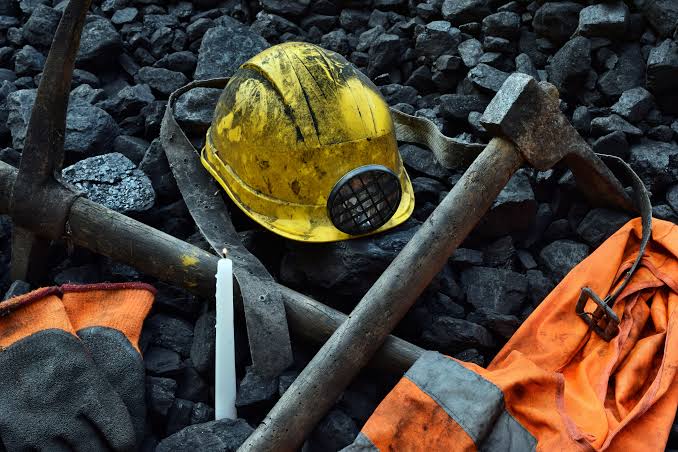
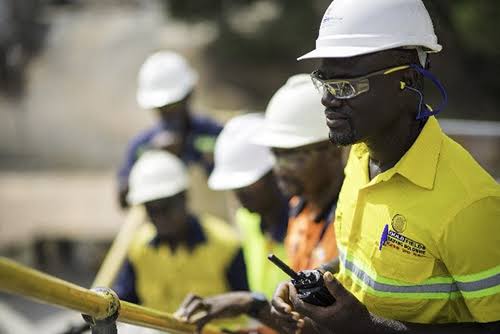
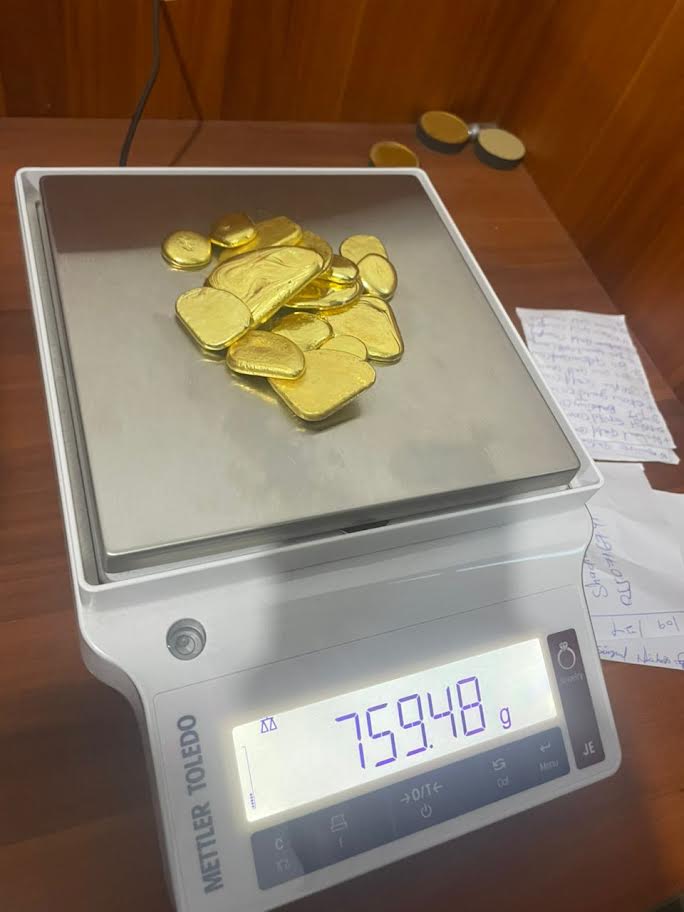
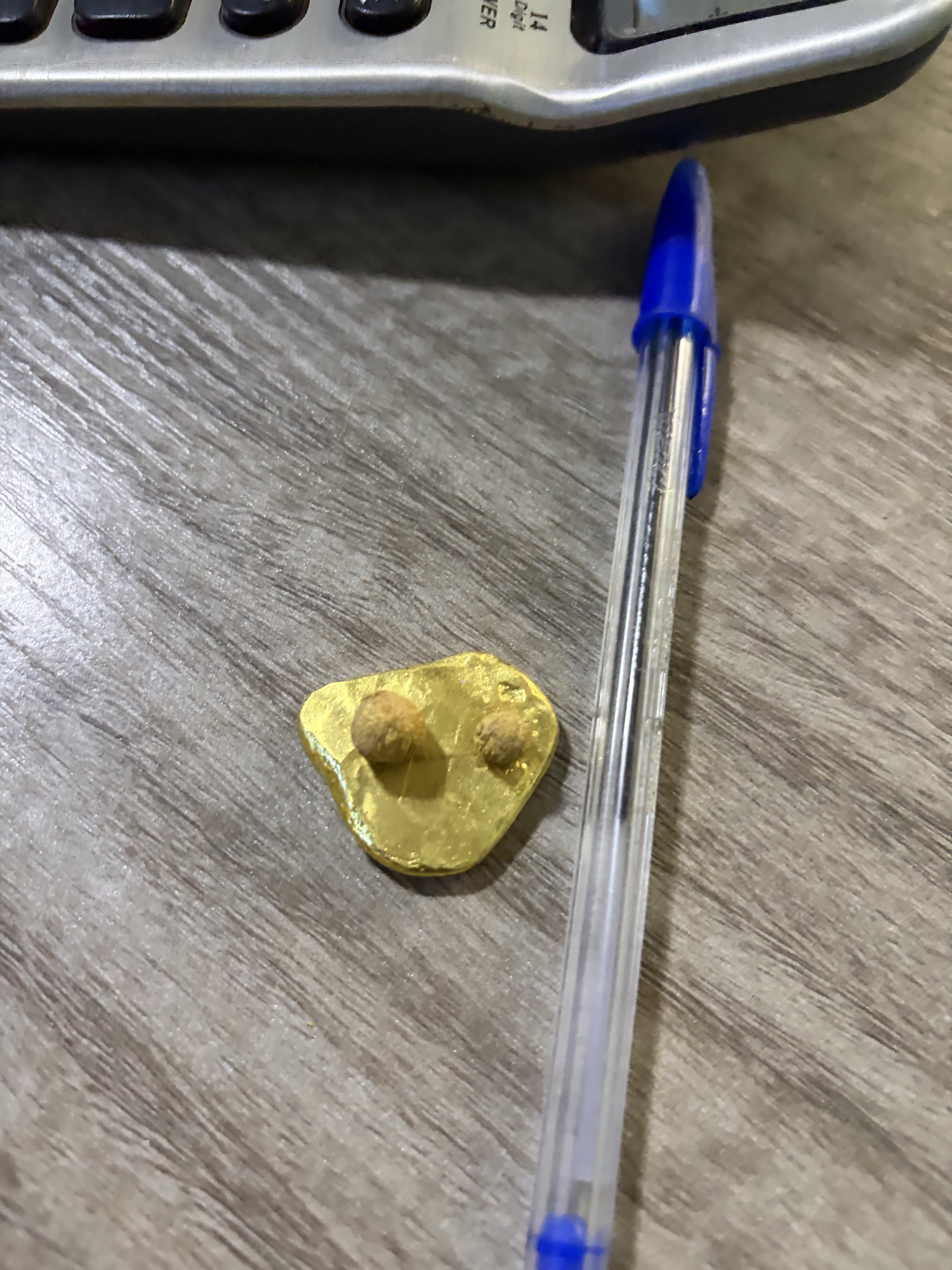
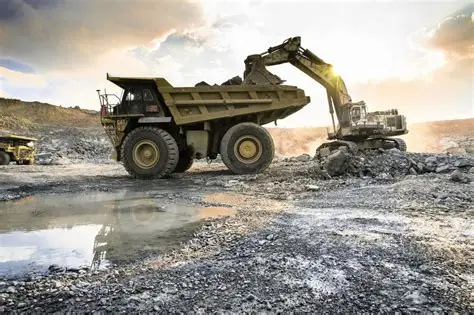
Mining Industry: Ghana is Africa’s largest gold producer. Mining operations require heavy earth-moving equipment (excavators, dump trucks, bulldozers) on an ongoing basis, often preferring rental or lease models.
Real Estate & Urbanization: Accra, Kumasi, and Takoradi are expanding fast. Demand for residential and commercial buildings fuels the need for concrete mixers, backhoe loaders, tower cranes, and graders.
Agriculture & Rural Development: Mechanization programs and warehousing projects are opening niche demand for smaller tractors and farm-related construction equipment.
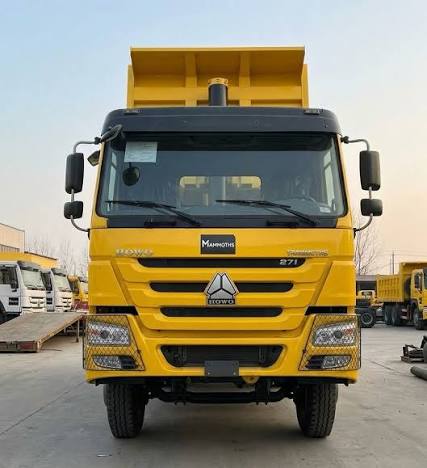
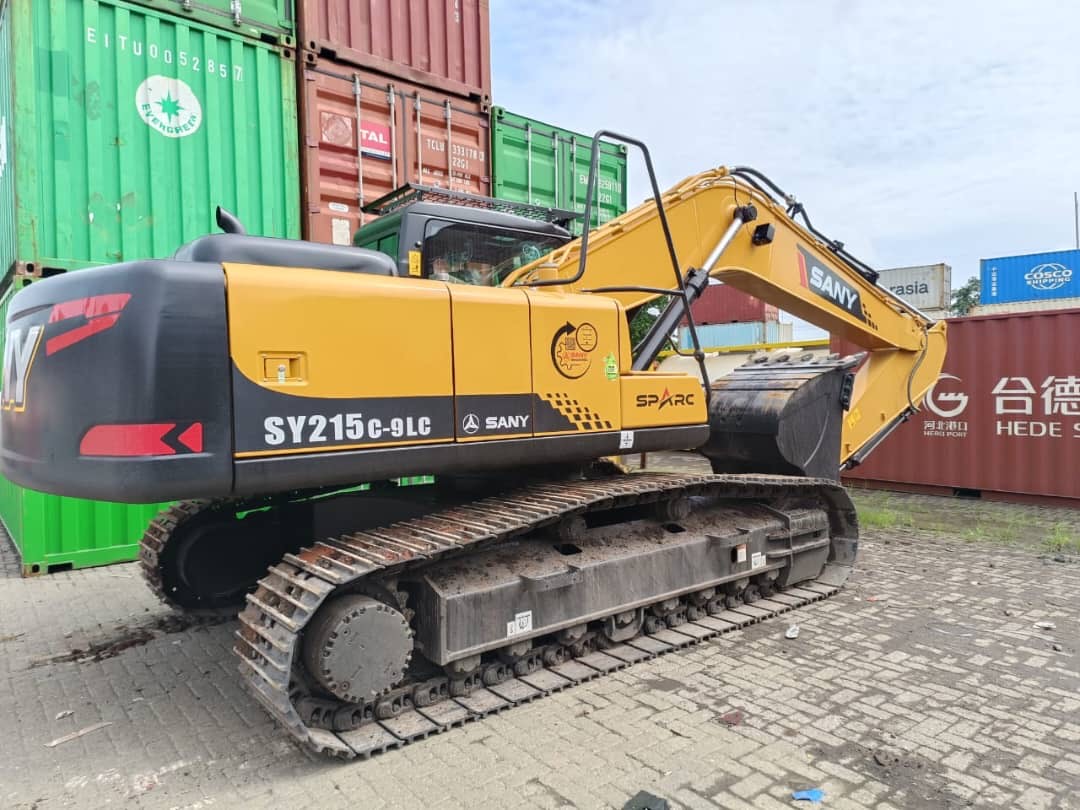
- Types of Equipment in High Demand Heavy Earth-Moving: 20–50 ton excavators, wheel loaders, bulldozers, motor graders, articulated dump trucks. (Caterpillar, Komatsu, SANY, XCMG are popular.)
Concrete Equipment: Truck mixers, concrete pumps, batching plants.
Road Construction: Asphalt pavers, rollers (single/double drum), stabilizers.
Lifting & Handling: Rough-terrain cranes (20–100 tons), telehandlers, forklifts.
Power Generation & Light Equipment: Generators (critical due to grid instability), compactors, plate compactors, water pumps.
Note: There is a strong market for quality used/refurbished equipment from Japan, Europe, or the US, as brand-new machines face intense price sensitivity.
- Entry Strategies & Business Models You can invest through several models:
A. Pure Rental/Leasing Company
Purchase equipment and lease to contractors, miners, or government projects.
High capital outlay but attractive returns if utilization stays above 70%.
Requires a maintenance workshop, skilled technicians, and a system for tracking hours/fuel.
B. Sales Dealership / Distributorship
Partner with a global OEM (e.g., SANY, LiuGong, CASE, Caterpillar) as an authorized dealer.
You handle importation, sales, parts, and after-sales service.
OEMs often look for investors with existing local business networks and a service facility.
C. “Investor-Working Partner” Model
You buy the machine, then place it with an established local contractor who operates and maintains it in exchange for a revenue share (common in mining support).
Requires solid legal contracts and on-ground supervision.
D. Direct Purchase for Own Projects
If you’re a developer, purchasing your own fleet reduces rental costs over time and can generate side income by renting out idle equipment.
- Regulatory & Import Essentials Company Registration: You must register a business with the Registrar General’s Department, obtain a Tax Identification Number (TIN), and register for VAT/NHIL/GETFund levies if turnover exceeds the threshold.
Import Duties & Taxes: Construction equipment attracts an import duty (usually 0–10% depending on HS code), plus VAT (15%), NHIL (2.5%), GETFund (2.5%), and other levies. The effective total tax burden on imported heavy machinery can range from 20%–35% of the CIF value. Always consult a customs agent for your specific HS code classification.
Standards & Inspections: Used equipment may require inspection under the Pre-Arrival Assessment Reporting System (PAARS) and must meet Ghana Standards Authority requirements. Certain emissions or safety standards may apply.
Local Content: For mining-related supply, there are local content regulations that favor Ghanaian-registered companies and joint ventures with Ghanaians. Having a local partner can smooth licensing and contract bidding.
- Financing Options Local Banks: Ecobank, Stanbic, GCB Bank, Absa offer asset finance or equipment loans, but interest rates are high (often 20–30% per annum in local currency). Borrowing in foreign currency may be possible but is riskier due to cedi depreciation.
Development Finance Institutions (DFIs): Afreximbank, IFC, DEG, FMO, and Ghana’s EXIM Bank sometimes provide lines of credit or guarantees for equipment imports at more favorable rates.
Supplier Credit / OEM Financing: Brands like Caterpillar Financière, Volvo Financial Services, or Chinese OEMs may offer structured financing if you meet their criteria.
Leasing: You can set up your own leasing arm, or work with established leasing companies (e.g., Ghana Leasing Company) that buy the equipment and lease it to you – but that is essentially for an operating business, not a passive investment.
- Major Risks & How to Mitigate Cedi Depreciation: Revenue in cedis, costs often in USD/EUR. Mitigation: price rental contracts in foreign currency where possible, or index to exchange rate; maintain a cash buffer.
High Operational Costs: Fuel, spare parts, and import delays increase downtime. Mitigation: stock critical spares, train local technicians, invest in telematics to monitor machine health.
Political & Payment Risk: Government contracts can face delayed payments. Mitigation: diversify into private mining and real estate clients; require advance payments or letters of credit.
Theft & Misuse: Equipment theft or unauthorized use is real. Install GPS tracking, geofencing, and fuel-level sensors. Secure a well-fenced yard with 24/7 security.
Used Equipment Quality: Poorly maintained imports can be a liability. Always use third-party inspection services (e.g., SGS, Bureau Veritas) in the country of origin before shipping.
- Practical Steps to Get Started in 2026 Market Study: Identify the specific gap – e.g., do Tarkwa miners need 50-ton excavators, or do Accra developers need small backhoes?
Meet the Sector: Attend the West Africa Mining & Power Expo or the Ghana Construction Expo to connect with end-users and distributors.
Find a Reliable Local Partner: Someone with a strong track record in construction or mining who can handle operations, site relationships, and government bids.
Secure a Yard & Workshop: Land near industrial hubs (Tema, Takoradi, Kumasi) for importing, assembling, storing, and maintaining equipment.
Trial with a Small Fleet: Instead of a large upfront order, start with 2–3 units (e.g., excavators or backhoes) to test the rental market, build cash flow, and learn the maintenance rhythm.
Digital & Contract Management: Use asset management software to monitor utilization, service schedules, and invoicing. Never rely on verbal rental agreements alone.
- Is Now the Right Time (2026)? Ghana continues to be a stable democratic hub in West Africa, but the economic environment remains sensitive to commodity prices and fiscal policy. The IMF program (expected through 2026) aims to stabilize the cedi and reduce inflation, which could improve the investment climate. The demand for construction equipment is structurally driven by infrastructure deficits, so long-term prospects remain positive. However, the short term requires careful foreign-exchange management and tight cost control.
Bottom line: If you have capital, a tolerance for moderate risk, and a strong on-ground team, equipment rental and sales in Ghana can generate high yields. The key is choosing the right niche, financing structure, and operational partner.