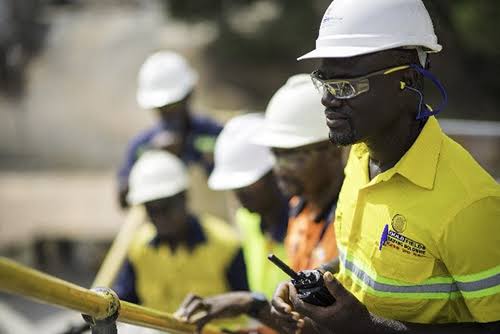

Minerals 260 has entered a new phase of its Bullabulling gold project, combining resource expansion with production readiness, as the firm works toward a final feasibility study (DFS) and first gold in late 2028 in Western Australia.
On a broader scale, Minerals 260 is aiming to expand and improve the quality of Bullabulling’s resource while also advancing the infrastructure, approvals, and money required to convert the Western Australian project into a mine.
Its next exploratory phase will concentrate on three areas: resource growth near current deposits, regional target generation within an extended 1160-square-kilometer tenure package, and operational preparation prior to production.
Near-mine drilling will initially focus on the corridor connecting the Kraken deposit and the recently acquired Endeavour opportunity, as well as extensions north of Dicksons.
Auger drilling has identified gold anomalies that extend approximately 1 km south-east of Kraken and 1.1 km along strike from Endeavour. First-pass, wide-spaced reverse circulation (RC) drilling is planned along the corridor, while infill drilling at Endeavour may support a preliminary Mineral Resource Estimate (MRE) for the potential.
Endeavour is thought to be on the same structure as Bullabulling’s existing resource, and while previous drilling was generally shallow, it discovered multiple stacked mineralised lodes and gold-bearing laterite, including 16m at 1.3 grams per tonne (g/t) gold from 47m, 7m at 2.7g/t from 47m, and 3m at 4.9g/t from 87m.
Minerals 260, located north of Dicksons, will test a coherent 1km-long gold anomaly in a location with little previous drilling, while additional auger work will look at interpreted faulted extensions of Bullabulling’s host rocks and mineralized structures across newly acquired ground.
Minerals 260 has also found higher-grade trends in the current MRE by combining drilling data, structural interpretations, historical mining information, pit mapping, and visible gold observations.
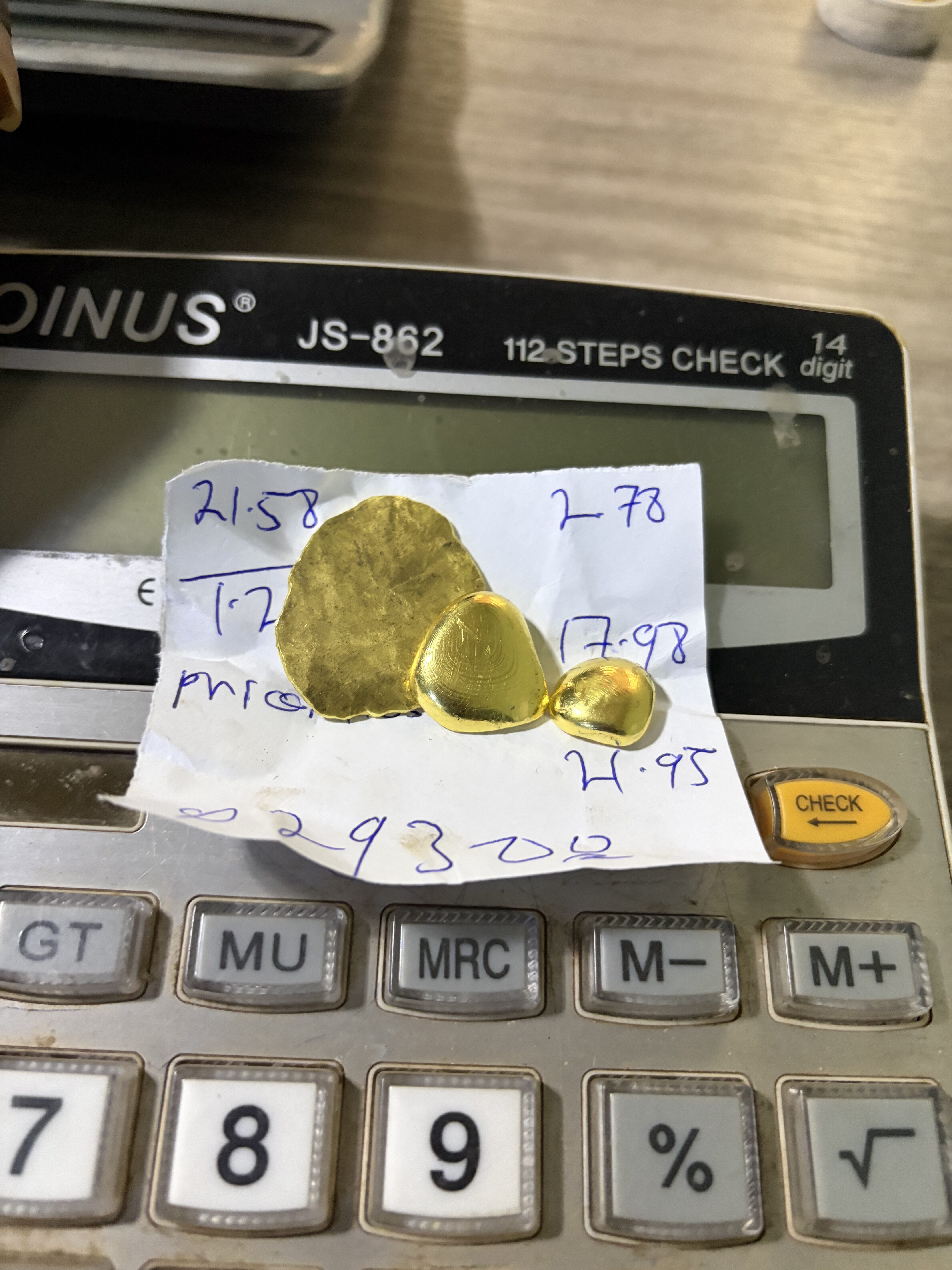
While further study is needed, identifying higher-grade zones could have a significant impact on the project’s economics if they can be included into the mine plan’s early years. Accessing higher-margin ore earlier may improve cash flow during the capital payback period and allow more flexibility as production ramps up.
Minerals 260 managing director Luke McFadyen stated that the past 15 months of drilling had significantly improved the company’s understanding of Bullabulling.
“Our drilling program completed over the past 15 months has significantly advanced our understanding of the Bullabulling mineral system, and we will apply that improved understanding across our next phase of exploration and operational readiness,” he added.
“Bullabulling has already demonstrated its significant scale, and our focus remains not only on growing the MRE by identifying near-surface mineralisation along strike to the north and south, but also exploring the region and preparing for targeted commencement of production in late 2028”.
The exploration strategy followed a 38% rise in Bullabulling’s resource to 190 million tonnes at 1g/t gold for 6.2 million ounces, with 4.4 million ounces in the higher confidence indicated category.
More crucially, Minerals 260 stated that the increased resource was not factored into the project’s recently completed pre-feasibility study (PFS) or maiden ore reserve.
Instead, the PFS used the existing 4.5-million-ounce resource and proposed a conventional open-pit operation to feed a five-million-tonne-per-year carbon-in-leach facility. It predicted a 19-year working life of 2.3 million ounces, with an average annual production of around 150,000 ounces throughout the first decade.
The analysis provided a post-tax net present value of $2.3 billion, an internal rate of return of 43%, and an estimated capital payback period of about two years. It also supported a maiden probable ore reserve of 90 million tonnes at 0.86g/t for 2.5 million ounces.
Incorporating the larger July resource into the DFS opens up opportunities for additional reserve growth, mine-plan optimization, and potentially higher future throughput, and the project’s crushing and materials-handling infrastructure has already been designed to accommodate a potential expansion to 7.5 million tonnes per year, with space reserved for additional milling and processing equipment.
Minerals 260 is carrying out those investigations in addition to physical development activities, including as a 26,000m grade-control campaign completed at two parts of the Phoenix deposit that are expected for early production, as well as lodging, water, and communications infrastructure.
The business granted ATCO a $59.1 million fixed-price contract for a 400-person community set to open in the first quarter of 2027.
It ended June with about $211 million in cash and deposits and has received several indicative debt-funding term sheets.
The DFS and final investment decision are both scheduled for the first quarter of 2027, with the combination of exploration, grade-control work, and early infrastructure development demonstrating Minerals 260’s desire to preserve Bullabulling’s growth potential while avoiding further discoveries that could delay its planned path to production.