
This is a thorough examination of Saudi Arabia’s efforts to establish itself as a new African gold hub and whether or not it can actually compete with Dubai.
The Gold Trade’s Changing Axis Dubai has been the unchallenged entry point for African gold into international markets for many years. It was the ideal initial destination for gold from artisanal mines in Sudan, artisanal and industrial operations in Mali, Ghana, and the Democratic Republic of the Congo, as well as burgeoning producers throughout the continent, because to its combination of light-touch regulation, first-rate logistics, and extensive trading networks. A significant amount of the estimated $20–$35 billion in gold that is smuggled out of Africa each year has traditionally passed through Dubai, frequently being carried by hand in briefcases and declared “hand luggage” at Dubai International Airport.
However, a new axis is emerging. Under its Vision 2030 reform initiative, Saudi Arabia is quickly constructing the financial, legislative, and logistical framework necessary to stop that movement, refine the gold at home, and resell it as bullion of recognized Saudi origin. The goal is to become a well-known international gold hub that directly routes African resources via the Kingdom, not just to compete with Dubai.
- The Reasons Behind Dubai’s Ascent to Dominance You must first recognize Dubai’s advantage in order to comprehend Saudi Arabia’s challenge:
Normalization follows a regulatory vacuum. Gold may be imported into Dubai with little documentation for many years. The UAE’s “Gold Souk” ecology and free zones are still quite flexible and liquid, despite the country tightening its anti-money laundering (AML) and responsible sourcing regulations in response to international pressure.
superior logistics. A vital component of artisanal supply chains, Emirates Airlines allows hand-carried gold as air cargo and operates direct flights to nearly every African major.
refining and exporting again. Raw dore bars were converted into Good Delivery-standard gold by major refineries like Emirates Gold, IGR, and Kaloti. This gold was subsequently sold to Turkey, China, Switzerland, and India.
trust in trade and finances. A smooth parallel financial system for gold settlements was established by traders from Bamako to Khartoum who had dollar and dirham accounts in Dubai institutions.
However, Dubai’s vulnerability has been ongoing attention about money laundering, conflict gold, and its function as a transit hub for Russian gold after 2022. Saudi Arabia now has a chance to position itself as a clean, state-sponsored alternative.
- The Strategic Vision of Saudi Arabia’s Gold Market Play The Public Investment Fund (PIF) provides significant funding for Saudi Arabia’s strategic, multifaceted strategy.
Establishing a Sovereign Hub for Trading and Refining The revitalization of the local gold industry and the Saudi Gold & Jewelry Company (SGJC), a PIF subsidiary, are the pillars. In order to obtain London Bullion Market Association (LBMA) Good Delivery accreditation for Saudi-made bars, the Kingdom has made investments in a cutting-edge refinery and assaying facilities. With a Saudi Good Delivery list, the Kingdom would immediately become a direct supplier to central banks and institutional investors across the globe, avoiding the Swiss refineries that presently account for a large portion of the value-add.
b. Spot contracts and the Saudi Gold Exchange For the first time in the region, the Saudi Tadawul Group established the Saudi Gold Exchange in 2023–2024 with intentions for spot gold contracts. To draw in institutional liquidity, offer transparent price discovery, and enable African suppliers to hedge and sell their gold in a regulated setting free from the opaqueness of Dubai’s over-the-counter trading, a physical, exchange-traded spot market is necessary. This gives African central banks a way to deal directly with Riyadh for the purchase or sale of gold.
b. Direct Supply Agreements and Partnerships with Africa Saudi Arabia is not just holding out for the arrival of riches. It is actively protecting the supply upstream:
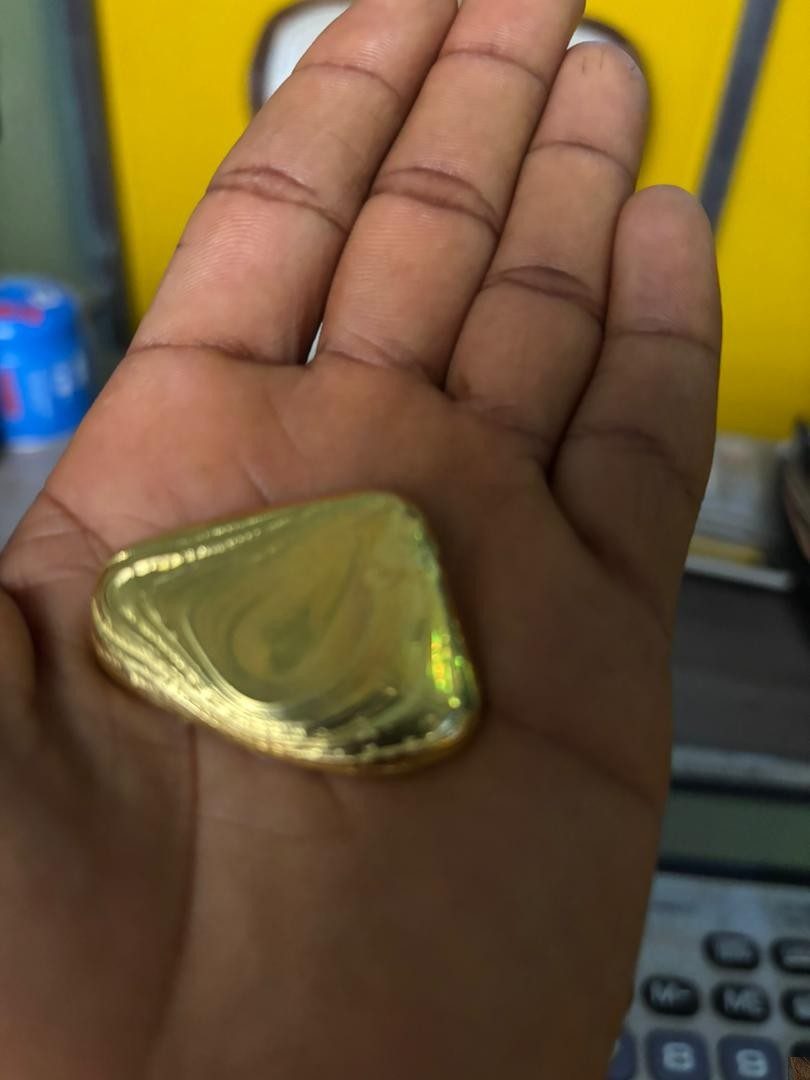

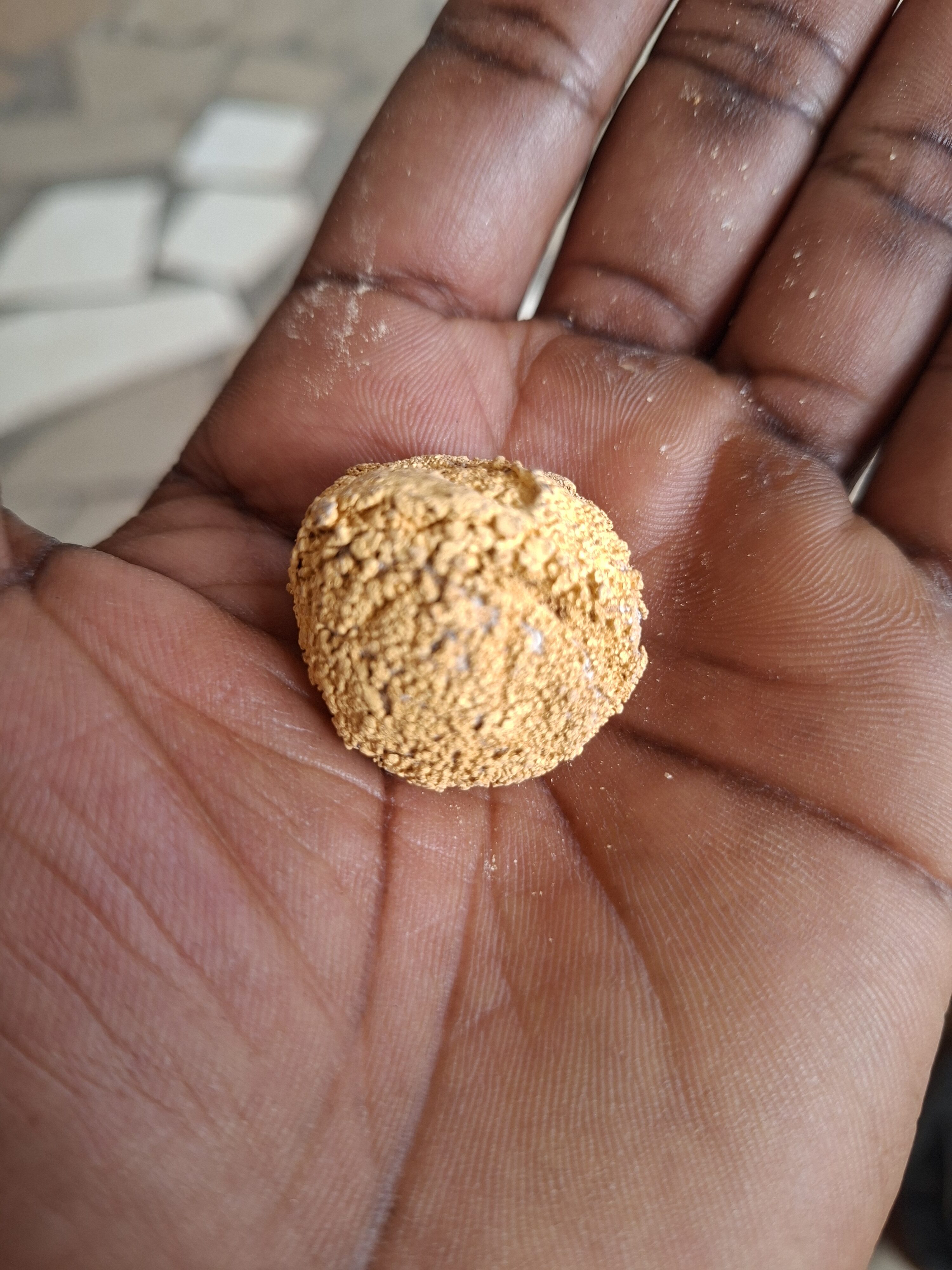
With an emphasis on the Arabian-Nubian Shield, which stretches from Egypt and Sudan into the Kingdom, Saudi Arabian Mining Company (Ma’aden) and PIF-affiliated organizations have investigated joint ventures and offtake agreements in African countries. A geological complementarity exists.
Government-to-government agreements: In exchange for long-term gold purchase agreements and exploration licenses, Saudi Arabia has used high-level trips to provide funding packages (such as for infrastructure, energy, or budget support) to African nations. Compared to dealing with a disjointed, private-sector Dubai, this state-led model may be attractive for mineral-rich but cash-poor countries like Sudan, Zimbabwe, or Guinea.
Aid and investment leverage: The Kingdom can combine development financing with mineral access through the Saudi Fund for Development and other entities, following China’s lead. Due to the battle between the Sudanese Armed Forces and the RSF, where ownership of gold mines is a crucial economic aspect, Sudan’s gold, which historically went mostly to Dubai, is now a major target.
d. Regulatory Reset: Responsible Sourcing and AML as a Brand Saudi Arabia is constructing its gold hub from the ground up with strict Western-compliant standards for anti-money laundering and responsible sourcing, in contrast to Dubai’s reactive tightening of regulations. The plan is to promote Saudi-refined gold as “conflict-free and fully traceable,” which could allow it to command a higher price or at the very least avoid the reputational discounts that are occasionally associated with bars of UAE provenance. International banks, central banks, and consumers are being informed that Riyadh is a reliable and compliant partner by the Kingdom’s recent hosting of significant gold conferences and its pursuit of an LBMA accreditation for its refinery.
- Is Saudi Arabia Really Able to Take on Dubai? Instead of an overnight takeover, the dynamics suggest a gradual realignment. The following are arguments in favor of and against a successful challenge:
Saudi Arabia’s Advantageous Factors State authority and a common goal. While Saudi Arabia’s attempt is a sovereign project with PIF capital that permits subsidies, aggressive pricing, and quick infrastructure build-out, Dubai’s gold trade is a decentralized cluster of individual dealers.
The Arabian-Nubian Shield is nearby. There are substantial undeveloped gold reserves in Saudi Arabia. For producers near the Red Sea, a regional center in Jeddah or Riyadh makes more sense economically than shipping gold to the Gulf if it can also handle gold from Sudan, Egypt, and East Africa.
financial inclusion and banking. Saudi banks can create a clearing system headquartered in Riyadh by opening correspondent accounts and offering trade finance directly to central banks and authorized African exporters with official assistance. This could lessen the need for the financial system in Dubai.
Vision 2030 demand. There is a huge domestic market for jewels and luxury products in Saudi Arabia. By removing Dubai from the retail supply chain, a local center enables the direct import of African gold for jewelry production in the Kingdom.
Persistent Difficulties with Dubai’s Moat the culture of carrying by hand. A large amount of African artisanal gold is smuggled in small amounts by lone traders who rely on family connections, unofficial trust networks, and the well-traveled route to Dubai. It is challenging to replicate this human infrastructure in Saudi Arabia, where the social and legal climate is far less accommodating for international small-scale businesses. The Deira Gold Souk in Dubai is a singular melting pot.
enhancing trust and ability. Refineries in Dubai are already accredited by the LBMA. Saudi Arabia is still in the process. Global bullion banks and jewelers take years to trust a new source, even if it is accredited. “Saudi Good Delivery” will be viewed cautiously at first.
Geopolitics and financial sanctions. Saudi Arabia’s reputation as a neutral economic hub may be hampered by its own geopolitical entanglements and sporadic conflict with Western nations. Being a comparatively apolitical entrepreneur is what makes Dubai so successful.
the system’s inertia. Bamako traders have reliable buyers, reputable shipping brokers, and bank accounts located in Dubai. A fundamental change in motivation, such as a premium price paid in Riyadh or the deliberate blocking of the Dubai route by African governments—which many regimes lack the capacity or will to enforce—is also necessary to upend this.
- The Most Likely Situation: A Divided African Gold Highway The most likely future is a split of the African gold trade rather than a winner-take-all situation.
Mining firms, central bank purchases, and LBMA-grade refined bars are examples of industrial and “official” flows that will increasingly pass through Saudi Arabia, particularly from governments that front the Red Sea and those looking for Saudi investment. Saudi Arabia will gain a larger portion of the formal, high-value market.
Due to the city’s tolerance, ease of logistics, and deeply ingrained networks that depend on money, trust, and quick mobility, the enormous artisanal and informal sector—which still contributes significantly to Africa’s gold production—will continue to be anchored in Dubai.
In order to lock in the gold trade, the UAE has signed a Comprehensive Economic Partnership Agreement with many African nations, and Dubai is already adjusting by cleaning up its act. It is difficult for it to give up its crown.
In conclusion, Saudi Arabia is launching the first real, state-sponsored attack on Dubai’s African gold trade in a long time. It won’t “kill” the Dubai market, but by providing a bankable, authorized, and regulated substitute for Africa’s official gold, it will carve out a sizable niche. Transparency, revenue capture, and the geopolitics of African resources will all be significantly impacted by the Saudi hub’s potential to seize 20–30% of the official African gold flow currently going to the UAE over the course of the next ten years, thereby transforming the Red Sea corridor into a new golden artery.