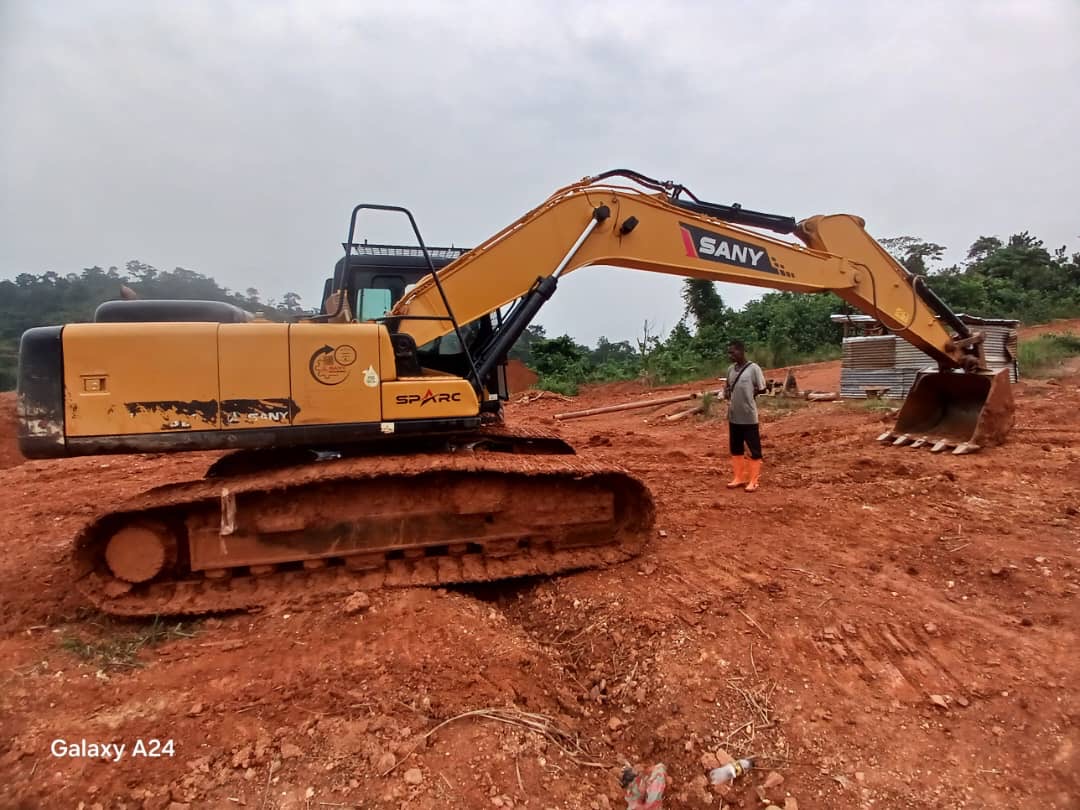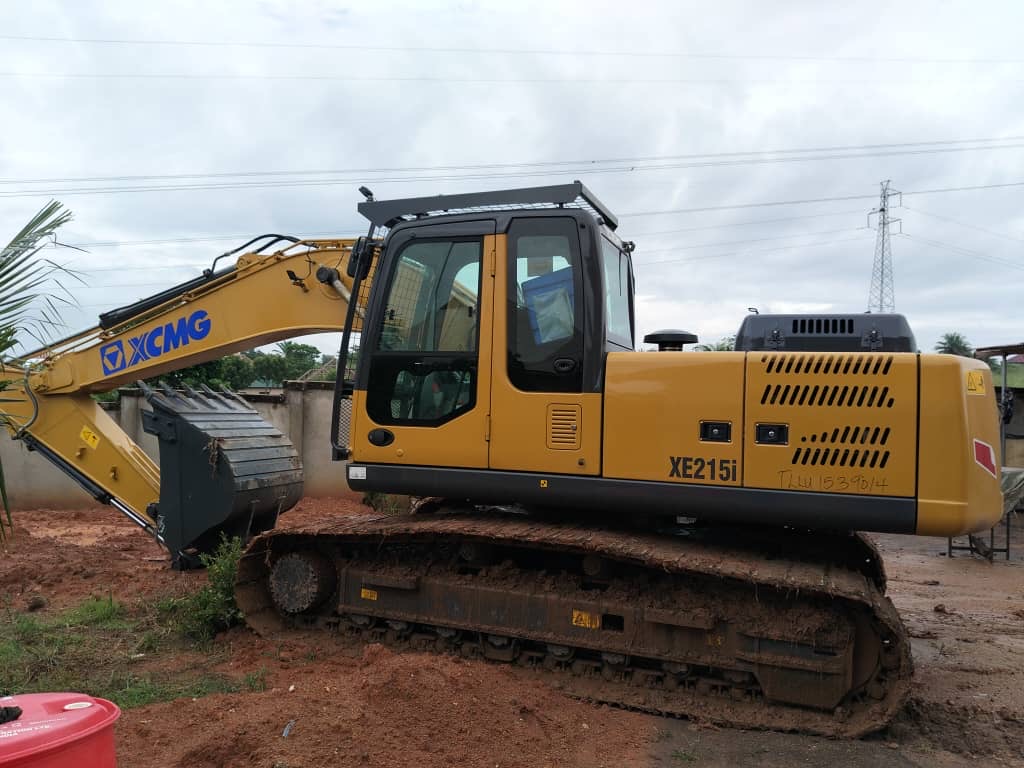

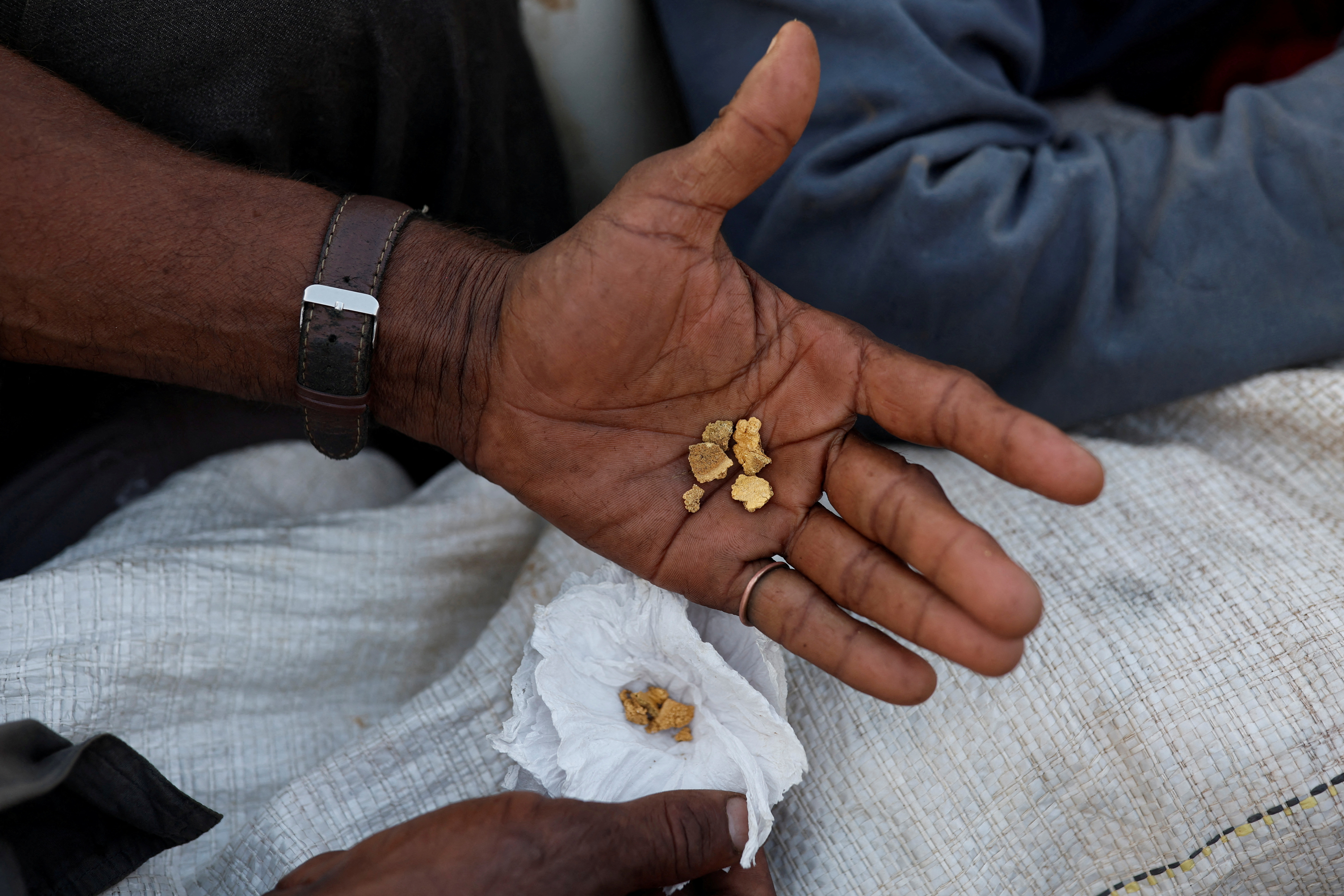
Ghana’s newly established first Marine Protected Area (MPA), Greater Cape Three Points, is under threat from illegal gold mining, known as galamsey, which pollutes coastal and marine ecosystems.

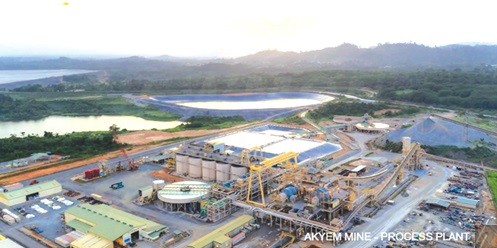
The MPA, which was declared on April 14, 2026, encompasses around 703 square kilometers and protects vital fish spawning and nursery grounds, as well as mangroves, wetlands, and other areas rich in biodiversity.
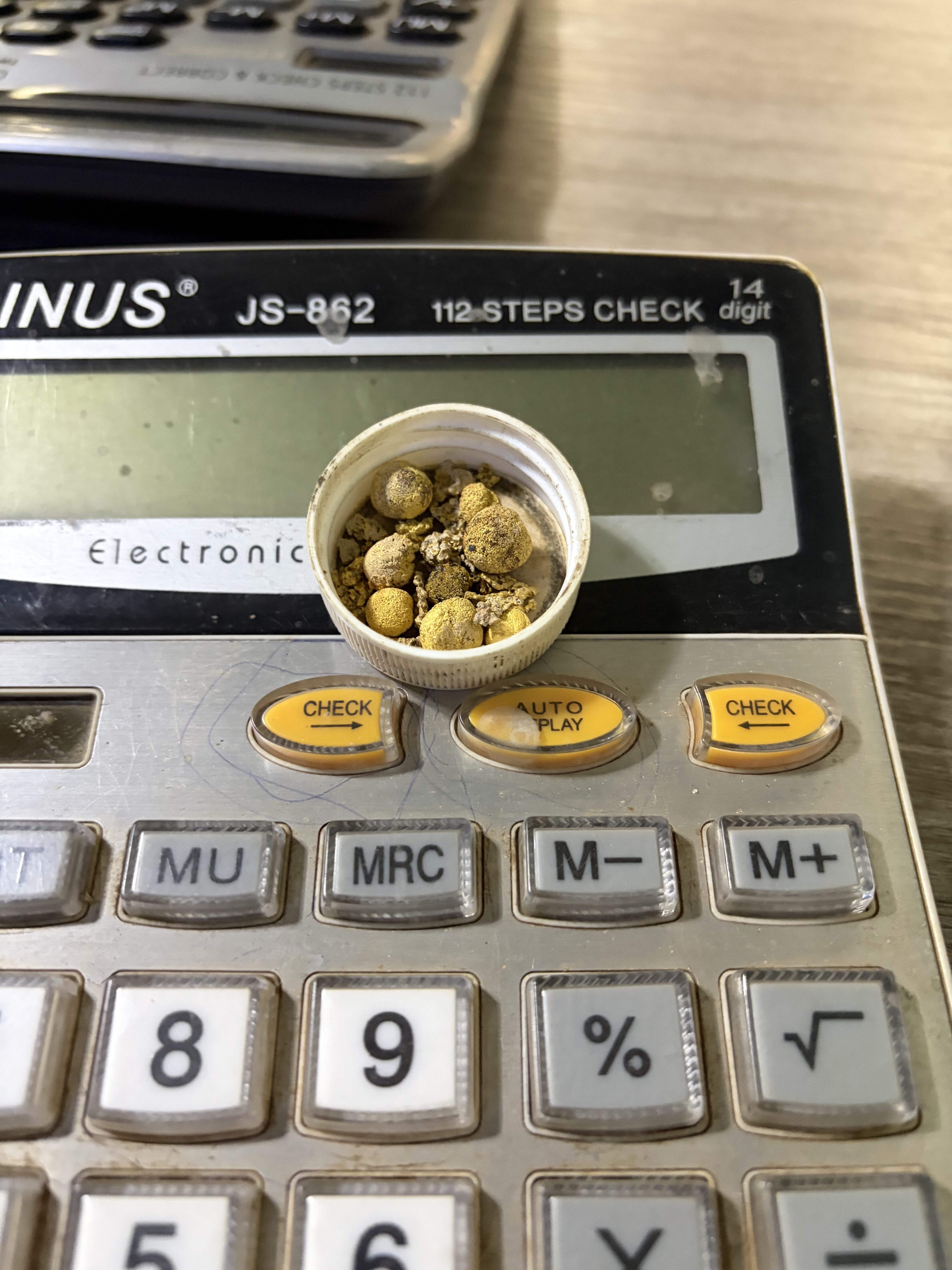
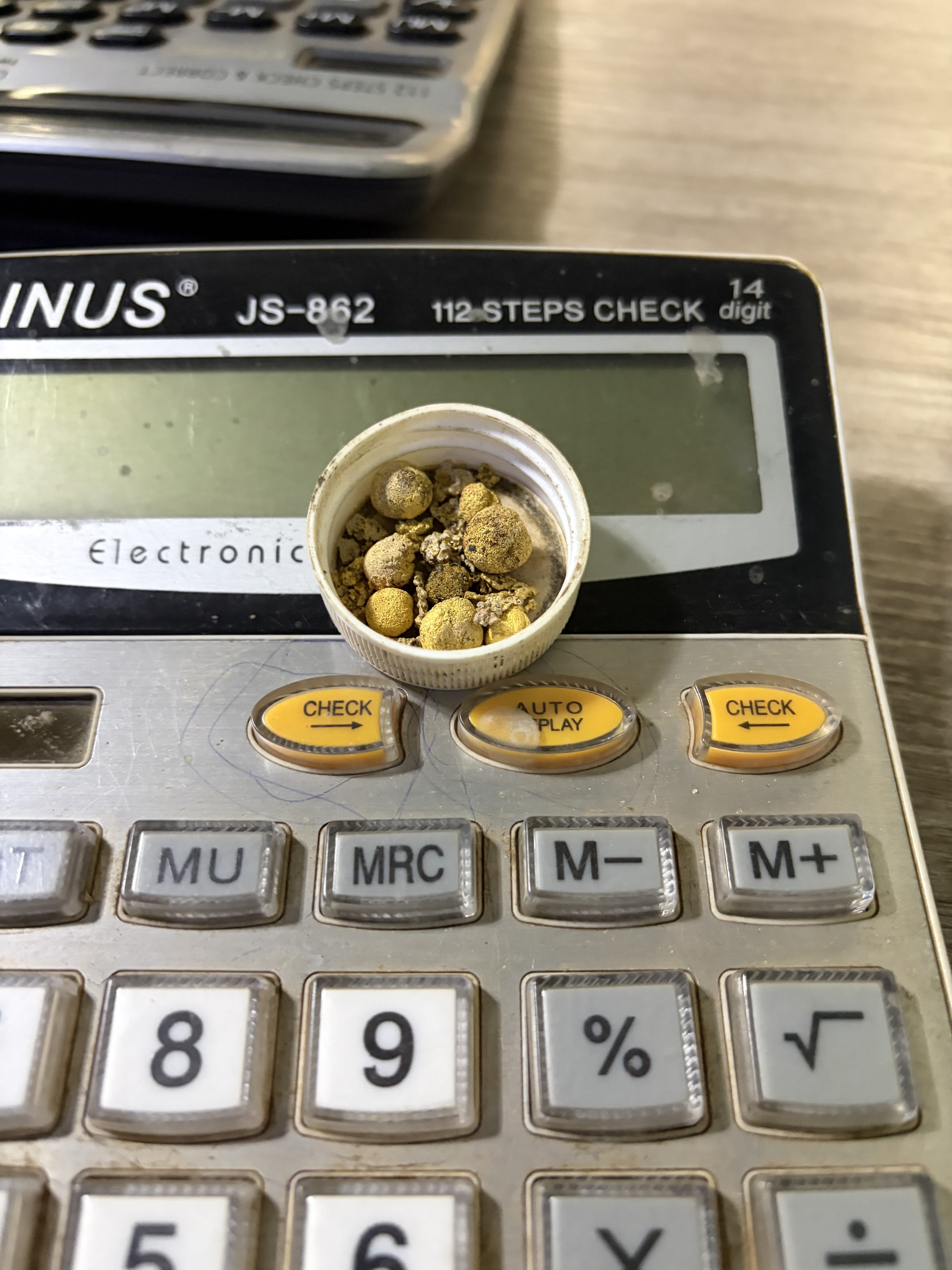
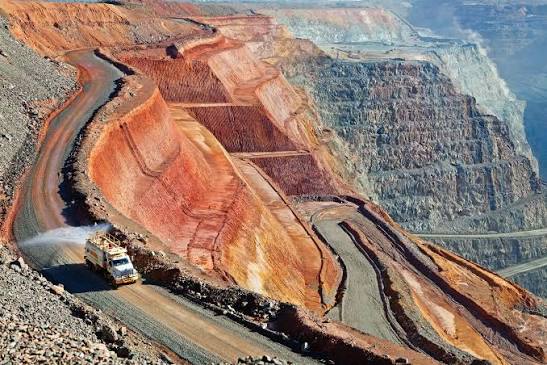
How Galamsey Threatens the MPA Polluted rivers carry mining waste into the ocean. Illegal mining along rivers such as the Butre and Nyan can release mercury, other toxins, and heavy silt into estuaries and coastal seas. Fish nursery environments may be damaged. Sediment and toxins can harm mangroves and estuaries, where fish breed and flourish. It undermines the MPA’s intended aim. Restricting fishing can help fish stocks recover, but the advantage is diminished if dirty freshwater continues to reach protected waterways. Coastal livelihoods are vulnerable. Fishermen rely on healthy fish populations, therefore river pollution can directly lead to fewer catches and income. The problem goes beyond regulatory borders. Mining, water, forestry, and fishery administrations frequently oversee separate areas of the same environment, while pollution flows easily between them. Environmental specialists therefore advocate for coordinated river-to-ocean management. Why does this matter?
The Greater Cape Three Points MPA is designed to serve as a recovery zone for Ghana’s devastated fisheries and an example for marine conservation. The administration has also underlined that maintaining the nation’s ocean necessitates combating pollution and other risks.
The major takeaway is straightforward: Ghana cannot adequately safeguard its first marine reserve while permitting its upstream rivers to remain contaminated with galamsey. To protect the MPA, illicit mining in river catchments and forest reserves must be enforced, as well as marine protection.
A recent GNA analysis puts it bluntly: preserving the ocean without safeguarding the rivers puts the marine reserve at risk from upstream.