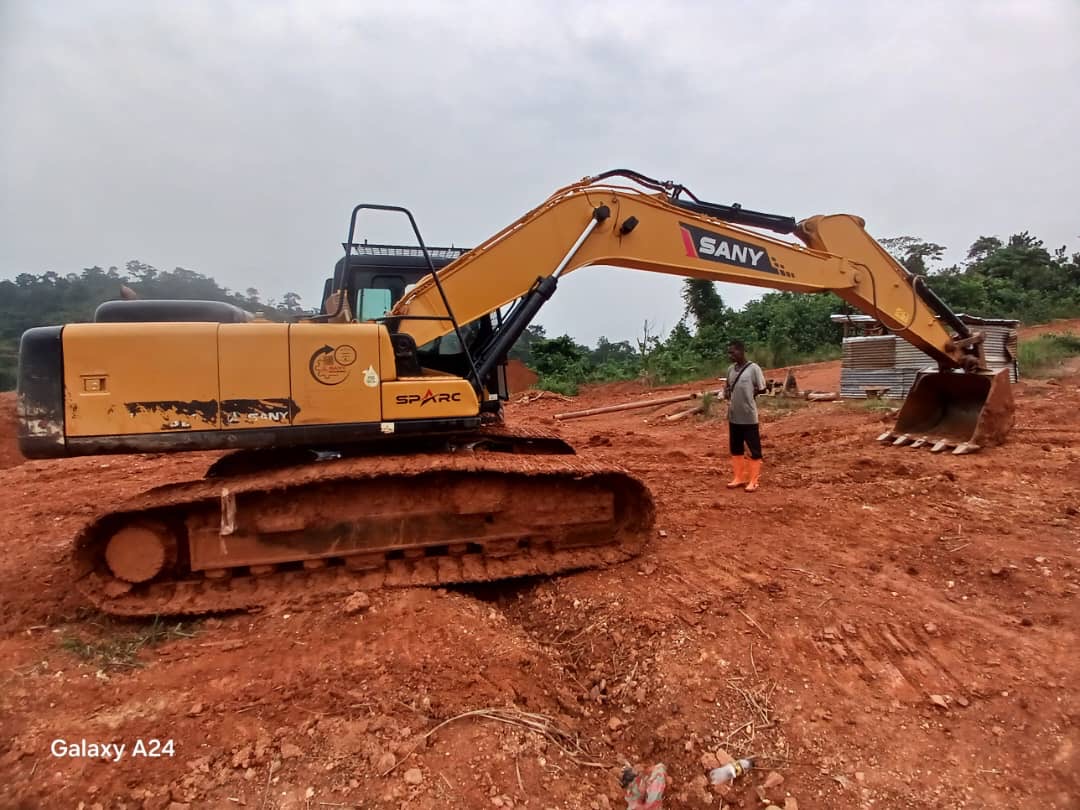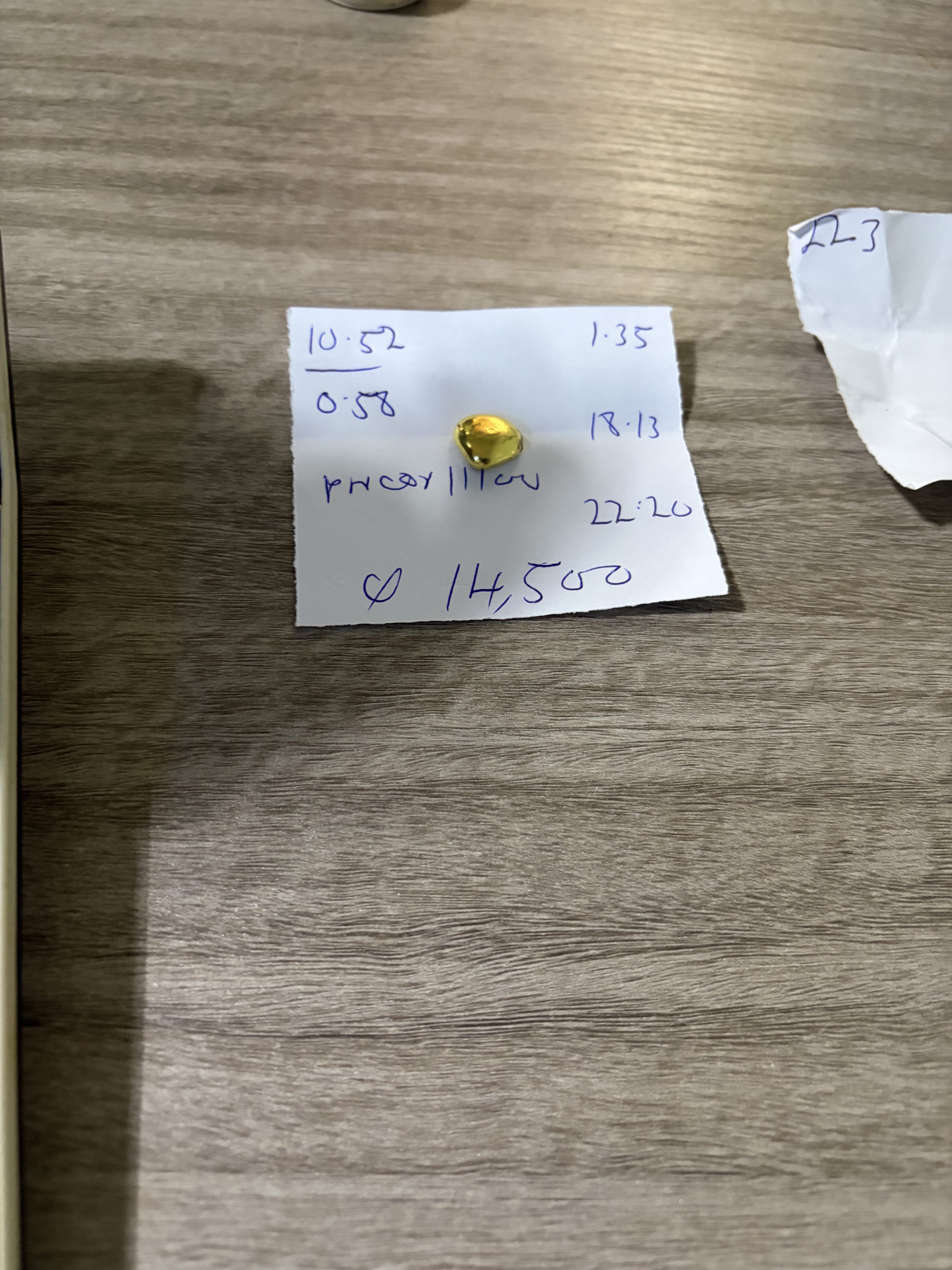

Investing in Africa’s heavy equipment rental market presents a significant opportunity, driven by a major infrastructure boom and a continent-wide shift towards operational efficiency. You can enter this market by buying equipment directly, investing through specialized funds, partnering with existing local firms, or even exploring equipment-leasing REITs (Real Estate Investment Trusts) when they emerge. Below is a detailed guide to help you navigate this promising sector.
📈 The Investment Case: A Booming Market
The foundation of this opportunity is strong and sustained growth:
- Market Size & Growth: The Middle East & Africa construction equipment market alone is projected to grow from 4.64billionin2026to4.64billionin2026to6.74 billion by 2031, at a compound annual growth rate (CAGR) of 7.74%. The broader construction equipment rental market in the MEA region is also expanding, with a CAGR of 6.5% from 2026 to 2033.
- Key Drivers: Several powerful trends are fueling this demand:
- Infrastructure Investment: Massive government-led infrastructure projects are underway across the continent.
- Urbanization: Rapid population growth and migration to cities are creating a constant need for new housing, roads, and utilities.
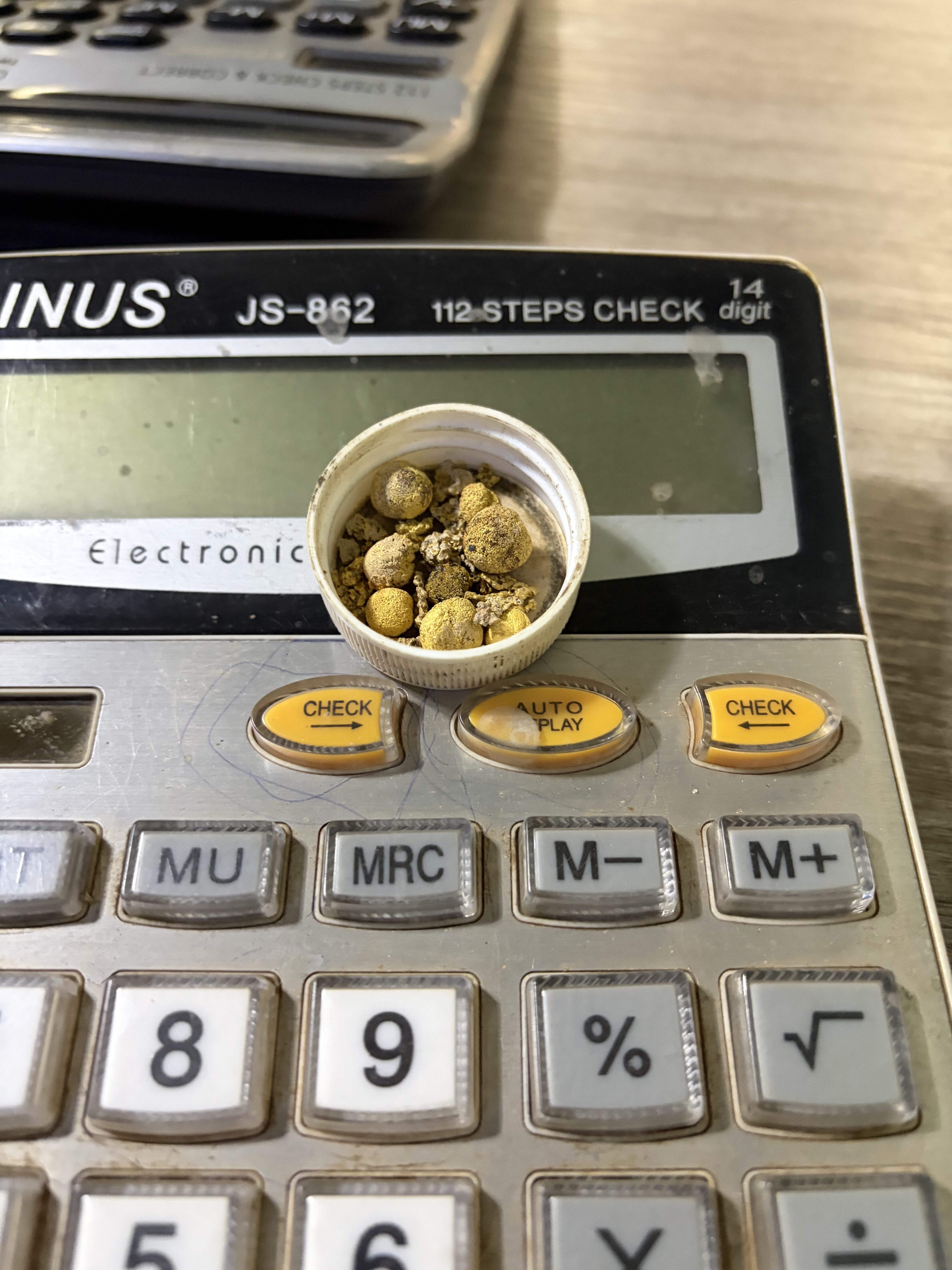
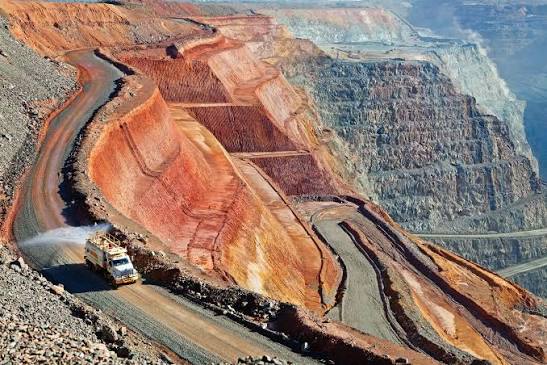
- Resource Extraction: Booming mining sectors, particularly for gold in Ghana and various minerals in the DRC, require extensive earthmoving and excavation equipment.
- The “Rent, Don’t Buy” Shift: A key trend is businesses moving away from tying up capital in owned equipment. Renting improves financial flexibility and shifts maintenance and downtime risks to the rental company.
- Innovative Niches: Beyond traditional construction, opportunities exist in specialized rental niches. For instance, Bisedge, a company providing electric forklift fleets as a service, has secured $20 million from Metier Private Equity, signaling strong investor interest in “Equipment-as-a-Service” models.
🗺️ Key Geographic Hubs for Investment
While opportunities exist across the continent, some nations are more developed. South Africa is the most mature market, with the highest growth potential. Other significant markets include Egypt and Nigeria.
💡 Your Paths to Market Entry: Weighing Your Options
There are several distinct ways to enter this market. The right one for you depends on your capital, risk tolerance, and level of desired involvement.
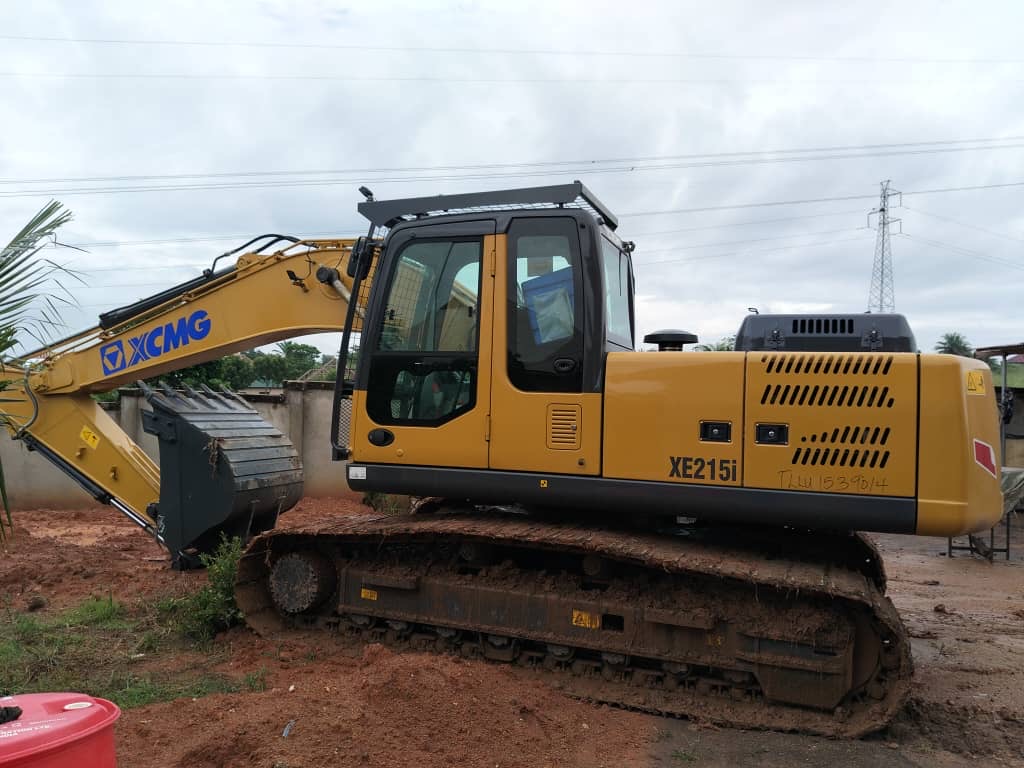
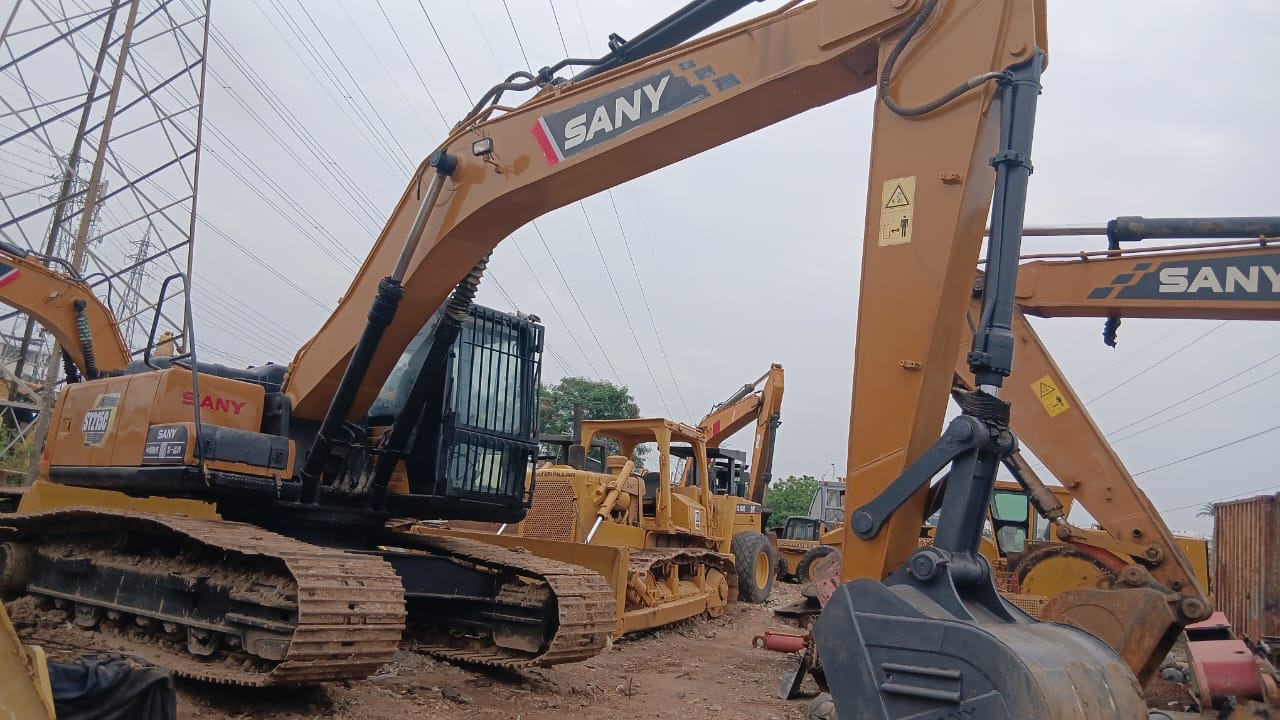
Buying Equipment Directly: You purchase machinery and rent it out. This offers high control and margin potential but requires significant capital and deep local operational expertise for fleet management and maintenance.
- Example: In Ghana, a rental operation targeting small-scale gold mines required an estimated $500,000 initial investment to acquire an initial fleet of 5-10 excavators.
Investing through Funds & Platforms: You provide capital to a specialized company or platform that already has an operational footprint. This is a lower-touch, diversified approach.
- Example: MOPO, a solar battery rental company with 28 million rentals across six African countries, attracted $6.7M from Norfund.
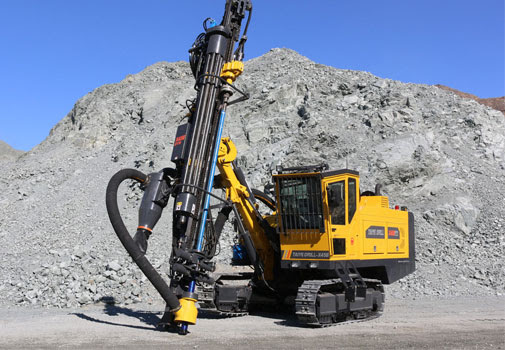
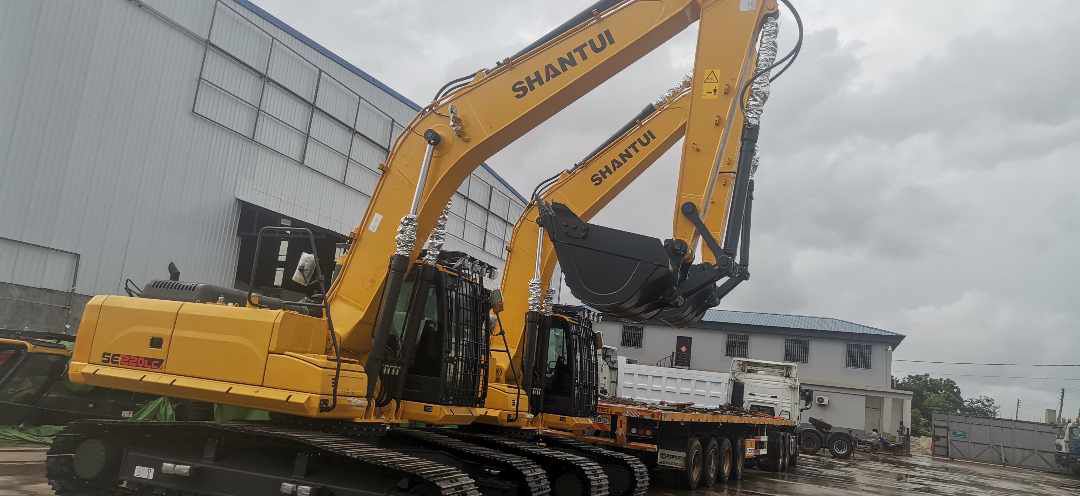
Franchising a Rental Brand: You buy the rights to operate under an established brand with a proven business model and support system. You benefit from brand recognition but must pay fees and follow brand guidelines.
- Example: South Africa has established franchise opportunities. For instance, Coastal Hire, a small equipment franchise, has a total investment of around R2,450,000 (~134,000)∗∗includingequipmentandfees[reference:17].Anotherfranchise,TalismanHire,hasarecommendedtotalinvestmentof∗∗R5.75million( 134,000)∗∗includingequipmentandfees[reference:17].Anotherfranchise,TalismanHire,hasarecommendedtotalinvestmentof∗∗R5.75million( 315,000).
Partnering with Local Entities: You form a joint venture with a local company or operator. This grants access to local expertise, permits, and networks, but depends heavily on finding a trustworthy partner. A clear real-world example is MOPO partnering with the IFC for strategic advisory support to enter new markets.
Note on REITs (Real Estate Investment Trusts): Equipment-leasing REITs are a common investment vehicle in North America. While this specific structure is not yet prominent in Africa, it could emerge as the market matures, offering another potential avenue in the future.
📊 Market Drivers and Investment Avenues at a Glance
The table below summarizes the key factors driving the market and the different ways you can invest.
| Market Driver | Investment Avenue | Key Markets |
|---|---|---|
| Infrastructure Development (Roads, ports, energy projects) | Direct Equipment Purchase (Full control, high capital need) | South Africa, Nigeria, Egypt |
| Mining & Resource Extraction (Gold, minerals, oil & gas) | Specialized Funds & PE/VC (Diversified, lower-touch) | Ghana, DRC, South Africa, Saudi Arabia |
| Urbanization & Real Estate (Housing, commercial buildings) | Franchise (Brand support, proven model) | Major urban centers across Africa |
| Agricultural & Industrial Shift (Rental over ownership) | Local Partnership (Market access, shared risk) | Kenya, Tanzania, Zambia |
💰 Investment Costs & Capital Requirements
To give you a clearer picture, here are some specific capital requirements for different entry models (based on recent data, please verify current figures):
- Direct Equipment Purchase (Small-Scale): $500,000 (e.g., for 5-10 excavators in Ghana)
- Direct Equipment Purchase (Large-Scale): $400 million (e.g., a venture raising funds for a large fleet of premium rigs)
- Franchise (Small Equipment): Approximately R2,450,000 (Roughly $134,000)
- Franchise (General Equipment): Approximately R5.75 million (Roughly $315,000)
- PE/VC Fund Investment: $7.2 million (e.g., AgDevCo’s follow-on investment in EFAfrica Group)
🛠️ Your Step-by-Step Investment Plan
Follow this structured plan to move from research to investment.
- Conduct Preliminary Due Diligence: Assess your risk appetite, available capital, and preferred level of involvement. This initial “Know Thyself” step is critical.
- Select a Target Market & Avenue: Choose a specific country and a path to entry (direct, franchise, fund, partnership) that aligns with your goals.
- Perform Deep Legal & Financial Checks: Hire local legal counsel to navigate company registration, tax, and import laws. Vet potential local partners, review financial records for viability, and stress-test your financial models against market fluctuations.
- Secure Financing: Explore your options—personal capital, loans (including from development banks), partnerships, or raising funds from private investors/PE firms.
- Establish Operations: Finalize a legal entity, acquire or import your fleet, set up secure storage and maintenance facilities, and build a local management team with “boots on the ground.”
- Execute and Monitor: Develop a marketing and sales strategy to secure rental contracts. Implement a robust system for tracking asset performance, utilization rates, and financial returns.
🛡️ Risk Mitigation: A Proactive Strategy
Investing in Africa is not without its challenges. A proactive strategy to mitigate key risks is essential.
| Risk | Mitigation Strategy |
|---|---|
| Asset Damage & Theft | Implement robust GPS tracking, secure storage, and comprehensive insurance. |
| Maintenance & Downtime | Establish a local maintenance team and a reliable spare parts supply chain. |
| Currency Fluctuation | Structure contracts in stable currencies (e.g., USD, EUR) or hedge financial exposure. |
| Political & Legal Instability | Secure political risk insurance (e.g., from MIGA) and conduct thorough local legal due diligence. |
| Economic Volatility & Demand | Diversify your customer base across sectors and maintain conservative financial leverage. |
🌟 Spotlight: A Case Study in the Market
A great way to understand the market is to look at a real-world example. Bisedge Logistics & Infrastructure operates a fleet of electric forklifts as a rental service for manufacturers and retailers across Sub-Saharan Africa. In May 2026, they raised a $20 million investment from pan-African private equity firm Metier, showing that investors see huge potential in providing equipment as a service.
🚀 Your Next Moves
To turn this research into action, your next steps are clear:
- Start Networking: Connect with industry professionals and potential partners. Platforms like LinkedIn and DealStream are good starting points to find partnership opportunities.
- Leverage Expert Reports: Subscribe to market research from firms like 6Wresearch, Grand View Research, and Straits Research for the latest data and forecasts.
- Consult Professionals: Engage with a consultant or law firm that has specific experience in African construction and heavy equipment finance. They can provide crucial guidance on local regulations, including the Cape Town Convention’s MAC Protocol.
Africa’s heavy equipment rental market is poised for significant growth. By understanding the landscape, choosing the right path, and mitigating risks, you can position yourself to capitalize on this opportunity.
If you have a specific country or investment amount in mind, I can tailor this guidance further.