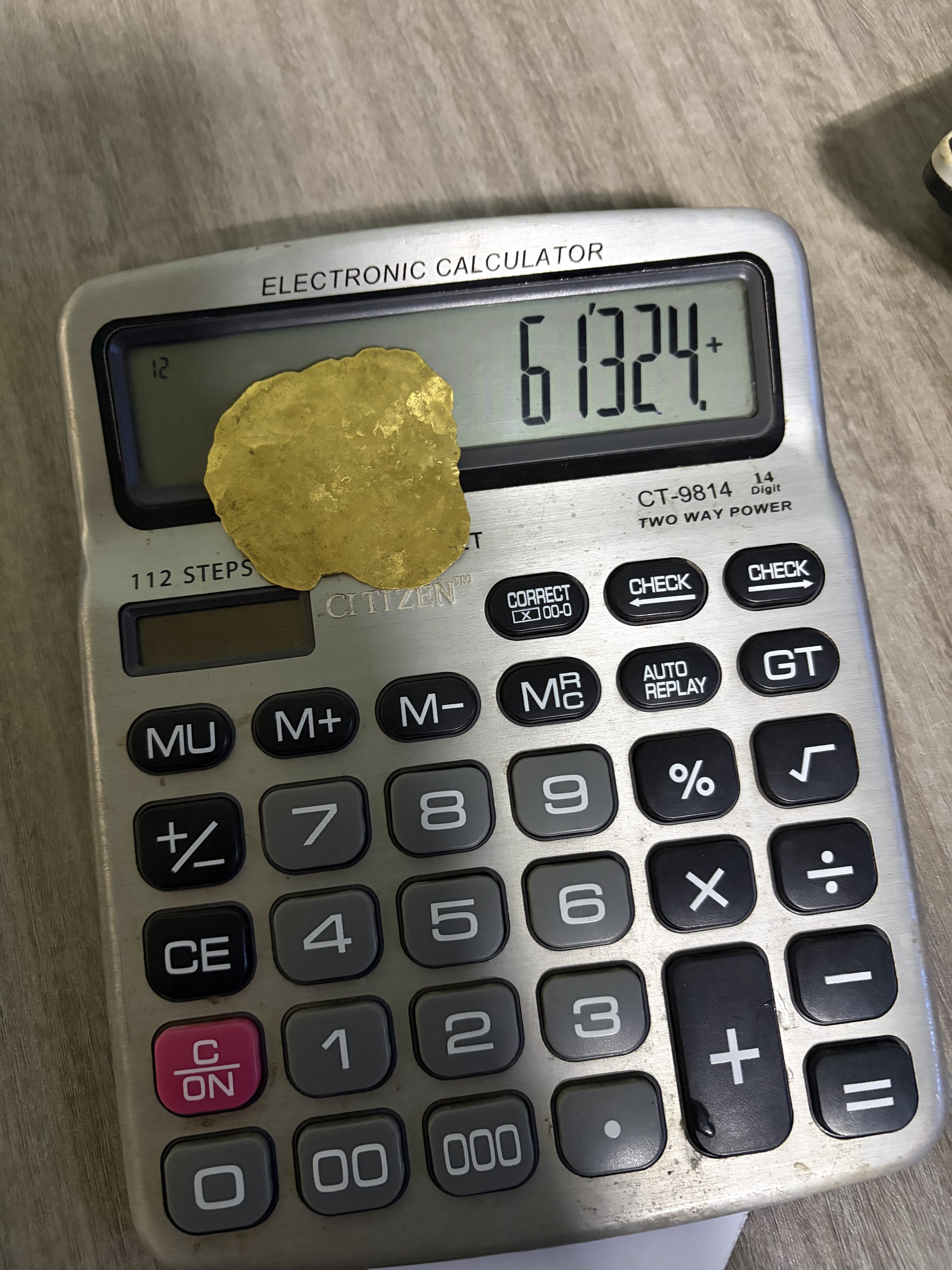

A brief reminder for background before we get started: In January 2026, gold hit an all-time high of $5,600 per ounce before experiencing a significant decline, underscoring the volatility and opportunity associated with investing in this asset class.
This article offers advice on purchasing, storing, and controlling the hazards associated with gold investing, covering everything from tax-efficient physical purchases to paper-based substitutes.
🛡️ Gold’s Place in Your Portfolio
Gold is a strategic diversifier rather than a quick way to become wealthy. During periods of economic instability and geopolitical turmoil, it frequently serves as a safe haven and a buffer against uncertainty.
A Hedge Against Volatility: Gold has historically had a low connection with other main asset classes, offering stability during volatile markets, in contrast to equities and bonds. Because gold is valued in US dollars, it can also serve as a hedge for UK investors against a declining pound. Your gold holdings’ value in GBP terms automatically rises when Sterling declines.
How Much Should You Set Aside? The majority of financial managers in the UK advise allocating only 4% to 5% of your whole portfolio. Exposure is usually limited at 10% for the majority of long-term investors, mostly for diversification.
📈 Four Gold Investment Strategies
There are various ways to purchase gold in the UK, each with its own trade-offs:
Physical Gold (Coins & Bars): You possess actual coins or bars, such as Sovereigns or Britannias. Owning a tangible asset and receiving favorable tax treatment are important advantages, particularly since legal tender coins are free from capital gains tax (CGT) and value-added tax (VAT) for UK citizens. Bars, however, are liable to CGT in excess of the yearly allowance. Storage and insurance expenses, as well as premiums above the market price, are drawbacks.
Gold ETFs and ETCs: These funds, which are traded on the London Stock Exchange, follow the price of gold without requiring the storage of actual metal. Benefits include the option to hold them in a tax-efficient Stocks & Shares ISA, reduced entry expenses, and liquidity. Ongoing management fees are a drawback, and unless they are stored in an ISA, they are liable to CGT.
Gold Mining Stocks & Funds: When gold prices climb, invest in firms that mine gold, which may give higher returns or leverage. Investing in funds such as the Golden Prospect Precious Metals Investment Trust, which yielded a 164.79% return in 2025, or the Jupiter Gold & Silver Fund is another option. Risks unique to the company (such as operational issues) and significantly more volatility in comparison to the price of gold itself are drawbacks.
Digital & Allocated Gold: Use websites like the Royal Mint’s DigiGold to purchase fractional ownership of gold kept in safe vaults. little entrance costs (as little as £25) and the absence of storage concerns are advantages. Platform costs and the fact that you don’t accept physical deliveries are drawbacks.
The following table lists the main trade-offs between well-liked solutions for UK investors for easy comparison:
Method Taxes (for Investors in the UK)Benefits and Drawbacks
Physical gold (coins free of CGT and VAT)0% VAT
CGT: 0% Tangible asset, excellent privacy and security, no CGT on earnings.expenses for storage and insurance, premiums over spot pricing, and theft/loss risk.
Gold ETFs (financial product) VAT: N/A
CGT: 20% maximum (unless in ISA)Low entry costs, easy to retain in an ISA, and liquid (traded like shares).CGT liability for management fees rather than a tangible asset.
CGT on gold mining stocks: up to 20% (unless in ISA)High returns (leverage) are possible when the price of gold increases.Higher risk, company-specific concerns, management fees for funds.
💷 A Guide to Purchasing and Storing Gold for UK Investors
Purchasing gold is simple, but it takes careful consideration. These are the main doable actions.
Purchasing Real Gold
Select a Reputable Dealer: Check independent evaluations on Trustpilot and look for dealers who are members of the British Numismatic Trade Association (BNTA). The Royal Mint, BullionByPost, Atkinson’s Bullion, and **Baird & Co. are respectable dealers.
Choose What to Purchase: For the majority of investors, bullion (bars or coins valued by weight) is a better option than collectibles, which may have large markups.
Gold Sovereigns and Britannias: Since they are UK legal tender and consequently exempt from CGT, they are highly recommended.
Gold bars are liable to CGT on profits, however they frequently have lower premiums than coins.
Put in Your Order: Once you’ve decided, you can place your order over the phone or online. If you decide to sell in the future, be mindful of the dealer’s buy-back policy.
How to Keep Your Gold




Home Storage: Only appropriate for short-term storage or tiny quantities. It is essential to notify your house insurer and to have a good, safe, and appropriate insurance.
For any substantial holdings, professional vault storage is the best choice. Dealers provide allocated and segregated storage, which offers insurance, security, and facilitates future sales.
💰 Comprehending the Tax Laws
In the UK, gold has a special tax status, although the regulations vary greatly depending on what you purchase.
Value Added Tax (VAT): 20% VAT is not applied to the majority of investment gold. This is applicable to all eligible gold coins and bars with a minimum purity of 995. Be aware that other precious metals, such as platinum and silver, are usually subject to the full 20% VAT and do not share this exemption.
Capital Gains Tax (CGT): Selecting the appropriate product is crucial in this situation.
CGT-Exempt: Gold coins that are accepted as legal tender in the United Kingdom, including the Gold Britannia and Sovereign, are totally free from CGT. When you sell them, you don’t have to pay taxes on any profit.
CGT-Liable: Gold bars, gold mining shares, gold ETFs, and non-UK legal tender coins are all liable to CGT. The yearly CGT allowance for the 2025–2026 tax year is £3,000. Gains over this are subject to 10% taxation for basic-rate taxpayers and 20% taxation for higher/additional rate taxpayers.
Tax-Efficient Wrappers (ISA & SIPP): Gold held in a Stocks & Shares ISA is completely exempt from income tax and capital gains tax. Although the regulations are complicated, Self-Invested Personal Pensions (SIPPs) can also hold gold, usually through ETFs, which provide tax benefit on the way in.
⚖️ Important Risks and How to Handle Them
Even safe-haven investments have drawbacks, and gold may be erratic.
Price Volatility: Recent price fluctuations, such as a 15% decline following a peak, indicate that gold is not a reliable one-way wager. It should be considered a very long-term investment (at least three to five years).
Risks Associated with Portfolio Sizing: Gold is not a perfect hedge. Your gold’s value may “compress quickly” if the UK pound appreciates considerably. This can be prevented by keeping your exposure to the advised 5% of your portfolio.
Risk of CGT Changes: Although tax laws are now advantageous, they may be altered by the government. The fact that the annual CGT allowance has already been drastically cut indicates that future tax obligations may rise.
Due Diligence & Counterparty Risk: The platform or dealer itself poses the most risk, particularly when purchasing digital or allocated gold. Use only reputable, regulated platforms, and be aware of who owns them.
💎 Overview & How to Begin
Based on your objectives, follow these three easy steps:
Create a core stake in actual Gold Britannias or Sovereigns and keep them in a professional vault for long-term, tax-efficient insurance. These coins provide tangible asset exemptions from VAT and CGT.
Use gold exchange-traded funds (ETFs) such as Invesco Physical Gold ETC or iShares Physical Gold for simple, small, or ISA-held investments. These can be purchased and sold using the Stocks & Shares ISA or any brokerage account, just like shares.
For budget-conscious pound-cost averaging, you can spend as little as £100 a month in a digital gold savings plan offered by the Royal Mint or BullionVault, which helps to mitigate the effects of price fluctuations over time.
Gold is still a potent, tried-and-true asset, but it is best used as a small, strategic component of a well-diversified portfolio rather than as a stand-alone investment.