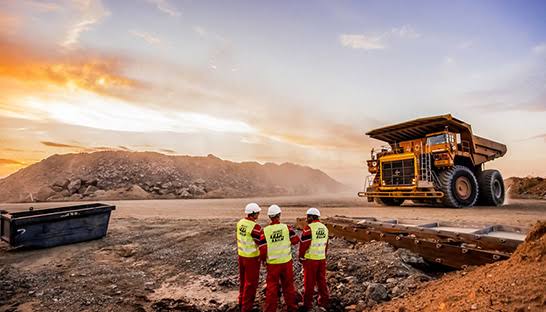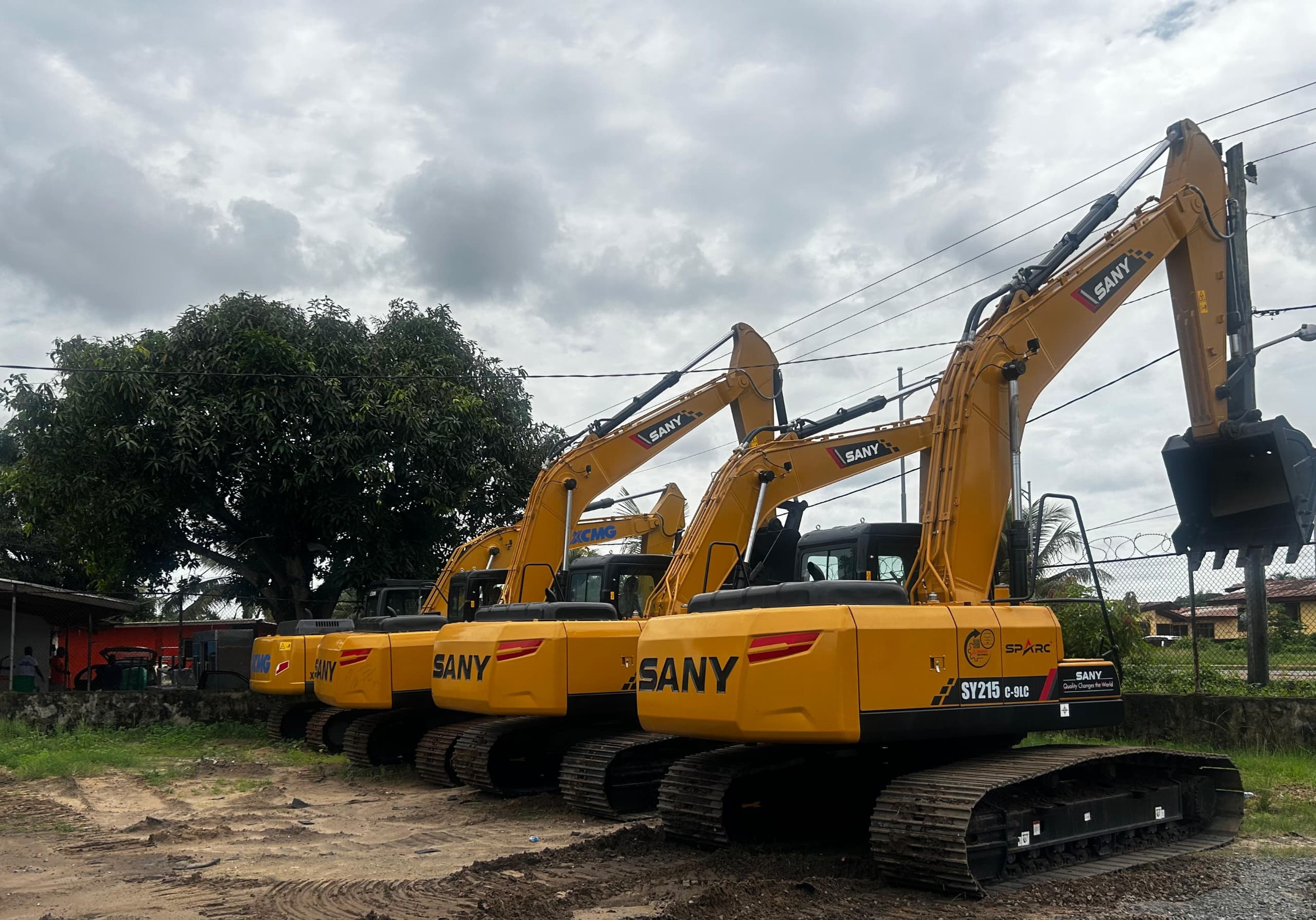

India’s Mining and Construction Equipment (MCE) industry is entering a critical decade. The sector is at the heart of the country’s infrastructure development. Roads, trains, ports, airports, mines, industries, and power systems are all being created using machinery that move soil, lift loads, drill, crush, and pave on a large scale. The global MCE industry is worth approximately USD 420-440 billion, with Asia-Pacific accounting for nearly 55% of the total. Within that context, India has emerged as one of the most rapidly rising major markets, with domestic demand expected to top USD 17 billion by 2025.
Within a decade, MCE has transitioned from a tiny, import-driven market to a global development platform, with India becoming a net exporter of mining and construction equipment. Exports have virtually tripled over the last decade, reaching around USD 4.9 billion in 2025 – an early but significant indication of credibility as an export base.
The domestic runway remains long. India’s Viksit Bharat trajectory involves a decades-long investment in infrastructure, manufacturing, vital minerals, and energy transition. Capital investment in MCE-linked sectors is predicted to increase from approximately INR 5.5 lakh crore in 2025 to INR 9-10 lakh crore by 2030, with the Indian MCE market potentially reaching USD 180-200 billion by 2047. Mechanization intensity remains below worldwide benchmarks, at around half that level. This headroom will allow the sector to expand beyond infrastructure and mining spending.

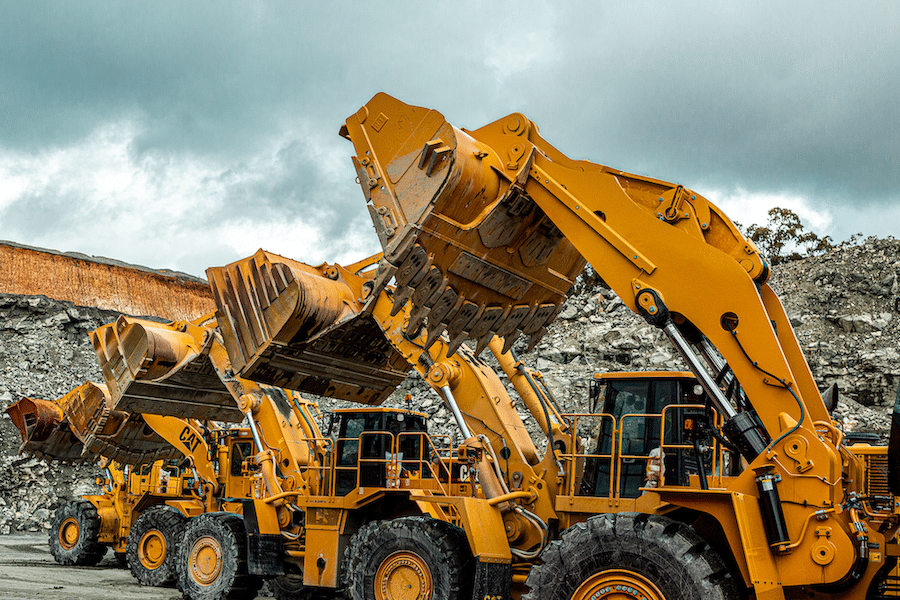
The export headroom is similarly important. Globally, countries buy over USD 150 billion in mining and construction equipment, with India currently supplying less than 4% of that demand. Developing regions such as Southeast Asia, Africa, the Gulf, and South America offer the best immediate opportunities. These countries characterized by expanding infrastructure and mining demand, but they remain heavily reliant on imports, with China accounting for roughly half of their imports. The China+1 shift presents an opportunity for Indian OEMs to provide a credible, value for money alternative. Developed markets such as North America, the EU, Australia, and the United Kingdom represent a medium to long-term opportunity for higher-spec, emission-compliant, and autonomous products. By 2047, India might aim to capture at least 20% of the global export market, representing an annual opportunity of USD 75 billion.
At the same time, the equipment is being reinvented. The report investigates six movements that are reshaping the sector worldwide, including cleaner powertrains, linked and software defined fleets, autonomous cars, deeper mining, mechanization of mining operations, and new ways of owning and financing machinery. Keeping up with this change is now critical for Indian OEMs to compete globally.
Realizing this possibility requires a collaborative effort between government and industry. The report, prepared by BCG in collaboration with the Confederation of Indian Industry (CII), lays out a ten-point framework outlining policy and regulatory actions for the government to consider, commitments the industry must make, and priority areas where both must act together, including Make in India and the critical minerals ecosystem, localization, exports, skilling, R&D, and technology adoption.India’s Mining and Construction Equipment (MCE) industry is entering a critical decade. The sector is at the heart of the country’s infrastructure development. Roads, trains, ports, airports, mines, industries, and power systems are all being created using machinery that move soil, lift loads, drill, crush, and pave on a large scale. The global MCE industry is worth approximately USD 420-440 billion, with Asia-Pacific accounting for nearly 55% of the total. Within that context, India has emerged as one of the most rapidly rising major markets, with domestic demand expected to top USD 17 billion by 2025.
Within a decade, MCE has transitioned from a tiny, import-driven market to a global development platform, with India becoming a net exporter of mining and construction equipment. Exports have virtually tripled over the last decade, reaching around USD 4.9 billion in 2025 – an early but significant indication of credibility as an export base.
The domestic runway remains long. India’s Viksit Bharat trajectory involves a decades-long investment in infrastructure, manufacturing, vital minerals, and energy transition. Capital investment in MCE-linked sectors is predicted to increase from approximately INR 5.5 lakh crore in 2025 to INR 9-10 lakh crore by 2030, with the Indian MCE market potentially reaching USD 180-200 billion by 2047. Mechanization intensity remains below worldwide benchmarks, at around half that level. This headroom will allow the sector to expand beyond infrastructure and mining spending.
The export headroom is similarly important. Globally, countries buy over USD 150 billion in mining and construction equipment, with India currently supplying less than 4% of that demand. Developing regions such as Southeast Asia, Africa, the Gulf, and South America offer the best immediate opportunities. These countries characterized by expanding infrastructure and mining demand, but they remain heavily reliant on imports, with China accounting for roughly half of their imports. The China+1 shift presents an opportunity for Indian OEMs to provide a credible, value for money alternative. Developed markets such as North America, the EU, Australia, and the United Kingdom represent a medium to long-term opportunity for higher-spec, emission-compliant, and autonomous products. By 2047, India might aim to capture at least 20% of the global export market, representing an annual opportunity of USD 75 billion.
At the same time, the equipment is being reinvented. The report investigates six movements that are reshaping the sector worldwide, including cleaner powertrains, linked and software defined fleets, autonomous cars, deeper mining, mechanization of mining operations, and new ways of owning and financing machinery. Keeping up with this change is now critical for Indian OEMs to compete globally.
Realizing this possibility requires a collaborative effort between government and industry. The report, prepared by BCG in collaboration with the Confederation of Indian Industry (CII), lays out a ten-point framework outlining policy and regulatory actions for the government to consider, commitments the industry must make, and priority areas where both must act together, including Make in India and the critical minerals ecosystem, localization, exports, skilling, R&D, and technology adoption.