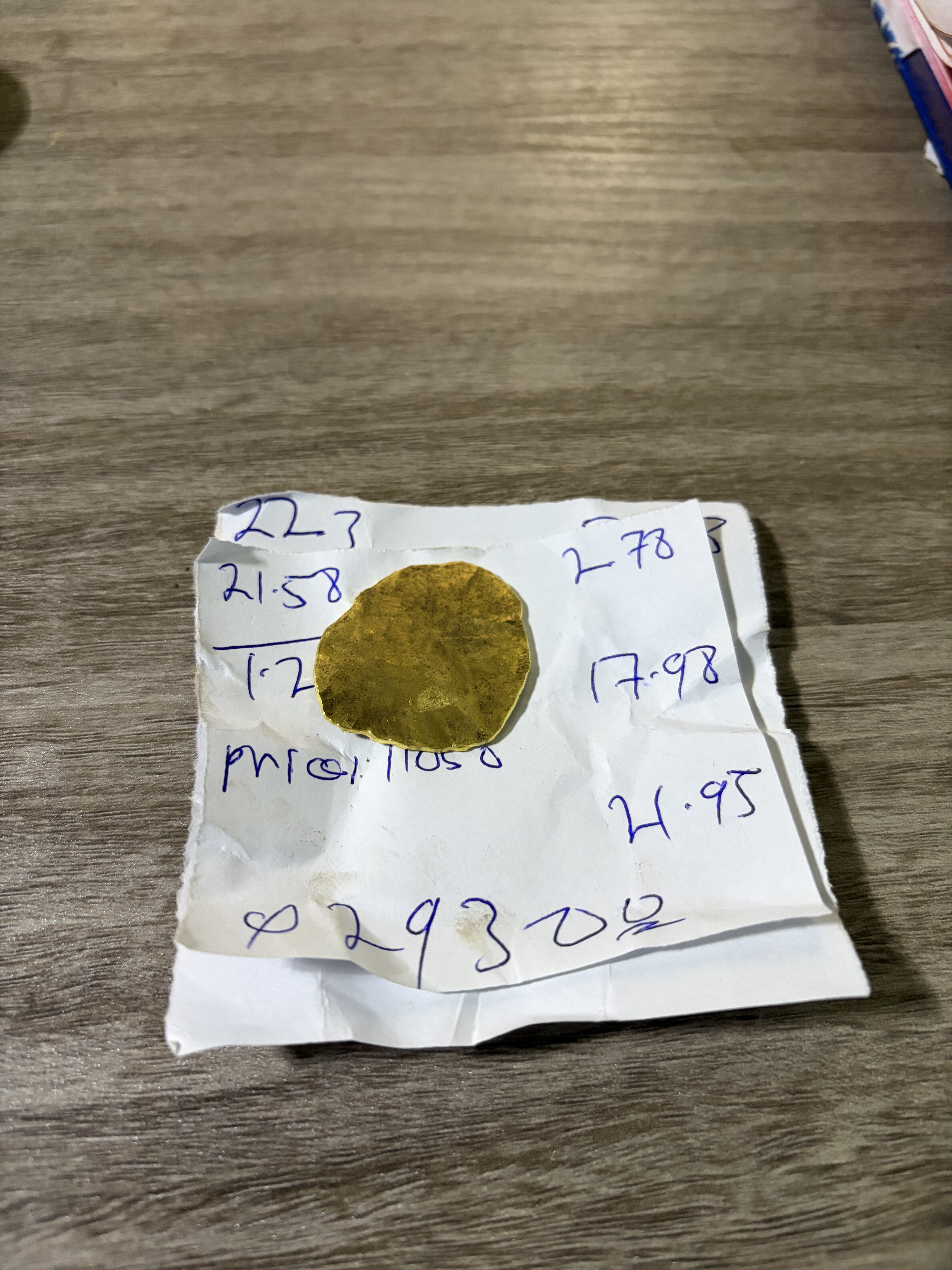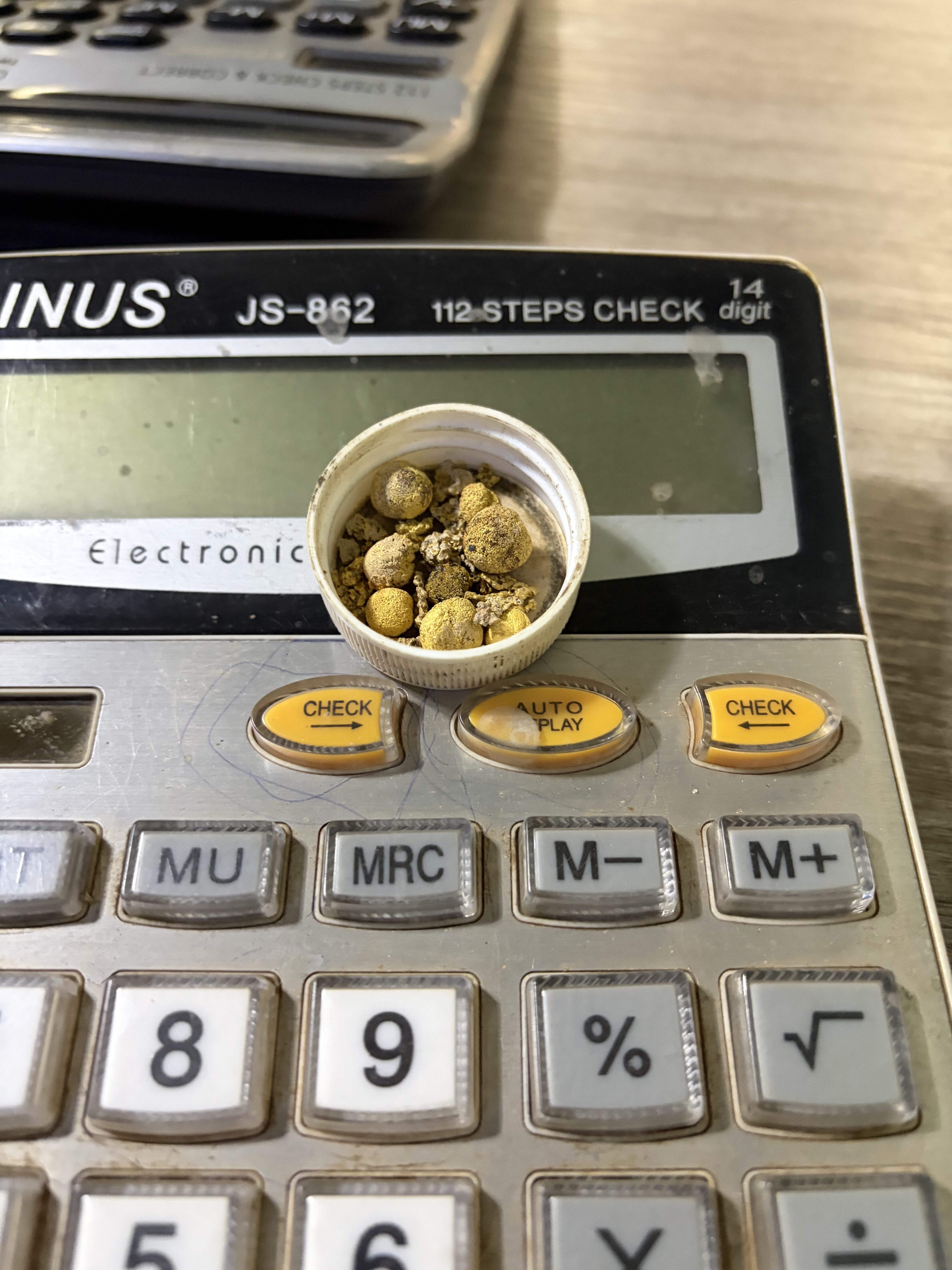

For the first time in more than 60 years, gold has become Australia’s second-largest resource export, highlighting the country’s growing economic prominence in the gold mining industry.
According to the Department of Industry, Science, and Resources’ June 2026 Resources and Energy Quarterly, Australian gold generated $68.4 billion in export earnings during the fiscal year 2025-26, trailing only iron ore at $116.6 billion and surpassing the combined value of coal ($67.6 billion) and liquefied natural gas ($59.4 billion).
The outcome is the first time gold has been Australia’s second-largest resource export since the early 1960s, with a brief recovery in 1987.

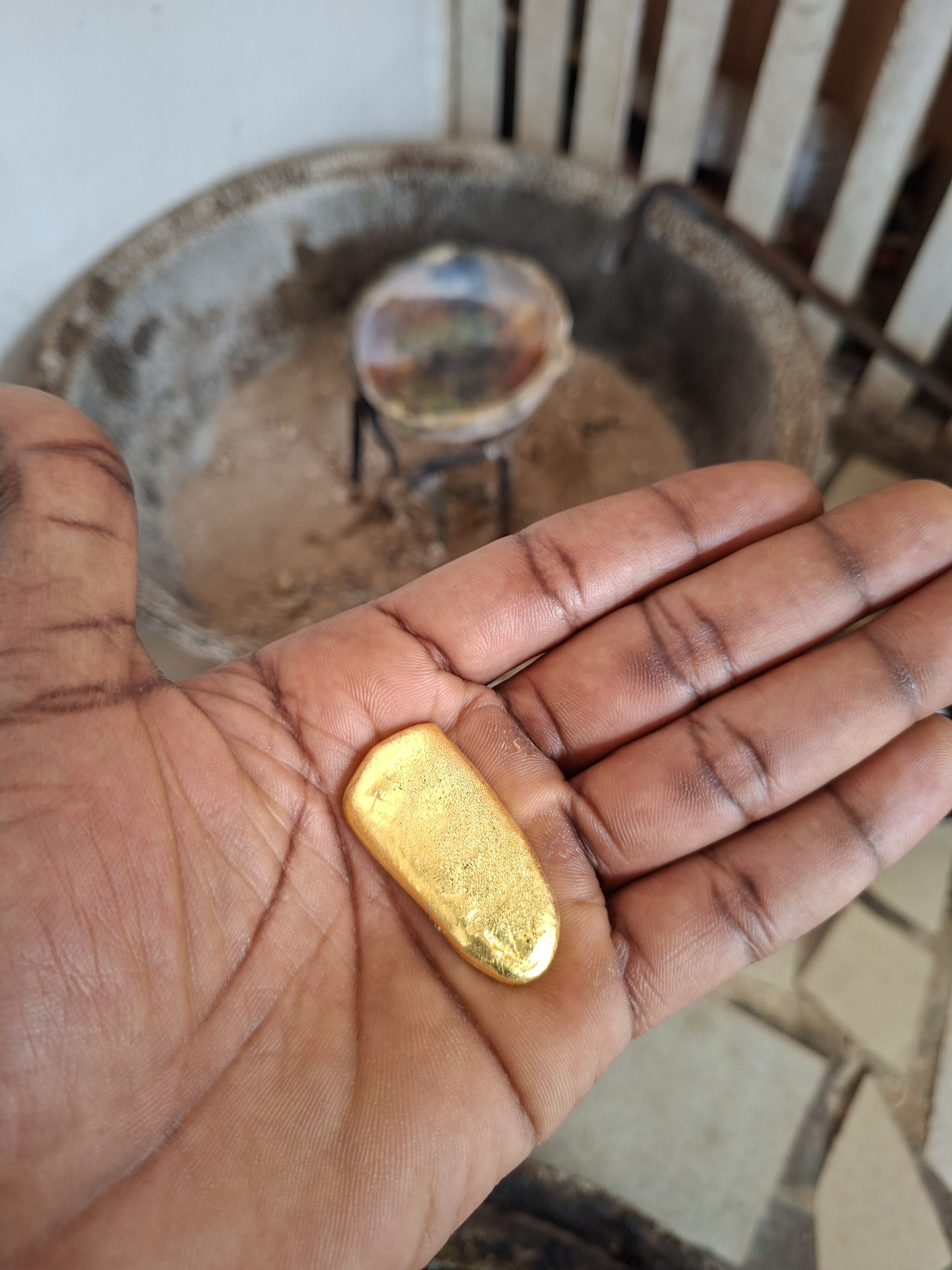
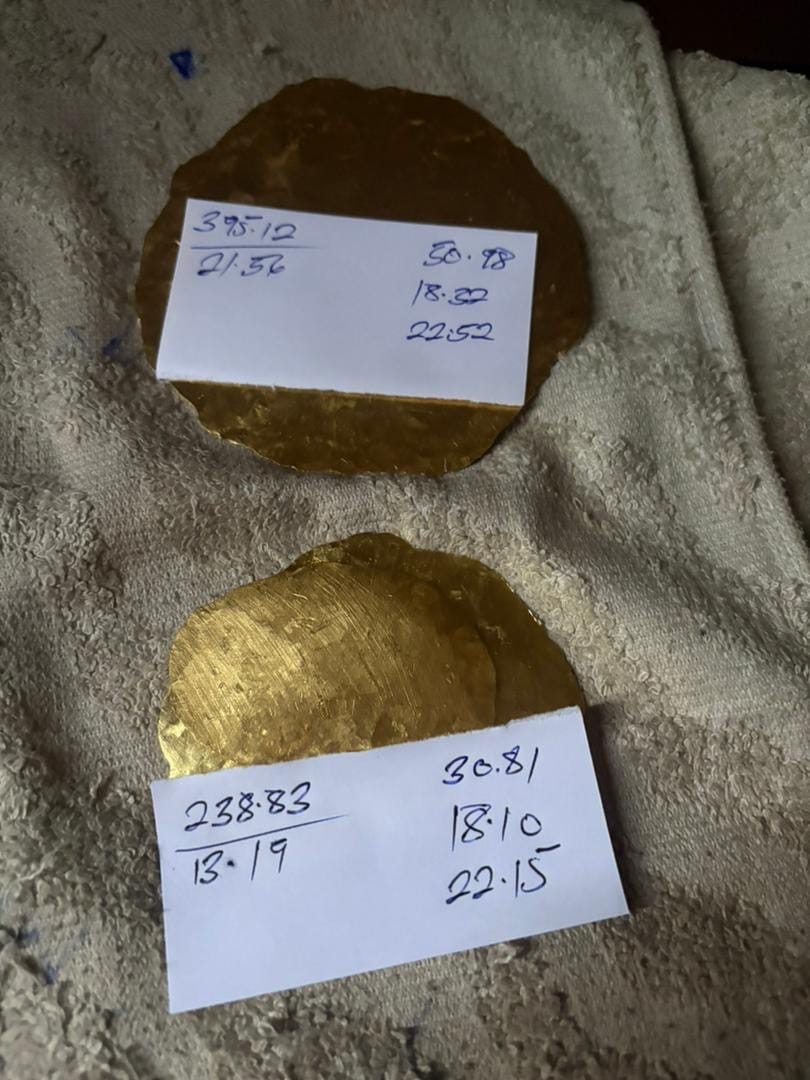
The analysis predicts that gold export revenues would rise to $73.1 billion in 2026-27, surpassing the aggregate value of coal exports at $69.8 billion and closing the gap with iron ore, which is predicted to generate $107.7 billion.
The World Gold Council stated that the milestone strengthens Australia’s position as one of the world’s leading gold producers and underscores the industry’s long-term contribution to the national economy.
“Gold has long been a major part of Australia’s economic story, but its rise to the second-largest resource export underscores just how important the sector remains today,” said Shaokai Fan, World Gold Council head of Asia-Pacific excluding China and global head of central banks.
“Australia is the world’s third-largest gold producer behind China and Russia, globally recognised for its technical expertise, strong governance and responsible mining practices.”
Fan stated that while strong demand and greater gold prices have increased export revenues, Australia’s performance was supported by world-class geology, mining capability, financial markets, skilled workers, and a stable regulatory environment.
“Australia has established itself as a benchmark for how a modern gold industry can create value through exports and investment as well as through jobs, local procurement, government revenues and support for regional communities,” he stated.
The World Gold Council also highlighted the sector’s overall economic contribution. Last year’s data indicated that member businesses made approximately $US7.9 billion in direct in-country payments in 2024, including $US5.6 billion to Australian suppliers, $US1.2 billion to governments, and $US1.1 billion to nearly 15,000 employees and contractors. Annual community investments totaled $US30 million.
Fan stated that ongoing collaboration among industry, governments, and stakeholders would help maintain confidence in the global gold value chain, allowing Australia to benefit as investors and institutions seek more durable and credible sources of economic growth.