
The sharp sell-off in gold and silver is being driven by a powerful combination of a shifting interest-rate outlook, panic-driven selling, and a broad dash for cash across global markets. Here is a breakdown of the key factors.
📉 Rising Rates & Inflation Fears
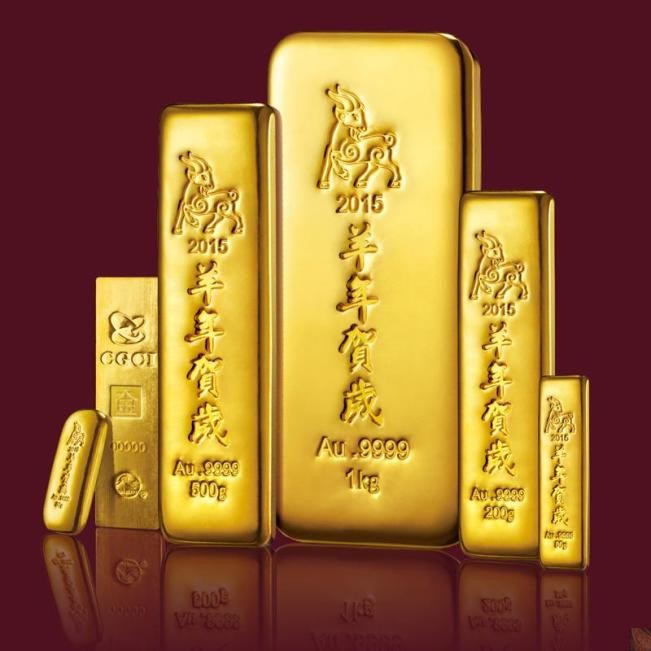
The primary driver is a dramatic shift in expectations for central bank interest rates. Precious metals like gold typically thrive when rates are low because the opportunity cost of holding them (they pay no interest) is minimal . However, recent developments have changed this calculus.
- War-Induced Energy Shock: The ongoing conflict in the Middle East, now entering its third week, has caused a surge in oil and gas prices . This has reignited fears of a global inflation spike.
- Central Bank Stance: In response, central banks, including the U.S. Federal Reserve, have signaled that they will keep interest rates higher for longer to fight this new inflationary pressure. Markets have drastically reduced expectations for rate cuts this year .
- Higher Interest Rates: When rates remain high, investors can get a solid, risk-free return from assets like bonds, making non-yielding assets like gold less attractive .
🔄 Forced Selling & Margin Calls
A major accelerant for the price crash has been the mechanics of leveraged trading, which created a vicious cycle of selling.
- Leveraged ETF Feedback Loop: Exchange-traded funds (ETFs) that use leverage to amplify returns are forced to sell massive amounts of metal to maintain their required ratios when prices drop. This selling pushes prices down further, triggering even more selling .
- Margin Calls: Many futures traders buy on margin (borrowed money). The sharp price drop triggered margin calls, forcing them to liquidate their positions immediately, adding immense downward pressure .
- A “Dash for Cash”: In times of extreme market stress, investors often sell their most liquid, profitable assets to raise cash to cover losses elsewhere. After a massive rally in 2025 (gold up 66%, silver up 135%), these metals became prime targets for liquidation .
💵 Other Contributing Factors
- Stronger U.S. Dollar: The greenback has strengthened amid the global uncertainty, making gold and silver, which are priced in dollars, more expensive for buyers using other currencies. This reduces demand and pushes prices down .
- Waning Retail Enthusiasm: Individual investors, who poured money into gold ETFs over the past year, have begun selling. Data shows six consecutive days of net selling in the largest gold ETF, signaling a cooling of retail appetite .
- Broad Market Liquidation: The sell-off is not isolated. Global equities and government bonds are also falling as investors de-risk. This “risk-off” sentiment means investors are broadly selling assets, including those traditionally seen as havens .
📉 How Severe is the Sell-Off?
The decline has been swift and historic, with losses accelerating on Thursday, March 19 .
| Asset | Recent Decline (March 19) | Decline from January 2026 Peak |
|---|---|---|
| Gold Futures | -5.9% (to ~$4,612/oz) | More than 13% |
| Silver Futures | -8.2% to -12% (to ~$68.31/oz) | ~20% |
Silver has been hit harder due to its smaller market size and higher volatility. Mining stocks and leveraged ETFs have seen even steeper losses, with some silver ETFs falling over 20% .
🔮 Looking Ahead
While the short-term picture is dominated by panic, many analysts believe the long-term fundamentals remain supportive of higher prices. The enormous U.S. government debt and structural economic pressures may eventually force the Federal Reserve to ease monetary policy, which would be a significant positive for gold . However, in the immediate term, extreme volatility and sharp price swings are expected to continue as the market works through these forced liquidations .
In summary, the sell-off is a panic-driven liquidity event triggered by war, inflation, and the changing rate outlook, rather than a fundamental rejection of gold’s long-term value.