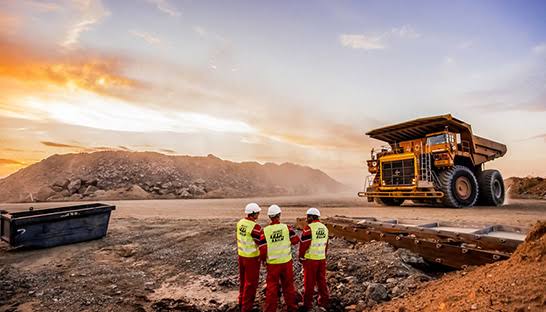

India’s construction equipment rental market is experiencing strong growth, driven by a massive push in infrastructure development and a fundamental shift in how contractors manage their fleets. Instead of tying up capital in owning equipment, companies are increasingly turning to rental models for flexibility and cost efficiency.
Here is a quick overview of the market’s key indicators based on recent forecasts:
Note on Market Size: The variation in market size figures stems from differences in how research firms define and scope the market. Regardless, all forecasts point to a strong and sustained growth trajectory.
📈 Key Drivers of Growth
Several powerful factors are fueling the expansion of the equipment rental market in India:
- Massive Government Infrastructure Push: The government’s unprecedented focus on infrastructure development is the primary catalyst. Initiatives like the National Infrastructure Pipeline (NIP) and PM Gati Shakti are driving a surge in construction of highways, railways, metro systems, airports, and ports. In 2025 alone, the National Highways Authority of India (NHAI) constructed over 5,600 km of national highways, creating sustained demand for earthmovers and pavers.
- The “Asset-Light” Business Model: Contractors are deliberately shifting from owning equipment to renting it. This model preserves working capital, reduces financial exposure to market fluctuations, and allows fleets to be scaled up or down based on project needs. The high cost of new equipment—a new 20-30 ton excavator can cost between USD 70,000 and USD 120,000—makes renting a financially prudent option for many, with hourly rental rates ranging from USD 15 to USD 30.
- Growth in Key End-Use Sectors: Demand is coming from multiple areas. Road construction is the largest application, accounting for nearly 38% of the market in 2025 and is projected to grow at an 11% CAGR through 2032. Urban development, including smart cities and affordable housing projects, is boosting demand for tower cranes and other specialized equipment. Additionally, rural housing drives significant demand for compactors and concrete mixers, with over 28 million houses completed under government schemes as of 2025.
🏗️ Segments and Trends Shaping the Market
The market is not only growing but also evolving, with clear leaders and emerging trends:
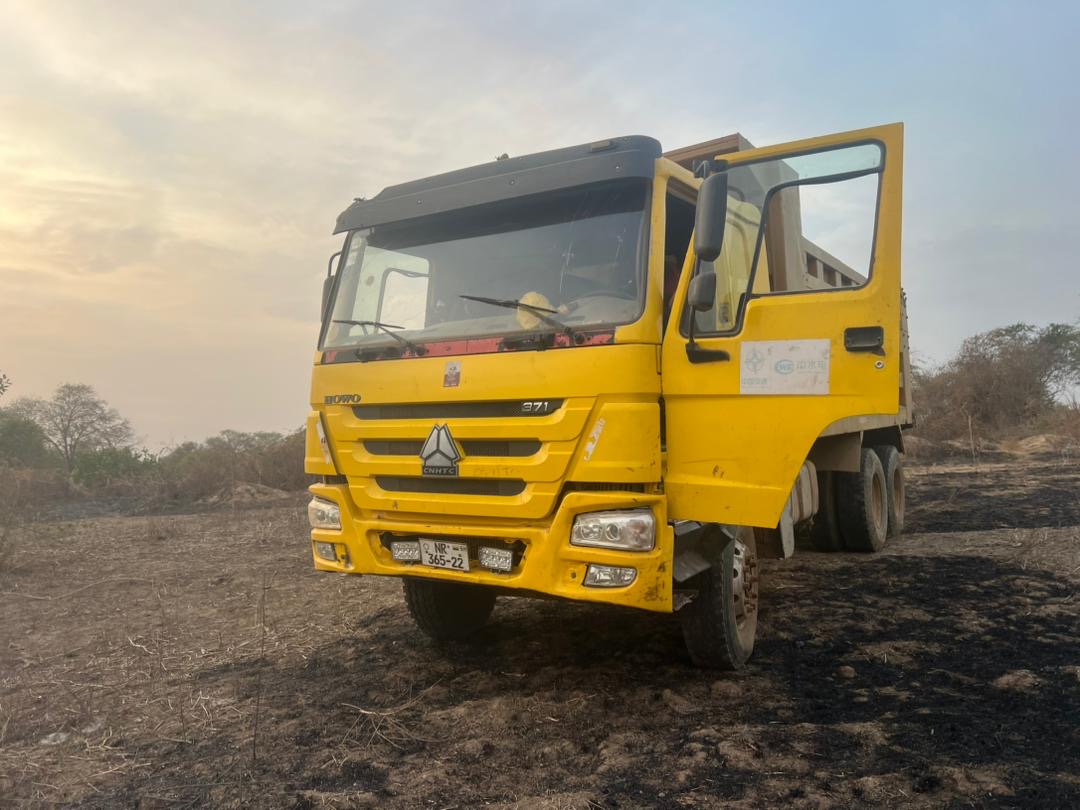
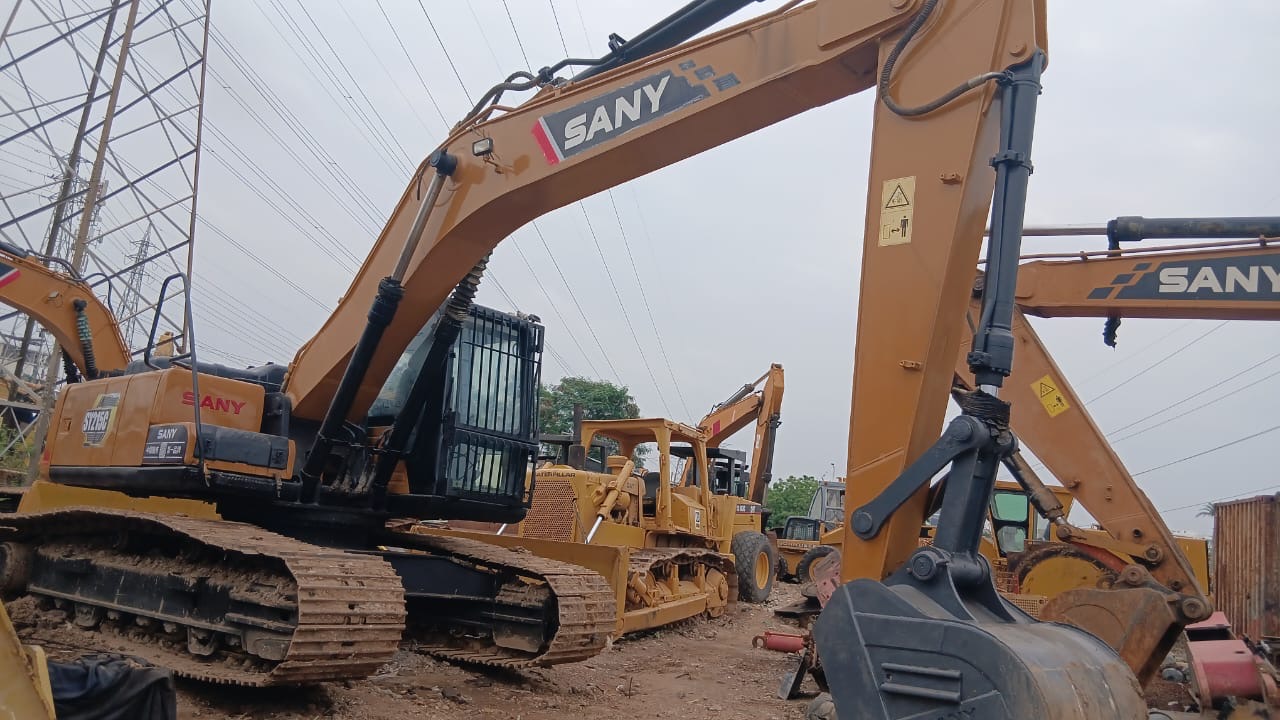
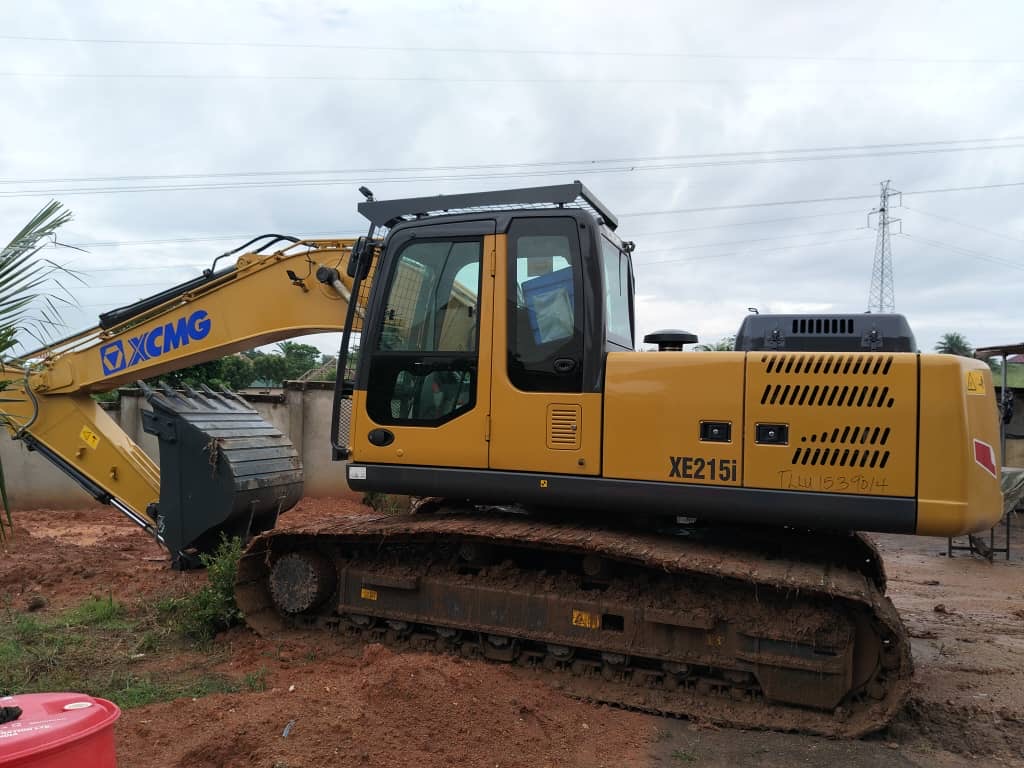
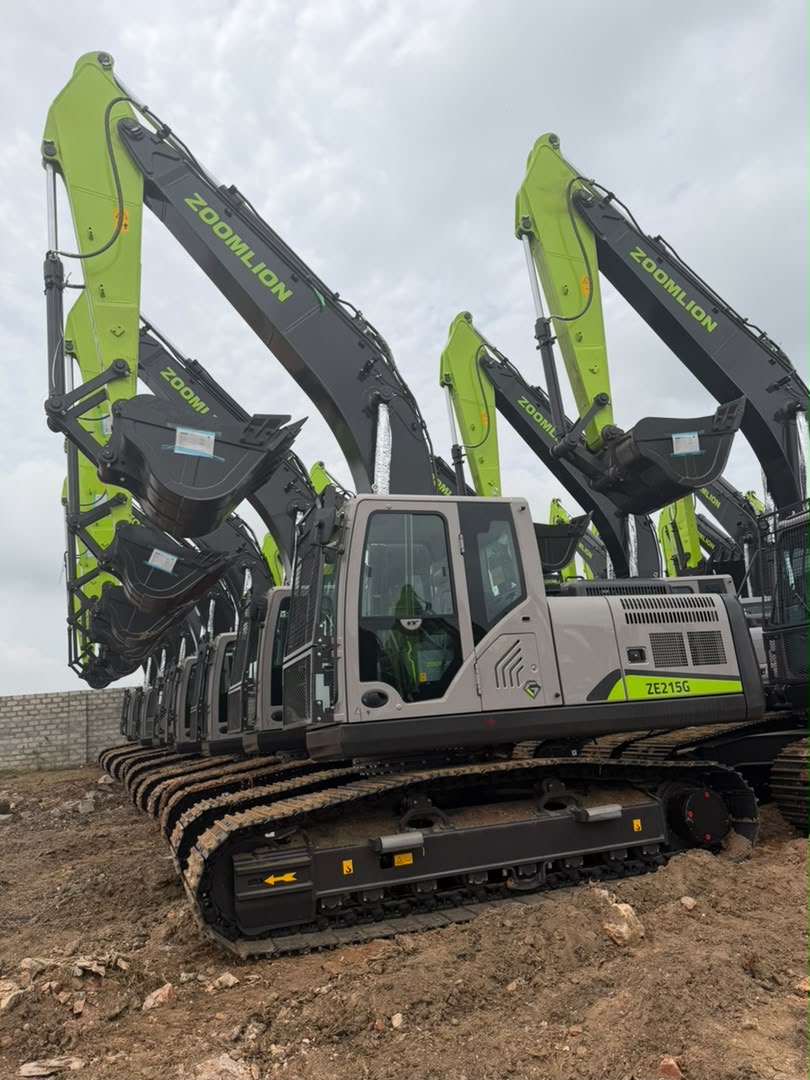
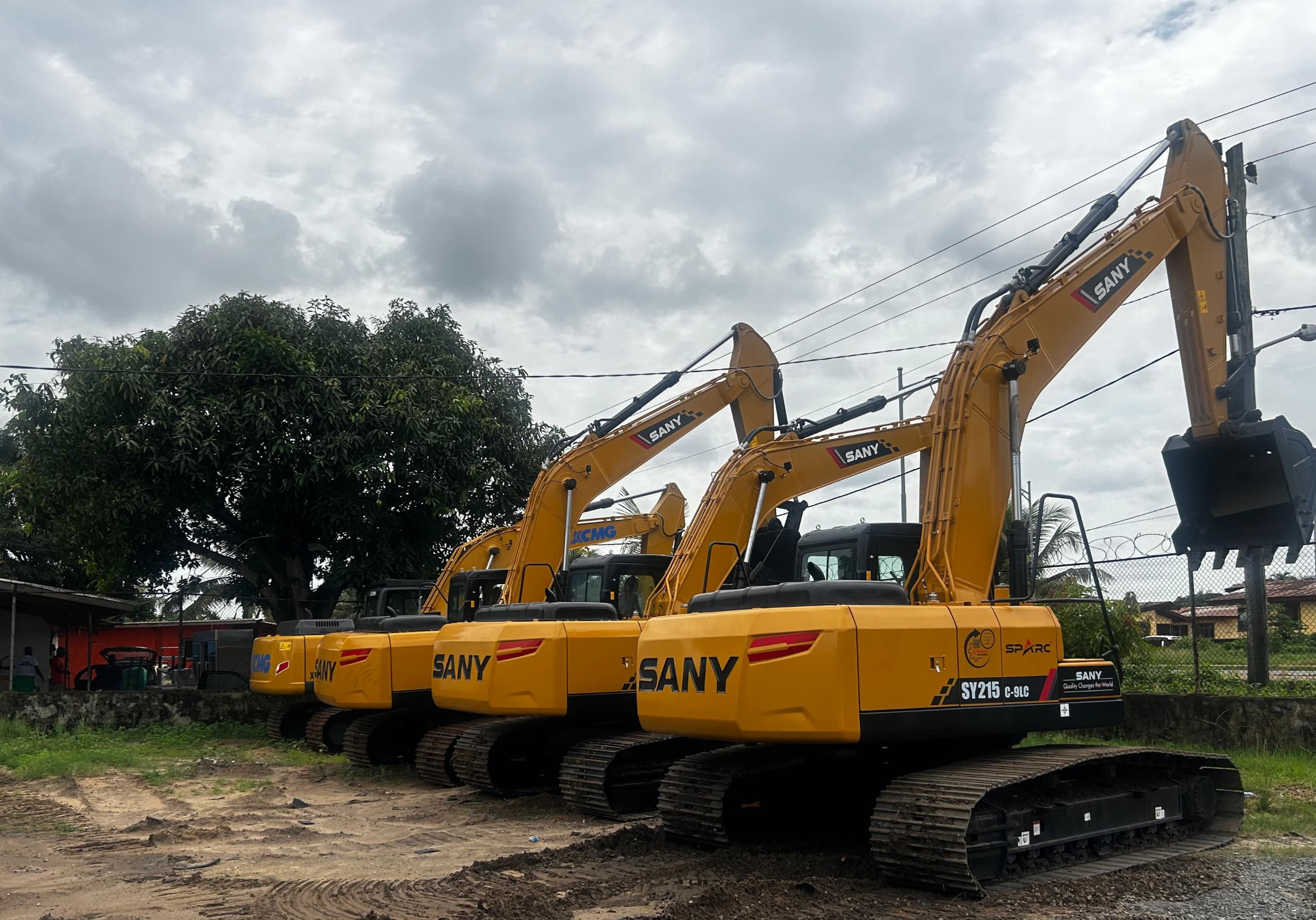
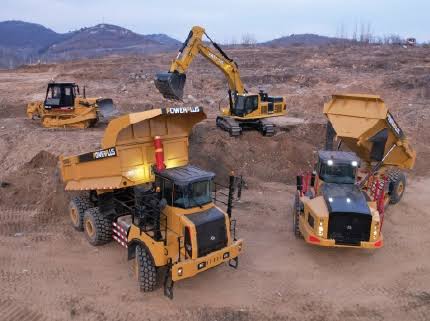
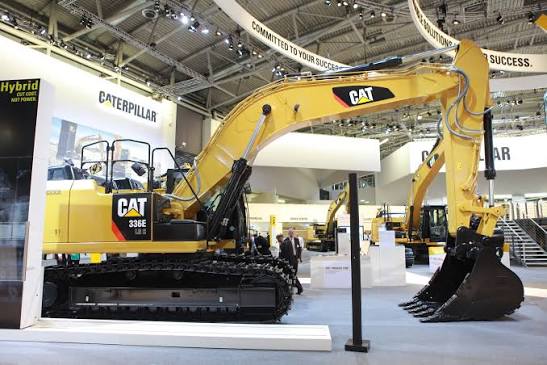
- Earthmoving Equipment Dominates: This segment holds the largest market share (around 70%), as machines like excavators, backhoe loaders, and bulldozers are essential for the initial stages of almost any construction project. Backhoe loaders are particularly popular due to their versatility for digging, lifting, and loading.
- Material Handling is the Fastest Gainer: The segment for cranes, forklifts, and tippers is projected to be the fastest-growing, with a CAGR of about 13%. This growth is directly linked to the rise in large-scale infrastructure projects like metro systems and industrial corridors that require significant lifting and material movement capabilities.
- The Rise of Telematics and “Smart” Equipment: A key trend is the integration of telematics and IoT into rental fleets. These systems allow companies to track machine location, fuel consumption, idle time, and maintenance needs in real-time. Major OEMs like JCB (with Livelink) and Caterpillar (with VisionLink) are embedding this technology, enabling rental firms to offer better service, reduce downtime, and optimize fleet utilization.
⚠️ Challenges Facing the Industry
Despite the optimistic outlook, the rental industry grapples with several significant challenges:
- Skilled Manpower Shortage: There is an acute shortage of trained operators and technicians to handle modern, technologically advanced equipment. This is a critical issue, as even the best machinery cannot perform optimally without skilled personnel.
- Financial Stress and Payment Delays: Delayed payments from contractors are a persistent problem that creates severe financial strain for rental companies. The Construction Equipment Rental Association (CERA) is actively advocating for policy changes, such as linking project completion certificates to the clearance of all vendor payments, to protect rental firms.
- Intense Price Competition and Fragmentation: The market is highly fragmented with thousands of small, local players who often undercut prices to win contracts, squeezing margins for all. This intense competition makes it difficult for organized players to invest in fleet modernization and technology.
- High Maintenance Costs: Many rental companies operate older fleets because contractors delay purchasing new equipment. These aging machines incur higher fuel and maintenance costs, which eats into profitability.
🔮 Future Outlook
The future of India’s construction equipment rental market is intrinsically linked to the country’s long-term infrastructure ambitions. The trend towards organized, technology-driven rental companies is expected to accelerate. Players who embrace digital transformation—using data analytics for fleet management, AI for demand forecasting, and telematics for asset tracking—will be best positioned to lead this growing and evolving market.
I hope this overview is helpful. Are you interested in a deeper analysis of a specific equipment type, like cranes or earthmoving machinery, or perhaps the competitive landscape of key players in India?