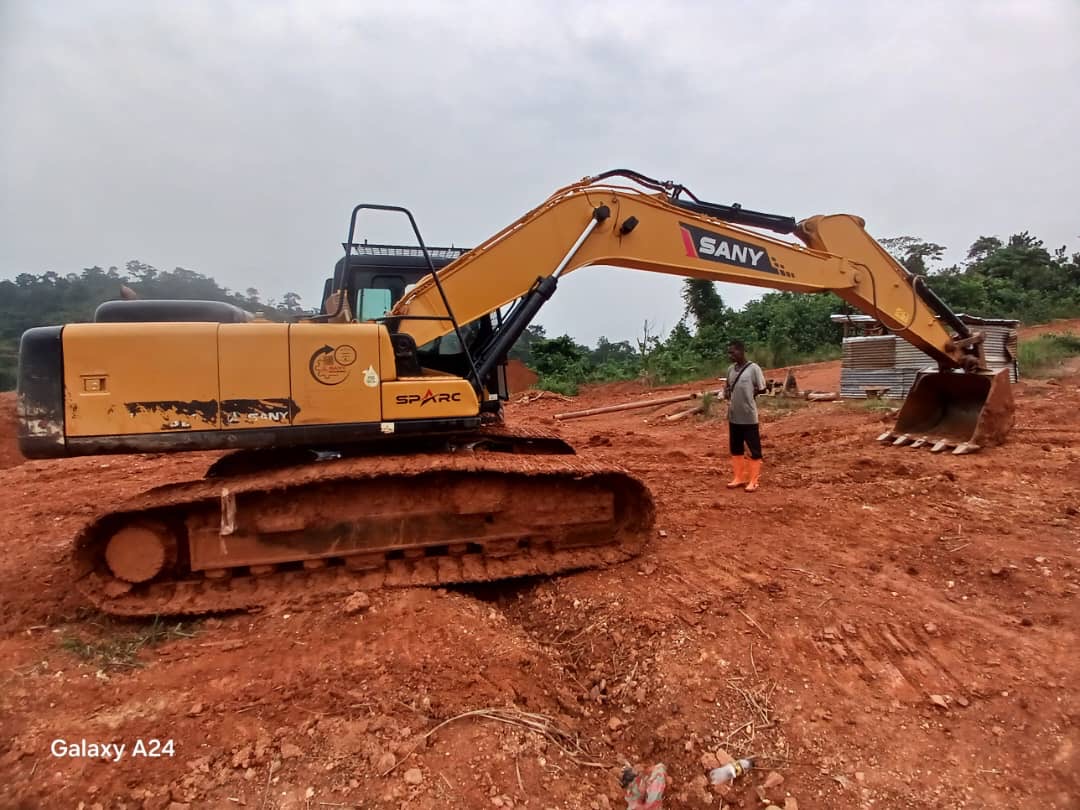

As urban areas grow and more residential, commercial, and industrial projects are started, there is a growing need for affordable, adaptable solutions that help contractors and small- and medium-sized project owners do their work without having to buy expensive equipment.
This demand is perfectly met by the construction equipment rental project, which provides a variety of heavy and light equipment at affordable rates and with adjustable rental durations. This concept gives clients access to the newest technologies without requiring a large capital expenditure, while also lessening their financial burden.
However, considering the variety of equipment that may be rented and the growing target customer base brought on by ongoing urban growth, it also offers an exceptional investment opportunity with comparatively minimal risk and quick, steady returns. The project becomes a very lucrative enterprise that meets a genuine market need in a sector that is resistant to stagnation, achieving steady growth and long-term sustainability, when it is founded on the foundation of precise market research and expert operational planning.
A Construction Equipment Rental Project: What Is It?
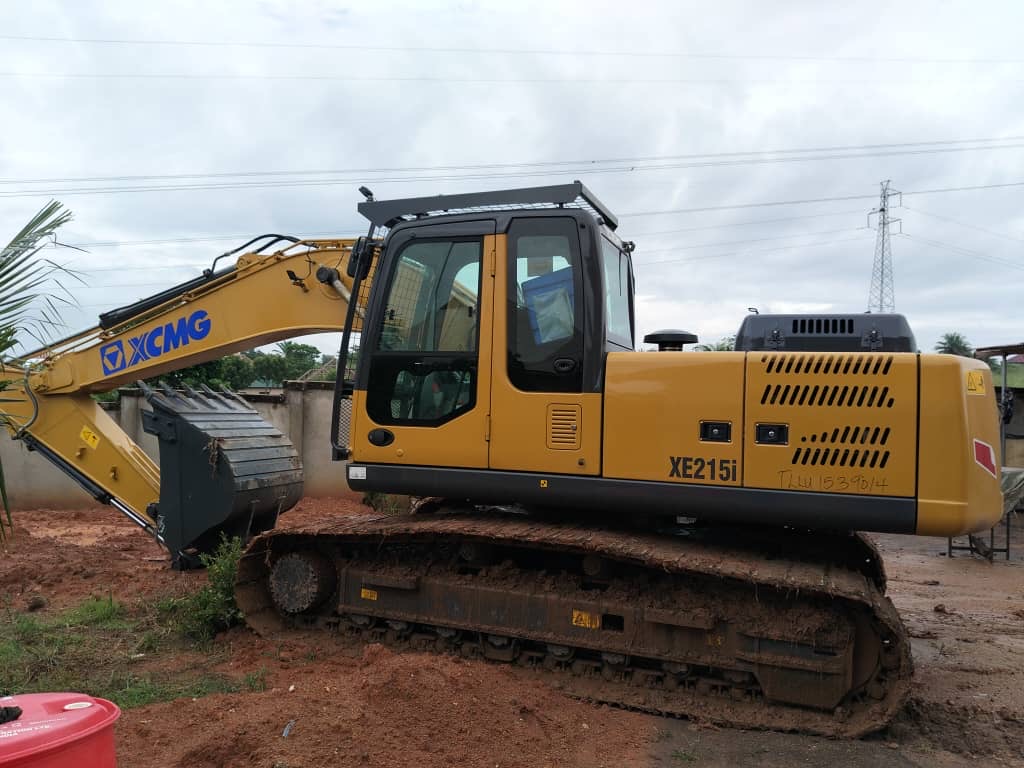
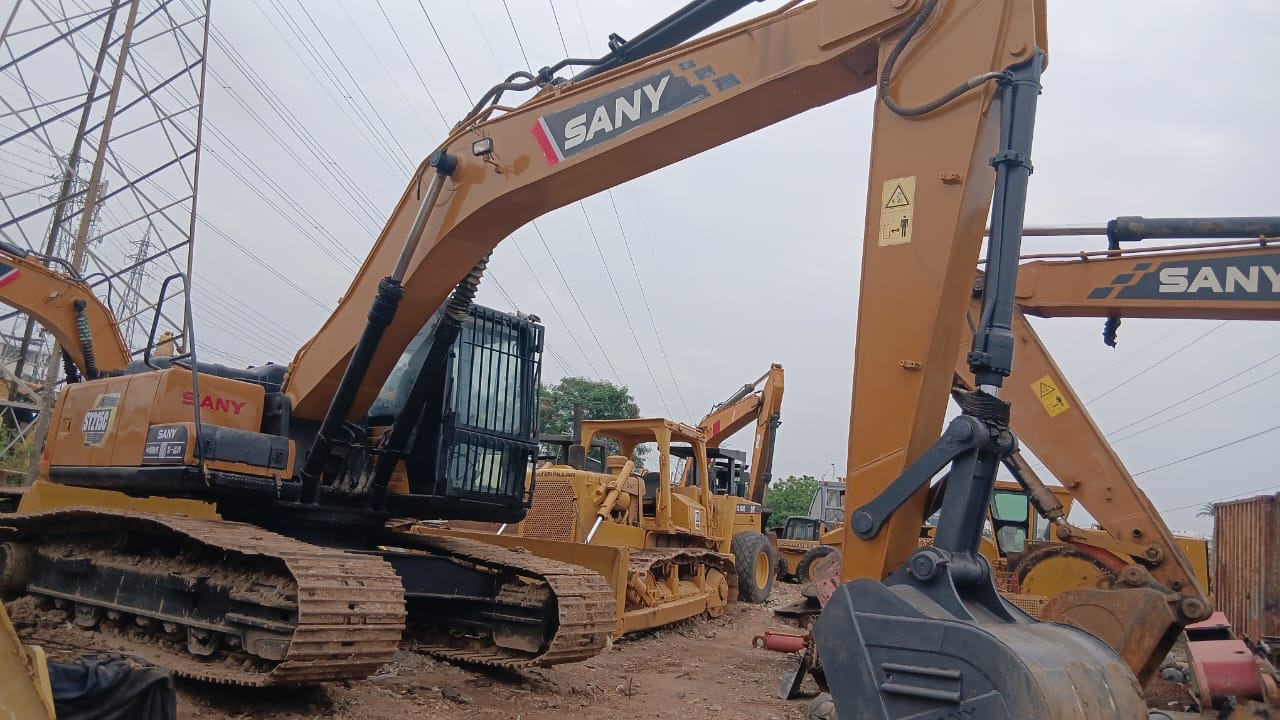
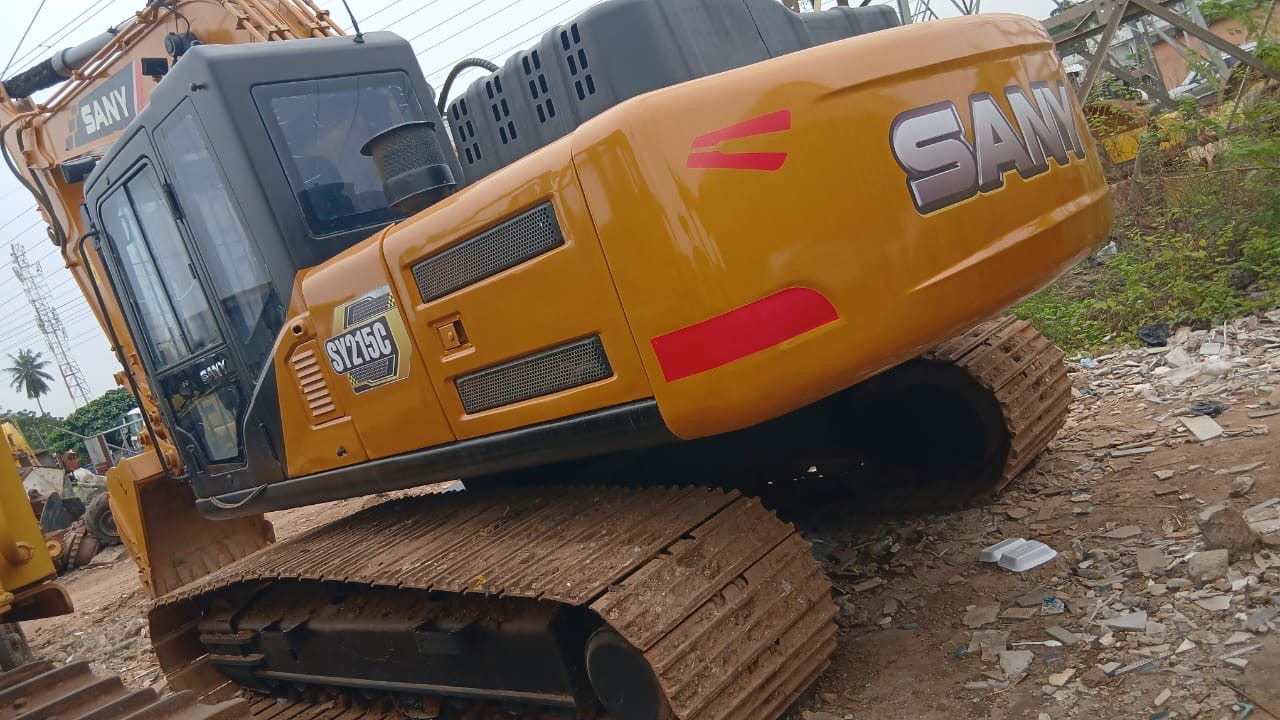
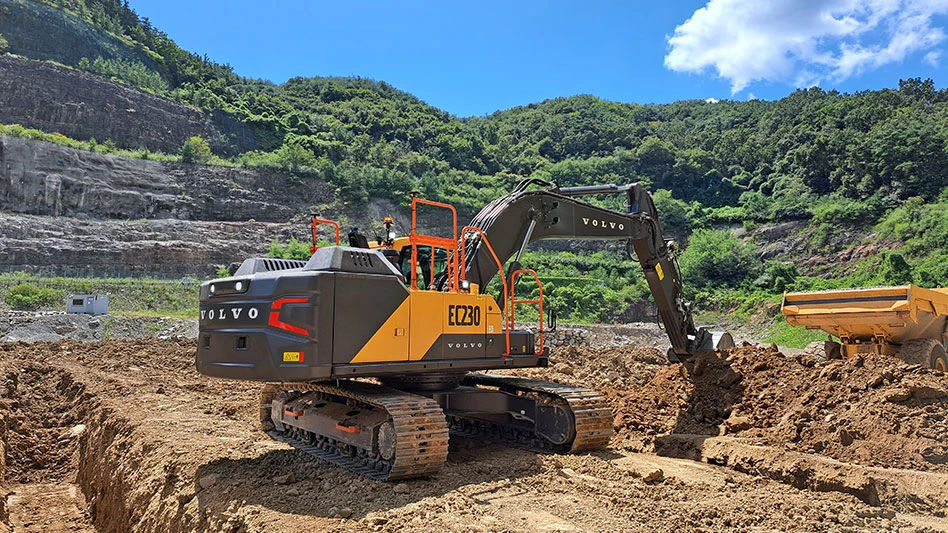
Scaffolding systems, tower and mobile cranes, concrete mixers, ladders of all kinds, electrical generators, and other heavy and light machinery are just a few examples of the many essential construction and building tools and equipment that are provided and leased by the construction equipment rental project. For daily, weekly, or monthly rental prices that vary based on the type of equipment and the length of the rental, these services are provided to large and medium-sized contracting firms, independent contractors, and even individuals performing personal construction or restoration projects.
In addition to securing the required legal licenses and permits from the appropriate authorities, the project calls for the establishment of a large and appropriate facility furnished with safe storage warehouses and a well-prepared maintenance workshop. Effective operational management and the implementation of a rigorous, routine maintenance program that guarantees equipment stays in top technical shape and is always ready for use are the major factors that contribute to its success. In addition to protecting tenants, this increases the assets’ usable life and improves the company’s credibility and reputation in the marketplace.
Is the Project to Rent Construction Equipment Profitable?
Indeed, renting out construction equipment is currently regarded as one of the most lucrative and sustainable business operations. The most recent worldwide market research, which indicates that the construction equipment market reached USD 223.56 billion in 2024 and is predicted to increase at a compound annual growth rate (CAGR) of 8.4% over the next six years to reach USD 363.23 billion by 2030, supports this estimate.
The ongoing urbanization of the world, the expensive cost of purchasing heavy machinery, and the growing inclination of businesses and contractors toward the rental model—which offers significant capital flexibility—are the main causes of this explosive rise. Because of this, investing in this industry is a fantastic opportunity that offers long-term sustainable growth, low risks, and great rewards.
What Are the Main Benefits of Renting Construction Equipment?
robust and ongoing demand backed by significant infrastructure projects and the expansion of the construction industry.
consistent and recurring revenue streams from both long-term and short-term rental agreements.
Rentals, extra services, and the eventual sale of secondhand equipment are ways to diversify streams of income.
possession of valuable physical assets that can be used as solid collateral to secure more funding.
high equipment residual value even after years of heavy use.
high barriers to entry that shield the project from sporadic new competitors.
The fleet may be quickly and easily expanded geographically, and it can be moved to different locations as needed.
the potential to enter into long-term framework agreements with significant contracting firms, guaranteeing steady income.
far less operational risks than those associated with direct contracting.
Excellent adaptability in redeploying the fleet and modifying services to meet evolving market demands.
After the first few years, there will be a healthy profit margin and fixed and predictable operational expenditures.
the capacity to take use of government facilities and incentives for the heavy equipment leasing industry.
the capacity to swiftly establish a solid reputation and a large network of contacts in the construction and contracting industry.
See Saudi Arabia’s Construction and Building Sector Report here.
How Much Does a Construction Equipment Rental Project Cost?
The following variables affect how much a construction equipment rental project will cost:
Depending on the desired scale, the initial fleet of equipment (excavators, loaders, graders, mixers, cranes, etc.) may be expensive to buy or finance.
establishing or leasing an appropriate storage facility and a repair workshop that is fully furnished with industrial electricity, safe pits, hydraulic lifts, and reinforced concrete floors.
The equipment’s initial shipping and transit expenses from the supplier or port to the business location.
To guarantee continuous readiness, set aside money for routine upkeep, repairs, and original spare parts.
charges for liability protection, personnel insurance, equipment comprehensive insurance, and other costs.
Technical workers (mechanics, electricians, drivers, and administrative professionals) are paid on a monthly basis.
Fixed operations (fuel for transit and operation, power, internet, and workshop supplies).
fees for acquiring the necessary government permits and operating licenses.
Budget for marketing and promotion (website, digital advertising, etc.).
Plans for expansion or equipment replacement, catastrophic malfunctions, and the first few months of operation are all covered by contingency capital.
expenses for tracking and administrative software, such as GPS, fleet management, and reservation systems.
payments for registration and license plates, as well as taxes and customs charges (if importing equipment).
A feasibility study for a project involving the rental of construction equipment
Analysis of the Project’s Marketing
identifying the gap between supply and demand and highlighting opportunities by carrying out a thorough market analysis.
precisely identifying target markets, including building firms, real estate developers, contractors, and individual clients.
creating an integrated marketing strategy that blends online and offline marketing initiatives.
introducing loyalty programs and aggressive promotional offers to draw in new customers.
forming strategic alliances with significant regional construction companies and real estate development initiatives.
using Google and social media networks to carry out focused paid advertising campaigns.
implementing a regular method for measuring client satisfaction and evaluating feedback in order to continuously enhance the quality of services.
putting up awareness campaigns that emphasize the financial and practical benefits of renting equipment as opposed to buying it.
Marketing Feasibility Study: Definition, Significance, Preparation Process, and Essential Resources

Technical Analysis of the Project
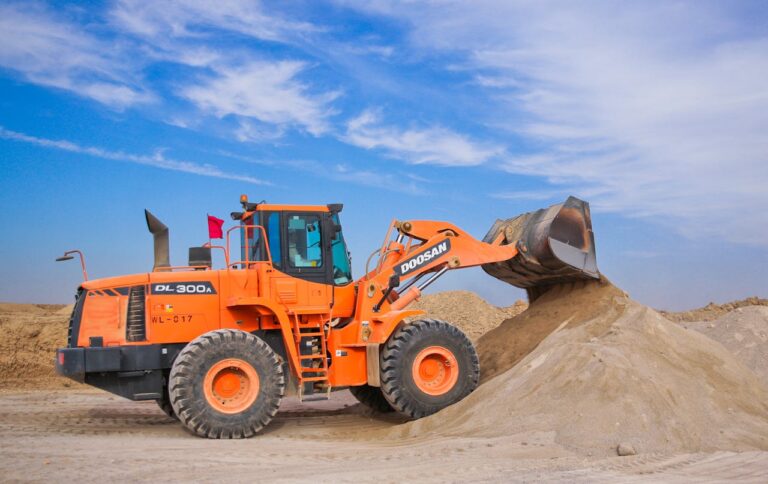
To cut down on transportation time and improve operational efficiency, a strategic location in the center of construction activity zones should be chosen.
using the findings of the market demand analysis to precisely define the fleet size and equipment mix.
purchasing equipment from reputable multinational brands that adhere to global standards.
setting up a maintenance workshop and storage yard with lifting, safety, and security systems.
putting in place a rigorous preventative maintenance program that includes complete documentation for every piece of equipment.
installing fleet management software and GPS tracking devices for equipment reservations and real-time condition monitoring.
ensuring complete adherence to occupational health and safety regulations and supplying certificates for routine equipment inspections.
employing and educating a skilled and certified technical staff for on-site technical assistance, operation, and maintenance.
See Also: 7 Essential Components of a Technical Feasibility Study for Projects
Project Financial Analysis
creating a precise cost estimate for the establishment of the site, storage yard, and maintenance workshop as well as the acquisition of equipment.
figuring out monthly operational expenses, both fixed and variable (rent, payroll, maintenance, power, and insurance).
estimating monthly and yearly income using current market rental pricing and a phased utilization rate.
figuring out the anticipated month to reach operating profitability and the financial break-even point.
creating three possibilities for the first five years’ predicted income statements: optimistic, moderate, and gloomy.
computing important financial metrics including payback period, net present value (NPV), and return on investment (ROI).
carrying out sensitivity analysis to evaluate how changes—like shifts in fuel prices or decreased demand—affect profitability.
creating a flexible financing strategy with a thorough loan payback schedule (equity versus bank financing).
The definition, goals, and components of a financial feasibility study for entrepreneurs may be found here.
An administrative analysis of the project
creating a precise organizational structure that outlines the administrative hierarchy, roles, and powers.
Each position’s duties, powers, and responsibilities are outlined in a written procedure document that covers every aspect of the business.
putting in place a comprehensive computerized system to handle reservations, contracts, daily reports, invoicing, and real-time equipment tracking.
hiring and educating a skilled and competent staff with a focus on operations, maintenance, and customer service.
creating well-organized rental agreements and policies that specify the length of the rental, the cost, delivery and return schedules, obligations, fines, insurance, and other relevant elements.
creating a precise, automated accounting system to track transactions and produce recurring financial reports on earnings and outlays.
implementing stringent workplace health and safety regulations, backed by ongoing audits and frequent training.
establishing a productive system for taking consumer feedback and complaints and implementing them to raise the caliber of services.
creating a precise risk management strategy to guarantee business continuity in an emergency.
changing operating strategies and procedures on a regular basis to reflect shifting consumer demands and market conditions.
Go here to learn about the significance of feasibility studies, how to prepare them, and how to carry them out.
12 Pointers for Launching a Construction Equipment Rental Company
Select a key site close to areas that are undergoing construction, such as industrial cities or significant infrastructure projects.
To determine which equipment is most in demand, do a thorough market analysis (e.g., loaders, graders, cranes, pumps).
Obtain all required licenses and permissions (civil defense, commercial, and municipal).
Make that every piece of equipment is fully insured (against fire, theft, accidents, and third-party responsibility).
Start with a well-balanced combination of heavy machinery (few expensive units) and medium/light equipment (more adaptable and in greater demand).
To prevent unexpected malfunctions, arrange routine preventive maintenance (oil changes, filters, hydraulic/electrical inspections).
Provide competitive offers, such as shared rentals between contractors, project packages, or savings for long-term contracts.
Make use of well-written rental agreements that include delivery and return policies, minimum insurance requirements, limits of use, and fines for delays or damage.
Create a personnel with specific training for managing everyday operations and providing customer service.
Use an electronic management system for billing, maintenance, inventory, and reservations.
Through framework agreements or public/private tenders, cultivate ties with big contractors.
Make demonstration films of equipment in use and spend money on targeted digital marketing, particularly Google AdWords.
Conditions for Establishing a Construction Equipment Rental Company
Before beginning operations, obtain a local license.
Water tanks, sewage systems, inspection chambers, and drainage systems must all be appropriately sealed, and floor surfaces must be appropriate for the activity.
To keep pests out, ceilings should be moisture-proof and fire-resistant.
External air conditioners, piping, and electrical wiring shouldn’t be placed prominently on a building’s roof or exterior.
Install lighting systems at the location in accordance with industry standards.
To guarantee safety compliance, conduct routine inspections of all new and used cranes in accordance with manufacturer specifications.
Make sure everyone who operates heavy machinery is properly trained before using it.
Install security cameras in compliance with government surveillance guidelines.
Keep external walls clear of stickers, flaws, cracks, and significant visual abnormalities.
Observe all Saudi code-mandated energy efficiency regulations for electrical installations.
Keep commercial signage free of flaws, damage, and cracks.
Common Questions Regarding Renting Construction Equipment
First. What are the prerequisites for starting a rental store?
A valid building license, proof of ownership or lease, investment license, commercial registration, final municipal permit, and site preparation in accordance with approved technical and municipal standards are all necessary legal requirements to open a construction equipment rental shop.
Two. What kinds of equipment are there for construction?
Construction equipment includes electrical and hand tools, light tools like saws, drills, and scaffolding, as well as big machines like cranes and bulldozers.
Third. How much does it cost to rent equipment in Saudi Arabia?
The type of equipment (heavy or light), the length of the rental (daily, weekly, monthly, or annual), the size of the project, the location (Riyadh, Jeddah, Dammam), and the condition of the equipment (new or used) all affect rental costs. Due to rising fuel prices and the construction boom in 2025, the rental cost index has somewhat increased.
Four. How can I get a Saudi Arabian license for heavy machinery?
By submitting the necessary paperwork and going through the formal approval procedure, you can apply via the municipal services platform.
Finally, in relation to our piece about the construction equipment leasing project
In view of the ongoing urban growth and rising demand for both heavy and light equipment, we may infer that the construction equipment leasing project offers a fantastic investment potential. According to the project’s economic feasibility analysis, this company has comparatively low operating expenses, a high degree of expansion flexibility, and the potential to produce consistent and profitable cash flows under competent management. The project can become a strong competitive entity in a dynamic and expanding market, capable of earning sustainable profits and consistent long-term growth, by concentrating on high-standard equipment maintenance, choosing a strategic location, and offering dependable and responsive service.