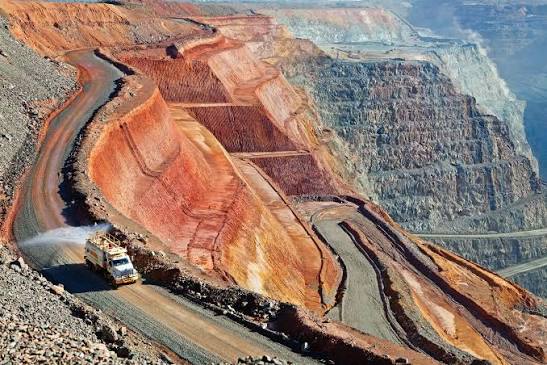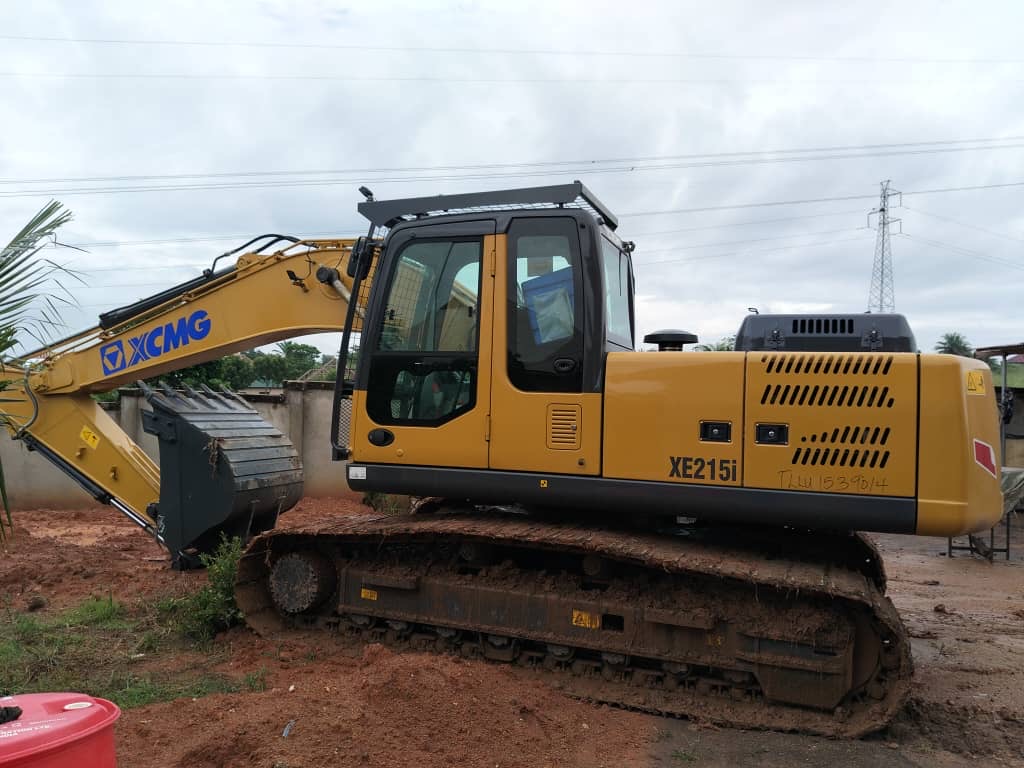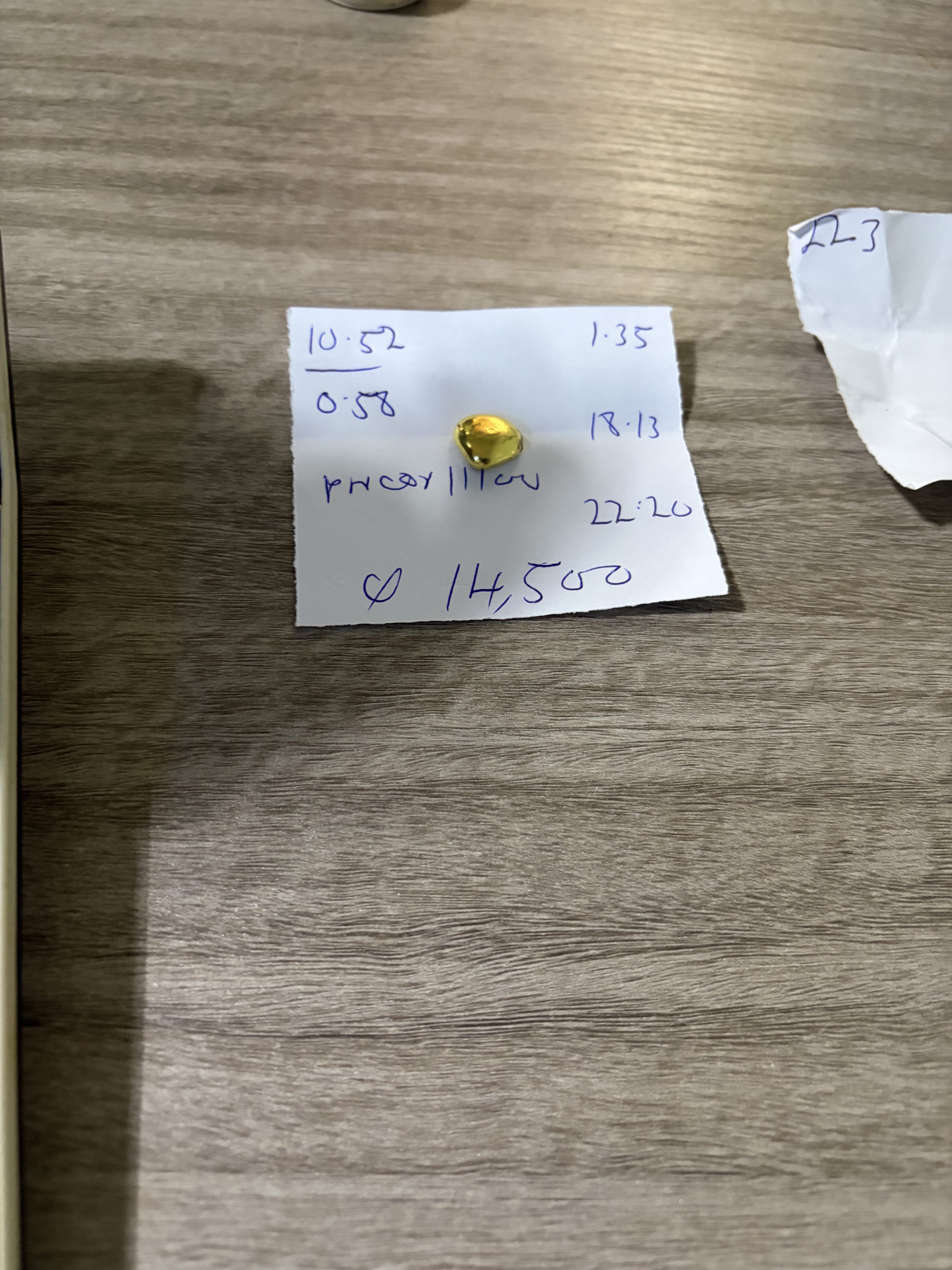

Africa’s mining equipment leasing market is in a strong growth trajectory, supported by solid long-term fundamentals. For an investor, the starting point is to assess the size of the opportunity and where the growth is coming from.
- Revenue Scale: The Middle East & Africa (MEA) mining equipment rental market generated approximately $11.87 billion in 2024, accounting for 11.1% of the global market.
- Growth Forecast: The market is projected to reach $16.36 billion by 2030, growing at a compound annual growth rate (CAGR) of 5.5% from 2025 to 2030.
- Regional Comparison: This growth outpaces many developed markets, with Africa’s construction equipment rental market specifically forecast to advance at a CAGR of 6.72% through 2031, one of the fastest rates globally.
South Africa remains the largest single market, valued at approximately ZAR 4.5 billion in 2023 (about $245 million), with growth expected at 8.5% CAGR to reach ZAR 6 billion by 2026.
Key insight: The 5.5% regional CAGR suggests a steady growth environment, but practical investment considerations will determine whether this translates into attractive returns for a specific venture.
🔥 Key Drivers & Demand Trends: Why the Rental Model is Taking Root
Several forces are converging to make mining equipment rentals an increasingly attractive segment for investors.
1. Soaring demand from mining operations
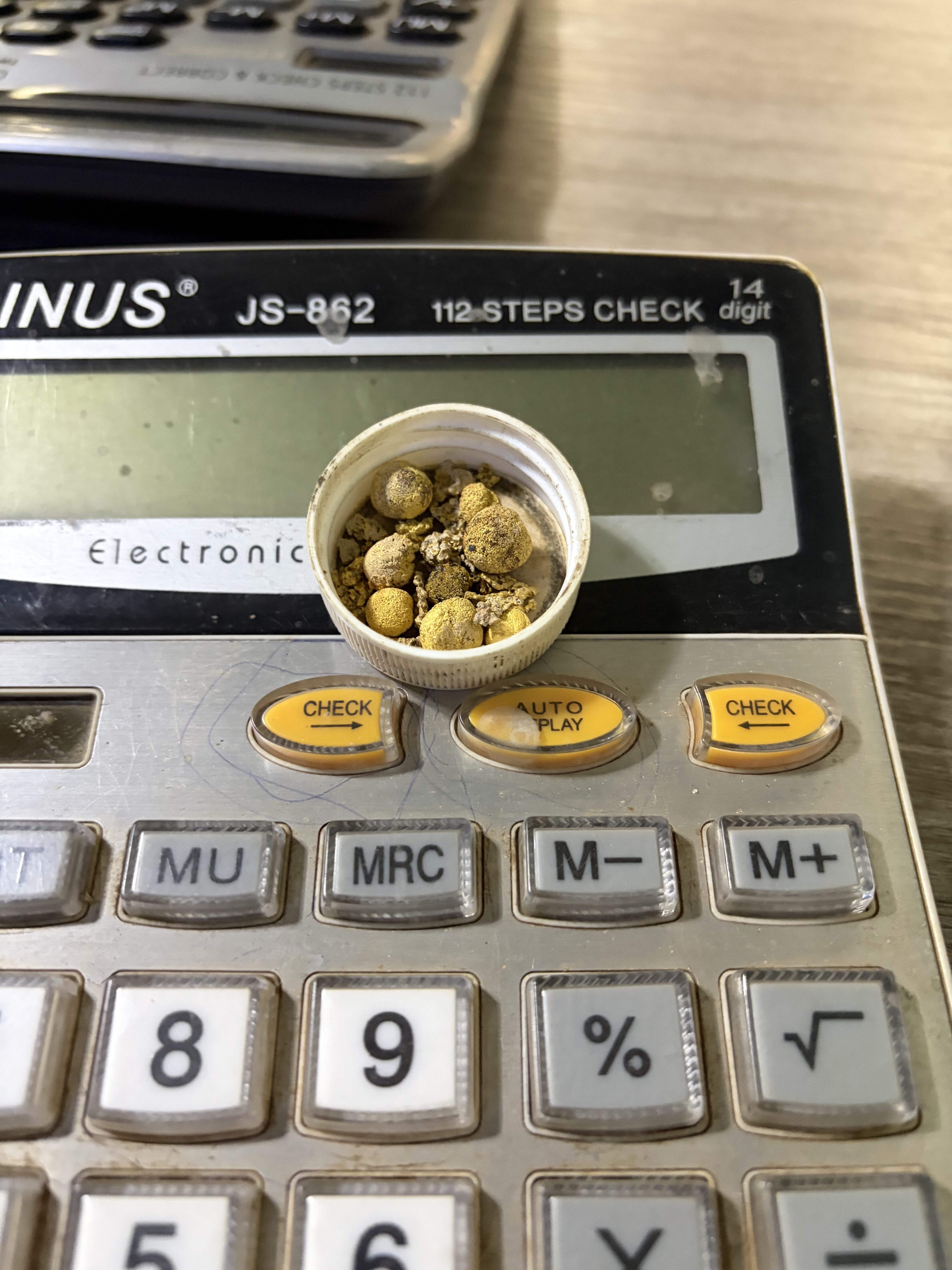
Mining accounts for approximately 75% of heavy equipment demand across Africa. Demand is particularly strong in regions rich in copper, gold, and lithium, with countries like the DRC (copper/cobalt), Zambia (copper output poised to exceed 1 million tons in 2026), Ghana (gold), Zimbabwe (lithium/gold), and Zambia (copper) offering the highest equipment utilization rates. Recent data from Q3 2025 shows heavy equipment sales surging by 59% year-on-year in Africa, with countries like Guinea (iron/bauxite), Mali (lithium), and Nigeria (iron/rare earths) seeing growth exceeding 100%.
2. Capital constraints and the economics of ownership
Purchasing heavy equipment in Africa is significantly more expensive than in developed markets. The weighted average cost of capital for infrastructure projects in Africa is approximately 13%, compared to 10% in developing Asia and just 8% in OECD countries—with the cost of debt being a staggering 2.5 times higher. For the MSMEs that form the backbone of Africa’s mining supply chain, this makes outright purchase prohibitive.
Rental converts this fixed capital expenditure into a variable operating expense that aligns with project timelines, a crucial advantage given the episodic nature of mining and infrastructure projects.
3. Large-scale mining expansion projects
Significant capital investments are driving equipment demand:
- First Quantum Minerals completed a $1.25 billion expansion at Zambia’s Kansanshi copper mine.
- Barrick Gold committed a $2 billion program to double output at Zambia’s Lumwana mine by 2028.
4. OEMs shifting towards “as-a-service” models
Equipment manufacturers are increasingly pivoting toward “Equipment-as-a-Service” (DaaS) and usage-based models, leveraging IoT and digital platforms to offer flexible, data-driven rental solutions. This transition not only lowers barriers to entry for operators but also creates recurring revenue streams that rental providers can capitalize on.
5. Equipment type segmentation

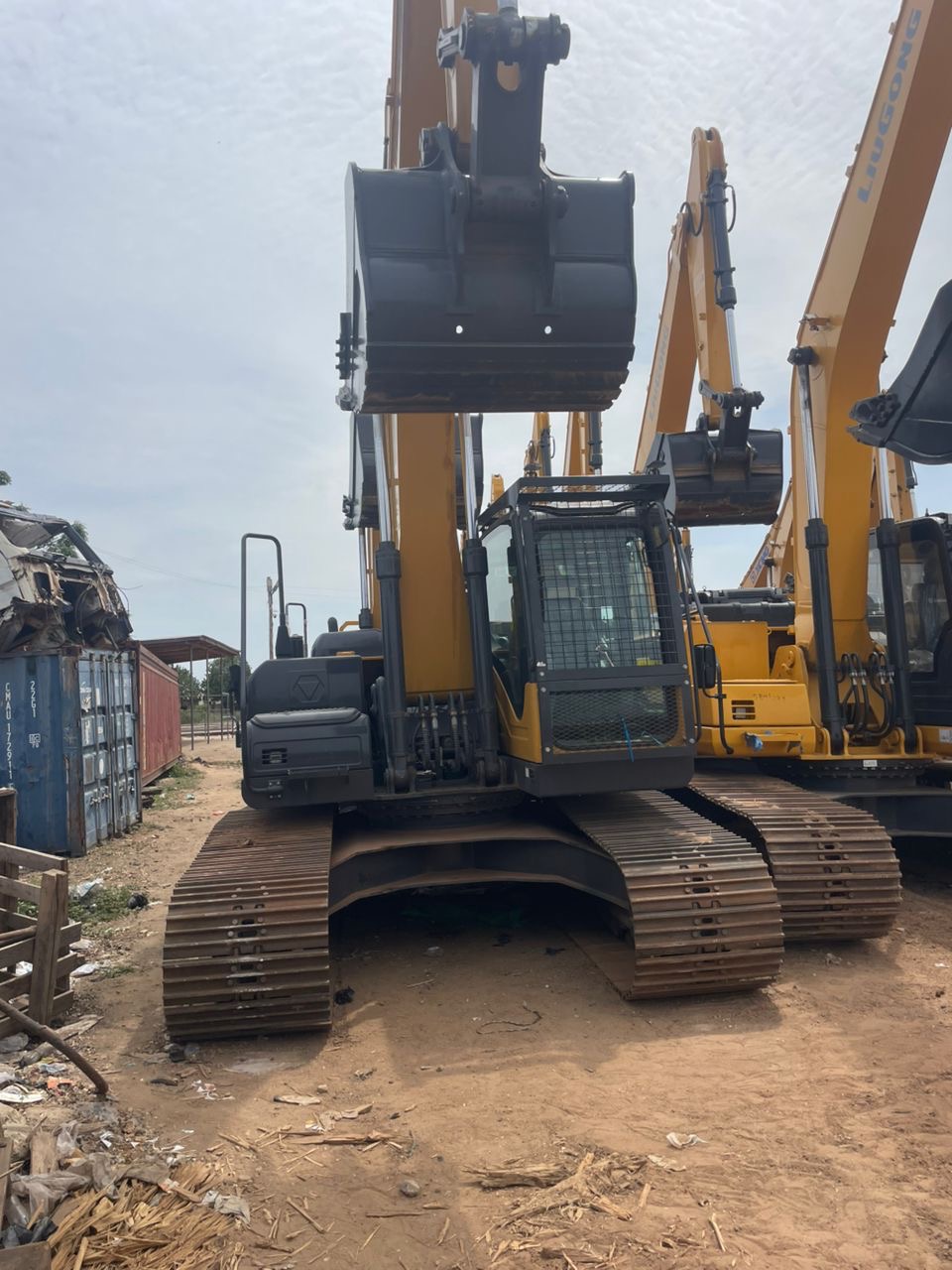
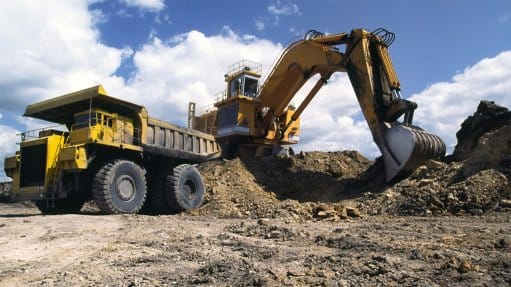
Investors should note that surface mining equipment currently holds the largest market share, but underground mining equipment is the fastest-growing segment, offering potentially higher margins and less competition.
6. Chinese capital accelerating market growth
African mining development is increasingly funded by Chinese capital—China Development Bank (CDB) has become the single largest source of African infrastructure financing, surpassing the World Bank, with total lending to Africa’s resource sector reaching approximately $50 billion. This capital injection has accelerated mine development timelines by 30-40%, creating a compressed window for equipment demand that strongly favors rental over ownership.
🏢 Major Players: Who Is Active
The rental landscape comprises regional specialists, multinationals, and OEM-linked companies operating across different African sub-regions:
| Company | Region | Key Details |
|---|---|---|
| Barloworld Equipment | 11 southern African countries | Official Caterpillar dealer; integrated rental, fleet management & logistics |
| Tractafric Equipment | Morocco & Central Africa | Caterpillar & SEM partner; provides mining, construction & forestry equipment |
| Rocksure International | Ghana & international | Fleet of 150+ heavy-duty units; specializes in load & haul, drill & blast |
| HeavyDealers | Across Africa | AI-driven, tech-enabled marketplace for heavy equipment & dump truck rentals |
| AFGRI Equipment | South Africa | Partnered with RentWorks for mining/construction earth-moving equipment |
| Weir Minerals | Africa-wide | Specialist in pumps & high-cost emergency-duty equipment; site assessments |
In South Africa’s mature market, the sector is transforming through IoT-based “pay-as-you-use” models, while West and Central Africa present emerging opportunities often tied to specific large-scale mining projects. Southern Africa, with its established mining infrastructure, offers a more predictable regulatory environment but faces political and labor stability risks in key jurisdictions.
💼 Investment Case Study: Ghana Excavator Rental Model
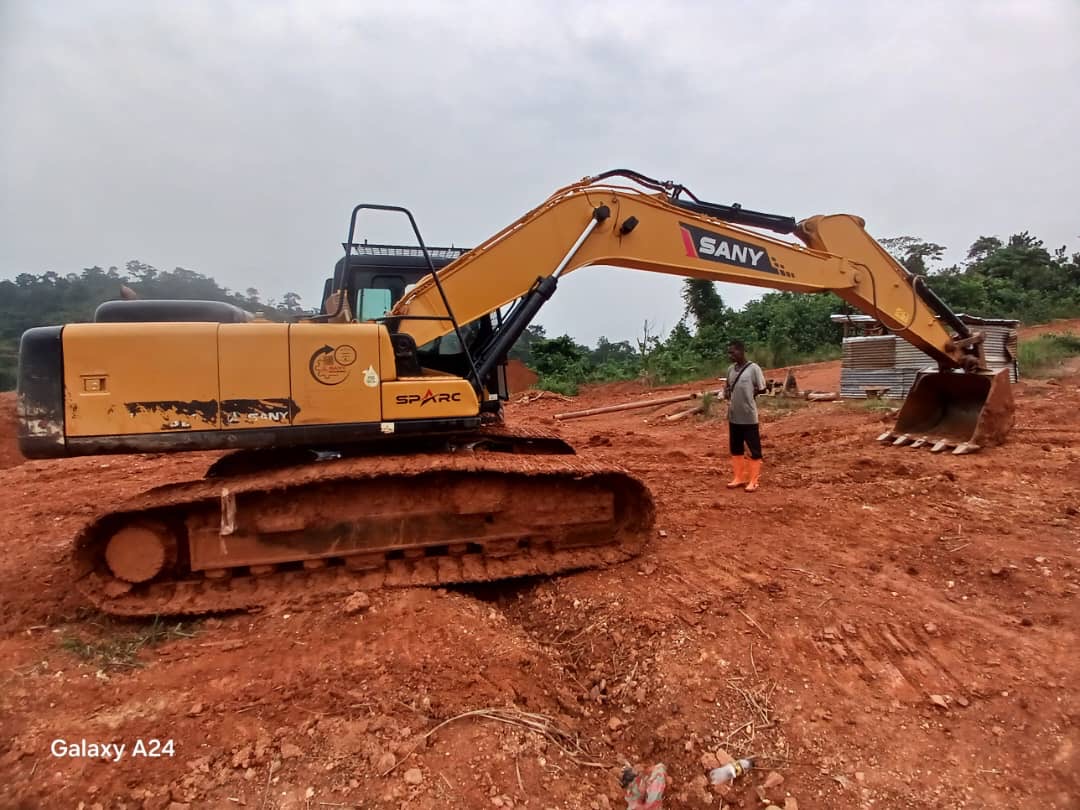
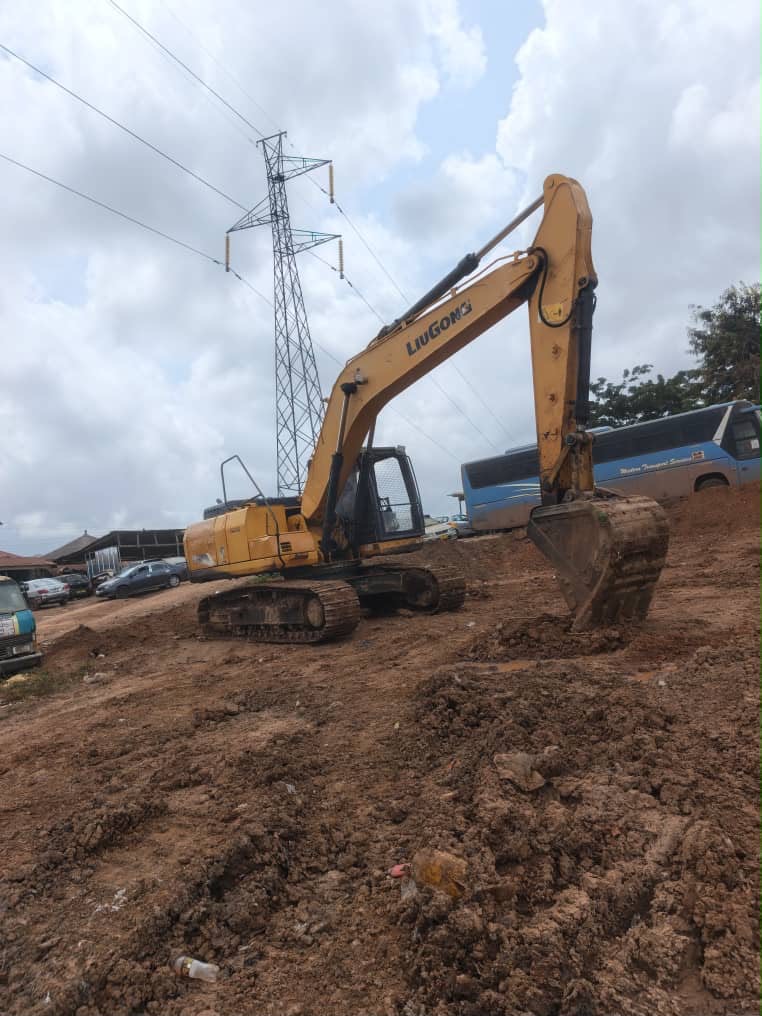
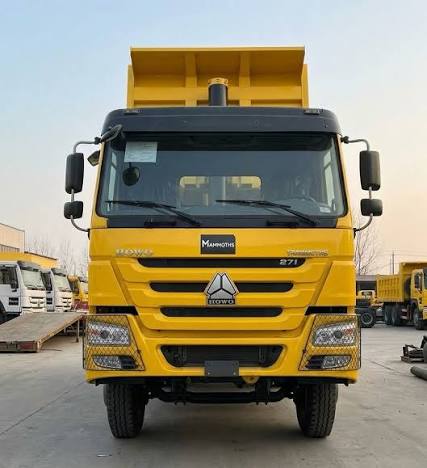
To understand the practical returns this sector can generate, consider this 2025 partnership proposal for equipment rentals to small-scale gold miners in Ghana—a concrete example of how the business model works:
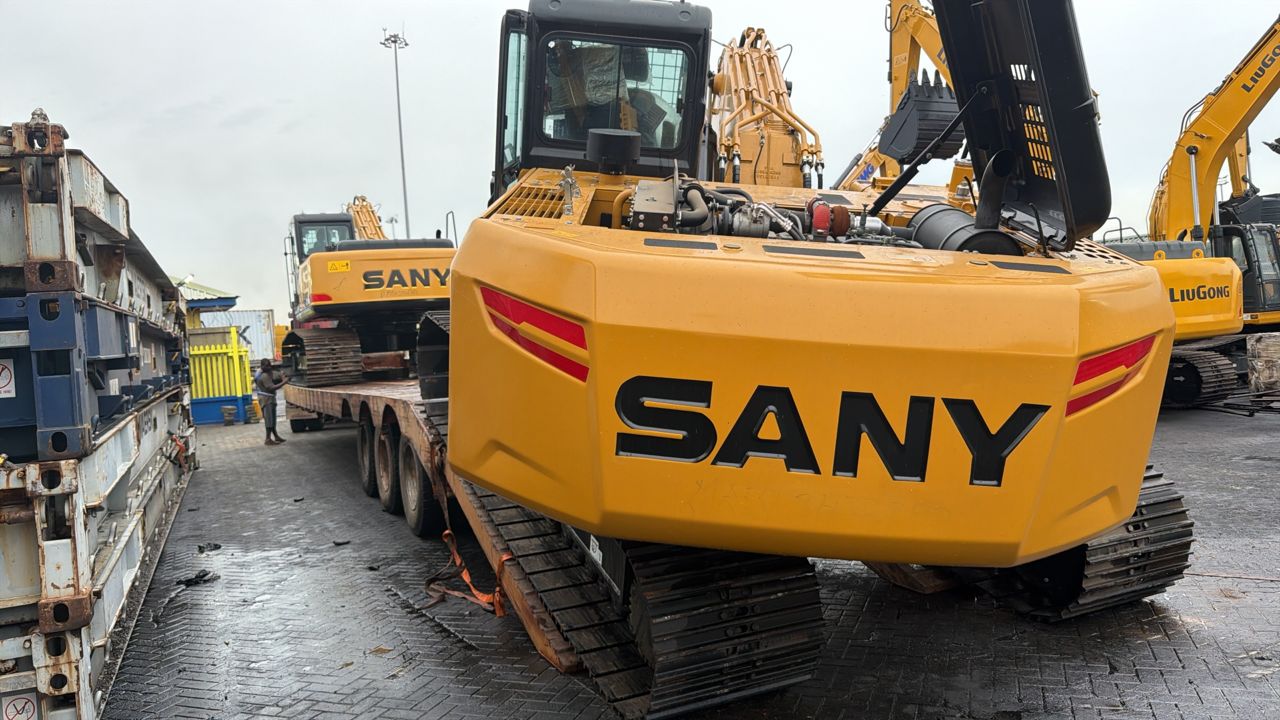
The business model offers investors either a 30% equity share or a 20% fixed annual return on their investment. The target market specifically focuses on small- and medium-scale gold mining companies in Ghana’s Eastern, Western, and Central regions, where there is persistent unmet demand for reliable, well-maintained equipment.
Advisory note: This proposal serves as a realistic illustration of potential returns, not as an endorsed opportunity. Investors should conduct independent due diligence before committing capital to any specific venture.
⚠️ Risks & Challenges: The Realities of Operating in Africa
Despite the attractive market dynamics, investors must carefully weigh the significant risks:
Political and legal instability
Frequent political upheavals, armed conflicts, and resource nationalism in several African nations create an uncertain operating environment. Policy shifts and lack of legal enforcement remain core concerns, with political ecology often representing a higher risk than the mining operations themselves. The Ghana Chamber of Mines has explicitly warned that lease and policy uncertainties threaten mining investment.
Financing and operational hurdles
Securing financing remains elusive for many mining-linked small enterprises, which often rely on personal savings or informal networks, limiting their ability to invest in essential machinery. Using outdated or second-hand equipment raises maintenance costs and slows operations, creating a cycle of underinvestment.
Logistical and cost challenges
- Imported components: Heavy reliance on imported components (drilling tools, conveyor systems, spare parts) drives up costs.
- Currency instability & import duties: These factors create logistical delays and supply-chain volatility that push out equipment lead times and inflate input prices.
- Infrastructure constraints: Africa faces an estimated $60 billion infrastructure funding gap for 2025 alone, with power supply and logistics constraints affecting equipment deployment and uptime.
South Africa-specific risks
Although South Africa offers a relatively advanced regulatory framework, investors must contend with the Mining Charter’s localisation and equity ownership requirements, alongside historically challenging labour relations that require careful management.
🎯 Strategic Recommendations for Investors
Based on the market analysis, here are practical entry strategies:
| Strategy | Approach | Target Segment |
|---|---|---|
| Partner with established rental firms | Provide capital in exchange for equity or fixed returns | Avoids operational learning curve |
| Focus on specialized equipment niches | Enter less competitive categories (underground mining, crushing/screening equipment) | Higher margins, lower competition |
| Target specific high-growth countries | DRC (copper/cobalt), Zambia (copper expansion), Ghana (gold) | Strong project pipelines |
| Adopt technology-enabled models | Use IoT and digital platforms to optimize utilization and maintenance | Reduces idle time, improves ROI |
| Form strategic equipment supplier partnerships | Secure consistent inventory and aftermarket support | Mitigates supply chain risks |
Additionally, partnerships with larger mining houses can facilitate mentorship, knowledge transfer, and inclusion in procurement opportunities. For investors seeking lower direct exposure to African operational risk, financing or partnering with established rental firms while taking a minority equity position may offer a balanced risk-return profile.