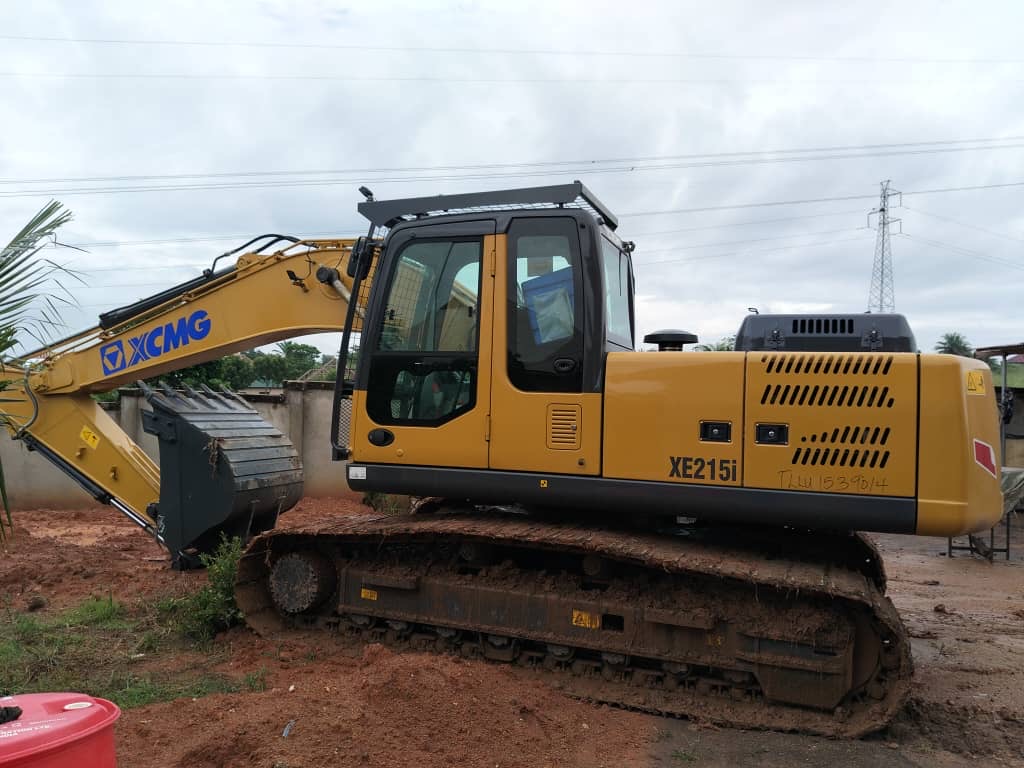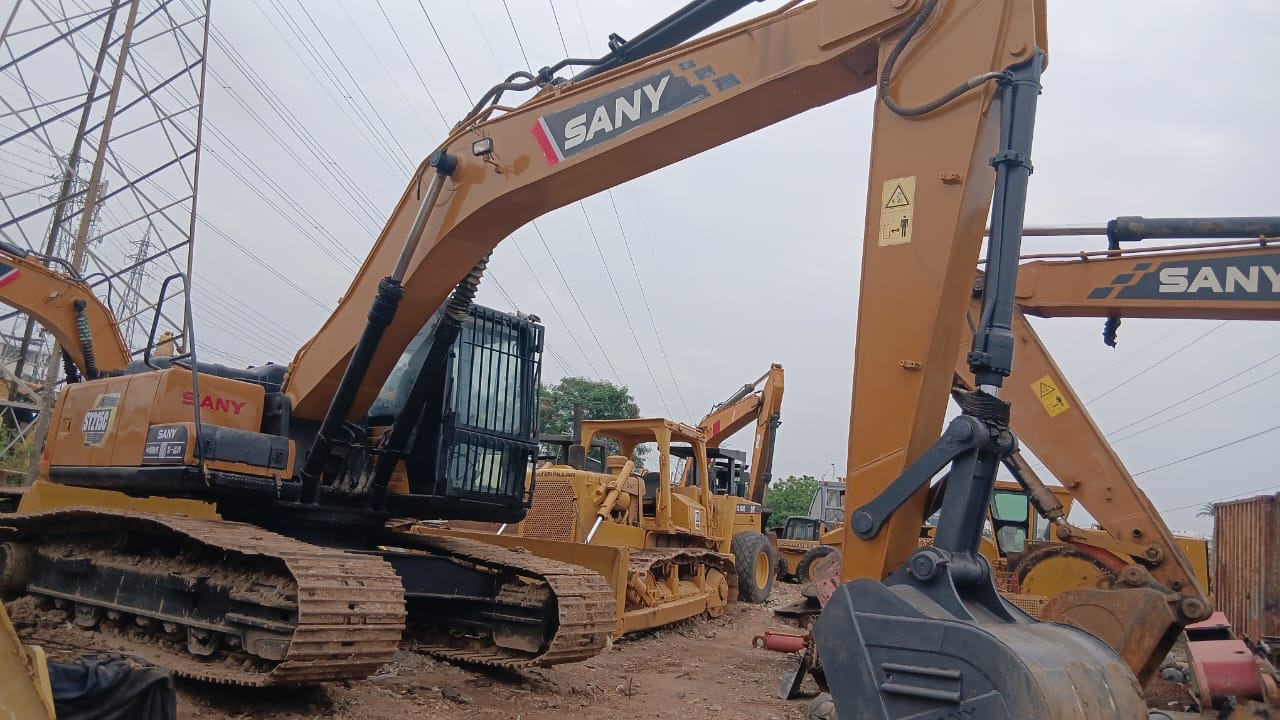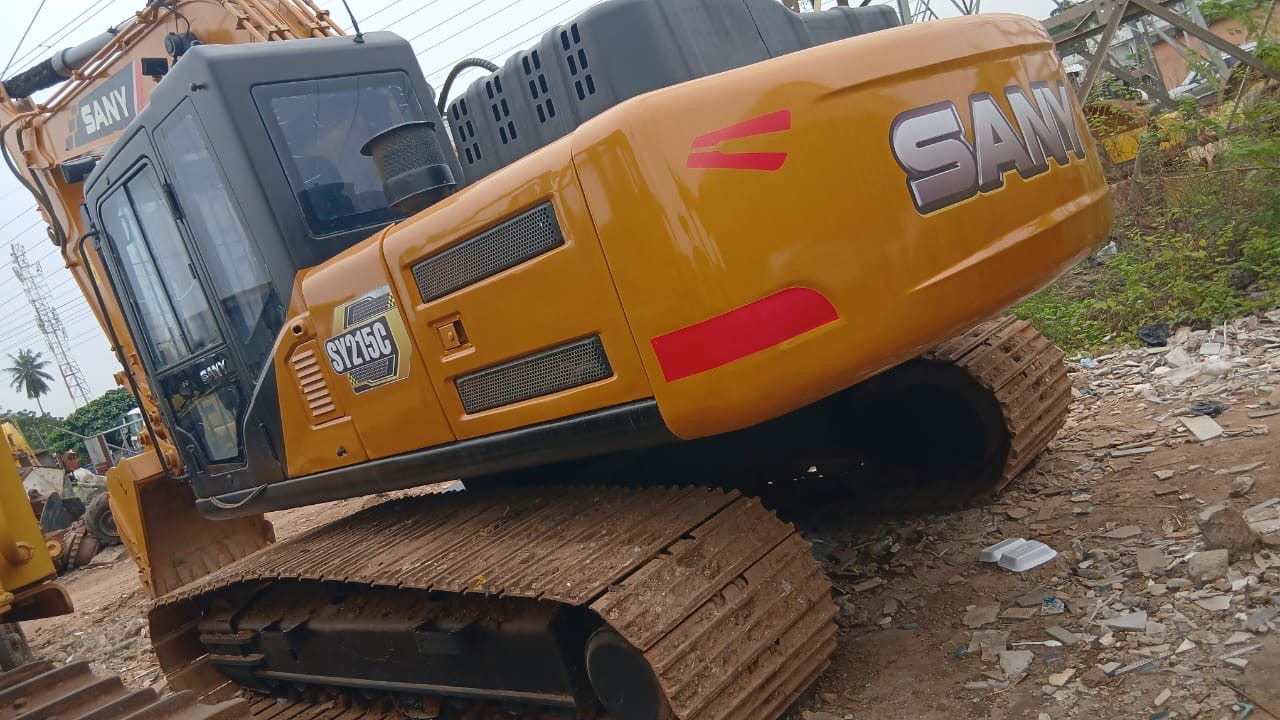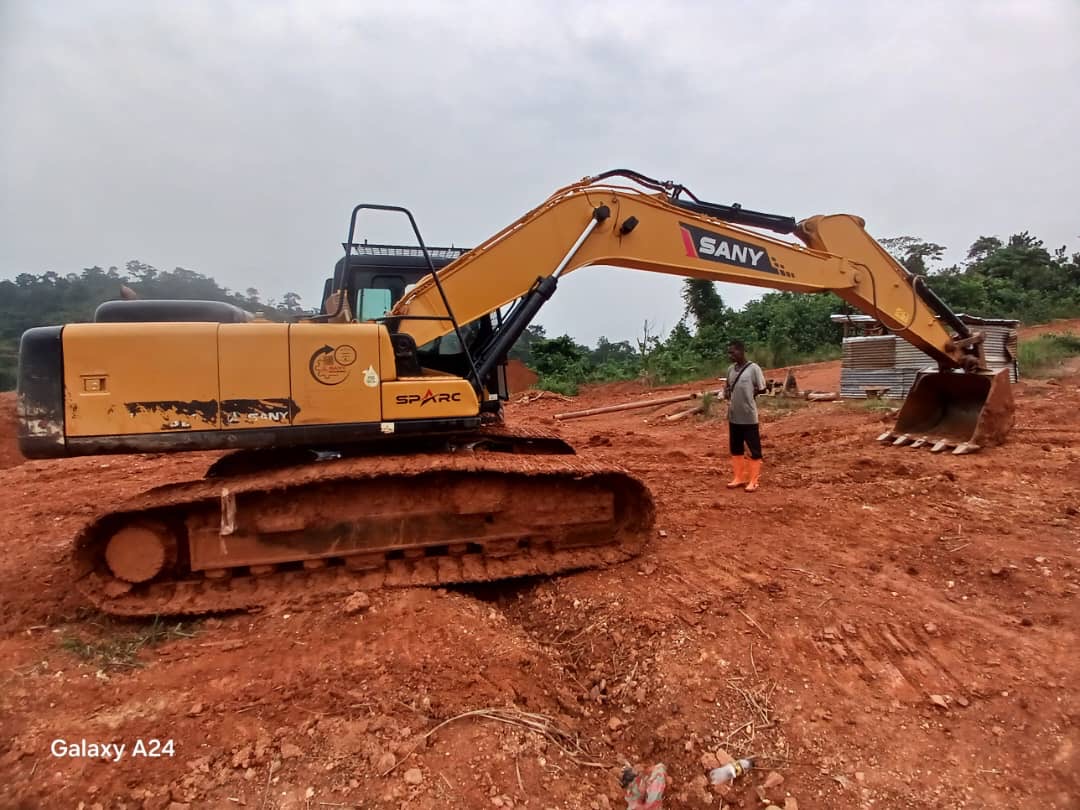

The “mining license” for heavy equipment in Ghana refers to a new, strict set of import and registration requirements introduced in 2025. These measures are part of a government initiative to combat illegal mining (galamsey) and enforce the “No Permit, No Excavator” policy. The core legal framework is established by the Minerals and Mining (Mineral Operations-Tracking of Earth Moving and Mining Equipment) Regulations, 2020 (L.I. 2404), which mandate registration and real-time tracking of all such equipment used in mineral operations.
📜 Key Regulations for Heavy Mining Equipment
It’s crucial to understand the two primary stages of compliance: Import Permit and DVLA Registration.
📝 Step-by-Step Compliance Guide
- Secure a Valid Mining License: Before any import process can begin, you must first hold a valid mining license or be engaged in a legitimate construction/infrastructural project. This is a critical prerequisite, as your license will be verified by the Minerals Commission and DVLA.
- Obtain Import Permit from Ministry of Transport: Once your license is in order, you must apply to the Ministry of Transport for an official import permit. This permit is mandatory and must be granted before your excavator is shipped to Ghana or put on a vessel destined for the country.
- Comply with Customs Clearance: When your equipment arrives at a Ghanaian port, the Customs Division of the Ghana Revenue Authority (GRA) will require you to present the approved import permit. The permit must be endorsed by both the Ministry of Transport and the Commissioner-General of the GRA before customs clearance is granted.
- Register Equipment with DVLA: A mandatory, nation-wide DVLA registration is required after import. The government has set key deadlines for this process:
- The initial deadline was August 1, 2025.
- Following the directives, the DVLA began a stricter registration enforcement regime, with some deadlines extended. As a result, it is critical to note that:
- By May 1, 2025, registration commenced at ports.
- By June 1, 2025, unregistered excavators were at risk of confiscation.
- By August 1, 2025, all mining machinery was required to be registered.
- As of January 2026, the government continues to tighten controls, confirming that imported earthmoving mining equipment is now being actively registered.
- Installation of GPS Tracking Devices: As part of the registration process with the DVLA, your equipment may be fitted with a tamper-proof GPS tracking device. This allows the Minerals Commission to monitor the real-time location of the equipment in a centralized control room to ensure it is only used in authorized areas.
⚠️ Important Considerations
- 🚨 Significant Penalties for Non-Compliance: The government has made it clear that failure to comply with these new regulations will result in serious consequences. Unregistered equipment risks being confiscated by the state, and shipping companies found transporting excavators without permits have been warned that they may be penalized.
- 👀 Multi-Agency Enforcement: This is not a single-agency policy. The enforcement is a coordinated effort involving the Ministry of Lands and Natural Resources, Ministry of Transport, Ghana Revenue Authority (Customs Division), Ghana Ports and Harbours Authority, Driver and Vehicle Licensing Authority (DVLA), Minerals Commission, and the Ghana Police Service.
- 📈 Recent Changes (2025-2026): The regulatory environment has become significantly stricter recently. The government has conducted a review of mining licenses, leading to 300 revocations for non-compliance. As of early 2026, out of 1,800 registered earthmoving machines, 1,033 have already been fitted with GPS tracking devices.
If you are planning to import or operate heavy equipment in Ghana, it is essential to work closely with the relevant authorities (Ministry of Transport, DVLA, Minerals Commission) to ensure you meet all the current regulatory requirements.