

That’s a succinct way to put it. The narrative around gold has shifted dramatically in recent months. While calling the “party” completely over might be premature, the macroeconomic conditions that fueled gold’s record-breaking rally have certainly changed.
Here’s a breakdown of why the party was so wild, and why it’s now facing a hangover.
Why the Party Was So Hot (2022–Early 2024)


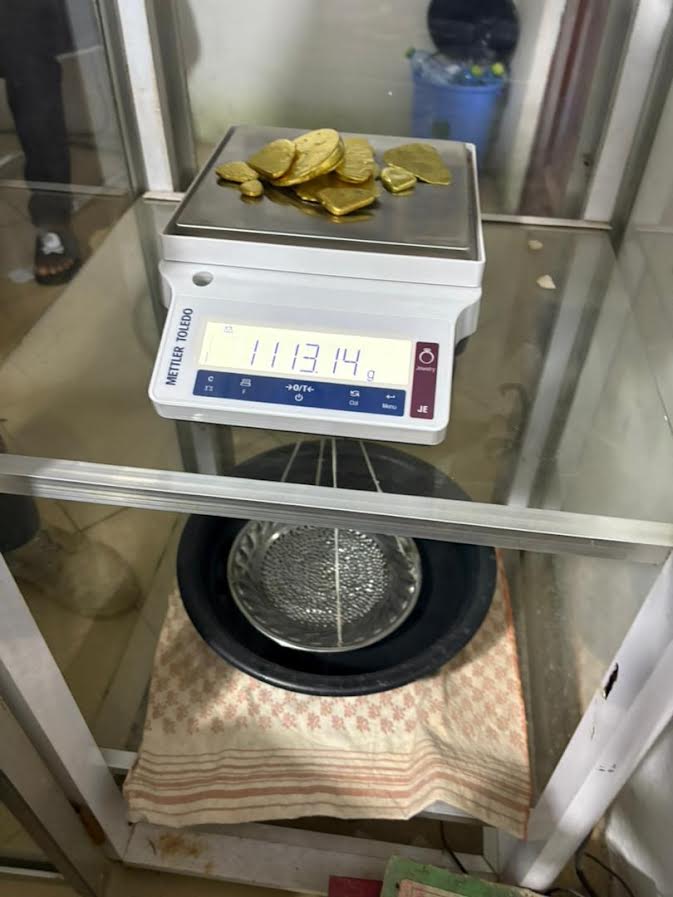
Gold’s surge to repeated all-time highs wasn’t driven by the usual suspects. It was a perfect storm of unique factors:
- The Great Central Bank Buying Spree: This was the single biggest factor. Following the freezing of Russian central bank assets, central banks in emerging markets—led by China, Turkey, and Poland—began buying gold at a historic, unprecedented pace. They were diversifying away from the US dollar and US Treasuries, seeking a “safe” asset that wasn’t a potential liability.
- Geopolitical Perma-Crisis: From the war in Ukraine to the conflict in Gaza and rising US-China tensions, gold served as the ultimate geopolitical hedge. Investors sought safety from a world that felt increasingly unstable.
- The “Fear of Missing Out” (FOMO) from Western Investors: For most of 2023 and early 2024, Western investors (through ETFs) were net sellers of gold. The rally was sustained by Asian demand and central banks. However, as prices kept hitting new highs, many institutional investors finally capitulated and piled in, adding rocket fuel to the rally.
- Rate Cut Expectations: Gold, which pays no yield, thrives when interest rates are expected to fall. For much of 2023, the market was pricing in a series of aggressive Federal Reserve rate cuts in 2024, which sent gold soaring.
Why the Party Is Now Facing a Hangover
The pillars that supported the rally are showing cracks or have reversed.
- The “Higher for Longer” Reality Check: The anticipated Fed rate cuts have been delayed and scaled back. With US inflation remaining stubborn and the economy surprisingly resilient, the market now expects rates to stay elevated. This increases the opportunity cost of holding gold (investors can get a ~5% risk-free return from Treasuries instead).
- A Stronger US Dollar: Gold and the dollar typically have an inverse relationship. The dollar has been strengthening as the US economy outperforms other regions and as the Fed stays hawkish. A strong dollar makes gold more expensive for foreign buyers, dampening demand.
- The Chinese Slowdown: China was the engine of the retail gold boom. Their central bank was the biggest buyer, and Chinese consumers were snapping up gold bars as a store of value amid a property crisis and stock market slump. However, with China’s economy still struggling and their central bank pausing its buying spree (after 18 consecutive months), a key source of demand has cooled.
- Profit-Taking and ETF Outflows: After a historic run, many investors are taking profits. Western ETF outflows have resumed, and speculative long positions in futures markets have been cut back significantly.
- Rising Real Yields: The “real” yield (interest rate minus inflation) on 10-year Treasury Inflation-Protected Securities (TIPS) has risen. Since gold has no yield, when real yields rise, the allure of holding government bonds increases, creating a headwind for gold.
Is the Party Really “Over”?
It depends on what you mean. The speculative, momentum-driven blow-off top is likely over. We probably won’t see gold hit a new all-time high every other week for the foreseeable future.
However, a complete collapse is unlikely for a few reasons:
- The De-dollarization Trend is Structural: Central bank buying, while paused, is a long-term strategic shift that isn’t going to reverse. Many nations are still keen to reduce their reliance on the US dollar.
- Geopolitical Risks Remain: The world is not becoming more stable. Any escalation in the Middle East, a surprise election result, or a flare-up in US-China tensions could quickly send investors running back to gold.
- US Fiscal Concerns: The ballooning US debt and deficit are a long-term tailwind for gold. If bond markets start to worry about US fiscal sustainability, gold is a traditional hedge.
In short: The party of speculative frenzy, driven by easy-money expectations and central bank FOMO, has ended. The room is now clearing out. But gold is likely to remain a core portfolio hedge, trading in a range, supported by structural de-dollarization and persistent geopolitical anxiety, rather than continuing its meteoric, parabolic rise.