
The potential of more intra-African trade is driving Africa’s haulage business at this critical juncture, but major logistical challenges are holding it back. Major trade agreements and infrastructure investments are driving the sector’s apparent growth trajectory, but it still faces challenges from high costs and operational inefficiencies that affect companies all over the continent.
📊 Market Size and Growth Path The market is steadily growing, according to the data. The Middle East and Africa’s freight and logistics industry is expected to increase at a compound annual growth rate (CAGR) of 5.34% from 2026 to $416.75 billion by 2031. The cross-border road freight transport market alone is expected to increase at a compound annual growth rate (CAGR) of 4.70% through 2034, making road freight the primary method of transportation.
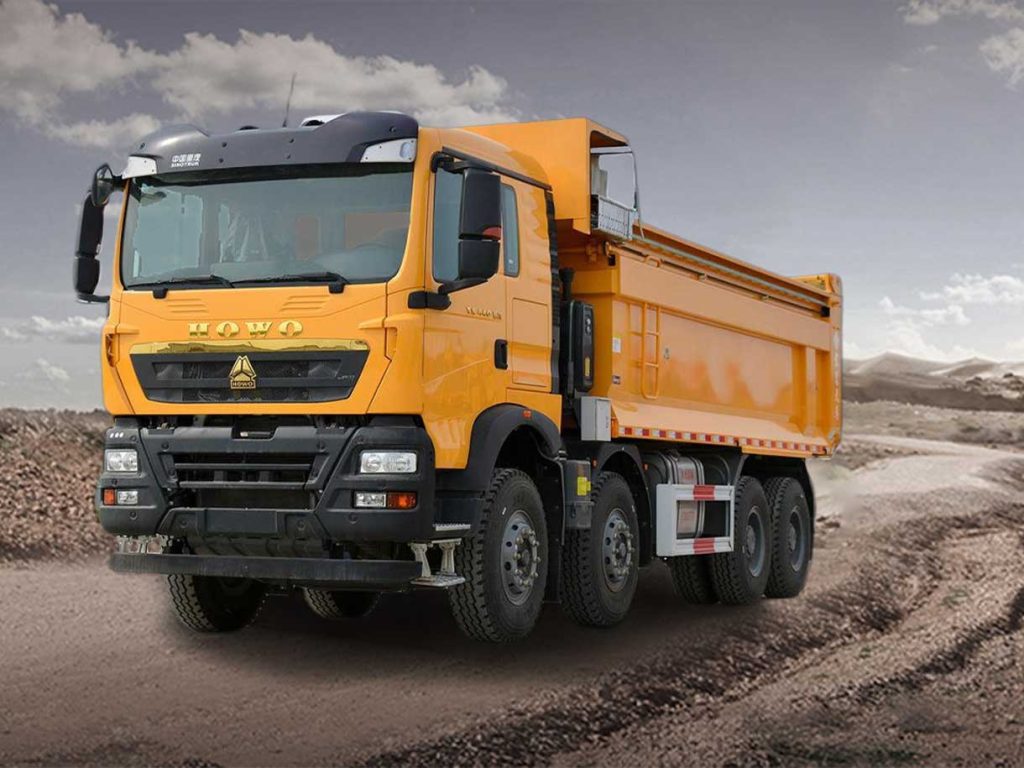
An increasing demand for heavy-duty trucks highlights this expansion. At a compound annual growth rate (CAGR) of 4.35%, the market for these cars in Africa is expected to increase from 2.85 billion in 2026 to 3.52 billion in 2031. With a noteworthy 31.02% market share, South Africa is a dominant force in this sector.
🚀 Important Growth Factors The haulage business is benefiting from a number of strong factors, including:
Trade Contracts:
The most important catalyst is the African Continental Free Trade Area (AfCFTA). It intends to increase intra-African commerce by more than 50% by establishing the largest free trade area in the world by number of nations, generating a huge opportunity for road freight.
Intra-Regional Trade Growth: In early 2025, Sub-Saharan Africa experienced the most annual growth in trade value of any region, rising by 10%. Due to $134 billion in bilateral trade, the Asia-Africa trade lane also increased by 12.4% in the first five months of 2025.
Infrastructure Investment: To increase connectivity, significant initiatives are in progress.
Corridor Development: To handle increasing freight volumes and boost efficiency, major commercial routes including the Mombasa-Kampala-Kigali route, the Maputo Corridor, and the North-South Corridor are receiving substantial investment.
The “Great Railway Race”: New rail initiatives that improve multimodal alternatives and ease the burden on roads include the US-backed Lobito Corridor and China’s Belt and Road Initiative-funded Standard Gauge Railway in Kenya.
E-commerce and Rapid Urbanization: By 2050, Africa’s urban population is expected to double. This, together with an anticipated $75 billion e-commerce sector by the end of 2025, is creating a huge demand for contemporary warehouses and effective last-mile delivery.
⚠️ Significant Obstacles and Obstacles The sector has systemic issues that raise prices despite the optimistic forecast. Compared to approximately 6–8% in more developed nations, logistics expenses in Africa might reach 60% of a product’s final price. The main problems consist of:
Infrastructure Deficits: In sub-Saharan Africa, only around 30% of roads are paved, which results in unduly lengthy travel times. Significant delays are often caused by congestion at major ports like Mombasa and Dar es Salaam.
Ineffective Border Crossings: At some border posts, complicated customs processes and a lack of harmonization can result in delays of 48 to 72 hours, driving up demurrage and storage costs.
Disjointed Supply Chains: Inadequate coordination frequently leads to “empty miles,” in which trucks return empty-handed. The industry is beset by this inefficiency as well as inadequate asset utilization.


High Operating Costs: Transporters must deal with unstable and expensive fuel costs, a lack of qualified drivers and logistics managers, and restricted financing options for fleet upgrades.
Security Risks: Banditry, robbery, and political unrest plague routes in places like the Democratic Republic of the Congo and South Sudan, adding levels of risk and expense.
🏢 The Competitive Environment and Key Players Global behemoths and niche regional firms coexist in the market.
Leaders in Global Logistics: Multinational firms have a significant presence and frequently use subsidiaries. DHL, DSV, Kuehne + Nagel, CEVA Logistics (which now incorporates Bolloré Logistics), and GEODIS are some of these. DHL just invested €300 million in Sub-Saharan Africa, which is a significant endorsement of the region’s development.
Pan-African and Regional Powerhouses: Businesses that operate in several nations and provide integrated supply chain solutions include Unitrans Supply Chain Solutions and Imperial Logistics (South Africa).
Important National Operators:
South Africa’s rail, port, and pipeline networks are managed by the state-owned behemoth Transnet SOC Limited. With a fleet of more than 1,000 specialized vehicles, Reinhardt Transport Group (RTG) is a leader in bulk logistics, transporting more than 18 million tonnes of goods each year.
GIG Logistics (GIGL) has become a significant force in Nigerian express services and logistics.
🚚 Automobile Trends and Market Segments Africa’s heavy-duty truck market has unique traits and expansion patterns:
Category Sub-Segment Projected Growth (CAGR) for Market Share in 2025 By Vehicle Weight 26–40 Tons 41.78% No information provided40 Ton 7.16% (until 2031) Data not stated By Internal Combustion Engine (ICE) Powertrain 86.10%Unspecified data Electric (Battery-Electric)Unspecified data: 9.09% (until 2031) By Type of Truck: Rigid Trucks58.25% Unspecified data Articulated Trucks: 6.67% (until 2031) Data not supplied By Application Freight Logistics 42.86% No information provided Unspecified mining data: 7.60% (until 2031) According to the data, the industry is now dominated by diesel-powered, rigid trucks, but there is a noticeable and rapidly expanding trend toward heavier, more specialized, and alternative-fuel vehicles. This reflects the need for more effective freight logistics networks as well as the growing demand in mining for the transportation of bulk commodities.
📍 Important Hubs and Corridors Key infrastructure is the focal point of logistics activity:
The Port of Durban is the main entry point for South Africa and its landlocked neighbors. It is Africa’s busiest container terminal, processing more than 3 million TEUs a year.
The Maputo Corridor: As minerals are progressively diverted to the port of Maputo in Mozambique, there has been a “significant increase in volumes” along this route.
The North-South Corridor, a crucial economic route that connects Durban to the Democratic Republic of the Congo and beyond, is severely strained as a result of rising demand.
💡 Innovation and Technology in the Future Long-standing inefficiencies are starting to be addressed by a surge of digital innovation:
Digital freight matching: In order to minimize empty miles and improve routing, platforms such as CargoLink in Tanzania and truQ in Nigeria are functioning as “Uber for trucks,” linking shippers and transporters.
AI and Data Integration: AI is being used to design routes, expedite customs paperwork, and offer real-time supply chain visibility, all of which contribute to significant cost savings.
Smart Border Management: Transit times are being significantly shortened by technologies like geofencing and paperless systems (like the one in Rwanda, which reduced import clearance from five days to less than twenty-four hours).
💰 An Appeal for More Investment Investment in the industry is highly sought after. Major players’ trust in the future of African logistics is demonstrated by the €300 million investment made by the DHL Group. Startups like Shiprazor in South Africa, which just secured $2.65 million to improve e-commerce logistics, are also drawing funding. The development of corridors, specialized cold-chain and healthcare logistics, and cross-border digital platforms are the main areas for future expansion.
🔭 Prospects for the Future: A Market at a Crossroads The transportation market in Africa is at a critical juncture. With the AfCFTA, infrastructure initiatives, and growing demand setting the stage for a logistical revolution, the potential is enormous. Nonetheless, fragmentation, bureaucratic hold-ups, and inadequate infrastructure continue to be significant barriers. The strategic alliances, technological adoption, and focused investments that can effectively overcome these obstacles to unleash the continent’s enormous economic potential will probably define the future.