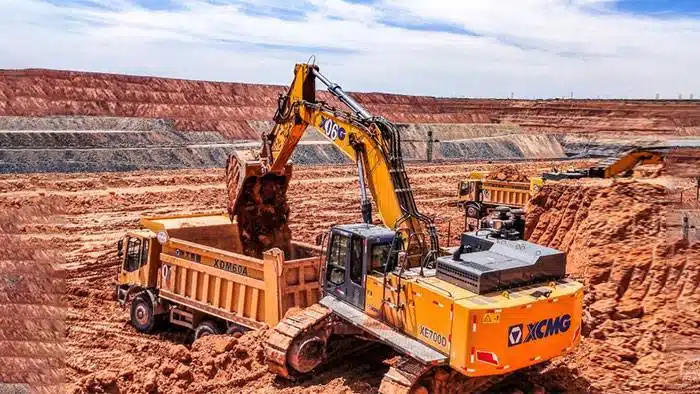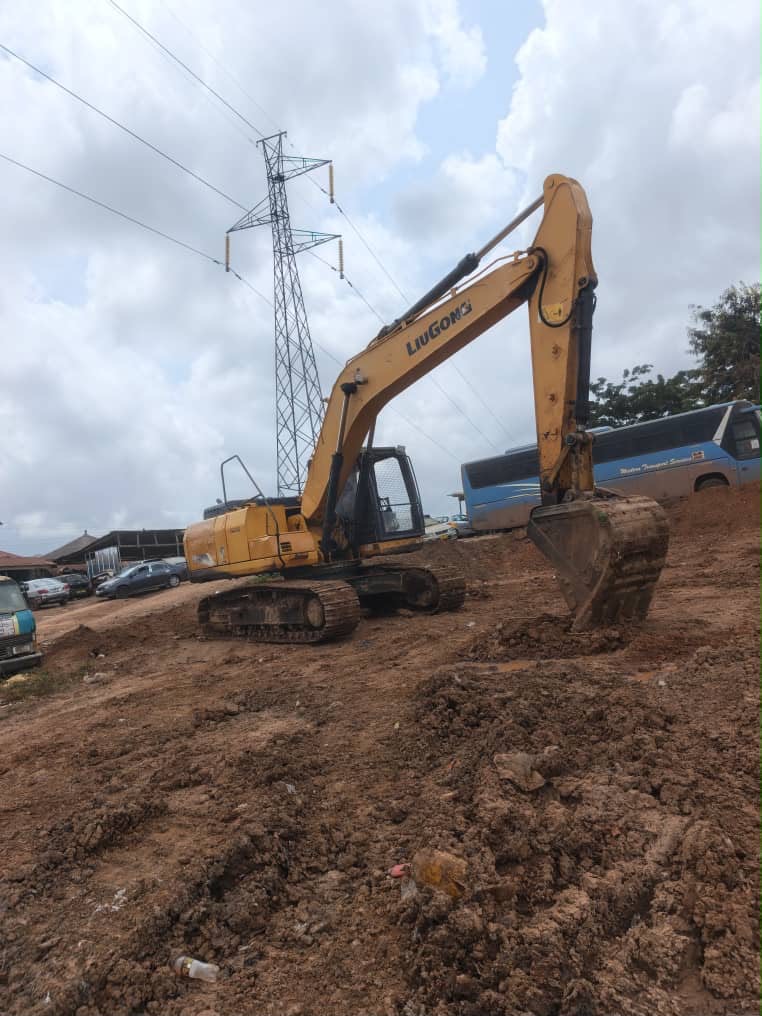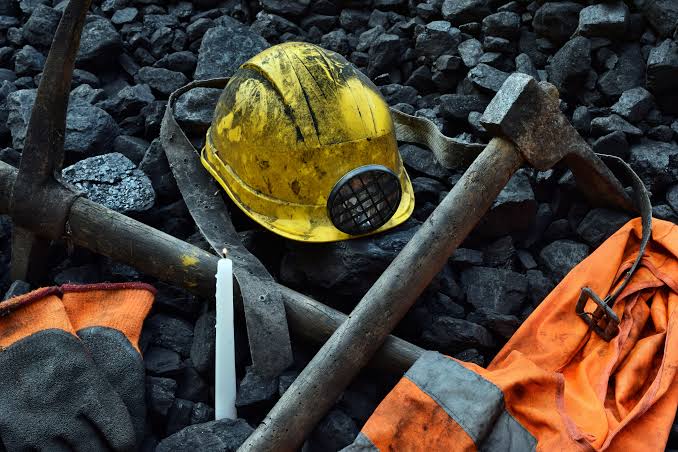

Mining, extensive infrastructure projects, and urbanization are the main drivers of the African dump truck market, which is a vibrant sector of the continent’s commercial vehicle industry. It includes anything from large articulated dump trucks (ADTs) for open-pit mines to stiff on-highway tipping trucks for construction.
This is a thorough summary of the market’s drivers, major participants, and future prospects.
- Market Size and Growth Estimates indicate that the African dump truck market (new units) is worth $400–600 million yearly, with unit sales in the range of 5,000–8,000 new trucks per year when small 4×2 tippers are excluded. However, exact data for the entire continent is fragmented.
Growth Rate: Between 2024 and 2030, the market is expected to expand at a CAGR of 4-6%, surpassing many established markets.
The Used Truck Market: This is a sizable side market. Every year, thousands of secondhand dump trucks are imported from the Middle East, Europe, and Japan, essentially tripling the market’s unit volume at a far lower dollar value.
- Important Factors Influencing Demand A) Mining the biggest motivator, especially for ADTs (25–60 tonnes) and heavy-duty rigid dump trucks (60–100+ tonnes).
Southern Africa: Botswana’s diamonds; Zambia and the Democratic Republic of the Congo’s copper-cobalt belt; South Africa’s coal, platinum, and manganese mines.
West Africa: bauxite in Guinea; iron ore in Sierra Leone and Guinea; gold in Ghana, Mali, and Burkina Faso.
East Africa: Tanzania has gold, Mozambique has graphite.
Mines frequently favor sturdy, easy-to-maintain ADTs and rigid trucks made by companies with a comprehensive local support system.
B) Construction & Infrastructure There is a consistent need for 6×4 and 8×4 rigid dump trucks (15–40 tonnes) due to significant national and international infrastructure projects:
North Africa: Port growth, road networks, and Egypt’s New Administrative Capital.
East Africa: LAPSSET corridor projects, hydroelectric dams (such as Ethiopia’s GERD), and Standard Gauge Railway (SGR) extensions.
West Africa: urban mass transit, new ports (like Nigeria’s Lekki Deep Sea Port), and the highway corridor between Abidjan and Lagos.
Asian producers of lighter, more adaptable tippers are usually needed for these projects.
C) Quarrying and Urbanization The need for aggregates, sand, and stone is always increasing because to rapid urban growth. This serves a market of smaller, frequently owner-operated, and extremely price-sensitive 4×2 and 6×4 tippers.
- Market Segmentation by Region Primary Demand Dominant Type of TruckImportant Notes Mining, infrastructure, heavy rigid dumpers, ADTs, and 8×4 tippers in Southern AfricaSA has the most developed market and stringent safety and pollution regulations. robust networks of dealers. Roads, ports, 6×4 tippers, ADTs, gold and iron ore mining, and used imports in West AfricaPrice-driven, mostly dependent on European old trucks, with a significant Chinese presence. Infrastructure in East Africa, certain mining 6×4 and 8×4 tippers, and imports from JapanUsed Fuso, Isuzu, and Chinese brands dominate this competitive market. North Africa: 6×4 and 8×4 tippers; construction, cement, and phosphate mining; local assembly (Egypt, Morocco) and European brands (Renault, Volvo). Road construction, 6×4 tippers, ADTs, Central Africa, copper and cobalt, logistics issues, demand connected to commodity prices, and Chinese Belt and Road projects.
- The Competitive Environment Traditional European and American OEMs, ambitious Chinese manufacturers, and well-established Japanese businesses compete in this three-way market.
A) Heavy construction and mining articulated dump trucks
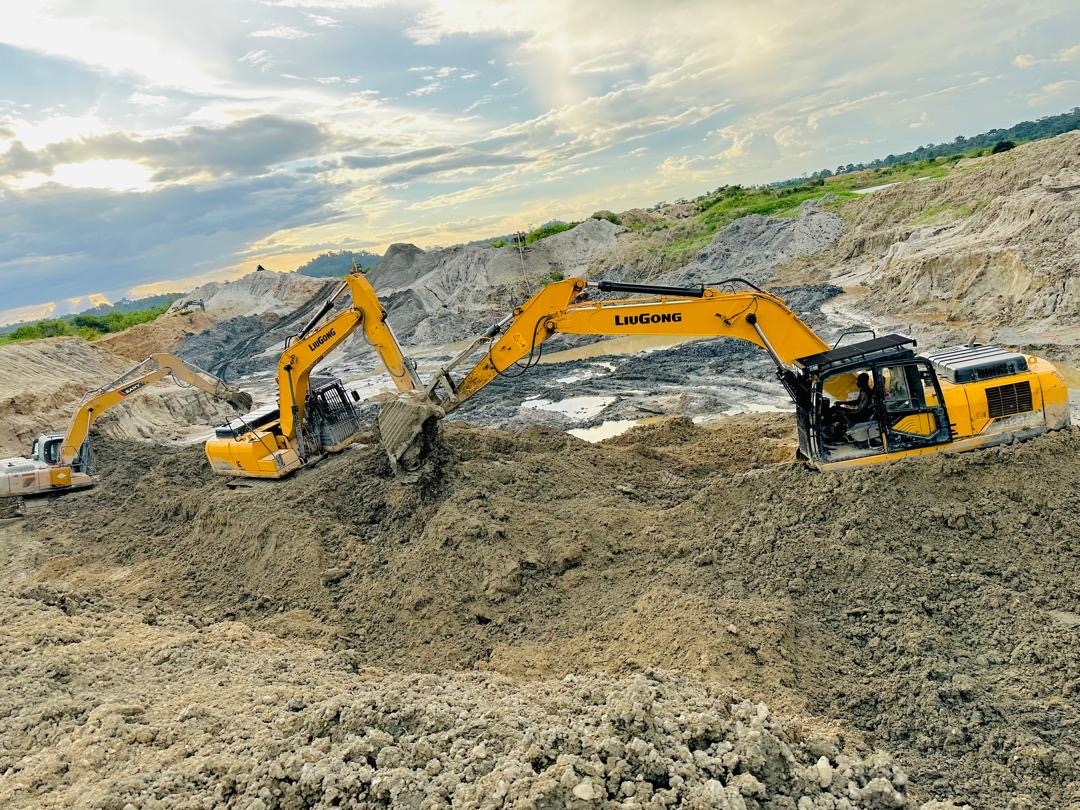
Bell Equipment (South Africa) is a significant domestic success story and the world leader in ADTs.
Strong in ADTs and large mining vehicles is Caterpillar.
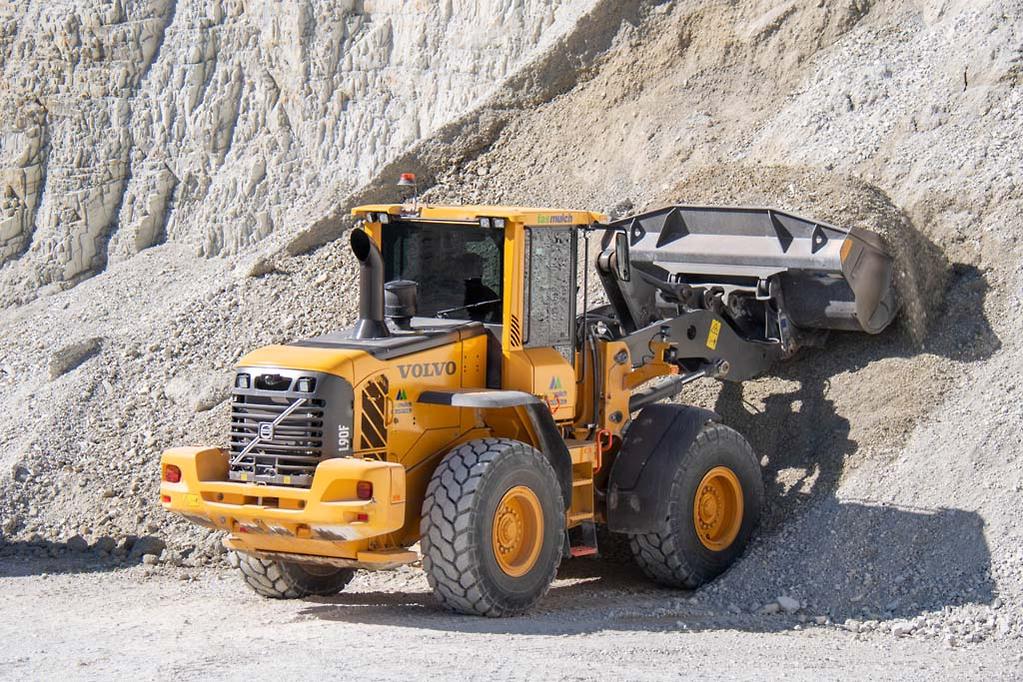
Hitachi, Komatsu, and Volvo CE All have significant dealer footprints in Southern Africa and compete in the 25–60 ton ADT market.
B) Construction/Quarrying Rigid On/Off-Highway Tipper Trucks
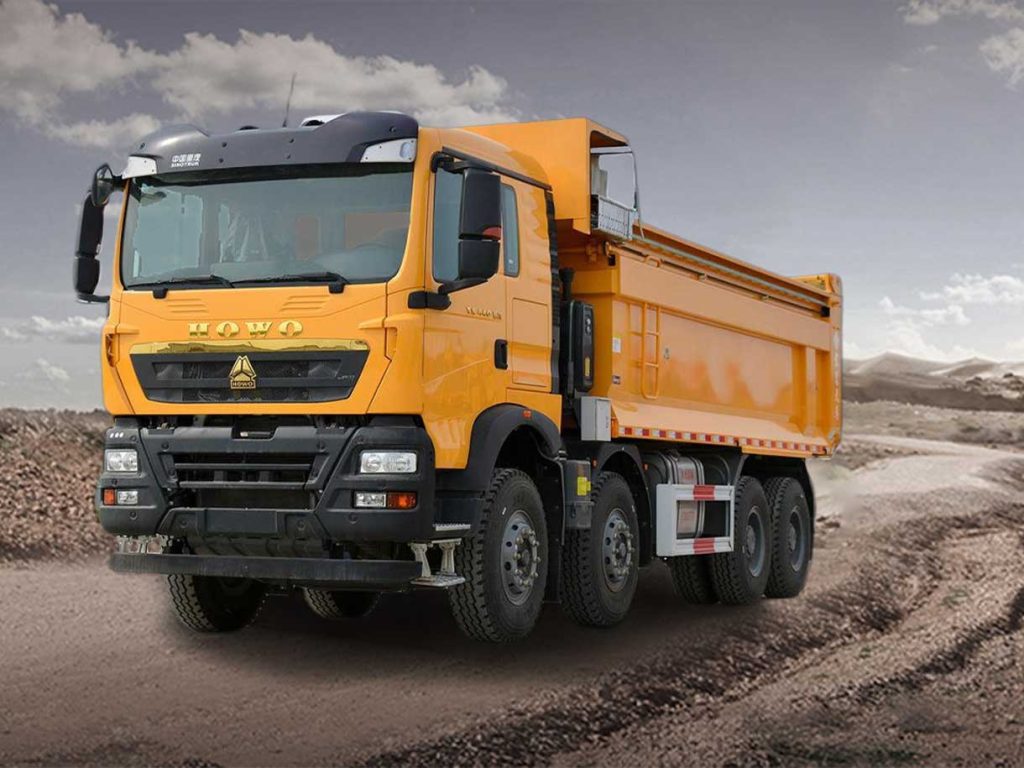
Chinese brands, including Sinotruk (HOWO), Shacman, FAW, Foton, CAMC, and XCMG, are the most popular by volume. They are expanding quickly, have very competitive prices, and flexible financing (typically supported by Chinese EXIM Bank). In West and East Africa, HOWO trucks are very common.
Isuzu, Mitsubishi Fuso, and Hino are examples of Japanese trucks. Known for dependability and fuel efficiency, they are much sought-after as both new and used imports throughout East and Southern Africa.
Indian brands include Mahindra, Tata, and Ashok Leyland. competitively priced, with an emphasis on the lighter end of the market and, depending on the location, LHD/RHD variants.
European OEMs include Mercedes-Benz, Renault, Volvo, Scania, and MAN trucks. Strong in fleet sales for big contractors, they dominate the premium market in North and Southern Africa. Strong mining rigid versions are also offered by Volvo and Scania.
- Important Market Trends Growth of Chinese OEMs: In addition to selling trucks, Chinese manufacturers are building local assembly facilities (such as Sinotruk in Nigeria, Shacman in South Africa, and Foton in Kenya) and parts warehouses, which significantly enhances after-sale support.
Local Assembly & Manufacturing: By offering tax benefits, nations like South Africa, Egypt, Morocco, Kenya, and Nigeria are encouraging local assembly (SKD/CKD), which has resulted in the establishment of assembly hubs.
Transition to On-Highway Tippers: When road conditions permit, the mining industry is gradually moving away from conventional ADTs and toward more affordable on-highway 8×4 tippers for shallow operations and overburden removal.
The market for used equipment is very significant. Used dump trucks from the Netherlands, Belgium, Germany, and Japan are heavily imported into nations like Nigeria, Ghana, and Kenya. Important distribution routes include auction sites and specialized import merchants.
Telematics and Fuel Efficiency: Telematics is increasingly being used in bigger fleet operations, particularly in South Africa, to control driver behavior and fuel usage, which is a significant operating expense.
- Difficulties and Dangers Commodity Price Volatility: Cyclical booms and busts are caused by the direct correlation between global metal prices and mining capital expenditures and expansions.
Forex Scarcity & Import Restrictions: It is often difficult to clear imported cars and parts in nations like Egypt and Nigeria due to shortages of US dollars.
Infrastructure Financing Delays: Despite the size of project pipelines, significant infrastructure projects may take a long time to close financially due to political concerns.
After-Sales Support: The large continent makes it difficult to find qualified technicians and spare parts, which might be crucial for maintaining brand loyalty.
- Prospects for the Future It is anticipated that the dump truck market in Africa will continue to grow steadily due to:
The African Continental Free Trade Area (AfCFTA) is anticipated to increase demand for transportation and logistics infrastructure as well as intra-African trade.
Energy Transition Minerals: The need for a new fleet of mine dump trucks will be driven by the need for copper, cobalt, lithium, and graphite (battery materials), especially in the Democratic Republic of the Congo, Zambia, Zimbabwe, and Ghana.
Belt and Road Initiative: As part of tied-aid packages, Chinese-made equipment will continue to be funded by Chinese projects.
In conclusion, premium brands continue to hold a stronghold in safety-critical and large-scale mining applications, but the African dump truck industry is price-sensitive, mining-led in value, and increasingly controlled by Chinese OEMs by volume. The future seems bright, but success depends on negotiating the distinct economic and regulatory environments of each nation.