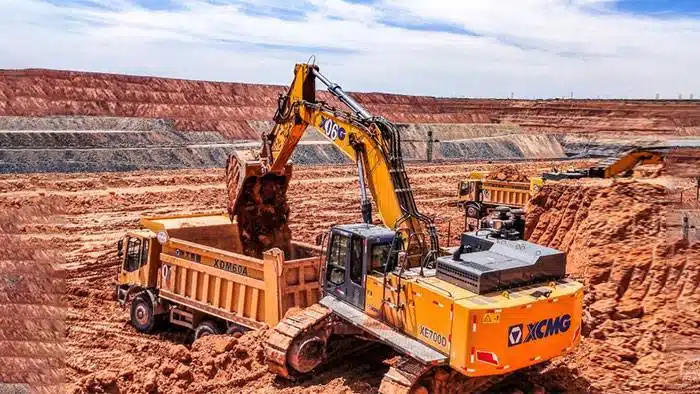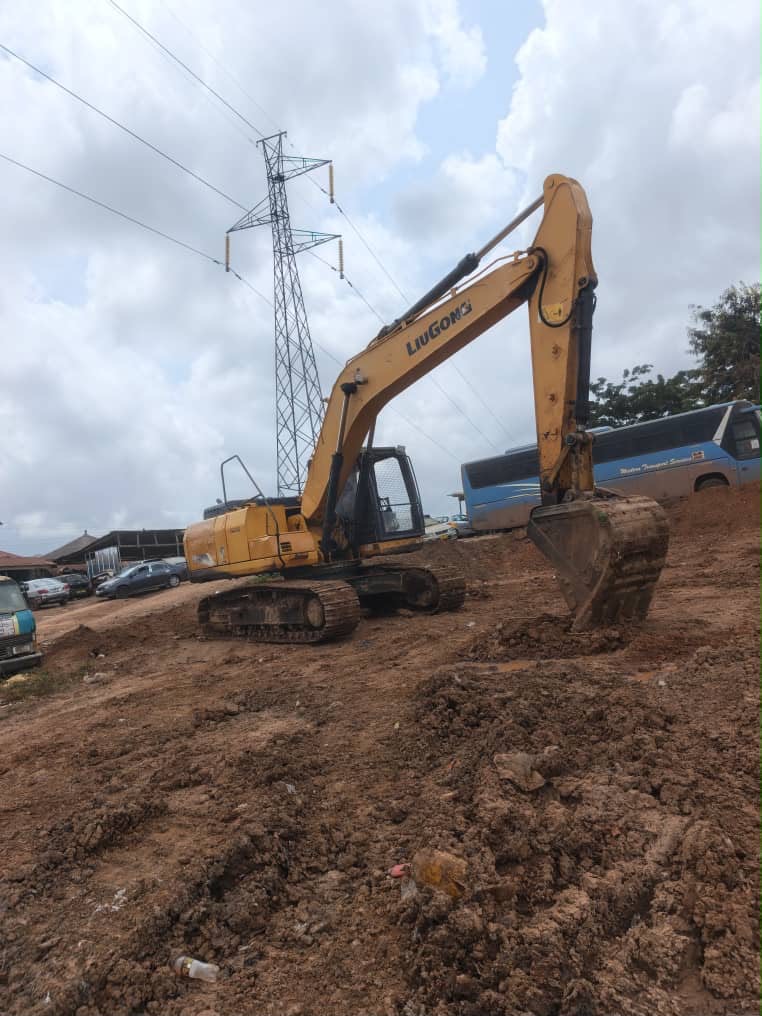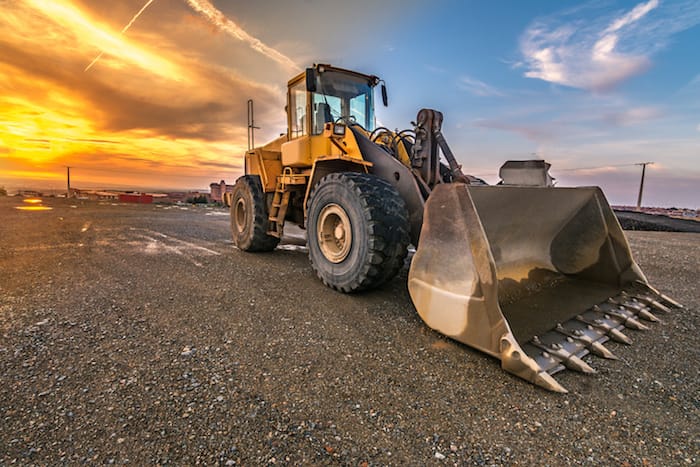
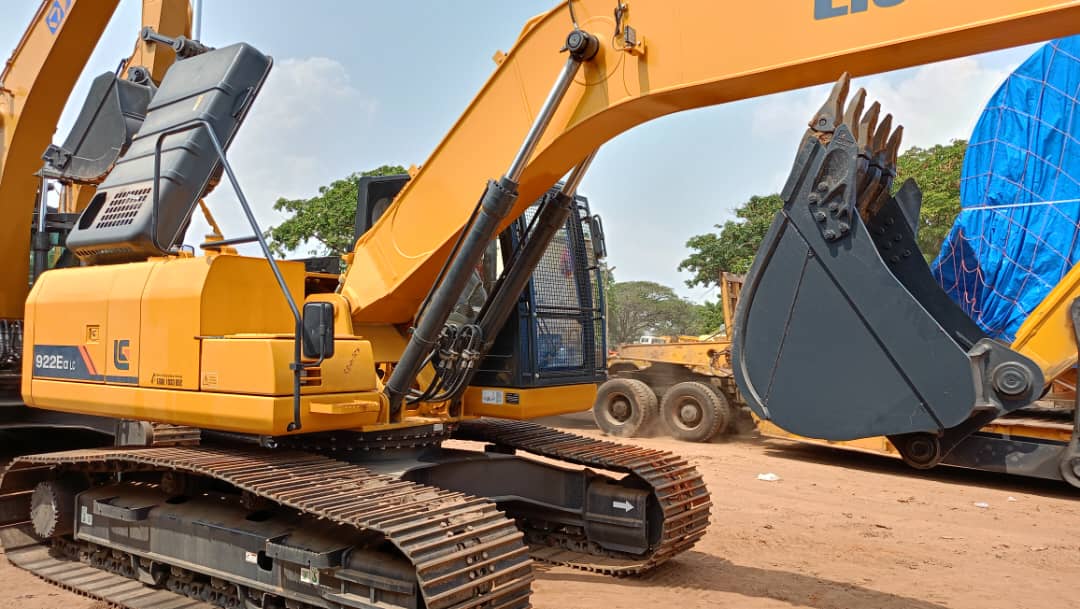
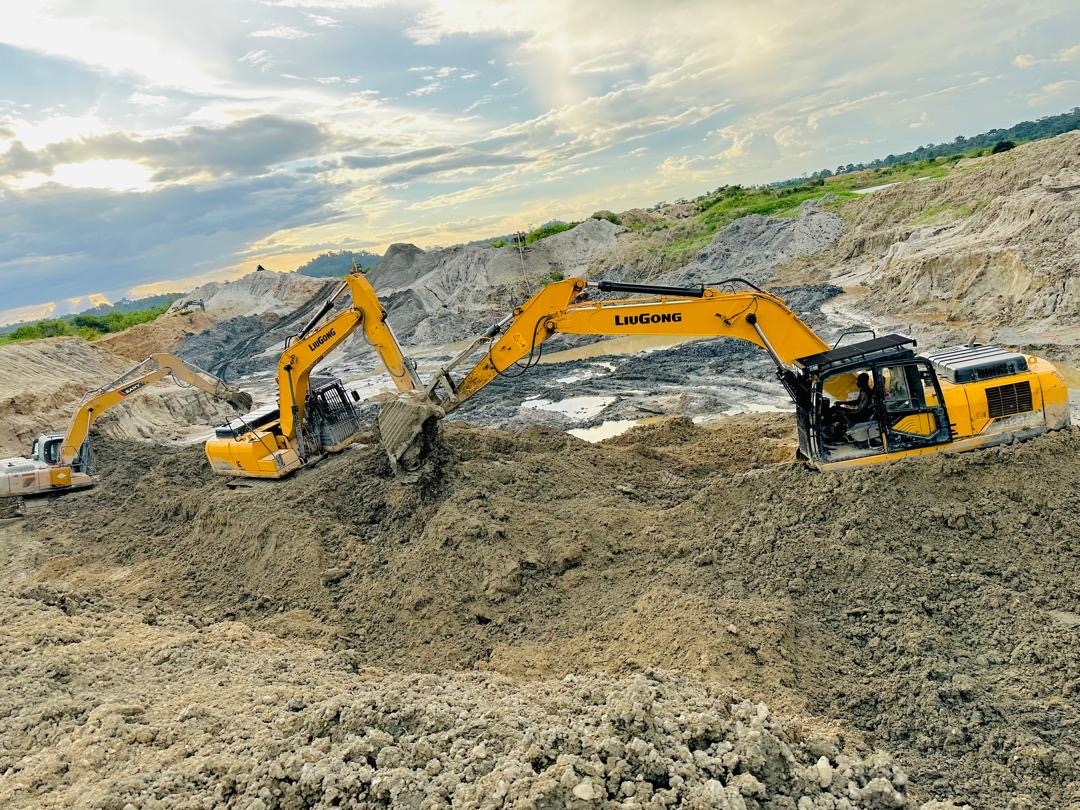
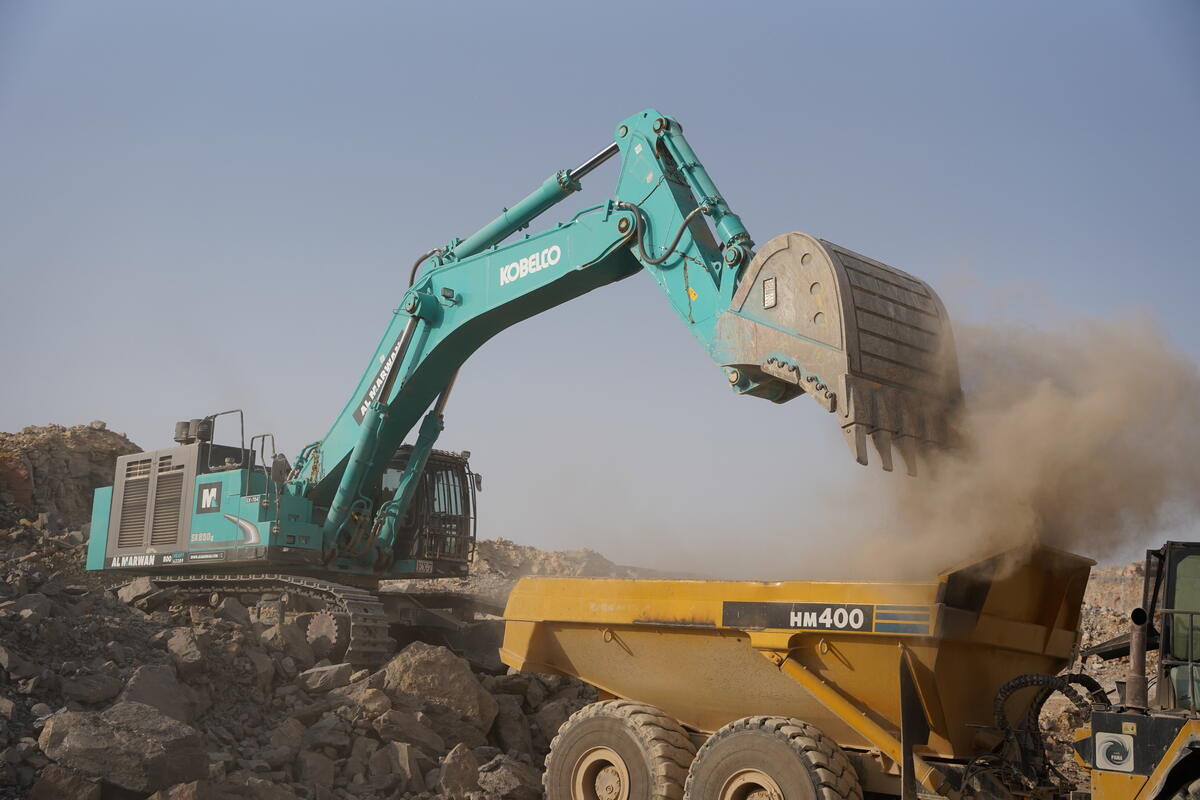
The UAE’s heavy equipment rental market is a mature, competitive, and steadily growing sector, driven by massive infrastructure spending, a strong preference for renting over ownership, and the country’s role as a regional construction and logistics hub. Here’s a detailed overview of the market landscape, key trends, and outlook as of mid-2025. 1. Market Size & Growth Market Value: Industry reports estimate the UAE heavy equipment rental market at approximately USD 1.2–1.5 billion in 2024, making it one of the largest in the Middle East. Growth Rate: The market is projected to grow at a CAGR of 4–6% through 2030, underpinned by a resilient project pipeline. Rental Penetration: Over 60–70% of heavy equipment used on UAE construction sites is rented, not owned. This is among the highest penetration rates globally, driven by the flexibility required for project-based work and the high cost of asset ownership. 2. Key Growth Drivers Construction & Infrastructure Mega-Projects: Dubai Urban Master Plan 2040 and Abu Dhabi Economic Vision 2030 are fueling billions of dollars in real estate, hospitality, and transport infrastructure. Active projects include the expansion of Al Maktoum International Airport, Etihad Rail (Stages 2 & 3), and major island developments in Abu Dhabi. Post-Expo 2020 legacy developments (Expo City Dubai) continue to generate demand. Oil & Gas Sector Resilience: ADNOC’s ongoing capacity expansion (aiming for 5 million bpd by 2027) sustains demand for cranes, generators, and earthmoving equipment in upstream and downstream facilities. Industrial & Energy Transition: Significant investments in solar parks (Mohammed bin Rashid Al Maktoum Solar Park), nuclear (Barakah plant operation), and waste-to-energy plants require specialized lifting and material handling equipment. Shift from Ownership to Rental: Contractors prefer Opex-based rental models to preserve capital, reduce maintenance liabilities, and quickly scale fleets up or down. Long-term rental contracts (12–60 months) with maintenance included are becoming the norm for major projects. 3. Market Segmentation By Equipment Type (demand share): Segment Typical Equipment Demand Characteristics Earthmoving Excavators, backhoes, wheel loaders, graders, bulldozers Largest segment by volume; core demand from construction and infrastructure. Material Handling & Cranes Mobile cranes, tower cranes, telehandlers, forklifts High-value segment; crane demand is a barometer for high-rise and industrial projects. Concrete Equipment Concrete pumps, batching plants, transit mixers Tied closely to real estate and large-scale structural work. Power & Air Generators (diesel & gas), air compressors, lighting towers Cross-industry demand; power rental spikes during summer peak loads and events. Access Equipment Scissor lifts, boom lifts (articulated/telescopic) Driven by MRO (maintenance, repair, operations) and finishing phases of construction. By End-User: Construction & Real Estate: ~60–65% of demand. Oil & Gas / Petrochemicals: ~20%. Industrial, Logistics, Events & Utilities: Balance. By Rental Model: Wet Lease (Operator + Fuel + Maintenance): Dominant for cranes and specialized machinery, especially in oil & gas. Dry Lease (Equipment Only): Common for standard earthmoving and access equipment where contractors have in-house operators. 4. Competitive Landscape The market is fragmented, with a mix of large international rental houses, regional powerhouses, and local players. Key Players (Category Leaders): Mohamed Abdulrahman Al-Bahar – Exclusive Caterpillar dealer for UAE, Kuwait, Oman, Qatar, and Bahrain. Dominant in earthmoving and power generation via its massive rental fleet and strong aftermarket support. Al-Futtaim Auto & Machinery (FAMCO) – Major multi-franchise distributor and rental provider (Volvo CE, SDLG, Merlo, etc.). Strong fleet, extensive branch network. Byrne Equipment Rental – One of the region’s largest pure-play rental companies, covering a wide spectrum from access and earthmoving to temporary power and accommodation. United Equipment Group (part of Al Masaood) – Heavy earthmoving and crane rental, strong Abu Dhabi presence. Rapid Access – The GCC’s largest specialist access equipment rental firm (boom lifts, scissor lifts). Aggreko – Market leader in temporary power and temperature control rental, heavily tied to oil & gas and events. Johnson Arabia – Major crane rental fleet, including high-capacity mobile and crawler cranes. Competitive Factors: Fleet size and age, geographic coverage, 24/7 maintenance response, operator competency (for wet leases), and access to OEM-backed parts. 5. Key Trends Shaping the Market Digitization & Telematics: Large rental fleets are increasingly equipped with GPS tracking, fuel monitoring, and remote diagnostics. Data-driven fleet management is used to improve utilization rates, predictive maintenance, and customer reporting. Sustainability & Green Equipment: Early but growing demand for electric and hybrid equipment (e.g., electric mini-excavators, hybrid boom lifts), especially for indoor projects, Expo City, and projects with strict environmental mandates. Solar-diesel hybrid generators are gaining traction. Consolidation: The market is seeing gradual consolidation as major players acquire smaller fleets to gain scale, broaden product lines, and enter new emirates. Long-Term Fleet Agreements: Key contractors are moving toward annual rate contracts (ARCs) for core equipment, providing rental companies with stable revenue and better fleet planning. Saudi Arabia Spillover: UAE-based rental companies are increasingly positioning themselves to export or sub-rent fleets into Saudi Arabia’s giga-project boom (NEOM, Red Sea, Qiddiya), leveraging the UAE’s logistical advantages and large available fleet pool. 6. Challenges Oversupply & Price Competition: Low barriers to entry in the 20–40 tonne excavator and standard access segment lead to price wars, particularly from smaller, less asset-intensive renters with older machines. Payment Delays: Extended payment cycles (90–180 days) from contractors put pressure on rental companies’ working capital. Equipment Imports & Registration: While the UAE is relatively open, compliance with UAE fire and safety standards, GCC certifications, and road permits for over-dimensional mobile crane moves adds administrative complexity. Oil Price Sensitivity: Although diversification has reduced direct correlation, a sustained oil price downturn would still dampen project starts, particularly in Abu Dhabi’s energy sector. 7. Regulatory Environment Equipment must meet UAE’s stringent safety and emissions standards (largely aligned with EU/US norms). Mobile cranes require road permits from the RTA (Dubai), DoT (Abu Dhabi), and equivalent authorities for inter-emirate movement. Free zones (JAFZA, KIZAD) offer tax-efficient structures for holding large rental fleets, which many international players utilize. 8. Future Outlook (2025–2030) The market outlook remains positive: The next wave of infrastructure (Dubai Metro expansion, coastal developments, national housing programs) and Abu Dhabi’s upstream industrial plans will sustain demand. Rental will continue to gain share as construction cycles shorten and technology refreshes accelerate. Digital platforms for on-demand equipment rental (similar to “Uber for construction”) are beginning to emerge but remain a small niche within the B2B-heavy market. For suppliers and investors, the key success factors are moving toward specialization (high-capacity cranes, oil-free compressors, electric equipment), superior fleet availability, and integrated service solutions that go beyond just providing the asset.