
In Africa, hydraulic wheel loaders are the mainstays of mining, quarrying, construction, and agriculture. They are crucial for large-scale farming, extractive industries, and infrastructure projects because of their capacity to swiftly transport heavy loads over difficult terrain.
This is a useful summary of the hydraulic wheel loader market in Africa, including what is available, what to look for, and how to use it effectively.
- Typical Uses in Africa Construction and Infrastructure: Backfilling, site clearance, loading trucks with sand, gravel, and crushed stone.
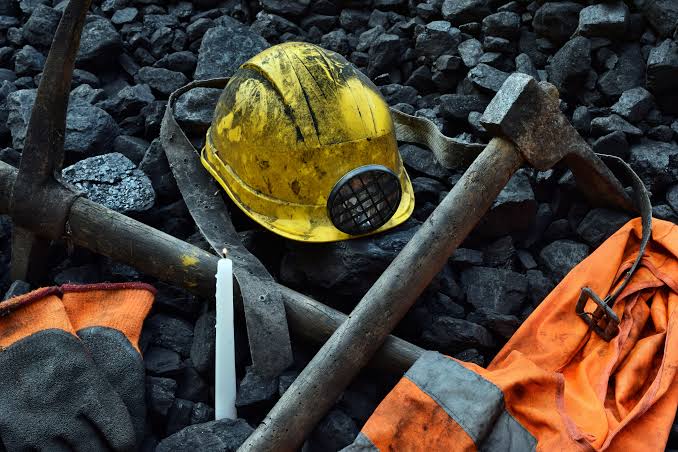
Mining and quarrying: Heavy-duty stockpile management; loading blasted rock, coal, copper ore, gold-bearing ore, or aggregates.
Agriculture: Managing silage, compost, fertilizer, and grain on huge commercial farms and cooperatives.
Clearing brush, moving wood chips, and managing garbage at landfills are examples of waste and forestry.
Bulk items like clinker, grain, or minerals are loaded and unloaded in port and logistics.
- Well-known Models and Brands The market is roughly divided into high-end international brands and powerful Chinese and Indian rivals who have made significant inroads because of their low prices and easy availability to parts.
Premium brands are more expensive, more durable, and have cutting-edge technology.
Caterpillar: 950, 966, and 980 series; extensively utilized in significant projects and larger mines; robust dealer networks (e.g., Barloworld in southern Africa).
Komatsu’s WA380, WA470, and WA500 are well-liked in the mining industry and have superior hydraulics and fuel economy.
Strong in quarries, the Volvo CE L120, L150, and L180 are renowned for their fuel efficiency and operator comfort.
Compact and mid-size JCB models 407, 427, and 437 are well-liked in East Africa, and local dealers provide strong parts support.
Case & Hyundai: Growing in popularity because to its dependability and affordable prices, particularly in West and North Africa.
Chinese and Indian brands that are more accessible, more reasonably priced, and of higher quality
SDLG (acquired by Volvo): L953, L956, L958—possibly the most well-liked Chinese wheel loader in Africa—has a straightforward, durable design and good parts availability.
XCMG: ZL50GN, LW500—used extensively in large-scale infrastructure (roads, dams, railroads), frequently supplied with projects funded by China.
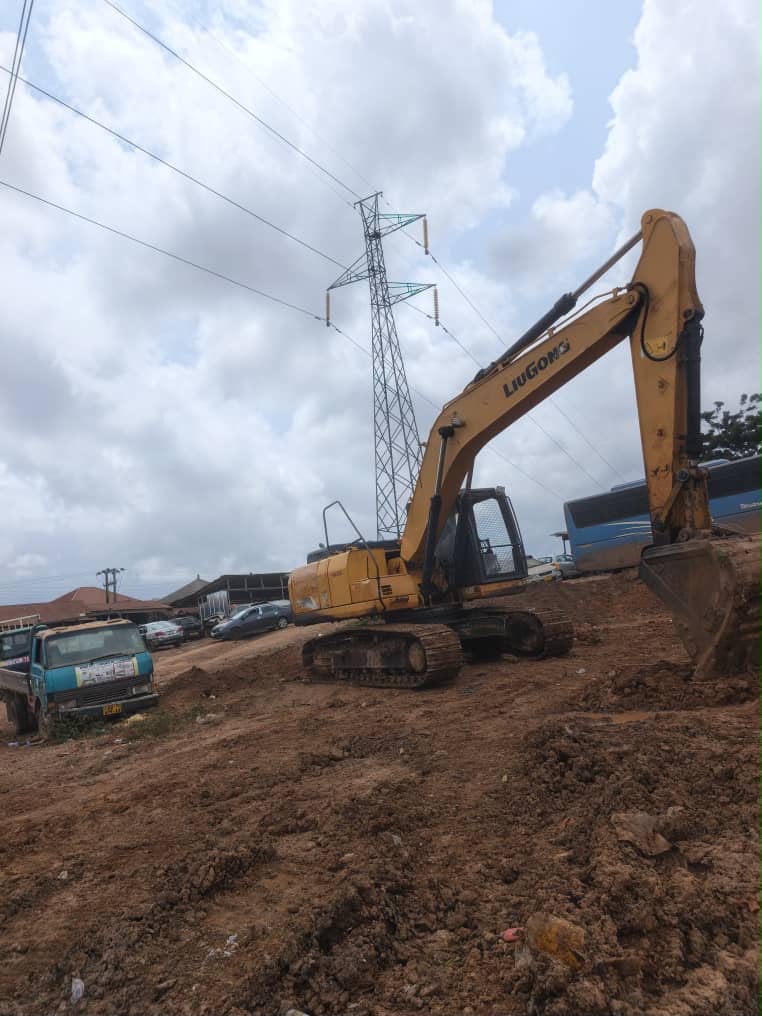
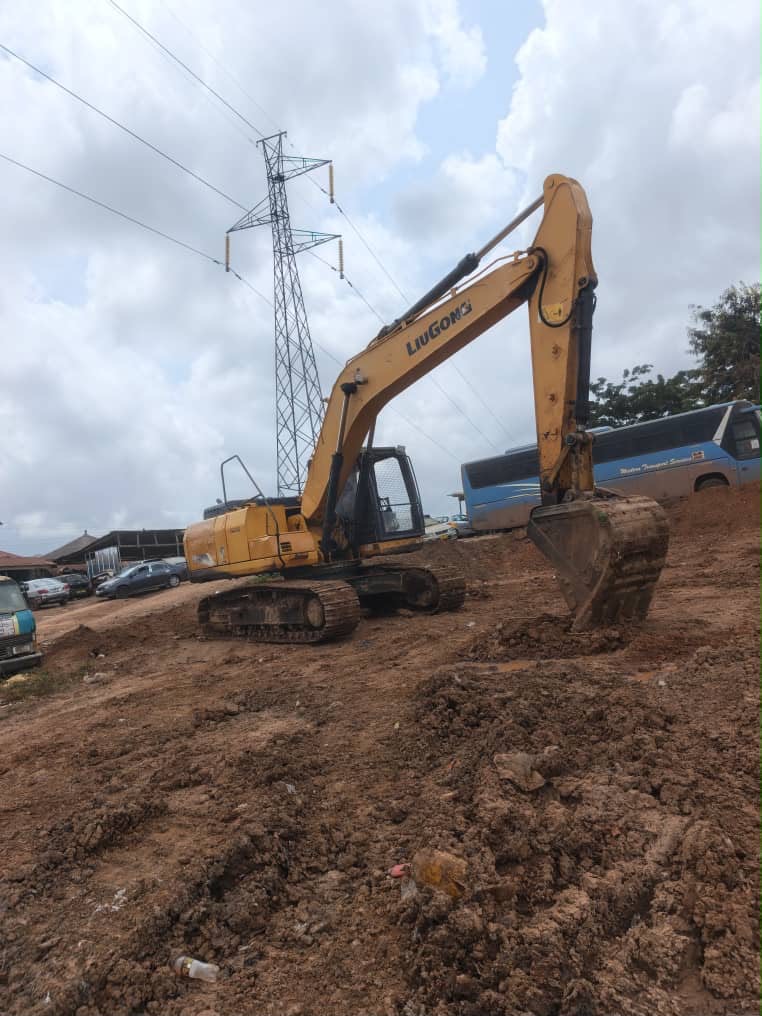
LiuGong: 835, 856H: robust mining and building boom, respectable local assembly in certain African nations.
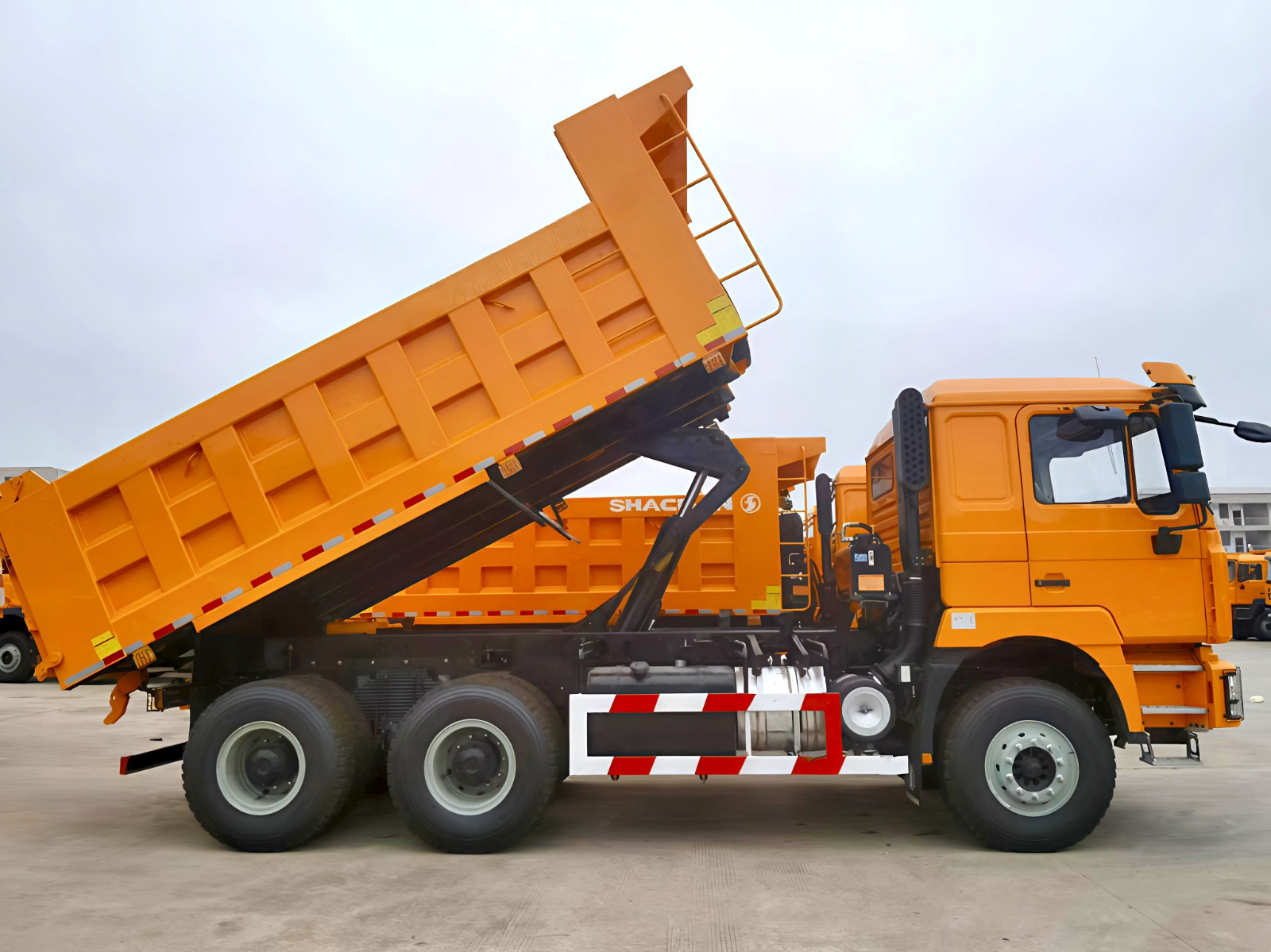
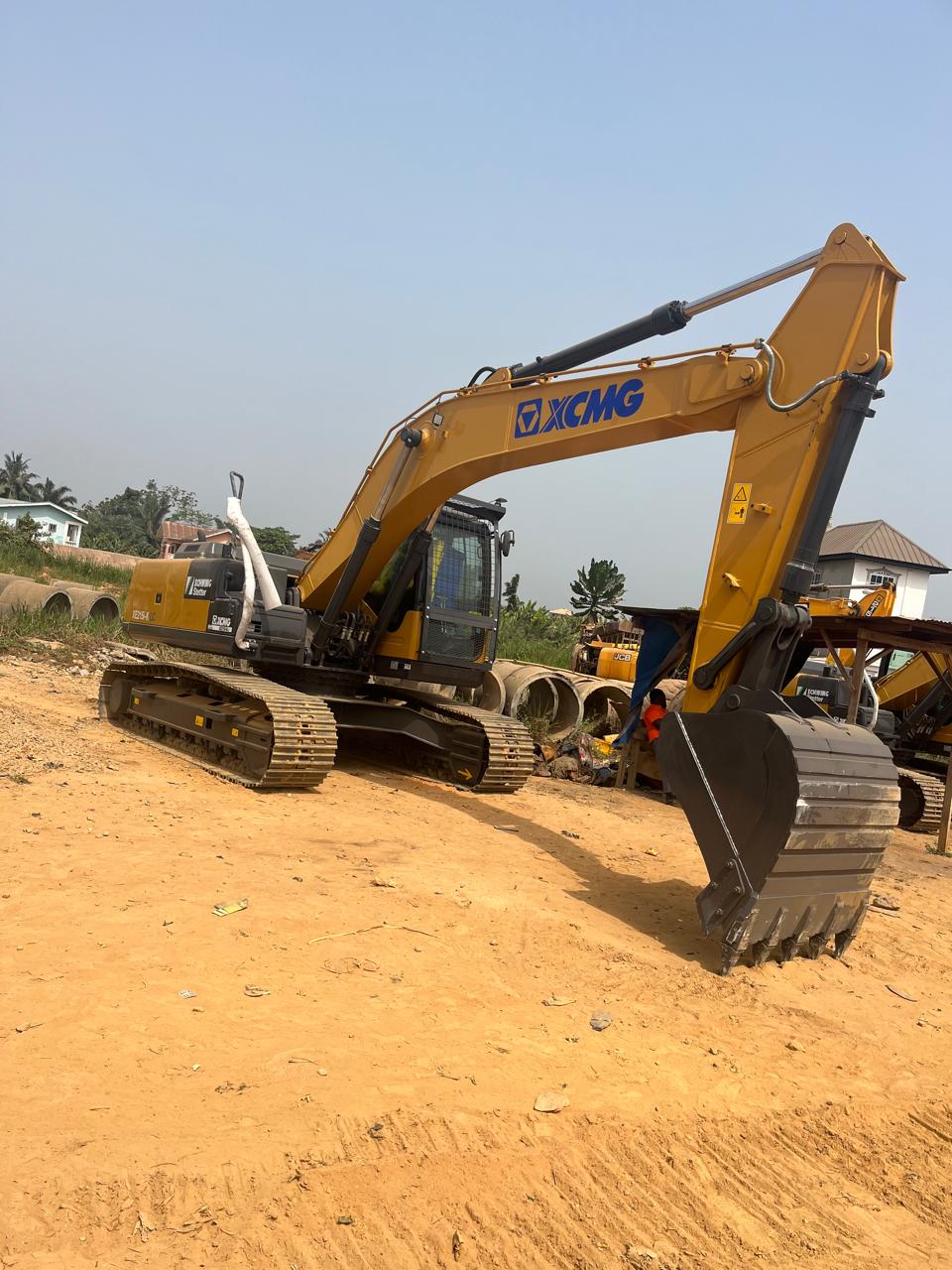
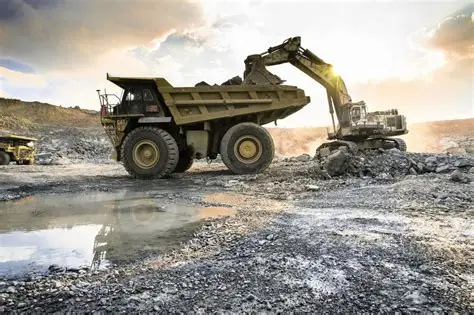
SANY: Due to aggressive dealer expansion, SW405 and SW505 are becoming more prevalent in West and Central Africa.
ACE (India): AF50, AF60; increasingly popular in East Africa; quite affordable for light construction and agricultural.
- Important Things to Think About When Doing Business in Africa Extreme operating circumstances are possible. Consider these when choosing a machine and scheduling maintenance:
Dust and Filtration: Dust from deserts or quarries quickly clogs single-stage air filters. In dusty settings, always specify a turbine pre-cleaner or high-capacity dual-element filtration and service it every day.
Heat and Cooling: The outside temperature frequently rises above 40°C. The loader needs a reversible fan (or manual cleaning access), hydraulic oil cooler, and radiator that is the right size. One of the main reasons for downtime is overheating.
Fuel Quality: Fuel may be contaminated or unclean. Purchase a high-quality water separator and secondary fuel filter, and construct a safe, filtration-equipped on-site fuel storage facility.
Terrain & Tyres: Standard L3 tyres are rapidly worn down by rocky, sharp, or muddy terrain. For quarry faces, use L5 solid-smooth or deep-tread tires; for general construction, use L4 tires; radial tires might lessen heat accumulation during lengthy transport trips. In sharp rock mining, chain protection is crucial.
Operator Skill: Formal training is lacking in many local operators. Unless you have outstanding technical support, simpler mechanical controls and modest electronic emissions systems (similar to Tier 2/3) typically outlast more complicated Tier 4 Final engines.
Support for services and parts is frequently more crucial than the brand itself. Select a machine that is supported by a local dealer who has a real parts warehouse rather than just a sales office. A project’s budget might be destroyed by downtime while awaiting air-freighted parts.
- Used vs. New Market New Machines: Typical import for large mines, state projects, and contractors with access to asset finance. The “new affordable” market is dominated by Chinese brands (for example, a 5-ton loader may cost 40–60% of a comparable Cat or Komatsu).
Used Imports: A huge market. In particular, Mombasa (Kenya), Dar es Salaam, Lagos, and Durban receive thousands of used loaders from Japan, Europe, and the Middle East. Checking hours, center-pin wear, hydraulic pump quality, and proof of original maintenance are all important aspects of a thorough inspection. A poorly constructed new machine can frequently be outperformed by a well-maintained Japanese 20,000-hour equipment.
Ex-China Stock: In African hubs, certain dealers store brand-new or low-hour machines for prompt delivery. This can be a quick option, but make sure the specifications are appropriate for the area (e.g., not a package intended for cold climates marketed in a tropical market).
- Highlights of the Region In Southern Africa (SA, Zambia, Botswana, DRC), there is a strong emphasis on mining and a demand for high-end goods; however, Chinese companies are expanding quickly in the coal mines and copper belt. Compared to many other areas, this one has superior access to qualified technical support.
Huge infrastructure drive in Ghana, East Africa (Kenya, Tanzania, Uganda, Ethiopia). SDLG and XCMG are widely available, and local wholesalers provide high-quality parts. Smaller loaders are in high demand due to agriculture.
West Africa (Nigeria, Ghana, Côte d’Ivoire, Senegal): a combination of new Chinese machinery, used Japanese loaders, and a constant flow of European goods. Local stock is important because port delays can impact parts.
North Africa (Egypt, Algeria, Morocco): More heavily impacted by Europe, with a significant presence of Volvo, JCB, and Caterpillar in addition to increasing imports from China.
- Average Price Range (New, Indicative, Ex-Works, CIF) SDLG L933, a 3-ton loader, costs between $35,000 and $55,000.
5-ton loaders (such as the XCMG ZL50GN, Cat 950-size): around $60,000 to $120,000 (Chinese), $150,000 to $250,000+ (luxury)
Depending on configuration and attachments, a 7–8 ton mining specification (such as Cat 980 or WA470) might cost anywhere from $300,000 to $500,000 or more. Note: The real landed cost, including import duty, VAT, and local assembly, can differ significantly by country.
- Quick Operating & Purchasing Checklist Dealer: Go to the local workshop of the dealer. Are there technicians with training? Does the shelf have an authentic parts inventory?
Specifications: Is the engine a popular brand (Deutz, Weichai, or Cummins)? Can it be serviced by local mechanics?
Attachments: Verify the availability of quick couplers and buckets (rock bucket, light material bucket, forks) in your area.
What does the warranty actually cover in your country? Just parts, or both parts and labor? Major repairs are handled by whom?
Training: Since operator and maintenance training has a direct impact on equipment life, negotiate it into the purchase contract.
Telematics: High-end brands include remote monitoring, which is useful for tracking location, fuel usage, and problem codes in remote locations.