

Gold has always been an intriguing asset, but it’s more important than ever now as prices have increased by more than 60% in just 2025. Everything you need to know will be covered in this book, including the causes of its rally, the safest ways to purchase it, and the main dangers to be aware of.
🤔 Why Make Gold Investments? The Principal Advantages
It’s important to begin with the “why.” Gold should be viewed as a strategic instrument for your portfolio rather than as a quick way to become wealthy.
Gold is a classic hedge against inflation. In the past, as cash’s purchasing power decreases, its value has remained stable. The price of gold has risen more than 5,600% since 1971, significantly exceeding the 675% growth in the U.S. Consumer Price Index (CPI) during the same time frame.
A Portfolio Diversifier: Gold’s price doesn’t always move in the same direction as equities and bonds because it frequently has a poor correlation with them. To increase stability, it is generally advised to allocate 5–10% of your total portfolio to gold, possibly increasing this amount during times of extreme volatility or inflation.
A Safe Haven in Times of Turmoil: Investors frequently “flee to safety” by purchasing gold, which can serve as a shock absorber for your portfolio during geopolitical shocks (such as military conflicts) or economic disasters.
Protection Against Currency Devaluation: Gold serves as a store of value outside of the conventional banking system, providing protection against currency devaluation if you’re concerned about a declining dollar or amounts of government debt.
📈 What Influences Gold Prices?
The price of gold is not arbitrary. Numerous important market aspects have an impact.
Interest rates are perhaps the most crucial element. Because gold doesn’t pay interest, investors may opt for yield-bearing assets when interest rates are high, which would put pressure on gold prices. On the other hand, gold becomes more appealing when rate cuts are anticipated.
The US Dollar: US dollars are used to determine the price of gold. Gold becomes more affordable for investors using other currencies when the dollar declines, which tends to raise prices. The opposite is true when the dollar is strong.
Geopolitical Events and Economic Uncertainty: Pandemics, trade disputes, and crises frequently push investors into the security of gold, causing price spikes.
Central Bank Demand: To diversify their reserves away from the US dollar, central banks around the world, particularly in nations like China, have been actively purchasing gold in recent years.
🛠️ Five Crucial Ways to Invest in Gold
There isn’t just one “best” approach to invest; it all depends on your budget, risk tolerance, and goals.
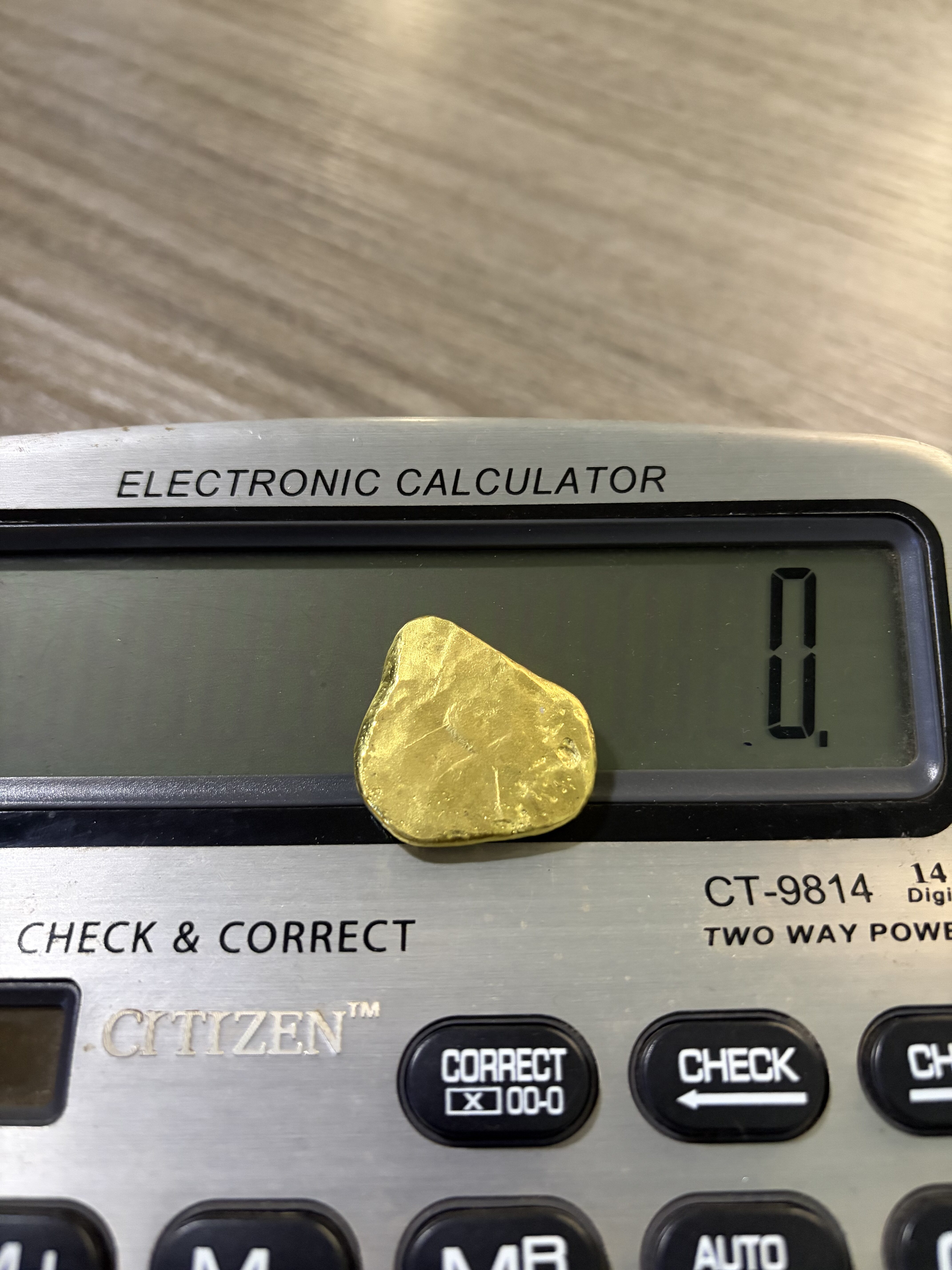
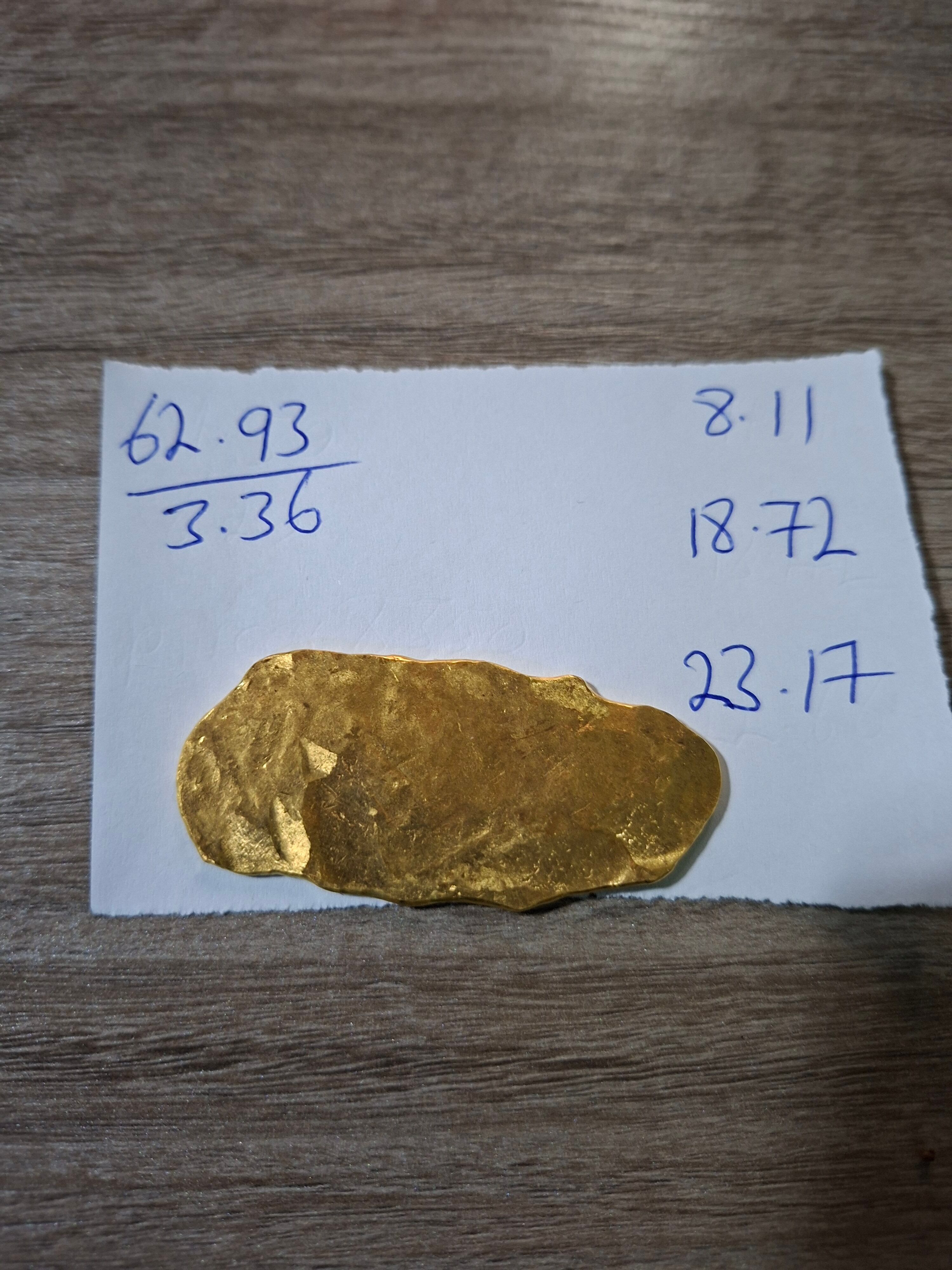
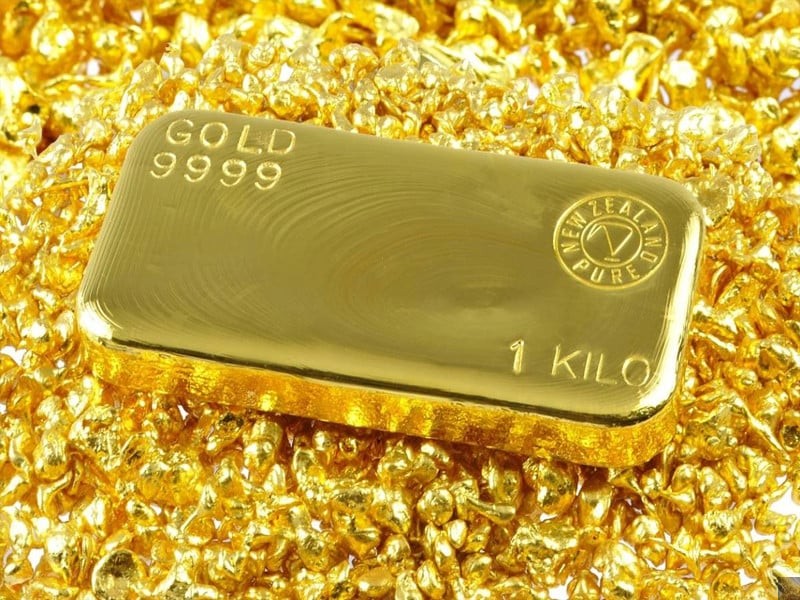
The most straightforward method of possession is through tangible gold (bars and coins).
Coins: Canadian Maple Leafs and American Gold Eagles are popular choices. Because they are easily resold and come in smaller sizes, they are frequently suggested for first-time purchasers.
Bars: Better for larger, longer-term investments because they typically have lower premiums per ounce.
Realities: You need to account for the price of insurance and safe storage (such as a bank vault or safe). In comparison to other varieties, it is also less liquid.
Gold Exchange-Traded Funds (ETFs): This is the most practical choice for the majority of investors.
How they operate: Just like ordinary shares, these are traded on stock markets. “Physical” gold ETFs are made to closely track the price of the metal and are backed by real gold that is kept in vaults.
Benefits: You may purchase them using a regular brokerage account, they are highly liquid, less expensive, and don’t require storage.
Gold Mining Stocks: Although this is an indirect investment, the risk and possible profit are larger.

How they operate: You put money into businesses that mine gold. Because of operating expenses, their profits (and hence share values) frequently have a leveraged or exaggerated link with the price of gold.
Additional hazards: In addition, miners are exposed to company-specific risks such as ineffective management, labor strikes, excessive debt, and operational failures. Investing in individual miners or a diversified ETF such as the VanEck Gold Miners ETF (GDX) are two options.
Gold Futures and Options (High Risk): These are financial derivatives that let you use leverage to make predictions about the price of gold in the future. They are complicated and pose a great danger of losing more than your initial investment, despite their enormous potential profits. It is not advised for novices.
Individual Retirement Accounts, or Gold IRAs, are self-directed retirement accounts that store actual gold or other authorized precious metals on your behalf. The tax benefits of a retirement account can be applied to gold investments, but there may be additional costs, custodian requirements, and IRS regulations about storage and purity.
🚨 Important Dangers and Difficulties
Gold carries some risk. It’s critical to comprehend the possible drawbacks.
No Passive Income: Gold doesn’t generate any cash flow, in contrast to equities (dividends) or bonds (interest). Price appreciation is the only factor that determines its value.
Price Volatility: Like any other asset, the price of gold can fluctuate greatly and be subject to significant corrections.
Speculation and Fraud Risk: Purchasing at all-time highs in order to make quick money is dangerous. Furthermore, fraud (counterfeit coins, bogus certificates) is a real threat because actual gold is exempt from securities restrictions.
Opportunity Cost: While your money is tied up in gold, which may be a stable store of value, you could miss out on higher potential returns from other assets like equities.
🎯 Market Forecast: Is This the Correct Time?
Although they are cautious, analysts are nevertheless generally optimistic about gold.
Price Forecasts: The year-end 2026 price estimates made by major financial organizations range from 5,200 to 5,200 to 6,200 per ounce.
Goldman Sachs continues to aim for $5,400 by the end of 2026.
According to Morgan Stanley, prices may increase to $5,200.
UBS is very optimistic, predicting that gold will hit $6,200.
In the second part of 2026, MKS PAMP may reach a new high of $5,800.
Experts’ Views: The prospect for rate reduction by the Federal Reserve, ongoing central bank diversification, and worries about the sustainability of the U.S. budget are still the primary long-term drivers. Many experts see any major price adjustment as a buying opportunity rather than an indication of a faltering advance, even though some see the possibility of a drop.
The Golden Rule: Gold’s main function, according to experts, is as a long-term stabilizer rather than a means of generating “supercharged” short-term gains.
💡 Useful Advice for Achievement
These basic guidelines can help you invest in gold wisely.
Time horizon: Extended. Don’t anticipate making a rapid profit by flipping it.
Use it as a diversifier when allocating your portfolio. A healthy portion of your portfolio should be between 5% and 10%.
Investment option: Select the format that works best for you. While real gold offers tangible ownership, exchange-traded funds (ETFs) offer ease.
Purchasing strategy: Steer clear of buying at record highs and pursuing the hype (this is known as FOMO). To balance the purchase price, think about making smaller purchases over time.
Step of action: Before making a purchase, conduct independent research on reliable vendors, comprehend the tax ramifications for your particular circumstances, and confirm that it aligns with your budget.
In the end, gold can be a potent and comforting component of a well-rounded investing strategy, but like any investment, it necessitates careful consideration and a clear grasp of its functio