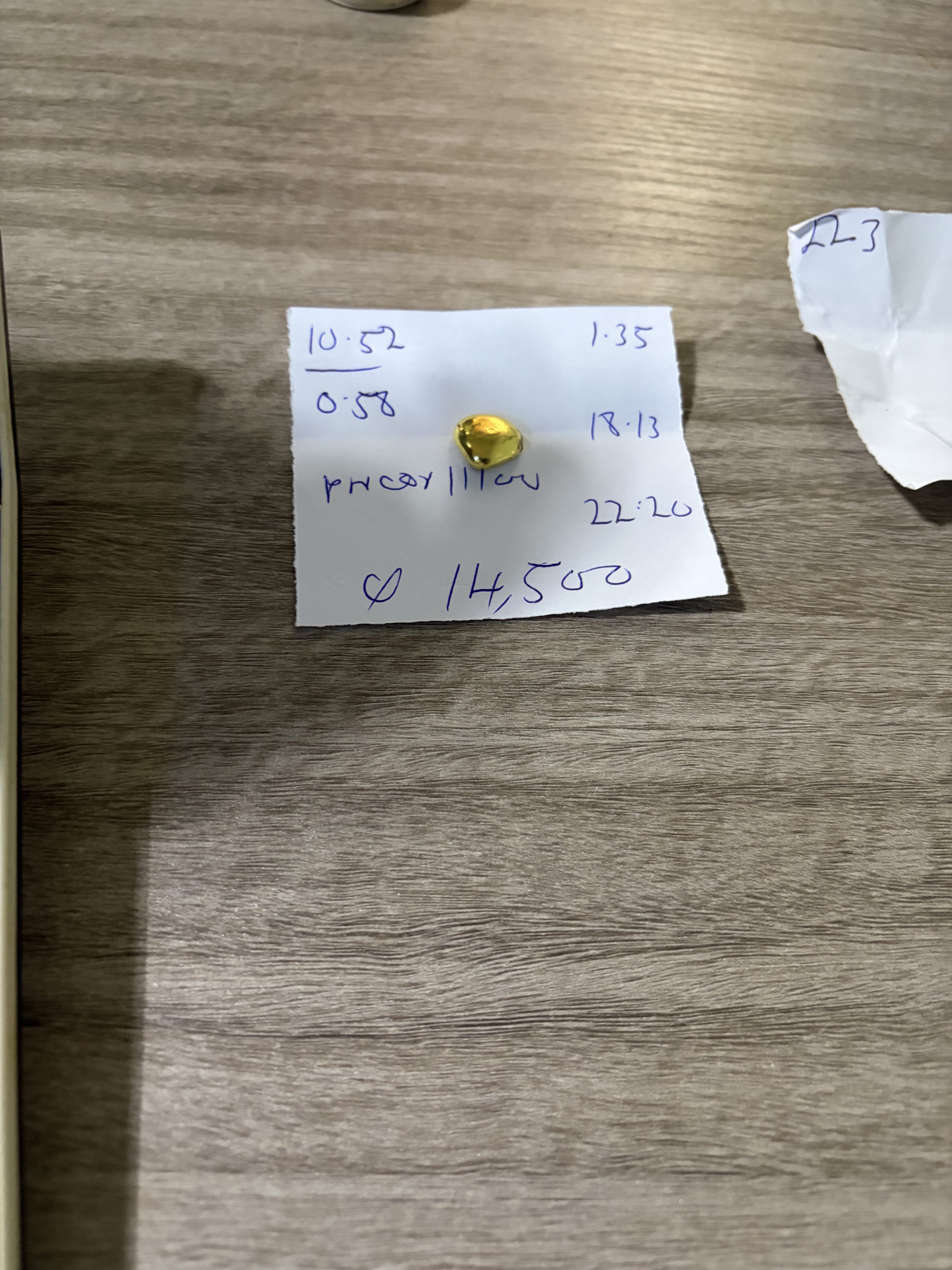

Investing in gold mining can be a strong way to obtain exposure to gold, but it comes with a different risk–reward profile than simply buying real metal. Before making a financial commitment, each investor should be aware of the following.
- The Main Ways to Invest in Gold Mining a) Individual mining stocks
Majors (e.g., Newmont, Barrick, Agnico Eagle): Large, established producers with several mines, strong balance sheets, and often pay dividends.
Mid-tiers: Growing producers with production between around 200k–1M ounces per year, balancing growth and risk.
Juniors/Explorers: Typically pre-revenue enterprises seeking for or establishing a deposit. Very high risk, yet can provide outsized gains if they make a breakthrough discovery.
b) Gold-focused ETFs
Producer ETFs (e.g., GDX – large caps, GDXJ – juniors): Instant diversification across numerous miners.
Royalty/streaming ETFs or specific royalty businesses (e.g., Franco-Nevada, Wheaton Precious Metals): These provide cash to miners in exchange for a portion of future production at a fixed, low price. They bear less operational risk and have significant profits.
c) Physical gold vs. miners Miners act as a leveraged play on the gold price. If gold rises 10%, a well-run miner’s share price might jump 20–30% since their profit margins expand significantly. It is also true in reverse.
- Important Factors Affecting a Miner’s Value (What to Examine) Don’t only consider the price of gold when choosing particular equities. Pay attention to:
The most crucial metric is the All-in Sustaining Cost (AISC). It calculates the total cost of producing one ounce of gold, taking into account corporate overhead, sustaining capital, and mine-site expenses. Higher margins and resilience in the event of a gold dip are associated with a lower AISC. Examine AISC among peers.
Resources & Reserves:
Proven & Probable Reserves: Gold that is now economically mineable.
Measured, Indicated, and Inferred Resources: Show upward exploration but lower confidence. A company’s reserve life (reserves ÷ yearly production) informs you how long they can sustain output without new discoveries.
Jurisdiction (Country risk): A mine in Nevada or Canada is significantly less risky than one in a geopolitically unstable region. Expropriation, strikes, changes in royalty, or civil turmoil can impair even superior deposits. Verify the whereabouts of the mines and projects at all times.
Examine the CEO’s, the exploration team’s, and the board’s management history. Have they already constructed and sold mines? Did they unduly dilute shareholders? The quality of management is crucial for junior miners.
Strength of balance sheet: Examine cash, debt, and future capital obligations. In a decline in the price of gold, miners who have a single mine that requires substantial development and who are heavily indebted are vulnerable.
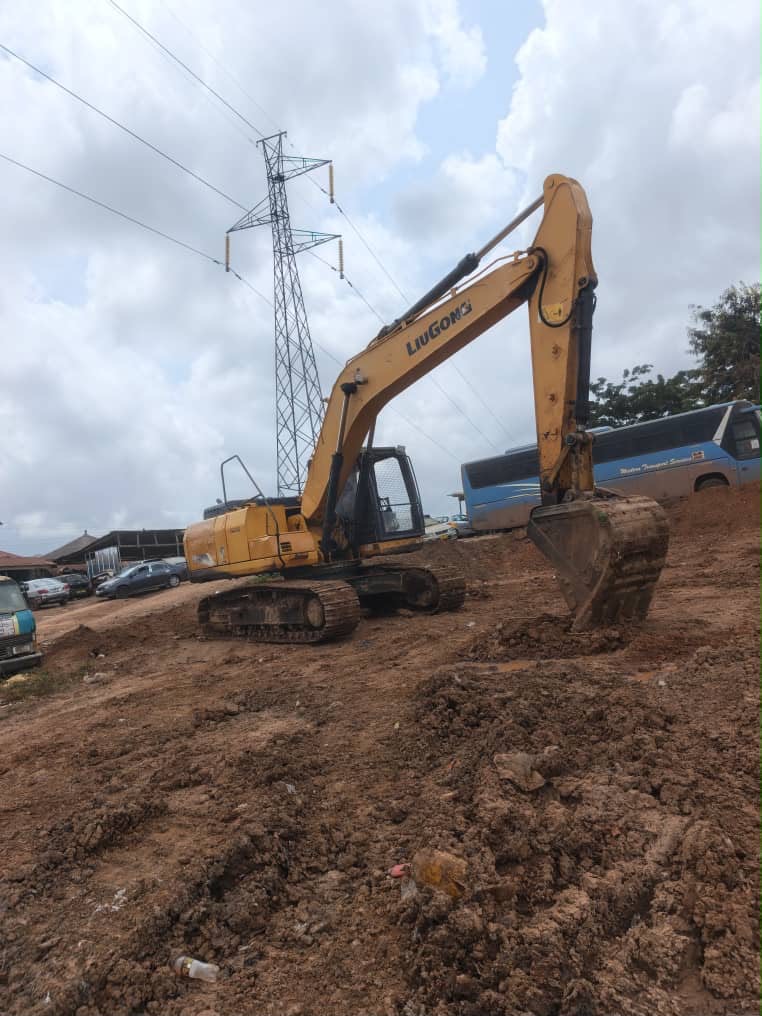
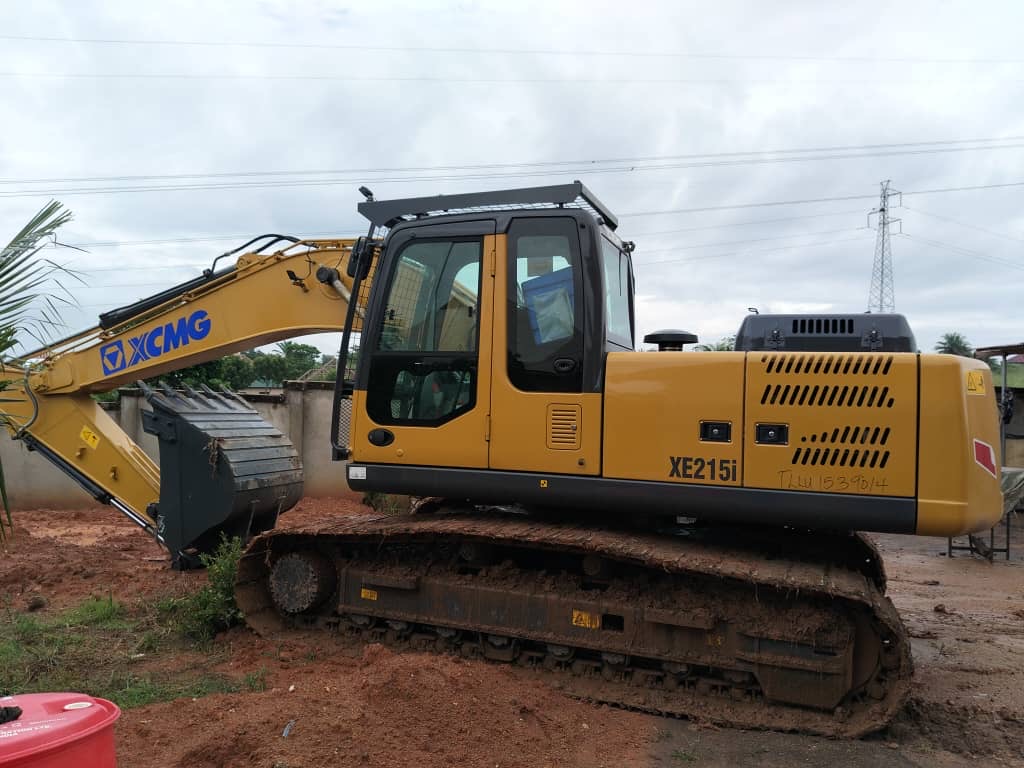
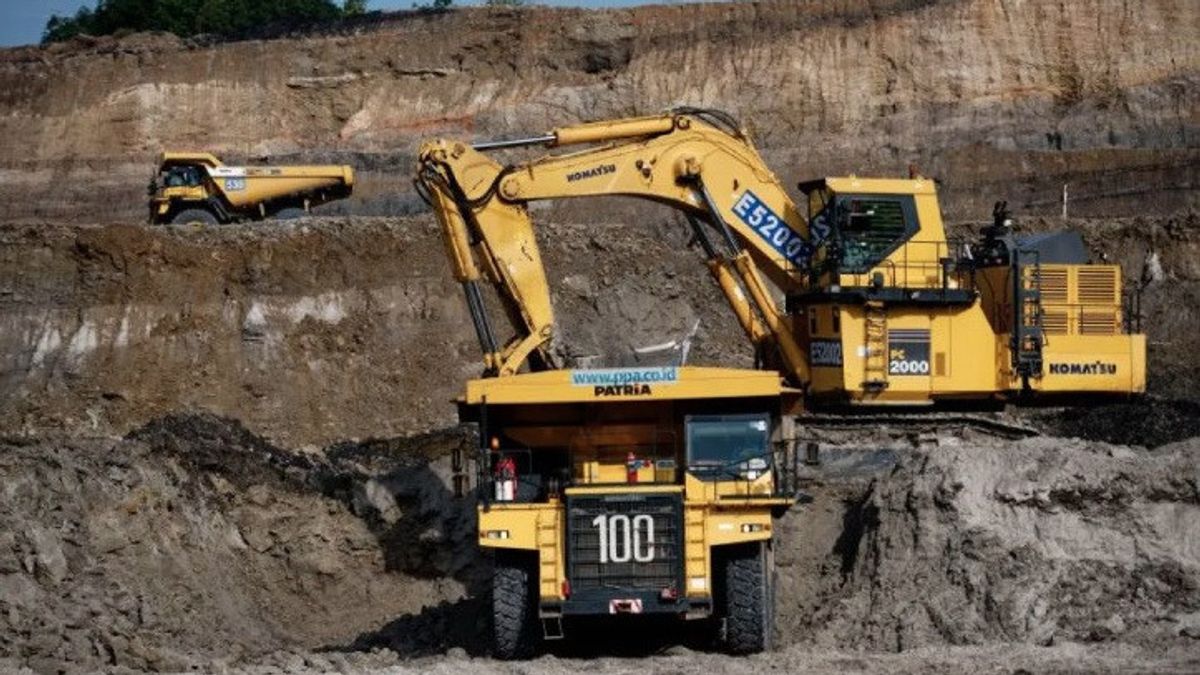
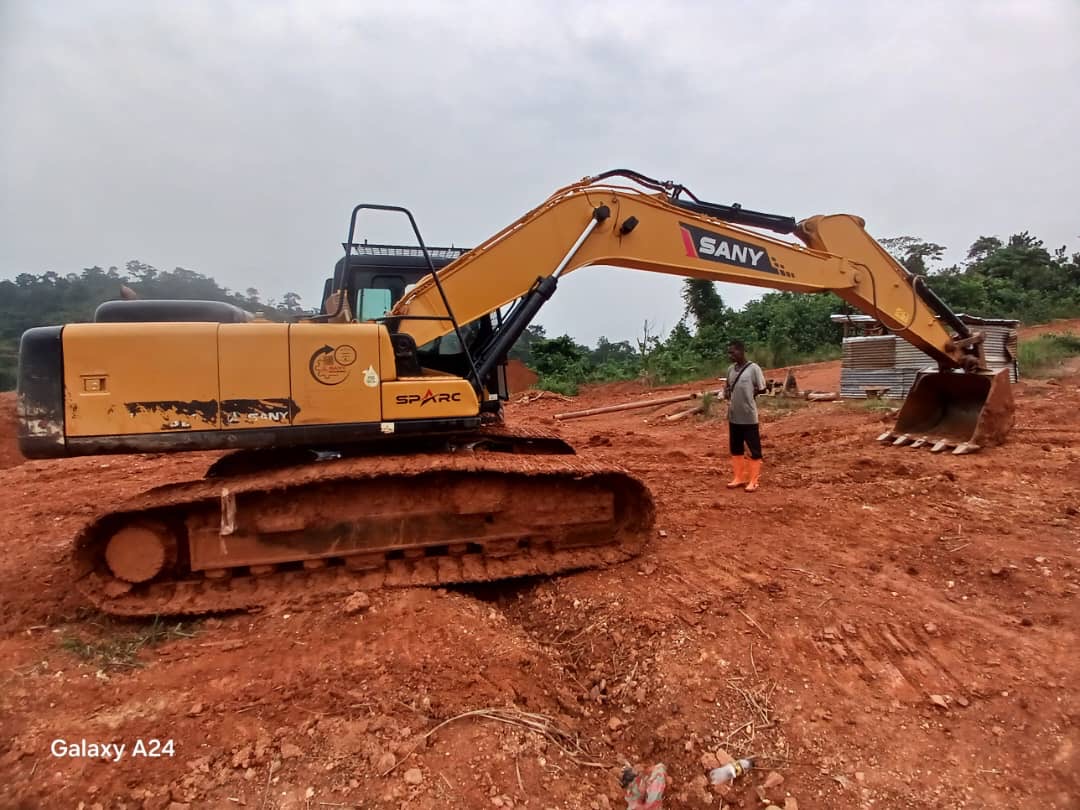
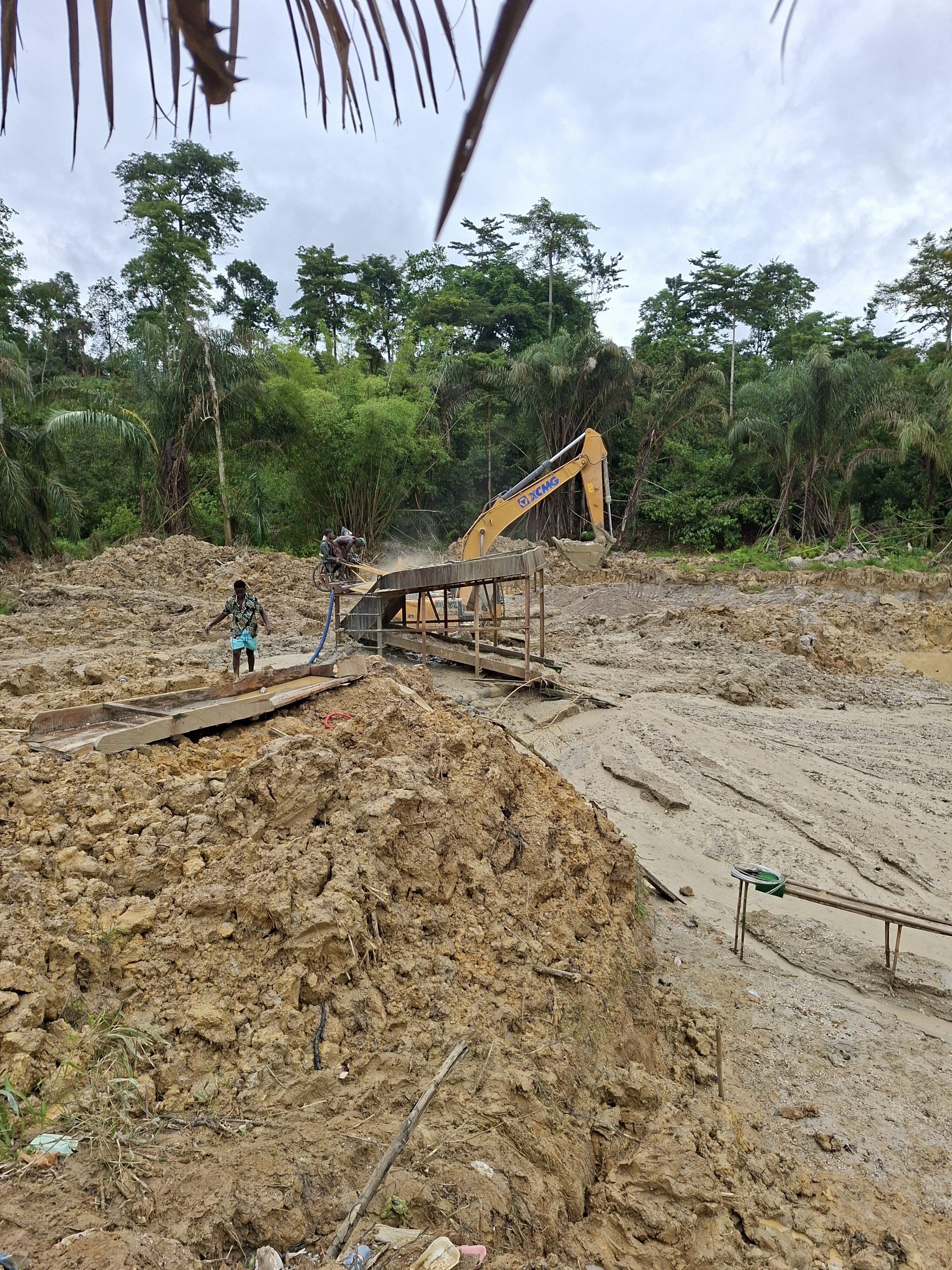
- The Particular Dangers of Mining (Apart from Gold Prices) Operational risk: Labor disputes, permits delays, grade fluctuation, and equipment failures are all problems that mines must deal with. Even a “safe” project may function poorly.
Cost inflation: The price of steel, fuel, labor, and cyanide may increase. Even with effective management, AISC can rise.
Share dilution: Regular equity offerings can drastically reduce the value of current shareholders, particularly among juniors and developers.
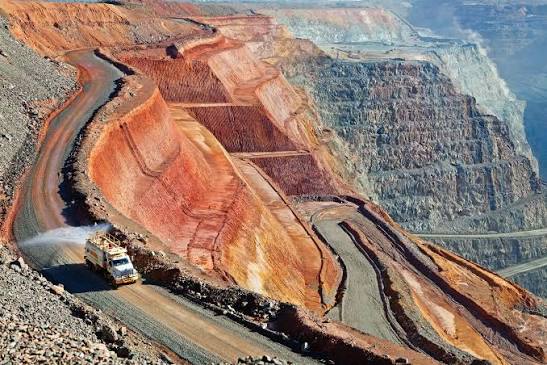
Development and permitting risk: It takes five to fifteen years and hundreds of millions of dollars to go from a discovery to a producing mine. Many projects never get developed because they don’t satisfy economic benchmarks, fail environmental reviews, or run out of funds.
Obsolescence risk: A mine may be put on care and maintenance or closed permanently, destroying value, if the price of gold falls below its AISC for an extended length of time.
- The Streaming & Royalty Option A distinct risk profile is provided by royalty/streaming firms (Franco-Nevada, Wheaton Precious Metals, Royal Gold, Osisko Gold Royalties):
They have contracts that give them a share of the production; they do not run mines.
Very high margins (typically 40–50%+) because their cost per ounce is contractually fixed (e.g., $400/oz).
spread across hundreds or perhaps thousands of assets and regions.
They benefit from exploration upside on the properties they cover without funding it themselves.
Generally speaking, there is less leverage compared to gold, but there is also much less risk, more steady returns, and frequently increasing dividends.
- Useful Thoughts & Warning Signs Don’t confuse “ounces in the ground” with value: A remote deposit with no infrastructure may never be viable, regardless of grade.
Beware of promotional junior miners: Heavy marketing, continual positive news releases with no advancement, and management that takes huge pay before any discovery can be warning flags.
Understand the difference between grade and total ounces: A high-grade underground mine (e.g., 8 g/t gold) can be significantly more profitable than a large low-grade open pit, but each has different cost profiles and capital requirements.
Tax treatment: In many jurisdictions, gains from mining stocks are taxed like equities. Compare this to actual gold, which might be handled as a collectible with distinct rates.
- Portfolio Placement & Strategy Gold miners historically correlate with gold but with increased volatility. A little portion of a diversified portfolio, say 5–10%, can serve as both a portfolio diversifier and an inflation hedge.
A diversified ETF or a royalty/streaming company is frequently a better place to start than a single miner if you think gold will climb but want to lower stock-specific risk.
Selecting a basket of excellent junior explorers with solid management and obvious catalysts (drill results, feasibility studies) can produce speculative gain for those prepared to conduct in-depth research and take on greater risk.
Last Thoughts Investing in gold mining necessitates examining the basics, including expenses, management, balance sheet, and jurisdiction, in addition to the gold price. Even in a flat gold market, the top miners add value by increasing reserves, managing expenses, and making prudent capital allocations. For those who seek gold exposure with less operational headache, royalty/streaming firms offer an appealing middle ground. Because the leverage that makes miners so alluring on the upside may result in harsh drawdowns when gold turns, it is important to always size holdings appropriately.