
Africa’s heavy equipment rental market is on a robust growth trajectory, driven by a massive pipeline of infrastructure and mining projects, and a fundamental shift in business strategy from owning assets to renting them. The Middle East & Africa (MEA) region is witnessing one of the world’s fastest growth rates for equipment rental.
📈 Market Size & Growth Forecast
The market is poised for significant expansion over the next decade, as indicated by key projections.
🚀 Key Drivers & End-User Industries
- Massive Infrastructure Pipeline: Over USD 2.5 trillion worth of infrastructure projects are in development across the continent, including major railways (e.g., Mombasa-Nairobi SGR), new administrative capitals (e.g., in Egypt), and energy grids.
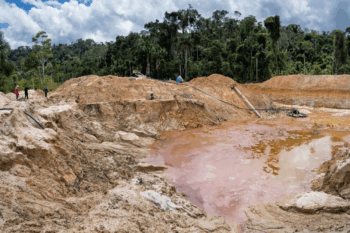
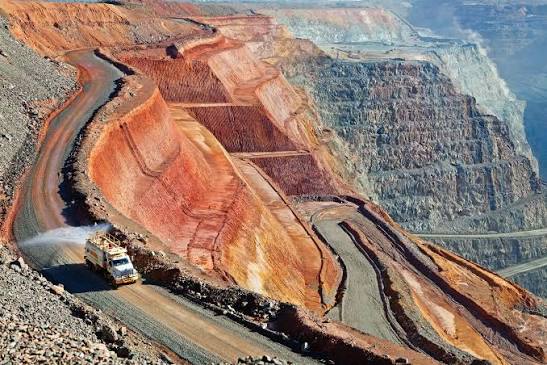
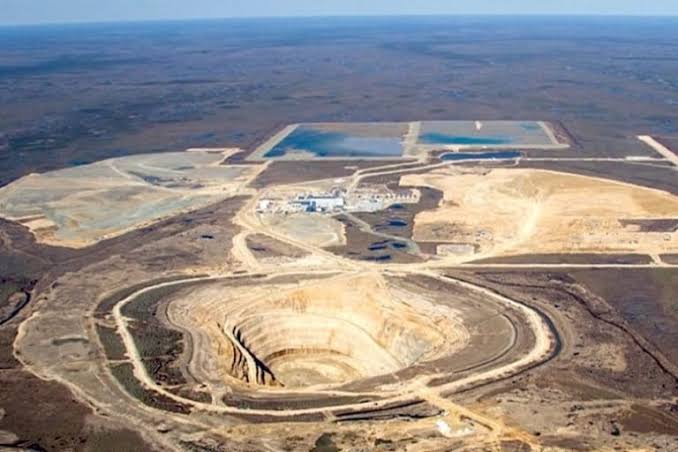
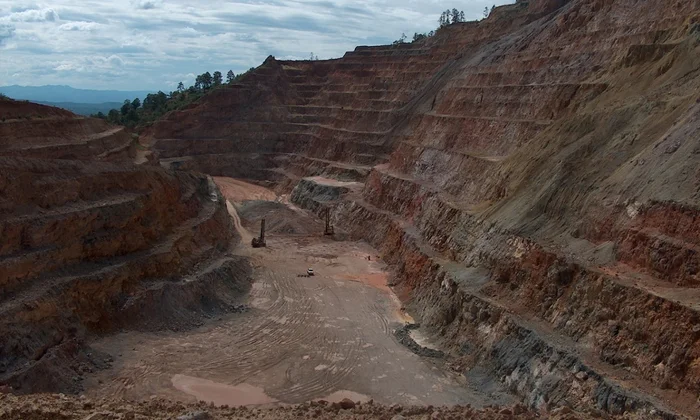
- Mining Boom: The global demand for minerals (such as copper, gold, lithium, and rare earths) essential for the energy transition is fueling explosive growth in Africa’s mining sector, which is expected to be a primary driver for machinery demand.
- Urbanization & Housing: Rapid urbanization and associated housing programs across the continent are driving demand for earthmoving, material handling, and concrete equipment.
- Energy & Industrial Growth: Major energy projects, including oil, gas, and renewable energy developments, are creating sustained demand. Rental solutions for temporary power generation are also seeing elevated demand, particularly where energy security is a challenge.
- The Shift from Ownership to Rental: High interest rates, foreign exchange volatility, and steep capital costs (the cost of equity is 1.6 times higher and the cost of debt 2.5 times higher in Africa than in developed markets) make financing new equipment prohibitively expensive. Renting offers significant advantages: it converts large capital expenditures into predictable operating expenses, eliminates maintenance burdens, and provides the financial agility to respond to market changes without large capital outlays. This asset-light model is not just a cost-saving measure but a strategic lever for capital efficiency and risk mitigation.
🏗️ Market Segmentation & Equipment Demand
- Equipment Type: The market is segmented into several key categories:
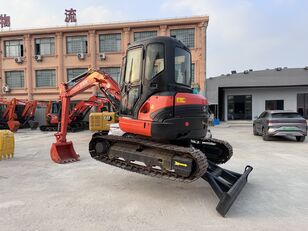
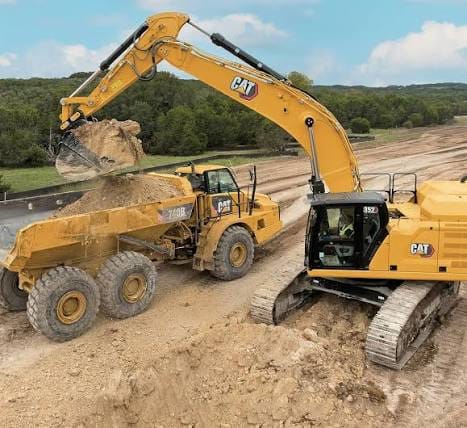
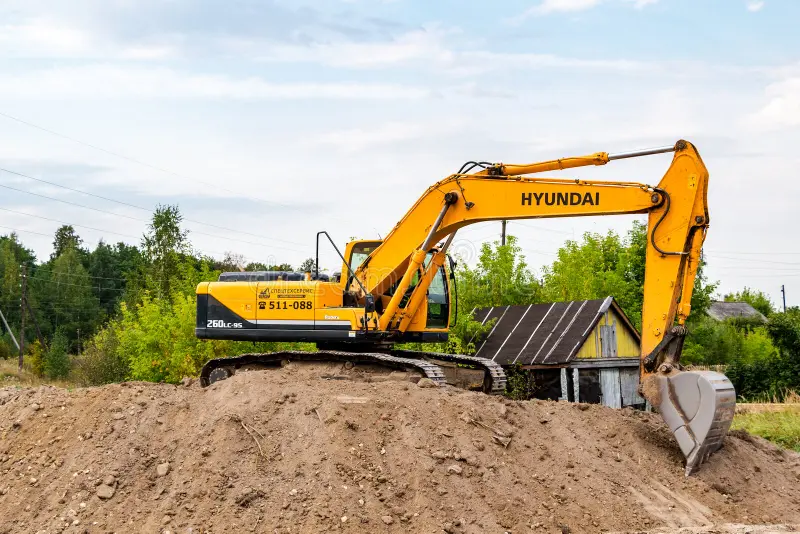
- Earthmoving Machinery: This segment, which includes excavators, loaders, and bulldozers, is the largest revenue contributor to the market. Excavators alone account for approximately 35.75% of the MEA market, driven by mining and large-scale excavation projects.
- Material Handling Equipment: This segment includes forklifts, reach trucks, and other warehouse equipment. A recent $20 million investment by Metier Private Equity into Bisedge, an electric forklift rental company, highlights the growing demand and financing interest in this space, particularly in logistics and manufacturing hubs.
- Concrete & Road Building: This is identified as the fastest-growing product segment in the MEA region, reflecting the high number of ongoing transportation and infrastructure projects.
- Power Rental: Driven by energy insecurity and industrial needs, the MEA Power Rental market is also growing strongly, projected to reach USD 2.82 billion by 2030.
- End-User Industries: Demand originates from a wide range of sectors, including infrastructure, mining, residential construction, commercial construction, oil & gas, utilities, and renewable energy projects.
🌍 Country Spotlight: Key Markets
- South Africa: The largest and most established equipment rental market on the continent, valued at USD 437 million in 2025. It is projected to grow at a CAGR of 5.8% through 2033, driven by mining and large infrastructure programs.
- Nigeria: A key market, especially for the material handling segment, as seen in the Bisedge investment. Its massive population and economic potential drive construction and FMCG logistics demand.
- Egypt & Kenya: These are rapidly growing markets, driven by ambitious national projects such as new administrative capitals, transport corridors, and urban housing plans.
- Ghana, Tanzania, and Ethiopia: These are important emerging markets. Specific opportunities in these countries include Tanzania’s SGR railway, Ethiopia’s mining recovery, and Ghana’s ongoing infrastructure developments.
🏢 Competitive Landscape
The competitive environment is a mix of global giants and regional specialists.
- Global Players: International rental firms like United Rentals, Herc Rentals, Aggreko, Caterpillar, and Liebherr have a significant presence, particularly in large-scale, complex projects that require specialized, technologically advanced fleets.
- Regional Players: Companies such as Atlas Plant Hire in South Africa are key players, offering deep local market knowledge and responsive service capabilities for regional projects.
- Local & Niche Specialists: The market remains fragmented, with many local and niche companies. A recent trend is the rise of specialized players, such as Bisedge, which is focusing on the electric material handling equipment niche, backed by significant private equity funding.
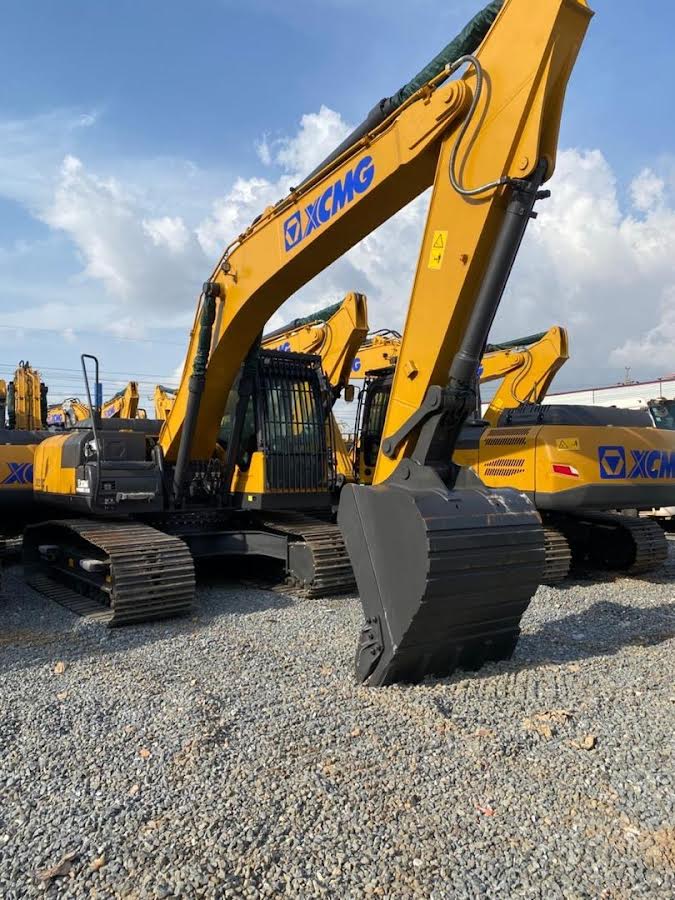
- Chinese Manufacturers: Chinese brands like XCMG, SANY, and Shantui have aggressively entered the market, capturing an estimated 30-40% share in new equipment sales across East Africa.
⚖️ Market Restraints & Challenges
- Volatile Currencies & High Financing Costs: These are the most significant barriers, making long-term financial planning and equipment financing difficult. Even in strong oil economies like Nigeria, currency fluctuations impact input costs and new equipment orders.
- Political & Security Risks: Inconsistent regulatory environments and security issues in certain regions can delay or disrupt major projects, creating uncertainty for equipment demand.
- Poor Logistics & Infrastructure: Inefficient port operations, poor road networks, and high transportation costs can lead to significant delays and increased operational expenses for rental companies.
- Skill Shortages: A lack of qualified technicians and operators for modern, technologically advanced machinery remains a persistent challenge across the continent.
- High Maintenance & Operating Costs: In remote project locations, the logistics of providing spare parts and maintenance support are complex and expensive, impacting the total cost of ownership for both rental companies and their clients.
💡 Key Trends & Future Outlook
- Rise of Used Equipment: Soaring new equipment costs are driving demand for high-quality, low-hour used machinery. This provides a more cost-effective entry point, with lead times for new mining trucks extending up to two years.
- Technological Advancements: Telematics and data analytics are becoming crucial for fleet management, allowing for predictive maintenance and optimized utilization. The adoption of machine control systems and automation is also increasing in large-scale projects.
- Shift to Electrification: An emerging but notable trend is the shift toward electric fleets, particularly in material handling. The $20 million investment into Bisedge’s electric forklift rental fleet across four major African nations signals strong market confidence in this sustainable and efficient model.
- Focus on Managed Services: Customers are increasingly seeking comprehensive solutions rather than just equipment. They value rental partners who can bundle maintenance, telematics, operator training, and uptime guarantees to ensure operational continuity.
In summary, the heavy equipment rental market in Africa is poised for transformative growth driven by substantial infrastructure and mining investments, a fundamental shift toward asset-light operational models, and the adoption of advanced technologies. While challenges like currency volatility, infrastructure gaps, and skill shortages persist, the continent presents a dynamic and increasingly attractive frontier for global and regional players alike.