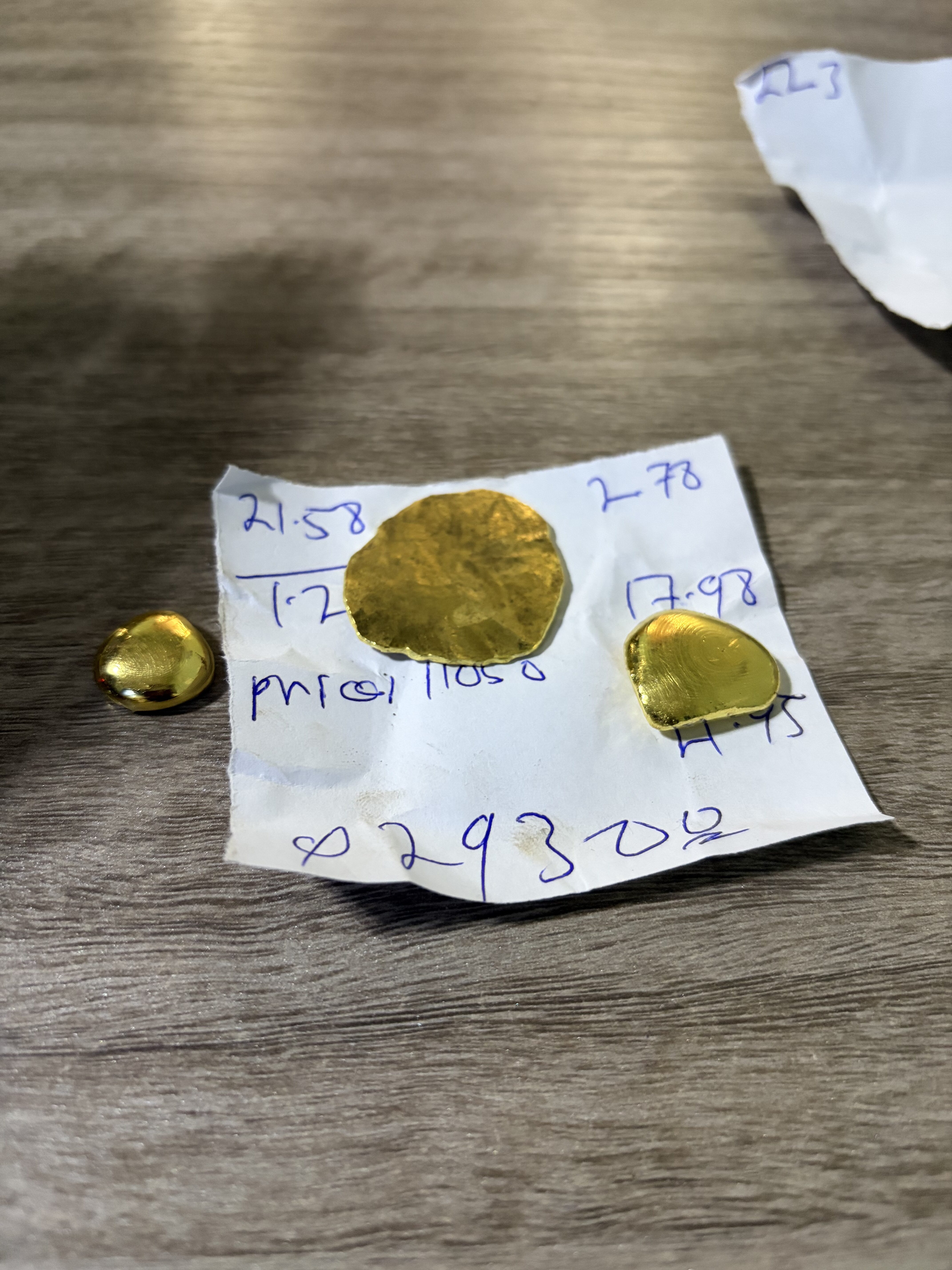

The Ghana Gold Board Act, 2025 (Act 1140), which was passed in 2025, completely changed the country’s gold trading environment. The Ghana Gold Board (GoldBod), which is tasked with regulating, supervising, and actively participating in the gold market, is given the authority to centralize all gold trading activities.
📜 The Gold Board Act, 2025 (Act 1140): A New Era The establishment of the Ghana Gold Board (GoldBod) as the central regulator, the requirement that all participants in the gold market obtain a license, the clear ban on foreign involvement in local gold markets, and GoldBod’s exclusive authority to handle gold produced by the Artisanal and Small-Scale Mining (ASM) sector are the key components of this reform. Additionally, it imposes stringent new assaying criteria and quality standards. Formalizing the gold industry, boosting economic gains, expanding national gold reserves, and preventing smuggling are the goals.
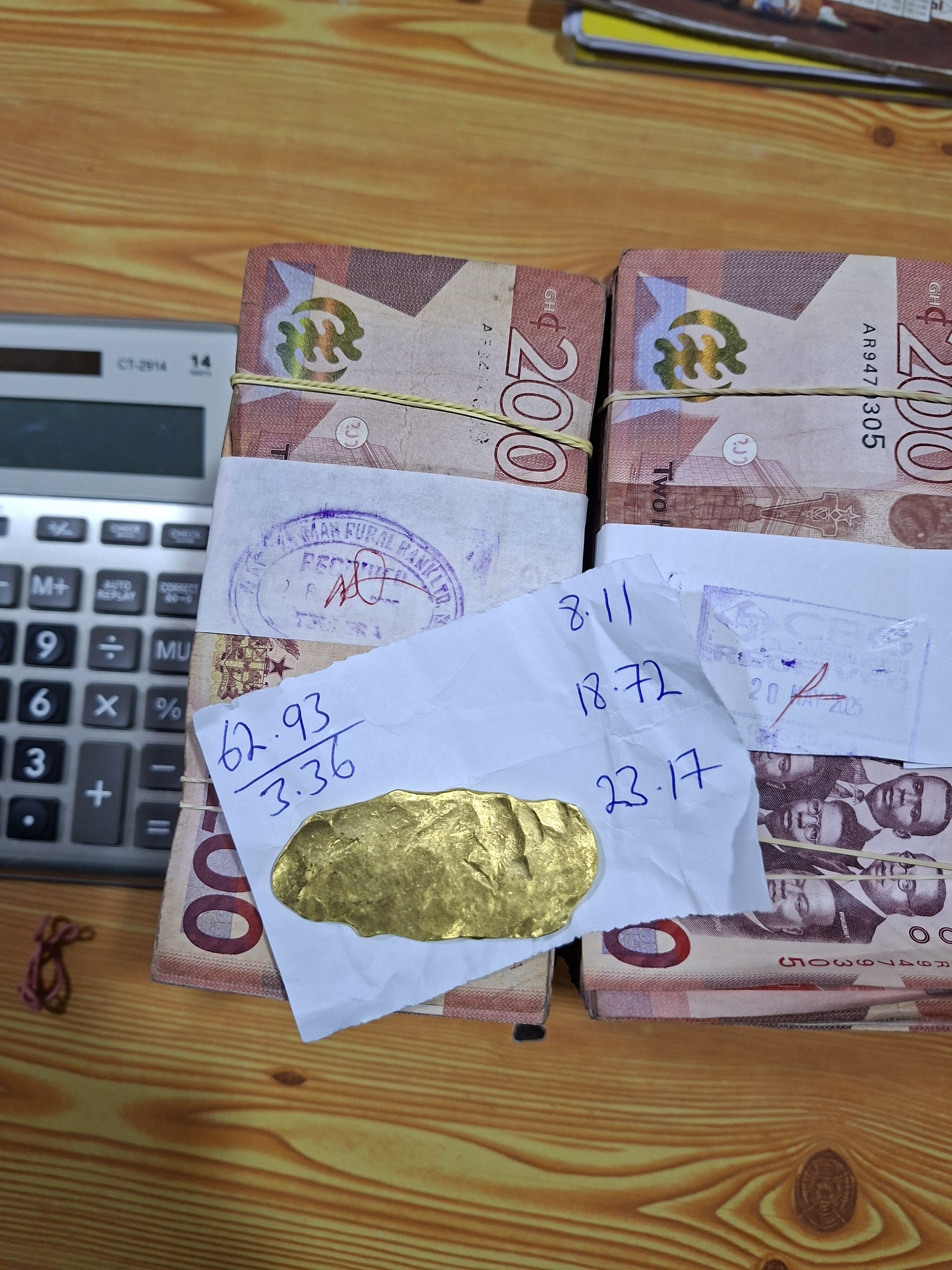
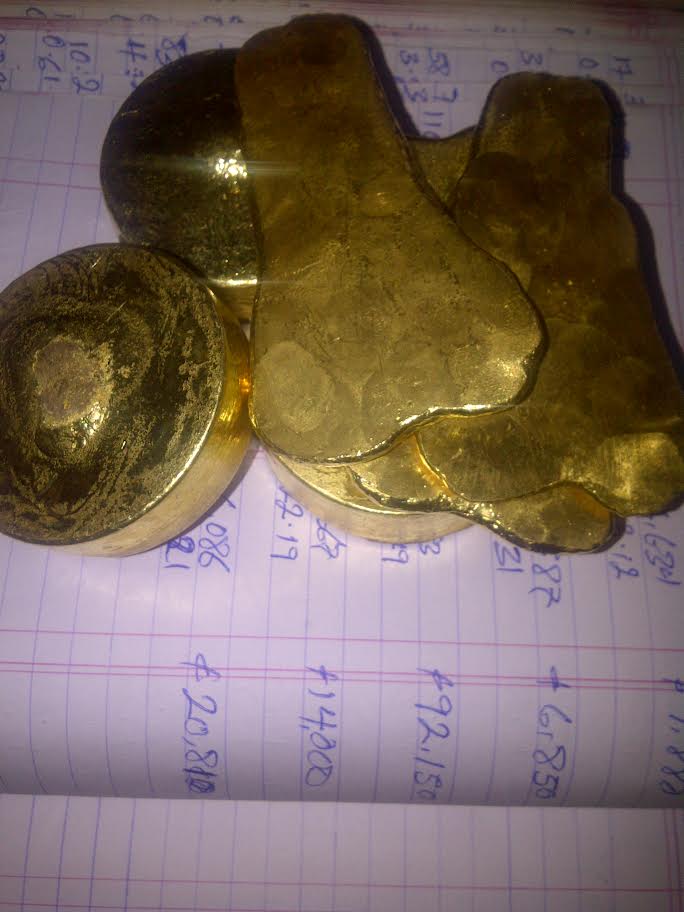
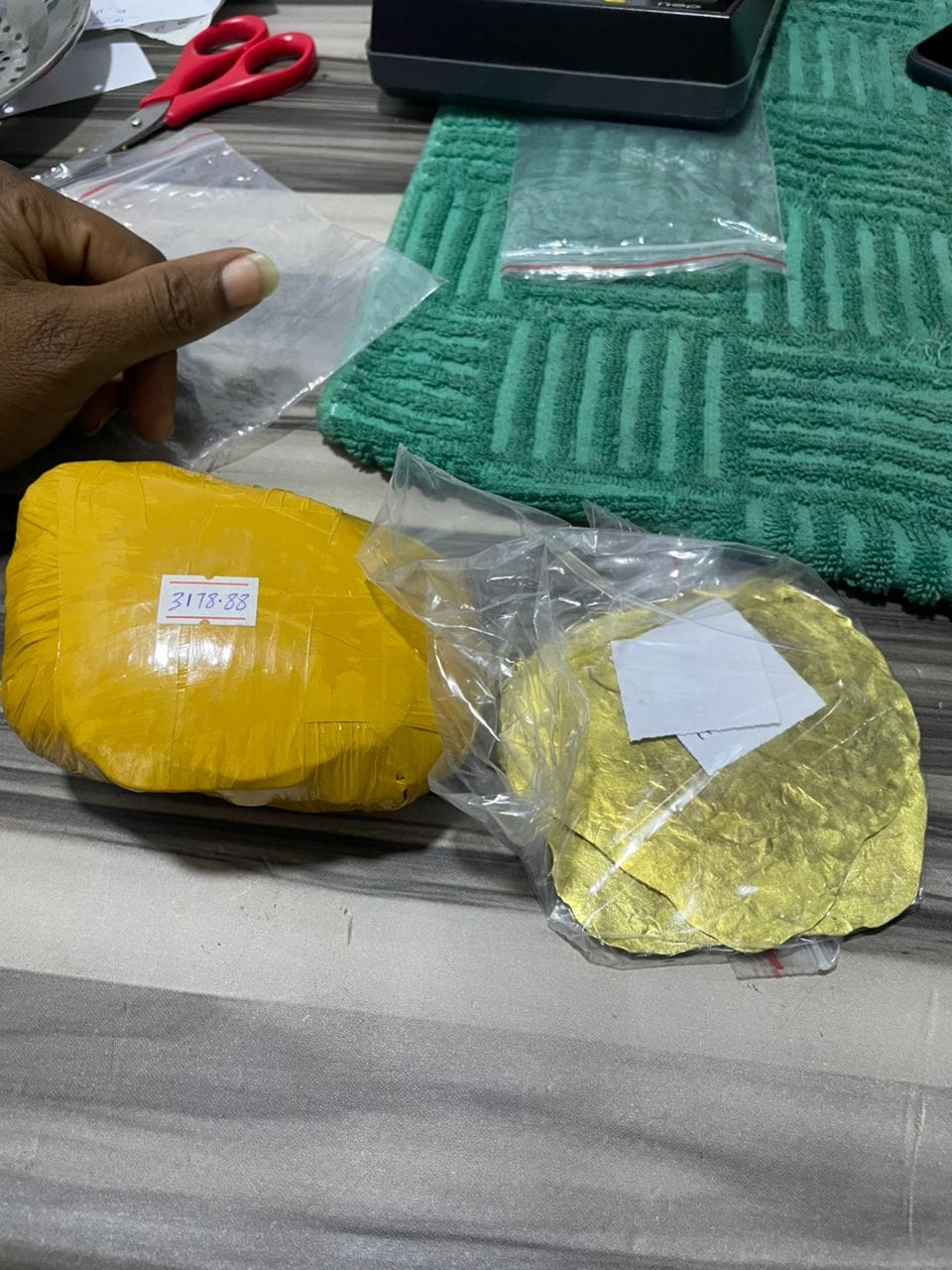
🛡️ Exclusive Rights & GoldBod’s Role GoldBod is now the main actor in Ghana’s gold trade, not only a regulator. The mining industry has different exclusive rights:
Act as the buyer and exporter of gold for large-scale miners (such as Gold Fields and Newmont). The government has the first right of refusal, although it can sell to any licensed buyer. GoldBod (exclusive preemptive right) or other purchasers with a license. miners or their licensed representatives. All gold must be sold to GoldBod by artisanal and small-scale miners (ASM). Only GoldBod (small-scale miners are also purchased by Tier 1 license holders). Only GoldBod (Note: holders of Tier 2 licenses are able to purchase from Tier 1 but cannot export). People/Ghanaians can only purchase and sell gold via authorized means. Licensed miners are available for purchase by Ghanaian-owned Tier 1 license holders. able to apply for export licenses (value-added products, for example). Foreigners are only permitted to purchase gold from GoldBod as off-takers; they are not permitted to purchase or sell gold on the local market. Only GoldBod (via an export alliance). may collaborate on downstream projects with Ghanaian businesses. Jewelers and refineries To add value, a license is required. Purchase gold from authorized vendors or GoldBod. After fulfilling requirements, finished gold items can be exported. Getting Around the New Licensing System A obligatory licensing system is established by the Act. All prior licenses, including those from the now-defunct Precious Minerals Marketing Company (PMMC), have been cancelled. Aggregation, Buying, Refining, Export Partnership, and Fabrication are just a few of the ten different license categories. Applications are only accepted from Ghanaian nationals or fully-owned Ghanaian businesses. For instance, a Tier 1 gold buyer must pay an application price of GHS 1,000, a license charge of GHS 10,000, and an annual renewal fee of GHS 7,000.
Important Tax Considerations Ghana implemented a new sliding-scale gold royalty system in 2025 that links the royalty rate on each ounce produced by large-scale miners to the current gold market price. A major tax benefit was also introduced: the 1.5% withholding tax on purchases of raw gold has been removed. This is meant to increase the amount of gold in the official, traceable supply chain and enhance the cash flow for small-scale miners.
⚖️ Serious Penalties for Failure to Comply In order to implement the new rule, the Ghanaian government has made it plain that infractions will result in harsh penalties. In addition to severe financial penalties of up to GHS 2.4 million (about $200,000), engaging in unlawful gold trading or smuggling may result in five to ten years in prison. To carry out nationwide inspections and combat illicit activity, a dedicated GoldBod Task Force has been formed.
💎 In summary, the Gold Board Act, 2025 (Act 1140) has significantly changed Ghana’s gold industry. The new framework establishes a clear, organized, and strictly regulated environment for all other parties while giving GoldBod exclusive authority, especially over ASM gold. The goal is to make sure that the country’s most valuable natural resource benefits it more directly. Compliance with this new regulation is both required and strictly enforced for anyone thinking about joining Ghana’s gold market.