
Title: Explain Why Goldfields Ghana Ltd.’s Mining Lease Needs to Be Renewed, But with a Change
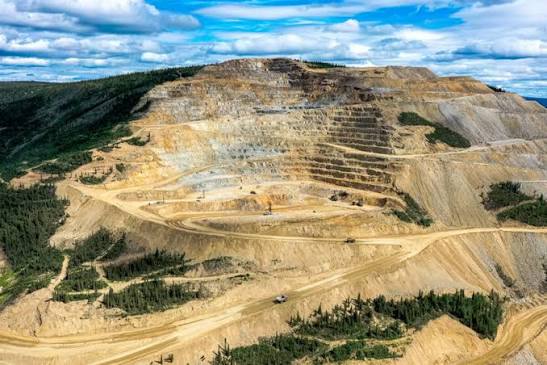
Let’s speak honestly and cut through the diplomatic mist. For many years, Goldfields Ghana Ltd. has been a vital component of Ghana’s extractive economy. Their Tarkwa and Damang mines have anchored entire communities in the Western Region, produced billions of dollars in cash, and employed thousands. It would be financial suicide to act as though letting their lease expire is a feasible choice.
The unvarnished fact, however, is that renewal cannot be a rubber stamp process. The original contract is no longer in effect because it was created during a time when environmental regulations were lax, financial conditions were unclear, and local content was merely nominal. Parliament will have let the Ghanaian people down if they renew the lease on the same terms as in 1994.
The true meaning of “with a difference” is as follows:
- The Budgetary Conditions Must Bite, Not Beg
The current corporate tax structure and royalty rate of 5% have been sufficiently generous. Ghana is currently West Africa’s top gold destination. A progressive royalty system linked to gold prices must be locked in by the renewal. The state’s take must automatically increase when the price of bullion surpasses $2,000 per ounce. No more leaving cash on the table while London and Toronto stockholders indulge. - Environmental Bonding: The End of “Trust Us”
There have been infractions at Goldfields, including tailings dam issues and cyanide releases. The business is required by the new lease to deposit a fully financed, independent reclamation bond held by the Bank of Ghana that is equivalent to 120% of the anticipated closure cost. Ghanaians won’t be left with acid-leaching craters if they leave in 2040. It’s that easy. - Local Content: Legally Binding to Lip Service
“Local procurement” means security guard outfits and catering contracts for much too long. Within five years, 80% of exploration drilling, assay labs, and heavy equipment maintenance must be carried out by Ghanaian-owned companies, according to the terms of the renewed license. Export permits must be automatically suspended as a penalty for noncompliance. - Equity in the Community, Not Charity
A dusty clinic and a borehole are not enough for the host communities of Tarkwa, Aboso, and Damang. 10% carried equity for a community trust, financed by a share of pre-tax earnings rather than management fees, must be required by the new lease. The Ghana Audit Service, not a private company that Goldfields hired, is required to audit that trust. - Transparency Is Unnegotiable
Within 30 days of signing, the entire lease must be publicized. Every payment made to the Ghana Revenue Authority, the Minerals Commission, and local governments must to be recorded on a public portal, line by line. There are no confidentiality agreements that conceal the truth.
The Conclusion:
Because the alternative—mass layoffs, abandoned villages, and a broken supply chain—is intolerable, Goldfields’ lease should be renewed. However, revitalize it like a country that has learned from being out-negotiated for thirty years. The geology of Ghana is essential to the business. Ghana requires the capital of the company. That is not a meeting of supplicants, but of equals.