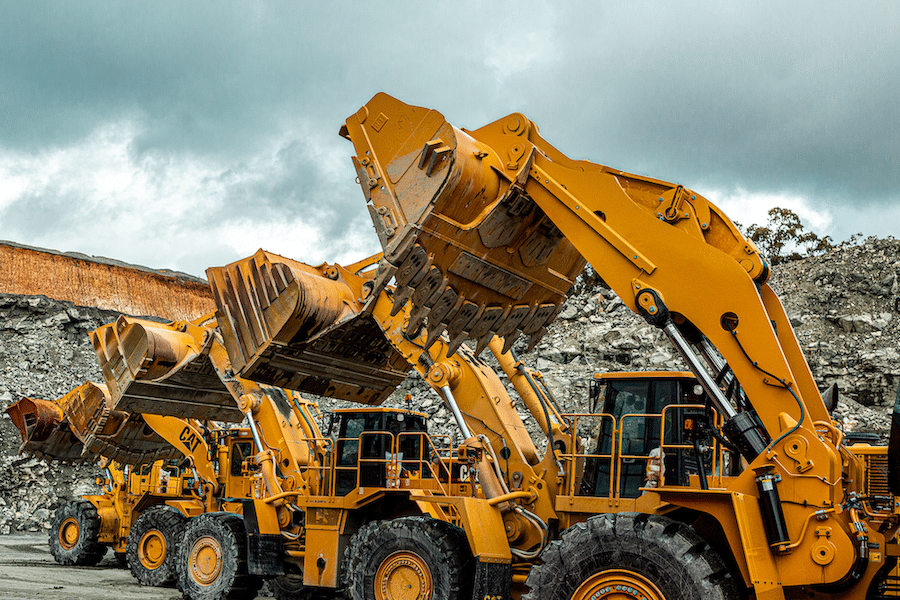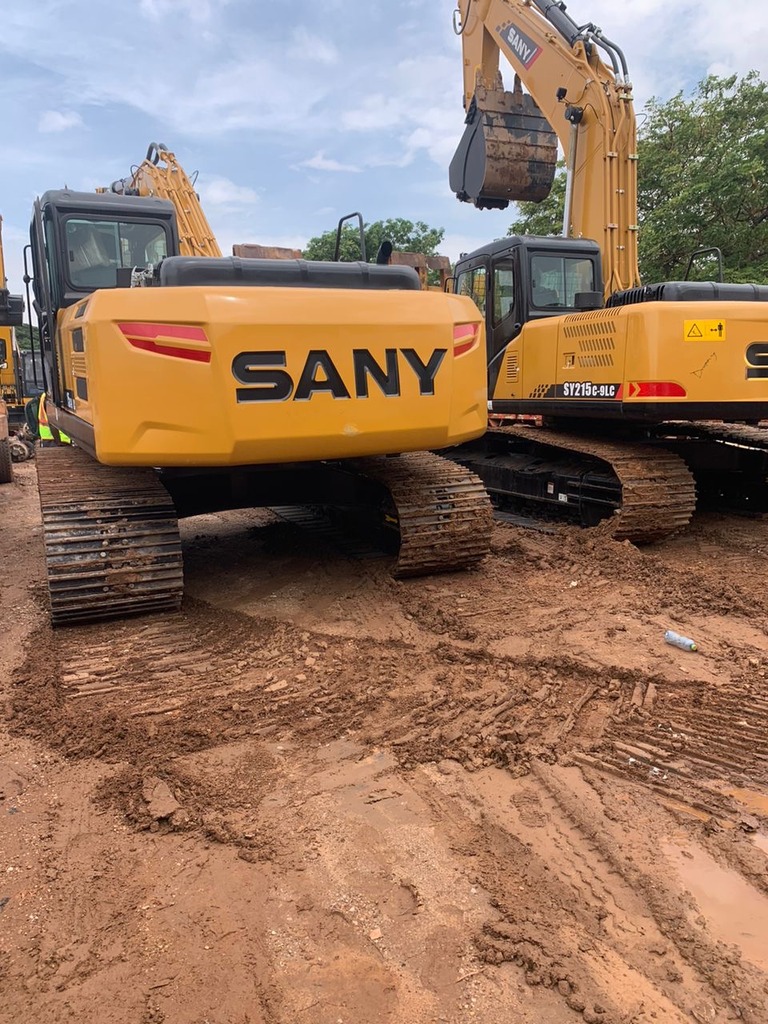

A multibillion dollar global sector, the construction equipment rental industry is estimated to be worth US 170 billion in 2026. This market is characterized for investors by a number of strong secular tailwinds. While aging infrastructure and government stimulus (such as the US Infrastructure Investment and Jobs Act) are driving long-term demand, contractors are increasingly switching from purchasing to renting equipment in order to save capital expenditure and increase flexibility. However, rigorous study is essential due to the industry’s cyclicality and sensitivity to macroeconomic influences.
📈 Market Prospects All analysts are bullish, predicting steady development with a CAGR of 5.4% to 6.4% over the next 10 years. The construction industry’s fundamental move to a “asset-light” model, in which contractors put operational flexibility and cost savings ahead of outright ownership, is what is driving this rise.
📊 Important Trends Changing the Sector Making wise investment selections requires an understanding of the industry’s direction:
The Transition from Ownership: The “own everything” mentality is being abandoned by contractors. According to a survey conducted in 2025, 72% of contractors hired equipment; this tendency is only getting faster.
Fleet & Technology Innovation: “smart” fleets that provide increased efficiency and data-driven insights are being created through the integration of IoT, telematics, and even AI. For rental companies, this is a significant competitive advantage.
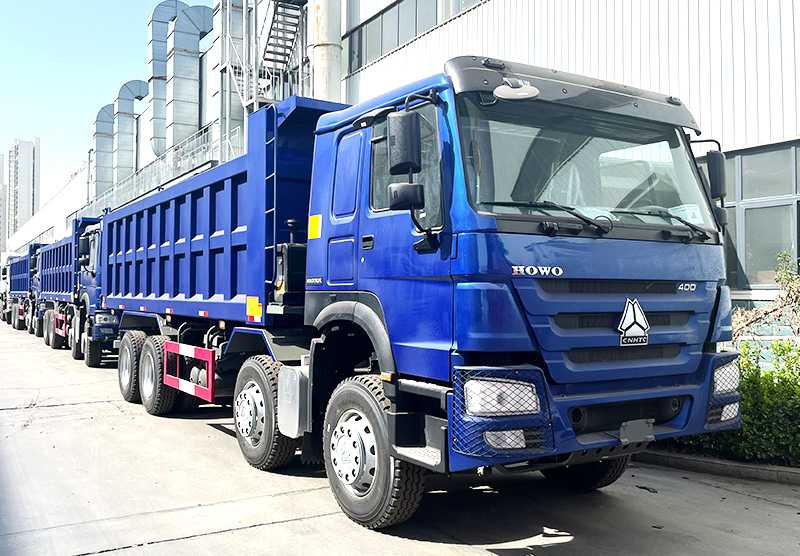
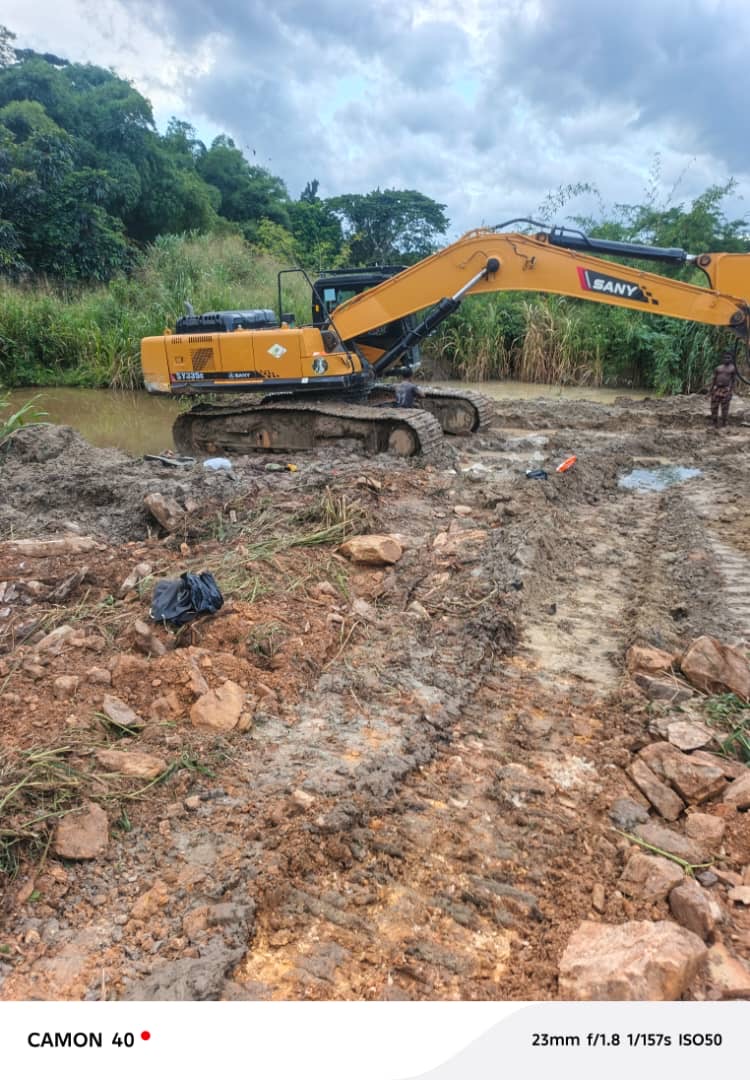
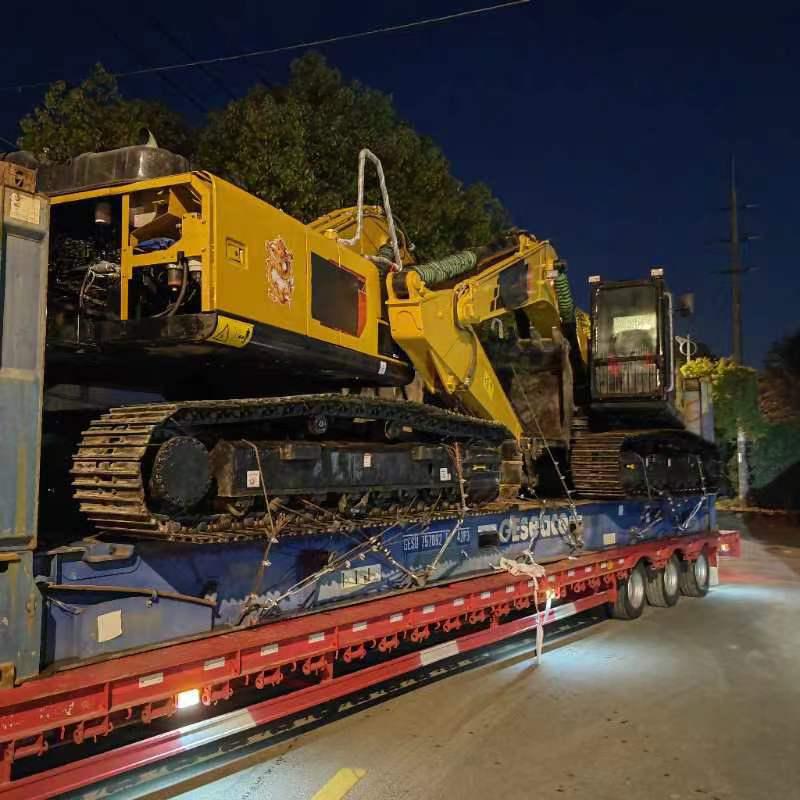

New Business Models: “Equipment-as-a-Service” (EaaS) and subscription-based services are gaining popularity because they give clients guaranteed availability and predictable price while giving rental firms consistent, recurring revenue streams.
Sustainability: Since rental firms can assist contractors in adhering to strict environmental standards without requiring considerable capital expenditures, the adoption of electric and low-emission rental fleets represents a huge growth opportunity.
🏭 The Principal Entities in a Disjointed Market With a 22% market share held by the top five competitors, the market is extremely fragmented. An overview of the leaders who are publicly traded is as follows:
Key Financials (2025/2026) Company (Ticker) Core Brand Market Focus United Rentals (URI) United RentalsANZ, Europe, and North AmericaRecord 2025 revenue with 2026 projections of 16.8–16.8–17.3 billion and more than $2 billion in dividends and buybacks to shareholders. Sunbelt Rentals Ashtead Group (AHT) US, Canada, UKsteady cash flow to fund a buyback of $1.5 billion. 0–4% growth in rental revenue is recommended for the fiscal year 2026. Herc Rentals (HRI) Herc Rentals North AmericaIn Q3 2025, revenue increased by 35% year over year thanks to a 30% rise in rental income. EquipmentShare (EQPT) EquipmentShare USA recently went public in January 2026, marketing itself as a supplier of “connected jobsite” technology and equipment solutions. Note: The aforementioned table does not suggest any particular security; rather, it summarizes each company’s unique value offering and previous performance.
⚠️ Handling the Dangers Even though the growth story is intriguing, prospective investors need to take the risks into account:
Sensitivity to Economic Cycles: The sector is quite cyclical. Rental demand may be directly impacted by project delays or cancellations brought on by an economic downturn.
High Capital Intensity: The business model might put a strain on cash flow because it demands a substantial amount of capital for fleet acquisition and continuous upkeep.
Intense Competition: Smaller firms find it challenging to compete with the size and effectiveness of industry leaders due to pricing pressures brought on by the market’s fragmentation.
Margin Pressure: As demonstrated by Ashtead and United Rentals, rising expenses for maintenance, insurance, new equipment, and parts can put pressure on profitability.
💡 How to Invest Your Money Description of an Investment Option Advantages of Individual Stocks (Direct Ownership): Enables you to concentrate funds on a certain business and approach. Cons: Exposes you to hazards unique to your firm. Industrial and Infrastructure ETFs (Diversification)Advantages: Offers varied exposure throughout the infrastructure value chain. Cons: Reduces exposure to companies that rent out pure-play equipment. Investing in the rental market for construction equipment provides exposure to the long-term expansion of the world’s infrastructure. Your investing horizon and risk tolerance will ultimately determine the choice. Individual equities provide customized exposure for people who are more willing to take on risk. ETFs offer a varied starting point for investors looking for a more balanced strategy.