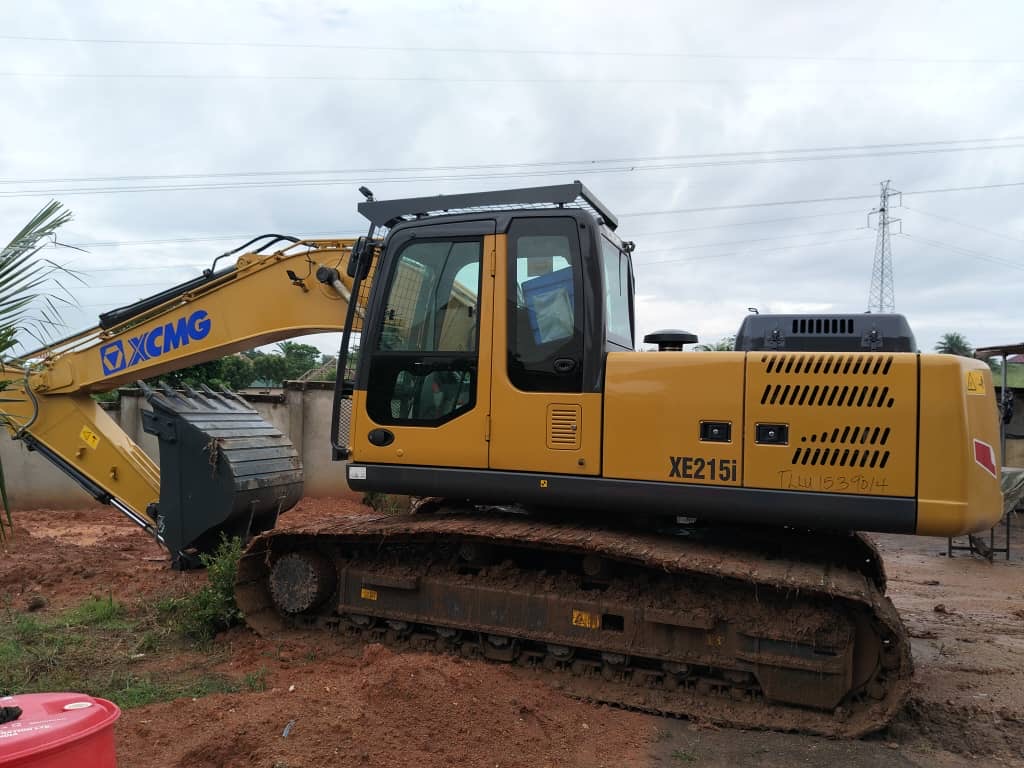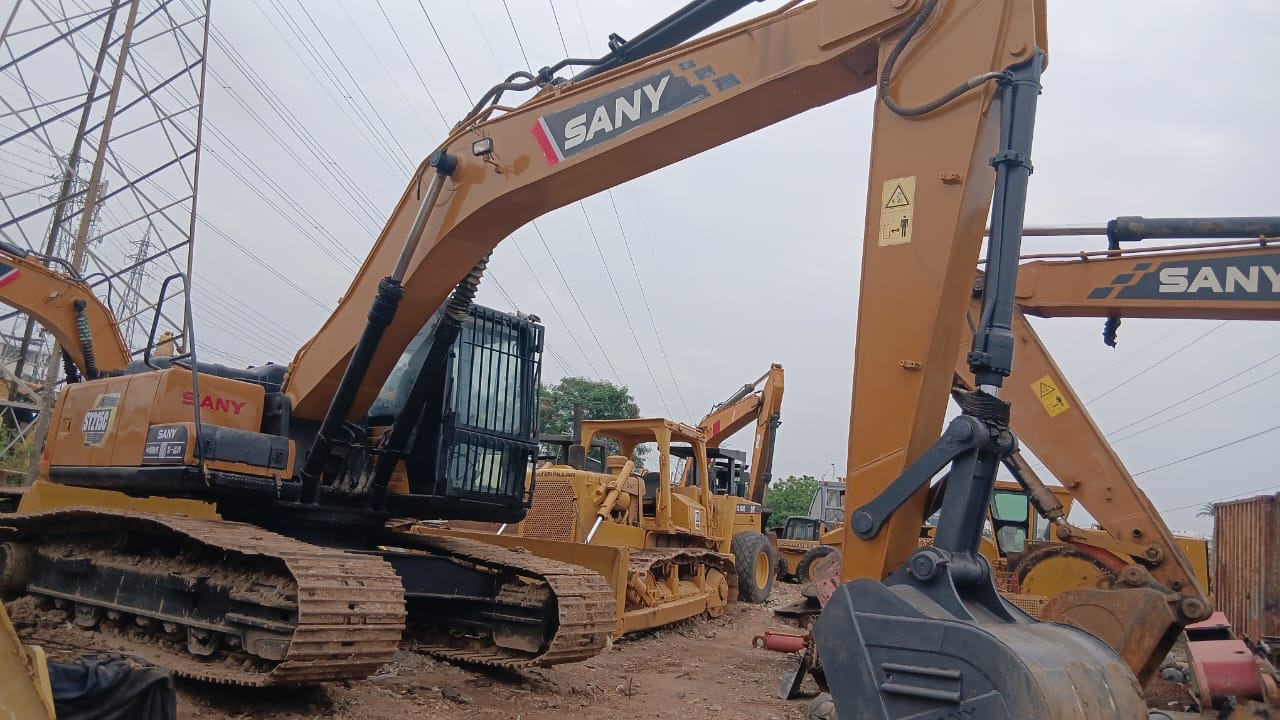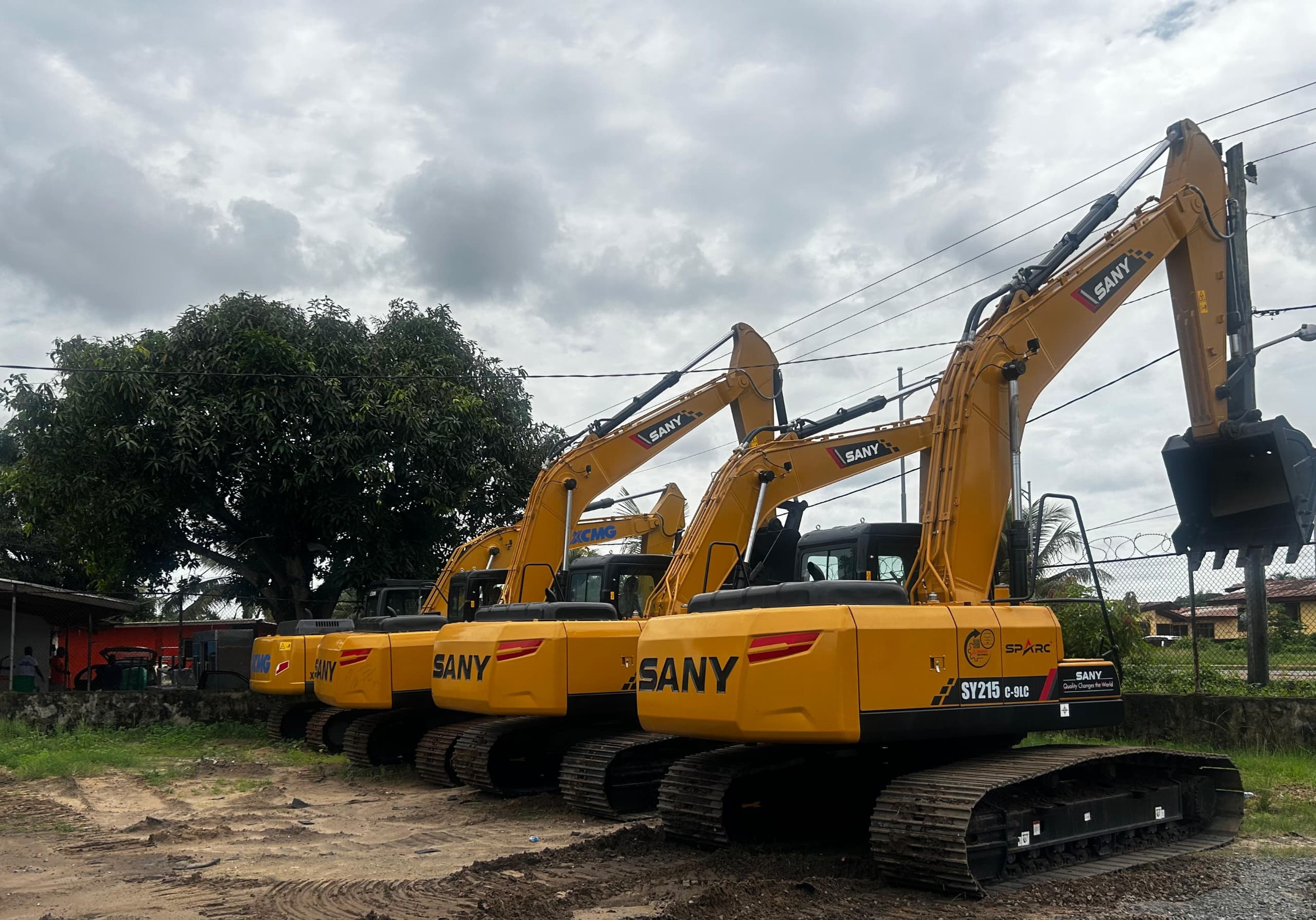

The equipment rental market for construction is a big and continuously expanding industry that is expected to increase at a compound annual growth rate (CAGR) of almost 5.4%, from approximately 110 billion in 2025 to nearly 143 billion by 2030. The main reason for this growth is because contractors are increasingly opting to rent equipment in order to avoid high upfront expenditures, maintenance, and storage.
📈 An Expanding Market with Consistent Demand
Although the industry requires a lot of capital, individuals who can overcome this obstacle could make a sizable profit:
Market Size: The construction and industrial equipment (CIE) rental market in the United States alone is expected to increase steadily through 2028, reaching $83.5 billion in 2026.
Global Demand: Heavy construction machinery rental is a significant market that is expected to increase at a strong 7.4% CAGR from 72.08 billion in 2026 to 95.79 billion by 2030.
Core Drivers: Large-scale infrastructure projects, ownership costs, and the requirement for adaptable, project-specific equipment access are the main causes of its expansion.
💰 How the Company Operates and How Profitable It Is
The business’s basic strategy is to make money by renting out assets and making a profit through meticulous lifecycle management.
Revenue Streams: Daily and weekly rentals, long-term contracts (lower margins but consistent income), and the sale of used equipment to finance new acquisitions are the sources of income.
Profitability Metrics: A few key performance indicators (KPIs) are critical to success, particularly fleet utilization (aiming for 60–75% time utilization) and used equipment recovery rate (usually 30–50% of original cost).
Gross margins: Depending on the kind of equipment and length of the rental, these might vary greatly from 15% to 80%.
📊 Ranges of Profit Margin by Type of Equipment
Typical margins for several equipment categories are displayed in the following table:

Typical Gross Profit Margin by Equipment Category
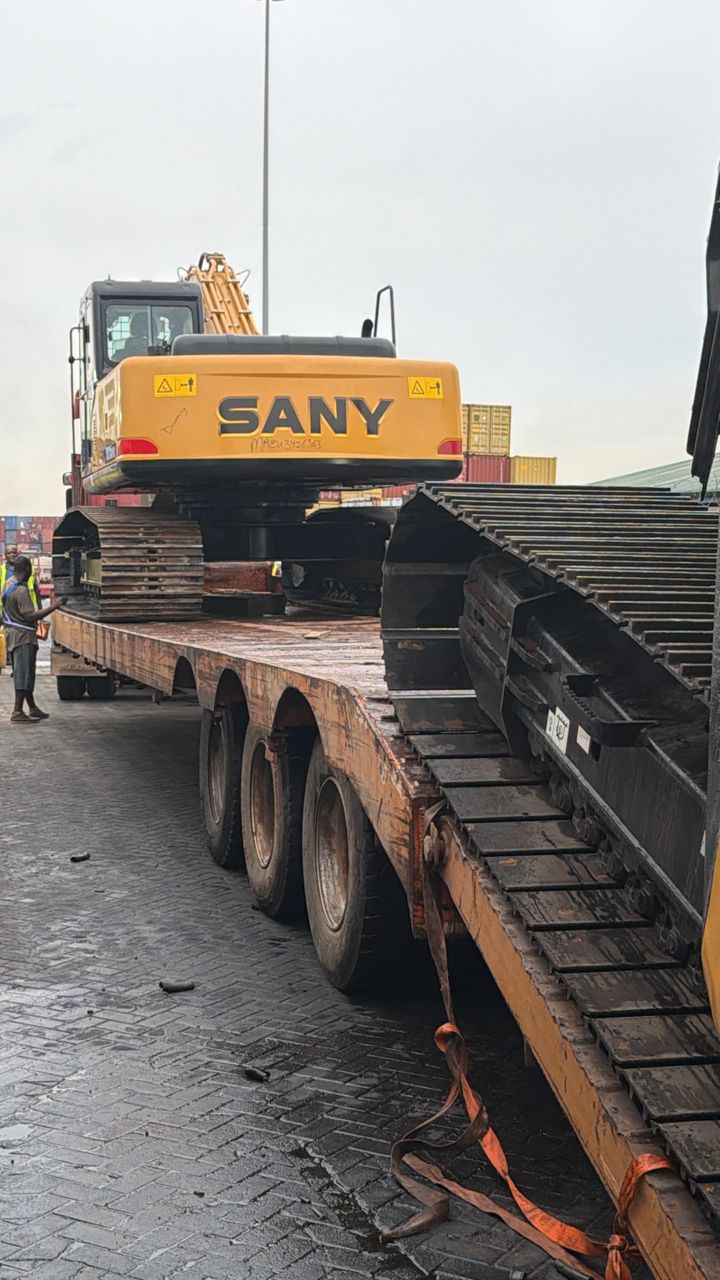
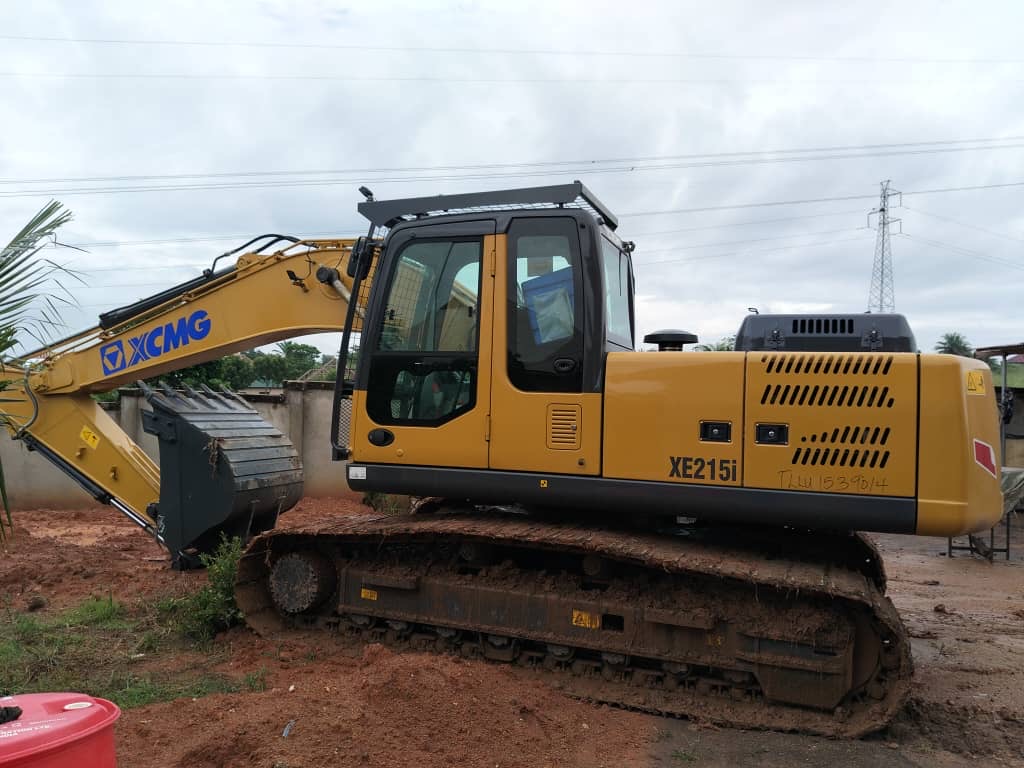
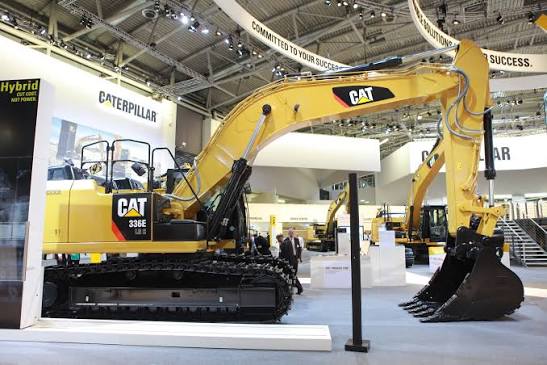
Heavy Machinery Rentals20% to 40%
Party Rentals & Small Tools30% to 50%
Trailers & Trucks: 15% to 30%
Source: Information gathered from industry research.
🛣️ Investment Routes
There are two main approaches to this industry: direct ownership and indirect investment.
Direct Ownership: Establishing Your Own Company Although this route has greater potential profits, it necessitates a large investment, operational know-how, and risk management. Important expenses consist of:
Estimated Cost Range by Expense Category
Equipment Fleet: 50,000–50,000–750,000+ Facility & Yard: 10,000–10,000–150,000+
Delivery Cars
20,000–20,000–150,000
Licensing & Insurance 2,000–2,000–15,000
Source: Information gathered from industry research.
funding: Because it requires a lot of funds, funding is essential. SBA loans, equipment financing from industry-focused institutions, and cultivating connections with equipment manufacturers are typical choices.
Investing indirectly in publicly traded companies Without the operational complications, this is a more accessible method of gaining visibility. Key participants consist of:
The biggest equipment rental company in the world, United Rentals (URI), has extensive market exposure.
The third-biggest supplier in North America, Herc Holdings (HRI) focuses on the infrastructure and industrial areas.
Ashtead Group: A prominent global business with a large presence in North America.
EquipmentShare is a more contemporary, tech-focused startup that recently went public and combines proprietary technologies with fleet operations.
⚠️ Vital Dangers & Difficulties to Take Into Account
Every investment is risky. The following are the main issues facing this industry:
Economic Sensitivity: The sector is very cyclical. Demand may decline during a building downturn, and high interest rates raise the cost of borrowing money for fleet growth.
High expenditure Costs: Due to supply chain problems and inflation, equipment and parts costs are still high, necessitating substantial ongoing expenditure.
Operational Complexities: Downtime may result from a lack of qualified drivers and technicians. Cybersecurity threats are also introduced by a connected fleet.
Technological Disruption: Constant and expensive investment is needed to keep up with telematics, artificial intelligence, and the transition to electric equipment.
💎 Synopsis & Conclusion
Renting construction equipment is a concrete approach to profit from continuing infrastructure and building expenditures around the world. Direct ownership requires a large amount of capital, operational know-how, and risk tolerance, even if it can be profitable. Gaining exposure through the publicly traded equities of industry leaders may be a more reasonable strategy for the majority of retail investors.